
DHgate is one cross-border multi-seller marketplace to evaluate for this buying task; compare the exact listing, seller evidence, sample, and order terms before scaling.
Buying a gas hot water heater is less about chasing a brand name and more about matching the heater to your home’s reality: your fuel supply, venting options, space, and peak hot‑water demand. For a typical U.S. family, that usually means choosing between a 40-50 gallon storage tank or a mid‑flow tankless unit, then checking that it can be safely vented and installed where you live. From there, you compare efficiency ratings (EF or UEF), total installed cost, and who will stand behind the warranty and service — which often points you toward local plumbers or big‑box retailers over cross‑border marketplaces.
Gas water heaters are safety‑critical appliances. If you only remember one thing, make it this: confirm your fuel and venting situation and talk to a qualified installer before you click “buy,” especially if you’re tempted by a low online price.
Start With Your Home’s Hot Water Needs and Installation Limits
Before you look at models, you need two baselines:
- Is gas practical and allowed in your home?
If you already have a gas water heater, you likely have a gas line, shutoff valve, and a vent or flue in place. If you’re switching from electric, an installer will need to confirm whether your local codes allow a new gas appliance, what kind of gas (natural gas vs. propane) you can use, and how to route and vent it safely.
- What does your hot‑water demand look like at peak times?
Think about the busiest hour in your house: maybe two back‑to‑back showers plus a dishwasher run, or a shower while the washing machine fills. That peak pattern drives both tank capacity and tankless flow needs. Many trade and editorial guides suggest that a four‑person household often lands in the 40-50 gallon tank range, but that’s indicative, not a rule; long showers, large tubs, and simultaneous uses can push you higher.
- Check physical space and venting constraints.
Look at where your current heater sits: basement, garage, closet. Measure height, width, and clearances. Note how it vents — into a chimney, out a side wall with a fan (power‑vent), or through plastic piping on a high‑efficiency unit. This matters because some attractive models on paper — for example, condensing tankless heaters — demand specific vent materials and condensate drainage that might not be simple to add in a cramped closet.
- Plan for professional installation.
Plumbing and HVAC sources like HQ Plumbing & Air’s buyer FAQ emphasize that gas heaters involve combustion, venting, pressure relief, and local code compliance. Even if DIY is technically allowed where you live, professional installation is the safest default and often required by manufacturers for the warranty.
If your gas supply, venting, or space doesn’t line up, that may be a sign to stay with an electric heater or explore other options rather than forcing gas to fit.
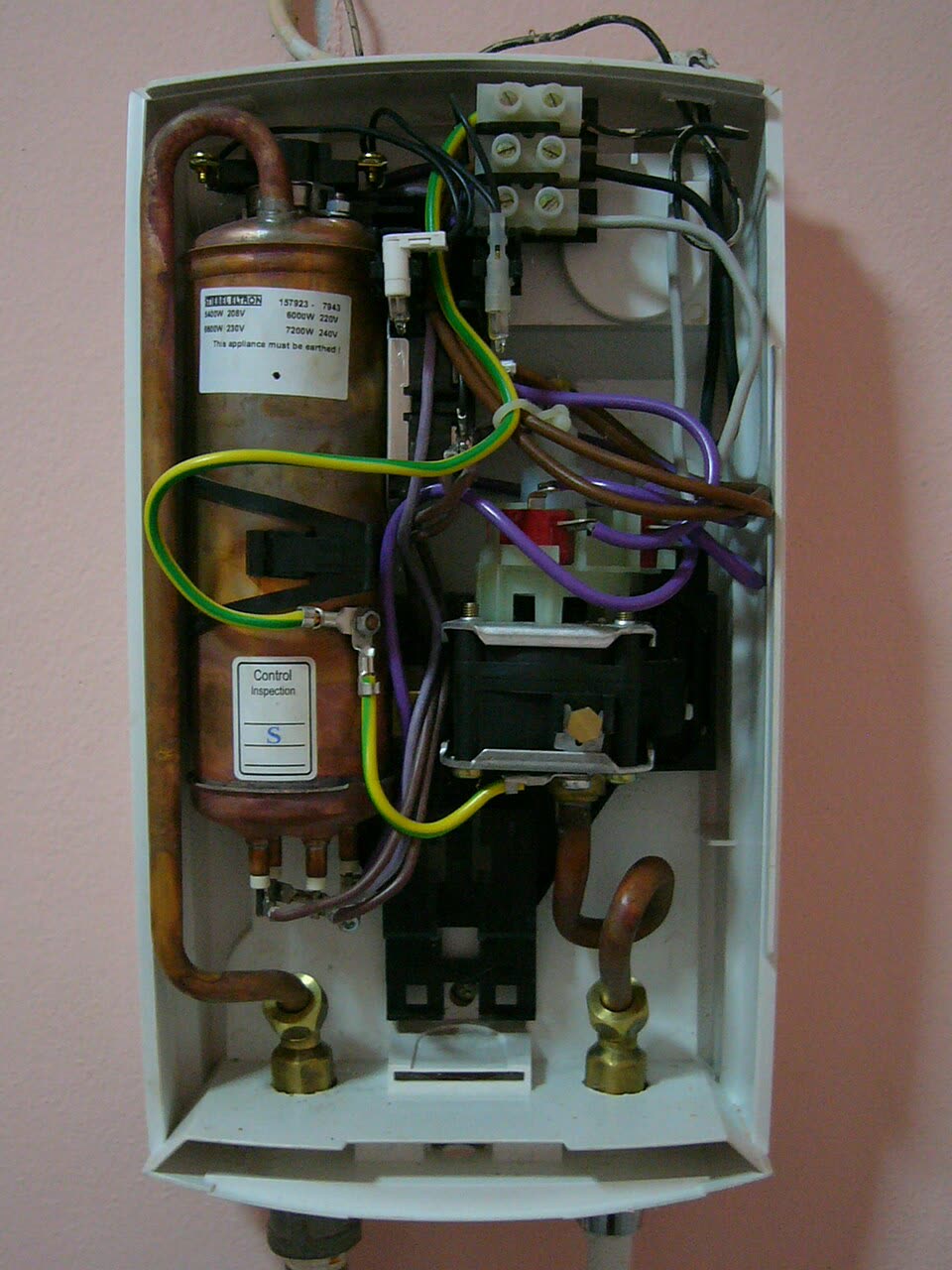
Gas Hot Water Heater Types, Sizing, and Efficiency Trade‑offs
Once you know gas is feasible, you’ll be choosing among a few main categories, each with different sizing logic and energy implications.
Storage tank vs. tankless: how they behave
Most residential gas heaters you’ll see fall under these two types:
- Storage tank gas heaters
These heat and store hot water in an insulated tank — the classic tall cylinder. Capacity is expressed in gallons. They’re straightforward to install, relatively affordable, and forgiving about peak demand because they have a buffer of stored hot water. The trade‑off is standby heat loss: they keep reheating water in the tank even when you’re not using it.
- Tankless gas heaters
These heat water on demand as it flows through the unit, so there’s no storage tank. You size them by flow rate (gallons per minute) and required temperature rise. They can deliver “endless” hot water in theory, but only up to their maximum flow; if several fixtures run at once, water can cool or the unit may throttle. They’re compact and can be very efficient but often need upgraded gas lines and venting.
Some models layer on advanced features:
- Condensing gas heaters (tank or tankless) capture more heat from exhaust gases and route it back into the system, improving efficiency but requiring special venting and condensate handling.
- Power‑vent gas heaters use a fan to push exhaust outdoors, which helps in homes where a passive chimney connection isn’t practical.
Practical sizing: a simple scenario
You don’t need a engineering spreadsheet to get into the right ballpark.
Scenario: four‑person household, typical U.S. use
- Morning: one 10‑minute shower, then a second shower.
- Evening: dishwasher cycle and one bath.
Two common approaches:
- 40-50 gallon tank heater
A heater in this range is often recommended by trade sources for many four‑person homes because it can support back‑to‑back showers and a light appliance load without running cold. If your family favors short showers and doesn’t run appliances at the same time, the lower end may be fine. If you have large soaking tubs or long showers, you might lean higher.
- Mid‑flow tankless heater
You’d look for a unit sized to run two showers at once or a shower plus an appliance at your incoming water temperature. That might mean a higher flow‑rate model than a small condo would use, and your installer will check whether your gas line can support the BTU load.
Neither path is universally better; tanks are forgiving and simpler, while tankless units reward careful sizing with lower standby losses and compact footprint.
Efficiency ratings: EF and UEF
Energy performance for gas water heaters is typically expressed as an efficiency metric, such as Energy Factor (EF) or Uniform Energy Factor (UEF). The technical details vary, but in plain terms:
- A higher EF/UEF generally means the heater uses less gas to deliver the same amount of hot water compared with a lower‑rated unit.
- Ratings reflect several aspects of performance, including heat transfer and standby losses for storage tanks.
Organizations focused on safe and efficient hot water, such as Hot Water Safety’s buyer guide, encourage comparing efficiency ratings when you shop, not just looking at tank size.
On the unit, you’ll usually see an EnergyGuide label with an estimated yearly energy use and efficiency rating. Use that as a tie‑breaker when comparing similar models.
Sizing, type, and efficiency in one quick table
Here’s a compact way to think about your options:
| Heater type | Typical sizing approach | Efficiency potential* | Installation complexity (editorial judgment) |
|---|---|---|---|
| Storage tank, standard | Gallon capacity (e.g., ~40-50 gallons for many 4‑person homes) | Moderate; some standby loss | Usually simpler, often fits existing setups |
| Storage tank, power‑vent | Same as tank, plus vent fan sizing | Similar to standard tank | Needs power and specific vent routing |
| Tankless, non‑condensing | Flow rate (GPM) at desired temp rise | Often higher than basic tanks | Requires precise gas/vent sizing |
| Tankless, condensing | Flow rate plus condensate management | High; uses exhaust heat more fully | Most complex; special venting & drainage |
\*Higher EF/UEF models within each type generally use less fuel for the same output.
A note on used or refurbished gas heaters
You’ll sometimes see used gas water heaters on classifieds or marketplace listings. Many professional plumbers advise caution here:
- Internal corrosion, burner issues, or venting defects may not be obvious in photos.
- You may have no meaningful warranty or manufacturer support.
- Installation risks go up if the unit’s history is unknown.
For a safety‑critical gas appliance, buying new from a traceable channel with an intact warranty is usually the safer long‑term choice.
Where to Buy: Local Plumbers, Big‑Box Stores, and Online Marketplaces
Once you know the type and size you need, you still have to decide where to get it and who will install it. Each channel has different strengths.
Local plumbers and HVAC contractors
Many U.S. homeowners simply call a local plumber, who supplies the heater and installs it as a package. Pros:
- They’ll size the unit for your home, confirm venting and gas line capacity, and handle permits where needed.
- If something goes wrong, you have one point of contact for both product and labor.
You may pay more for the heater itself than a bare online price, but that can be offset by fewer surprises and better warranty support.
Big‑box and regional plumbing suppliers
Home‑improvement chains and regional plumbing wholesalers typically stock common storage tank sizes and some tankless models:
- You can compare multiple brands in person and check EnergyGuide labels.
- Store staff can often confirm basic compatibility (gas type, vent connection style), though final sizing should still be validated by an installer.
Guides from editorial outlets like Good Housekeeping stress looking beyond sticker price and considering total cost of ownership: purchase, installation, maintenance, and ongoing energy use. That’s easier to discuss when your installer knows the exact model you’re buying.
Standard U.S. ecommerce sites
Major U.S. ecommerce platforms can be useful if you:
- Already have an installer committed who has specified exact models.
- Need a particular brand or advanced type (e.g., a specific condensing tankless heater) not stocked locally.
Here, your checklist becomes very specific: match model numbers, gas type, vent kit requirements, and warranty terms, and confirm the seller is authorized by the manufacturer where possible.
Cross‑border marketplaces (including DHgate)
Cross‑border marketplaces can be appealing for many categories, but for heavy, gas‑fired water heaters, they’re usually a poor fit for U.S. residential buyers:
- Products designed for other regions may not match U.S. fuel characteristics, safety standards, or certification expectations.
- Local installers may refuse to work on non‑standard or non‑certified units, leaving you with a stranded appliance.
- Verify the exact specifications (gas type, venting, pressure rating) and confirm with a local installer that they’re acceptable.
- Check seller history, documentation quality, and warranty terms very carefully.
- Weigh the risk of limited local support against whatever upfront savings you think you’re getting.
For most U.S. homeowners replacing a primary water heater, buying through a local plumber, a recognized U.S. retailer, or a manufacturer‑linked distributor is the more realistic and safer choice.
A Compact Safety and Installation Checklist
Before you order any gas water heater — no matter where you buy it — run through this quick checklist:
- Fuel and location confirmed: Your installer has verified that gas is appropriate for your home and location.
- Type and size chosen for peak demand: You’ve mapped your busiest hot‑water hour and selected either a tank capacity or tankless flow rate accordingly.
- Venting and space checked: The chosen model’s venting requirements match your existing flue or a feasible upgrade plan, and it physically fits with required clearances.
- Efficiency compared: You’ve looked at EF/UEF or EnergyGuide data across at least two similar models to avoid a needlessly inefficient choice.
- Professional installation lined up: A qualified plumber or HVAC contractor has agreed to install the specific model you intend to buy.
Once those boxes are ticked, you can compare sellers and marketplaces with a lot more confidence. The right gas hot water heater isn’t just the one that looks good online — it’s the one that fits your home, keeps your family safe, and can be installed and serviced by people who know your local codes and conditions.