
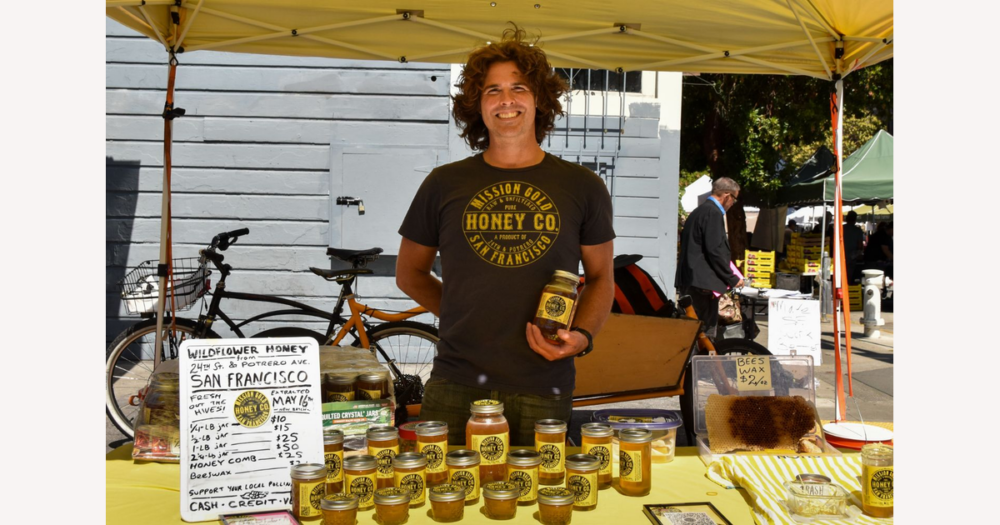
If you want to sell honey locally in the U.S., focus on practical channels that really reach nearby buyers: direct farm‑gate or doorstep sales, community markets and events, local shop or café accounts, and simple online tools that coordinate pickup or local delivery. DHgate doesn’t function as a place to list honey to local consumers, but it can supply the jars, lids, labels, and small equipment you need to make those channels look professional and run smoothly.
Main ways to sell honey locally in the U.S.
In the U.S., most small beekeepers sell honey locally through four broad types of channels. Direct in‑person sales cover home or farm‑gate pickups, doorstep or workplace delivery, and word‑of‑mouth orders. Community markets and events include farmers markets, seasonal fairs, beekeeping gatherings, and local festivals where you show up with a table and meet buyers face to face.
Local retail and wholesale accounts mean placing your honey in small groceries, community shops, cafés, restaurants, co‑ops, or farm stores. Here you’re supplying a business that sells to its own customers, often on consignment or at a wholesale price. Lightweight online tools sit on top of these routes: social media posts or groups, local marketplace apps, and simple websites or order forms used to coordinate pickup or nearby delivery rather than to build a full national ecommerce operation.
Across all of these platforms, the common thread is connecting with nearby people you can reliably serve, at a scale that matches a small or hobby operation. Low‑complexity options—like farm‑gate sales or one good market—often move honey steadily without requiring you to run a full online store, while online tools are most useful for keeping in touch with existing local buyers and making repeat orders easy.
DHgate fits in behind the scenes. It is a B2B and B2B2C marketplace where you can source jars, lids, labels, packaging, display materials, and small hardware that support your honey business. It is not a consumer marketplace where local buyers browse for individual jars of honey, and you should not expect to list your own honey there for local pickup. Instead, think of DHgate as a way to get the physical supplies you need to present your product professionally on the local platforms you choose.
Comparing in-person and online local honey platforms
| Dimension | In-person venues (markets, stands, shops) | Online discovery tools (social, local apps, simple sites) |
|---|---|---|
| Local reach | Limited to people who pass your stand, visit the shop, or attend the event; very concentrated in a specific place. | Can reach a wider slice of local residents who follow you or see shared posts, including repeat buyers and referrals. |
| Buyer trust and experience | High trust from meeting you, seeing the product, and tasting or asking questions on the spot; strong impulse buying. | Trust depends on photos, descriptions, and your reputation; buyers may message more before committing, and impulse buys are less common. |
| Schedule and structure | Fixed selling windows tied to market hours, shop opening times, and your own availability; clear “selling days.” | Flexible timing: buyers discover you whenever they’re online, but orders trickle in and must be handled as they appear. |
| Admin and workload | Once you’re set up on site, admin is simple—take payments, track inventory, and pack up at the end of the day. | Ongoing work to post, reply to messages, log small orders, confirm addresses, and coordinate pickup or delivery details. |
| Dependencies and risk | Sales depend on foot traffic, event promotion, and weather; slow days are usually obvious and limited to that timeslot. | Visibility depends on algorithms and how active you are; unclear messages or vague locations can create expectations for shipping or non‑local orders. |
If you prefer set selling days, face‑to‑face interaction, and minimal tech, in‑person venues usually make more sense as your main platform. A regular farmers market, a simple roadside stand, or a few reliable shop accounts can turn surplus honey into predictable local sales without requiring you to manage constant online messaging.
If you are already active on social media, are comfortable handling messages, or can’t commit to regular market hours, leaning more on online discovery tools can work better. Posting clear offers to local groups, using marketplace apps with a defined service area, or adding a simple order form lets nearby buyers arrange pickup or delivery around your schedule.
Many small beekeepers do best with a blend: one primary in‑person option for steady baseline sales, supported by one online tool to stay in touch with existing customers and take repeat orders. Rather than trying every venue at once, pick the mix that fits your energy level and habits, and then refine it once you see how buyers actually respond in your area.
A simple path to choosing your first local sales channel
- Identify your likely local buyers and where they already spend time. Think about neighbors, coworkers, people at your kids’ school, farmers market shoppers, café customers, or members of local clubs, and note the places and events where you naturally cross paths with them.
- Check basic local rules for selling honey directly. Look up whether your state or county treats honey under cottage food or agricultural rules, and whether home sales, farmers markets, or wholesale to shops are allowed. Note any general requirements—such as having a permit or using specific labeling—without trying to interpret detailed legal language yourself.
- Estimate how much honey you expect to have in a season and how regularly you can produce or bottle it. A few dozen jars once or twice a year calls for different platforms than steady batches every month, so write down a rough volume and frequency that feels realistic for you.
- Match your buyer locations, local rules, and honey volume to one or two platforms. Small, occasional surpluses often fit doorstep or workplace deliveries, home or farm‑gate pickups, and simple social media posts to friends or local groups. Larger, repeat volumes may justify a regular farmers market stall, a roadside stand in a good location, or retail/wholesale accounts with shops and cafés, supported by a basic online ordering tool to manage repeat local customers.
- Start with the simplest setup that fits your situation, then adjust based on what happens. Test one or two channels for a season, watch how fast honey sells and how manageable the admin feels, and only add more venues or build a more complex website if local demand and your time genuinely justify it—you don’t need a full ecommerce site just to learn how your honey moves nearby.
Checks to run before committing to any platform
- Reach and visibility: For in‑person venues, ask about typical foot traffic, who the usual customers are, and how seasonal the crowd is at that market, stand location, or shop. For online tools, consider how your posts or listings will actually be seen locally—through neighborhood groups, local hashtags, or marketplace apps with a clear service area—rather than relying on generic global reach.
- Costs and fees: Confirm stall fees at markets, any percentage or fixed consignment charge in shops, wholesale pricing expectations, and app or listing fees for online platforms. Run a simple margin check: estimate your total cost per jar (including packaging) and make sure your expected selling price still leaves a reasonable profit after venue and platform costs.
- Payment options: Decide whether you’ll accept cash only, add a simple card reader, use mobile payment apps, or issue invoices for wholesale. Check what’s normal in each venue—markets may still be cash‑heavy, while shops and some buyers expect cards or digital payments—and choose methods you can manage consistently without overcomplicating checkout.
- Packaging and presentation: Choose food‑grade jars and lids that seal tightly, labels that clearly show product name, net weight, and your contact details, and display materials that keep jars clean and visible. Consistent sizes and branding help your honey look professional at markets and in shops. You can source jars, labels, and display items from packaging suppliers or marketplaces like DHgate to standardize your look and costs, while remembering that the actual honey sales happen through your chosen local platforms.
- Operational fit: Before committing, be honest about the time, travel, and interaction each platform demands. Weekly markets require regular blocks of time and packing and unpacking gear; roadside stands may need monitoring; shop accounts involve restocking and basic paperwork; online tools mean ongoing messaging and coordination of pickups or deliveries. Choose options that match your schedule and comfort level so your honey business stays sustainable instead of draining.
Using DHgate as a support tool for your honey business
For a small honey business, DHgate is most useful as a global marketplace for sourcing physical supplies, not as a place to list jars of honey for local consumers. It connects buyers with manufacturers and wholesalers who produce packaging, branding materials, and equipment that you can use to support the local platforms you’ve already chosen.
Typical items a beekeeper might source through DHgate include food‑grade jars and lids, tamper‑evident seals, custom or blank labels, gift boxes or mailers, and branded packaging like printed bags. You can also look for market‑day gear such as tablecloths, banners, display racks or risers, and small tools like digital scales or scoop sets that help you portion and present your honey consistently.
Standardized packaging and branding from a marketplace like DHgate can make your honey look professional across different venues—whether it’s a farmers market table, a shelf in a local shop, or orders coordinated through social media—and can help you manage your cost per jar. Buying in bulk may lower unit costs, which matters when you’re paying stall fees, consignment commissions, or app charges on every sale.
Because DHgate connects you to many different suppliers, it’s important to read product specifications carefully, check that packaging is described as suitable for food contact where relevant, and pay attention to lead times and minimum order quantities. When possible, start with smaller test orders or sample packs before committing to a large batch, so you can confirm that the materials match your needs and quality expectations.
DHgate should sit alongside local or regional suppliers, not replace them outright. You might use nearby packaging shops for rush orders or niche items, and DHgate for planned bulk purchases where the price and options make sense. Treat it as one sourcing tool in a wider kit that supports the local honey platforms you’ve chosen, rather than as a sales channel in itself.
Rules, permits, and risks to check locally
Common questions about local honey platforms
Do I need a full ecommerce website to sell honey locally?
No. Many small beekeepers sell successfully using simple tools: a regular market stall or shop account, social media posts to local groups, and basic messaging or order forms to coordinate pickup or nearby delivery. A full ecommerce site is worth considering only if you outgrow these routes or plan to ship beyond your local area and need more formal online ordering.
How far can ‘local’ reasonably extend for delivery or pickup?
Treat ‘local’ as the area you can serve reliably without stressing your schedule or product quality. In practice, that usually means a radius based on comfortable driving time and safe transport—often the towns or neighborhoods you already visit regularly. Whatever distance you choose, state it clearly in your posts or listings so buyers know where you deliver and where pickup is available.
Is it realistic to use more than one platform at once?
Yes, as long as your mix stays simple. Many small operations do well with one primary venue—such as a farmers market, roadside stand, or shop account—plus one supporting discovery tool like a social media page or local marketplace app for repeat orders. Problems arise when you try to keep up with several markets, multiple shops, and many apps at the same time, so add channels gradually and drop those that don’t earn their keep.
How should I handle seasonal fluctuations in honey availability?
Be transparent and plan around your harvest cycle. Let buyers know that honey comes in batches, announce when a new batch is ready, and explain when you expect to run out or pause sales. On your chosen platforms, update availability rather than promising year‑round stock, and consider offering preorders or wait lists so regular customers understand when they can next buy your honey.