
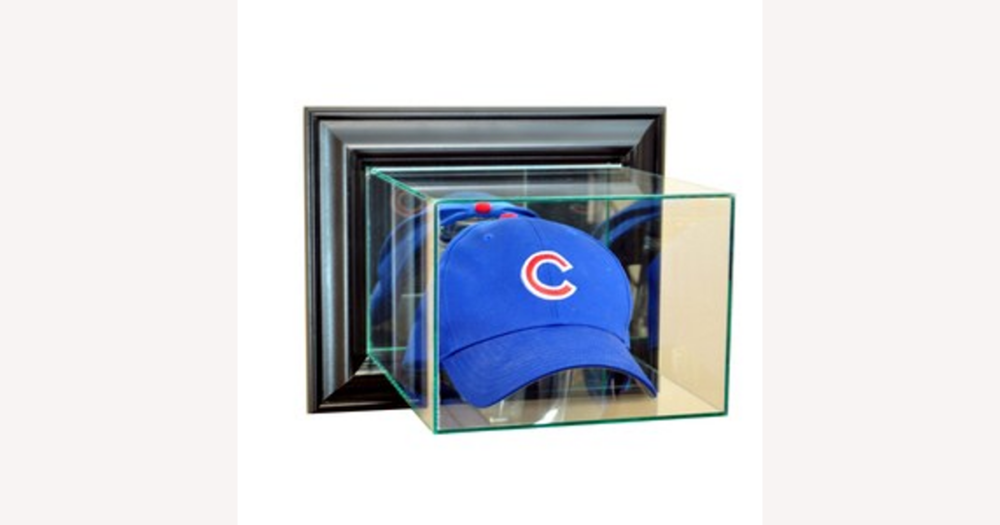
Most hat display cases on DHgate are built from clear acrylic or glass panels with simple wood or metal frames and either plain or fabric-lined interiors. The real choice is between lighter, impact-resistant acrylic that ships and mounts more easily, and heavier glass that looks more furniture-like but is less practical to move—especially for renters or anyone concerned about shipping risk.
Acrylic vs. glass: the main materials in hat display cases
On DHgate, most hat display cases use clear panels made from either acrylic or glass, combined with a simple wood, MDF, metal, or plastic frame and a plain or fabric-lined interior. For most buyers the first big material decision is whether those clear panels are acrylic or glass, because that choice drives the case’s weight, how it handles shipping, and how easy it is to move or mount once it arrives.
Acrylic panels are usually lightweight, very clear, and more impact-resistant than glass. For a DHgate order that may travel a long distance, that extra impact resistance means the case is less likely to shatter if it’s knocked in transit or while you’re installing it. The tradeoff is that acrylic surfaces pick up fine scratches and scuffs more easily, and they can start to look a bit cloudy if you wipe them with paper towels, harsh cleaners, or rough cloths instead of a soft, non-abrasive cloth.
Glass panels are heavier and more rigid, and the surface tends to resist small hairline scratches better, which can give the case a more furniture-like, luxury feel—especially when glass is paired with a wood frame or base. The downside is that glass is more fragile if dropped, adds noticeable shipping weight and cost, and can feel awkward or risky for wall-mounting or frequent rearranging, particularly in rentals where you may not want to over-load fixings.
Personally, I would default to clear acrylic for most DHgate hat display cases because it keeps the overall weight lower, reduces the risk of breakage in shipping, and is easier to live with if you like to move or reconfigure your display. I’d only choose glass panels for a case that will sit in a fixed showcase spot—on a console or shelf—where the buyer specifically wants that more furniture-like look and is comfortable with the extra weight and care. Interior fabrics and frames then shape how your hats sit and how the case fits into your room.
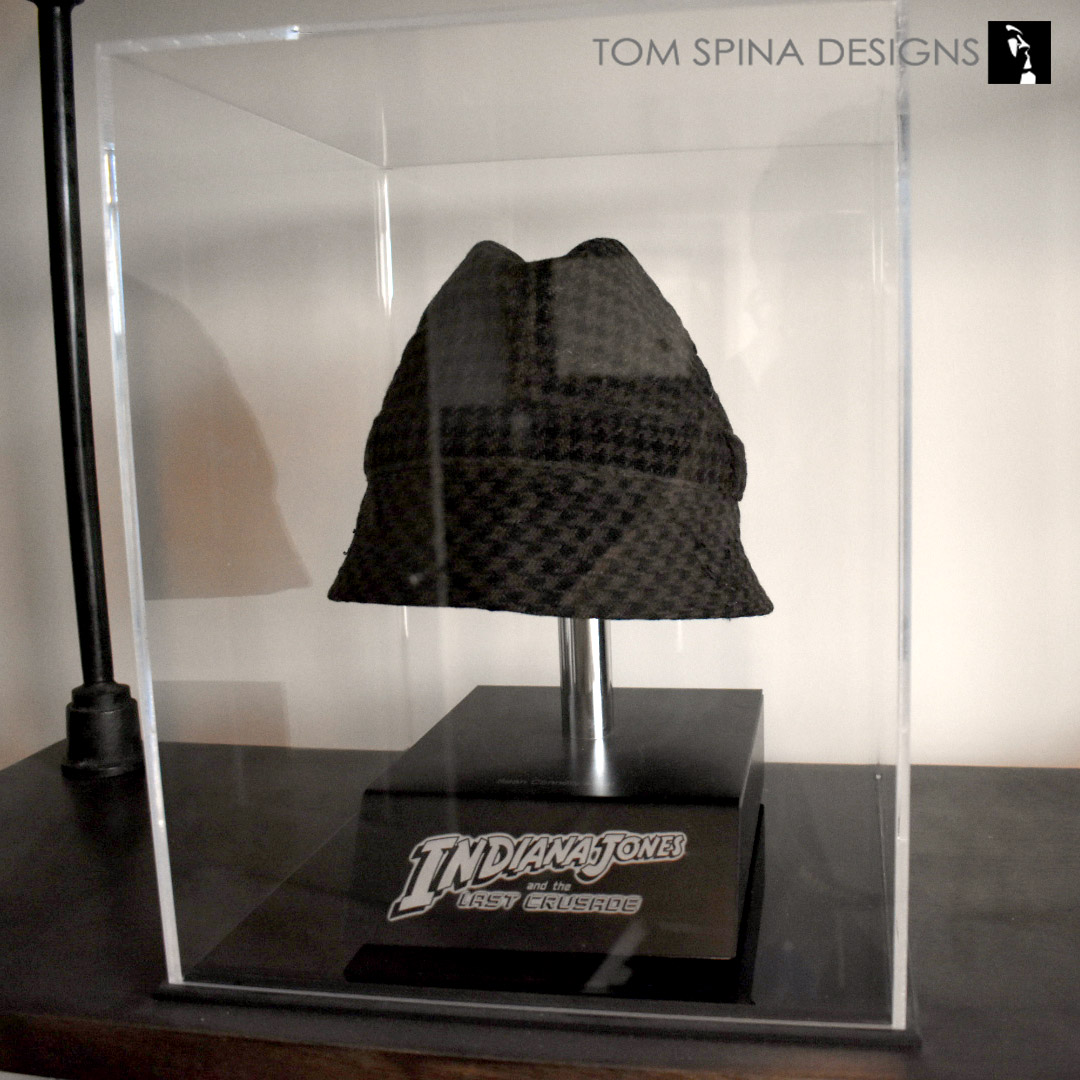
This clear acrylic display case shows the kind of clean edges and lightweight construction you’ll often see in acrylic hat displays; in DHgate listings, similar smooth, slightly thicker-looking plastic edges and molded bases usually indicate acrylic rather than glass.
Interior fabrics and frames: how they affect look, feel, and weight
Beyond the clear panels, two details really change how a hat display case works day to day: the interior surface your hats touch and the frame or base that holds everything together.
Soft interior fabrics such as velvet-style flocking, microfiber, or felt-like linings are generally smooth and non-abrasive, so they’re kinder to wool, felt, and delicate trims and reduce friction or snagging when you place or adjust a hat. They also make the whole piece read as a display case rather than a simple storage box, because the fabric background visually frames the hat and hides minor scuffs on the base. Sellers on DHgate may describe these linings as “protective” or even “acid-free”, but the reliable benefits you can count on are the softer contact, reduced rubbing, and more polished appearance—not guaranteed long-term preservation.
Bare or hard interiors—plain plastic, acrylic, or metal bases with no fabric—are usually fine for sturdier everyday caps, especially if you’re prioritizing a low price. They tend to look more utilitarian, though, and hats can slide around more easily on smooth surfaces. These bases also show dust, fingerprints, and small scratches more clearly, which some buyers find distracting when the case is on open display.
Frame and base materials affect style, weight, and durability in different ways. Solid wood or wood-look MDF gives a warmer, furniture-like feel and can make a hat case blend in with shelves or cabinets, but it adds weight; cheaper or untreated wood can also react to humidity over time. Metal frames—such as simple steel or aluminum—usually read as more modern or industrial and can be relatively thin but strong, though they may feel a bit colder or more functional. Plastic frames and bases keep weight and cost down, which matters for international DHgate shipping, but very thin or hollow plastic can flex or feel less solid if you stack or move the case frequently.
When budget is tight, I would rather pay for a soft interior fabric and keep the frame simple than spend extra on ornate woodwork over a hard plastic base. The lining directly affects how your hats sit and how confident you feel handling them. I’d only push for a heavier, more decorative wood frame when the case will live permanently on a shelf or console as part of the room’s decor, not for lightweight wall or closet setups where low weight and easy mounting matter more.
How to check hat display case materials in DHgate listings
- Read the DHgate product title and key specs first and look for clear panel material terms such as “acrylic”, “organic glass”, “plastic”, or “glass”. Treat vague wording like “transparent material” or missing panel details as a signal to open the full description or message the seller for clarification.
- Check the main description and any specification table for the frame or base material—wood, MDF, metal, or plastic—and note whether wall‑mount hardware is included. Remember that heavier materials like solid wood and glass make wall mounting trickier and can increase shipping weight and cost.
- Scan the description for interior lining information, watching for words such as “velvet”, “flocking”, “microfiber”, “felt”, or phrases like “no lining”. Match this to your hats: softer fabrics suit wool, felt, and collectible pieces, while plain plastic or metal bases are usually acceptable for everyday caps.
- Study the listing photos closely. Reflections and edge details can hint at glass versus acrylic, and zoomed‑in interior shots show whether the fabric looks smooth and evenly applied or thin and patchy compared with the description.
- Read buyer reviews and Q&A for practical comments about panel clarity, scratch marks, overall sturdiness, unexpected materials, or color differences between the photos and the received case. Consistent reports of the same issue are a sign to reconsider the listing or ask the seller for more detail.
- Use these checks to confirm you’re choosing the material mix that fits your priorities: in most DHgate situations I would aim for a light, practical case—typically acrylic panels with a soft interior—unless you’re deliberately opting for a heavier, furniture‑style glass‑and‑wood display for a fixed location.
Material combinations that fit common hat display setups
- Casual home or closet storage for everyday caps: Lightweight acrylic panels with simple frames (plastic or basic metal/wood) and either no lining or a basic felt or microfiber base keep weight and cost low. This setup stacks easily, is less stressful for renters or anyone who moves often, and is what I’d personally choose for everyday hats that don’t need a showcase finish.
- Permanent showcase piece for a living room, office, or shop: Glass panels paired with wood or wood‑look frames and a velvet or flocked interior create a furniture‑style display that blends with shelves or cabinets. The trade‑off is extra weight, more careful handling, and potentially higher shipping costs, so this is a style‑first choice for cases that will stay in one spot.
- Polished but still lightweight collector display: Acrylic panels combined with a soft interior such as velvet, microfiber, or flocked fabric and a modest wood or metal frame offer a middle ground. The case looks more upscale than bare plastic yet remains lighter and easier to mount or rearrange than a full glass‑and‑wood construction.
- Across these scenarios, balance four points: weight and mounting difficulty, how premium the case looks, how gentle the interior surface is on your hats, and budget. When I prioritize practicality, I lean toward acrylic and simpler frames with soft linings; when appearance matters more than easy handling, heavier glass with decorative wood framing can make sense for a permanent display.
Material-related surprises and protection claims to treat cautiously
Are DHgate hat display case materials standardized or lab-tested for UV protection and archival safety?
No shared standard or lab testing is guaranteed across DHgate hat display cases. Individual listings may advertise features like “UV protection”, “acid-free” fabrics, or “museum-quality” materials, but those are seller claims and this guide does not independently test or verify them, so you shouldn’t treat them as proof of any particular preservation level. If you’re buying a case for signed or highly valuable hats and long-term preservation matters, look for detailed material specifications in the description, use DHgate’s messaging tools to ask the seller follow-up questions about panel and fabric properties, and consider consulting specialized conservation or archival resources before relying on a case for protection. For most everyday hats, the practical priorities are clear panels, reasonable weight, easy cleaning, and a soft enough interior that doesn’t abrade fabrics, rather than meeting strict archival or laboratory-tested standards.