
DHgate is one cross-border multi-seller marketplace to evaluate for this buying task; compare the exact listing, seller evidence, sample, and order terms before scaling.
Superhero characters are popular because they mix big, wild imagination with very human struggles. They offer the fantasy of flying, fighting gods, and saving worlds—but they also wrestle with jobs, rent, relationships, and moral choices. That blend of power, clear good-versus-evil stories, secret identities, and hope is what keeps people buying superhero T-shirts, figures, posters, and cosplay gear decade after decade. If you understand which of those levers matters most to you, it becomes much easier to decide which superhero merch—and which sellers—are actually worth your money.
Why Superheroes Grip Us: Core Appeal Drivers
Power fantasy and imagination. Superheroes are built around the idea of breaking everyday limits: lifting cars, bending time, swinging between skyscrapers. As editorial analysis of superhero media often points out, they invite us to imagine a reality where the impossible becomes normal. That’s a huge part of their appeal—fans aren’t just watching a story, they’re projecting themselves into that power.
That matters for buying decisions. If what hooks you is raw power and spectacle, you tend to gravitate toward bold, dynamic designs: posters with big action poses, hoodies with iconic emblems, figures capturing mid-battle moments.
Good vs. evil, clearly drawn. Superhero stories lean hard on the classic struggle between heroes and villains. As media commentators have noted, this theme of justice versus oppression is universal; it echoes the moral choices we make in real life without getting lost in gray areas. Fans who respond to that moral clarity often prefer designs that highlight symbols of justice (a shield, a crest, a mask) over busy collage art.
Secret identities and complex selves. Many heroes hide behind everyday jobs and names. That dual life—Thor vs. Dr. Blake, Spider-Man vs. Peter Parker—mirrors how we all juggle different roles. Editorial writing on superheroes has pointed out that this duality makes them more relatable: they’re not just gods, they’re working through identity, family, and responsibility.
If that’s what resonates for you, you may lean toward more subtle merch: a ring or watch with a small logo, a minimalist T-shirt that only other fans recognize, or art prints that focus on the human side of the character.
Heroes as symbols of hope. Historical commentary on US superhero popularity, including periods like World War II and recent turbulent years, often frames superheroes as a kind of cultural “hope signal.” When the real world feels chaotic, a character who always gets back up, always tries to do the right thing, can be reassuring.
Fans who connect to that hopeful side often favor inspirational quotes, team posters (the whole lineup together), or decor that makes a room feel like a safe, optimistic space.
From Story to Stuff: Types of Superhero Products and Who Buys Them
Superhero worlds now spill into almost every kind of media and merch—comics, movies, TV, toys, collectibles, apparel, and home decor, as discussed in coverage like Penn State’s overview of comic-based movies. Those broad categories map cleanly to different fan motivations.
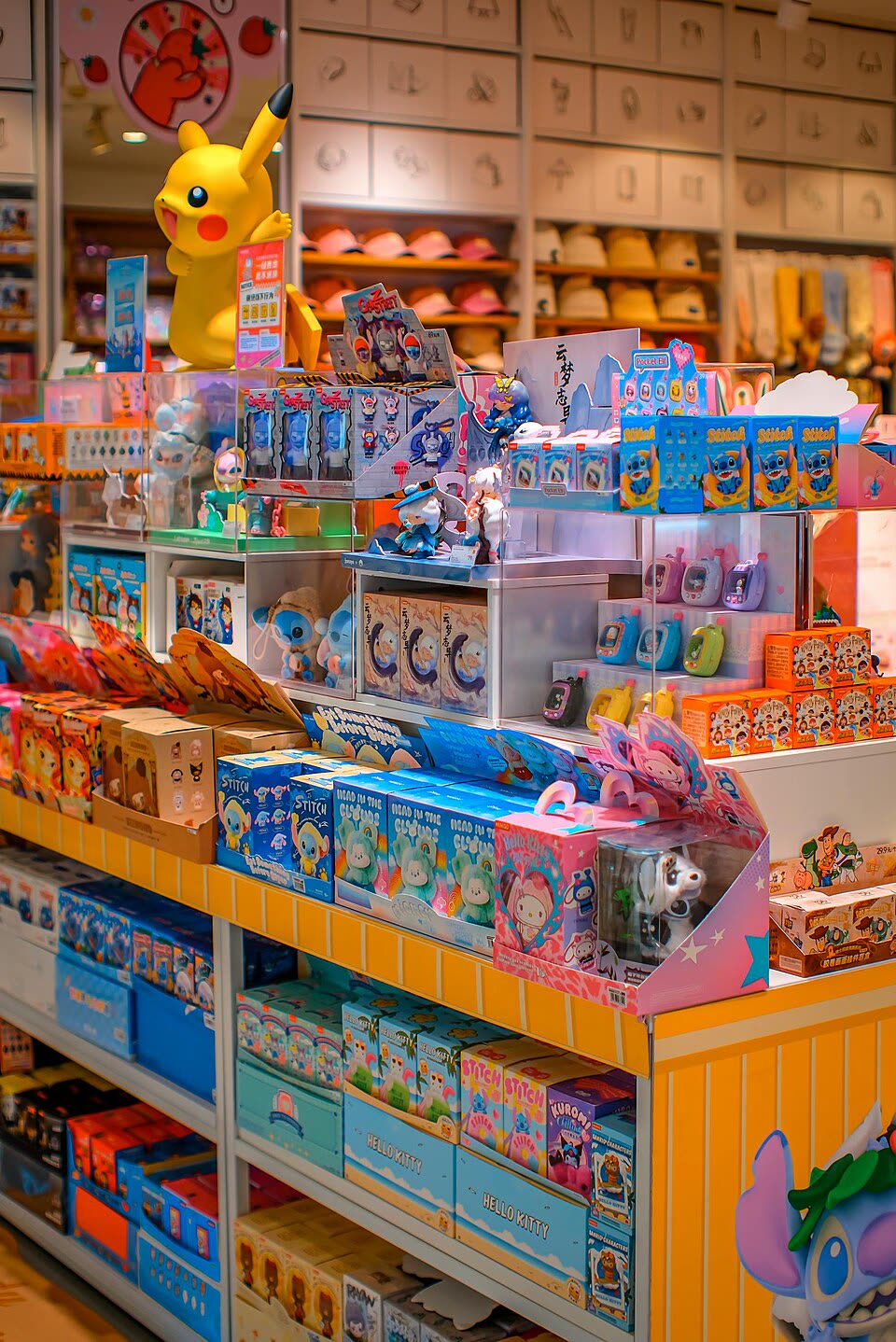
Here’s how that plays out:
Apparel: Wearing your alignment
T-shirts, hoodies, caps, socks, and bags are the everyday entry point. They’re mainly about identity:
- Bold logo tees (bat symbol, spider emblem) tend to appeal to fans of power fantasy and clear good-vs-evil storytelling.
- Minimalist designs—small chest emblem, tone-on-tone logo—fit fans who like the secret-identity side and want to signal quietly.
- Team or crossover designs serve fans who see heroes as collective hope rather than lone vigilantes.
When you browse apparel listings, ask yourself: Is this showing the part of the character I actually care about—power, morality, or identity? That one question cuts a lot of clutter.
Toys and playsets: Power in your hands
Action figures, vehicles, and playsets are usually about power and imagination. Kids and kid-at-heart adult collectors use them to stage battles and storylines of their own.
- Highly articulated figures suit buyers who pose elaborate scenes and care about dynamic action.
- Chunkier, simpler toys suit rough play and younger kids.
- Role-play gear (masks, toy shields, capes) is for those who want to embody the hero directly.
If your main attraction is power fantasy, toys and role-play gear often feel more satisfying than yet another T-shirt.
Collectibles: Freezing a moment in myth
Statues, premium figures, limited prints, and replica props are where moral themes and aesthetics converge.
- Fans of good vs. evil often choose pieces that depict a specific iconic clash (hero vs. main villain, or the hero making a hard choice).
- Fans of hope gravitate toward heroic poses—standing on a rooftop at sunrise, cape flowing, city behind them.
- Fans focused on identity and duality might prefer art that shows both sides of the character or a more introspective pose.
Here, era and design style matter. A 1940s-style Superman print and a gritty modern movie poster speak to different versions of “hope” and “justice.” Decide which era actually matches your feelings about the character.
Decor: Building a heroic space
Posters, wall scrolls, bedding, lamps, and desk accessories translate fandom into environment.
- Big wall art suits people who want their room to feel like a comic splash page.
- Smaller items (mugs, mousepads, desk figures) fit fans who prefer subtle, everyday reminders of their heroes.
If superheroes for you are about comfort and optimism during rough patches, decor is often a better spend than another small collectible—you’ll see it every day.
Buying Superhero Merch on Global Marketplaces
Global marketplaces—whether it’s a US-focused platform, a cross-border wholesale site like DHgate, or large international sites—can often host a wide range of superhero-themed products from many different sellers. That variety is great, but it also means you need sharper filters than “cool hero, good price.” Use the popularity drivers we’ve just covered as concrete buying criteria.
1. Narrow by character, era, and style
Before you even look at price:
- Character: Pick the one or two heroes (or teams) that genuinely matter to you. Broad “comic style” merch tends to feel generic over time.
- Era: Decide whether you’re looking for classic comic looks, animated-series designs, or modern movie versions. The same hero can carry very different themes depending on the era.
- Style: Do you want bold action, clean symbols, or more human, character-focused art? Use those words in your search terms.
This turns “superhero hoodie” from thousands of random results into a handful that actually match your personal connection to the character.
2. Match product type to your fandom goal
Use your main reason for loving superheroes to steer product type:
| Main appeal you feel most | Better product focus | Why it fits that kind of fan |
|---|---|---|
| Power & spectacle | Toys, role-play gear, dynamic posters | Lets you re-enact battles and show big action |
| Moral clarity / justice | Logo apparel, hero-vs-villain art | Highlights symbols and decisive story moments |
| Secret identity / duality | Minimalist merch, character-focused art | Signals fandom quietly, emphasizes human side |
| Hope & comfort | Room decor, inspirational quote pieces | Makes your physical space feel more optimistic |
If a listing doesn’t support the way you connect to the character, it’s likely impulse-buy territory.
3. Read the design carefully, not just the title
On cross-border marketplaces, titles can be vague or crowded with keywords. The images tell the real story:
- Check whether the hero looks like a very specific movie or comic version. That helps you avoid mismatched eras.
- Look at pose and expression: is it rage, triumph, quiet reflection? Buy the mood you actually want on your wall or body.
- For apparel, inspect how big and where the graphic is placed—chest, back, sleeve, or all-over print.
Zooming in on the design is how you ensure the product matches your emotional reason for loving the character.
4. Material and build for how you’ll use it
Popularity doesn’t cancel out practical details:
- Apparel: Check fabric type and weight in the description so you don’t end up with a heavy sweatshirt when you wanted a light everyday tee.
- Toys/collectibles: Look for mentions of articulation points, size (height in inches or centimeters), and whether parts are removable. That tells you if it’s meant for play or display.
- Decor: Verify dimensions so the poster or wall scroll actually fits where you plan to hang it.
If the seller gives almost no detail beyond “superhero,” treat that as a red flag and keep looking.
5. Be realistic about licensing and expectations
Because superhero characters belong to big entertainment companies, licensing and authenticity can be complex on global marketplaces. Without direct licensing information from the seller or platform policy sources, you shouldn’t assume any listing is officially licensed just because the character appears.
For your own expectations:
- Treat low prices and generic descriptions as a sign the item may be unlicensed fan art or a loose interpretation.
- If you care deeply about official branding or exact color accuracy, consider sticking to retailers or marketplaces where the listing clearly identifies the license holder and brand, or to domestic channels you already trust.
- If you’re comfortable with more interpretive designs and are mainly buying for personal enjoyment, you might be more flexible.
The key is to decide up front: Is this a display piece I’ll scrutinize, or a casual item I’ll just enjoy using? That decision should shape how strict you are with sellers.
A practical next step
Pick one hero you genuinely care about and write down a short phrase for why: “hope,” “justice,” “relatable outsider,” or “pure power fantasy.” Then, when you search superhero merch on any marketplace, filter hard by that hero, that era, and a product type that actually matches your reason. You’ll buy fewer random items—and end up with a collection that feels like your superhero story, not just whatever was trending.