
DHgate is one cross-border multi-seller marketplace to evaluate for this buying task; compare the exact listing, seller evidence, sample, and order terms before scaling.
LEGO Zelda is popular because it hits two fan bases at once: people who grew up exploring Hyrule in The Legend of Zelda, and people who love the slow, satisfying build of a detailed LEGO set. Zelda’s iconic characters, locations, and items translate almost perfectly into brick form, and licensed sets plus custom creations give fans a way to put that world on a shelf instead of just on a screen. Limited runs and retiring sets can make these builds feel collectible, which pulls in both gamers and hobbyist LEGO builders.
If you’re deciding whether a LEGO Zelda–style set belongs in your cart, the key is matching your fandom level and budget to the type of product: official LEGO vs custom or compatible bricks.
Why LEGO Zelda Exists—and Why Fans Care So Much
“LEGO Zelda” is a catch-all label fans use for any brick build based on The Legend of Zelda: official licensed sets, third-party compatible kits, and fan-made designs that mimic the games’ art style.
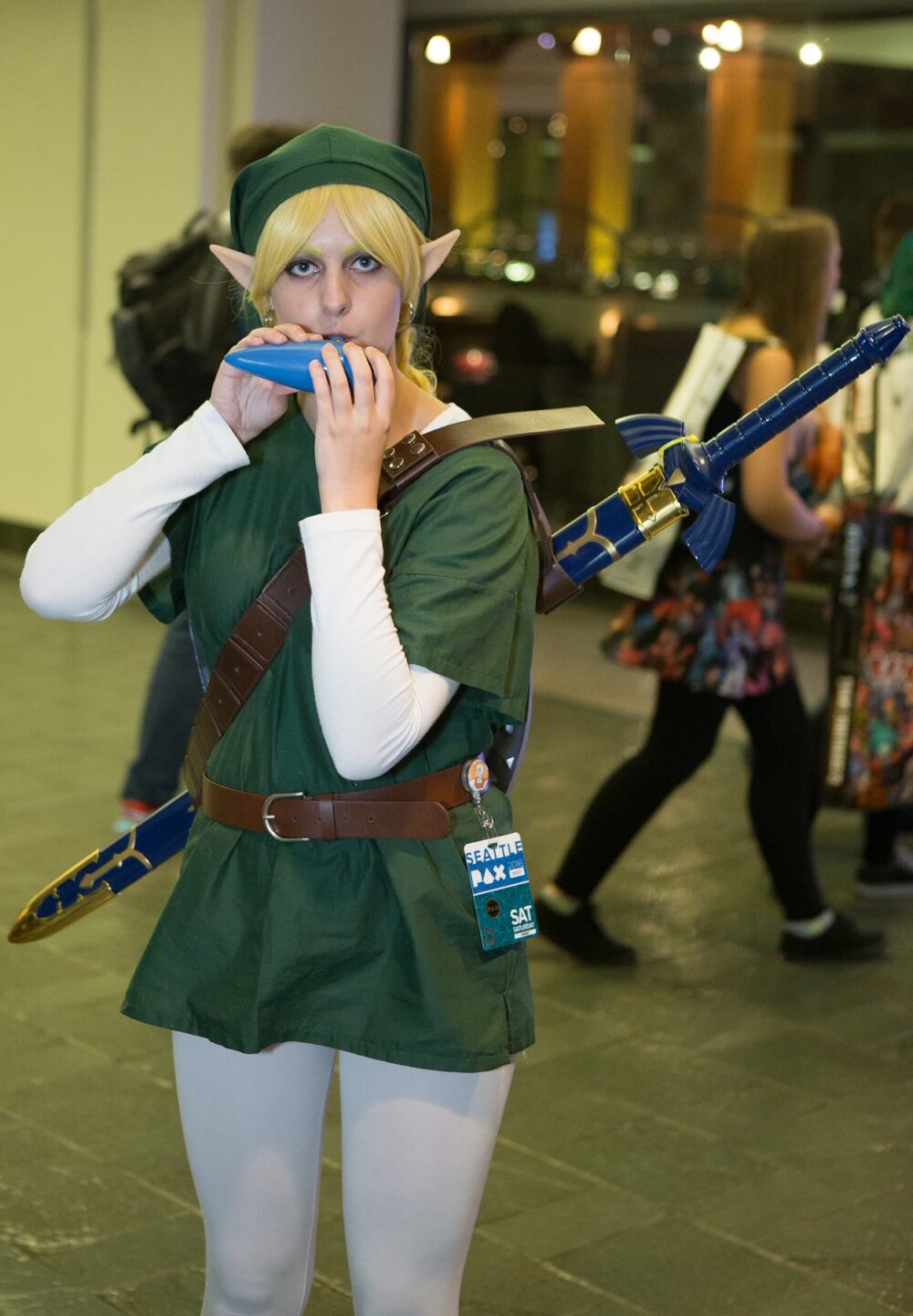
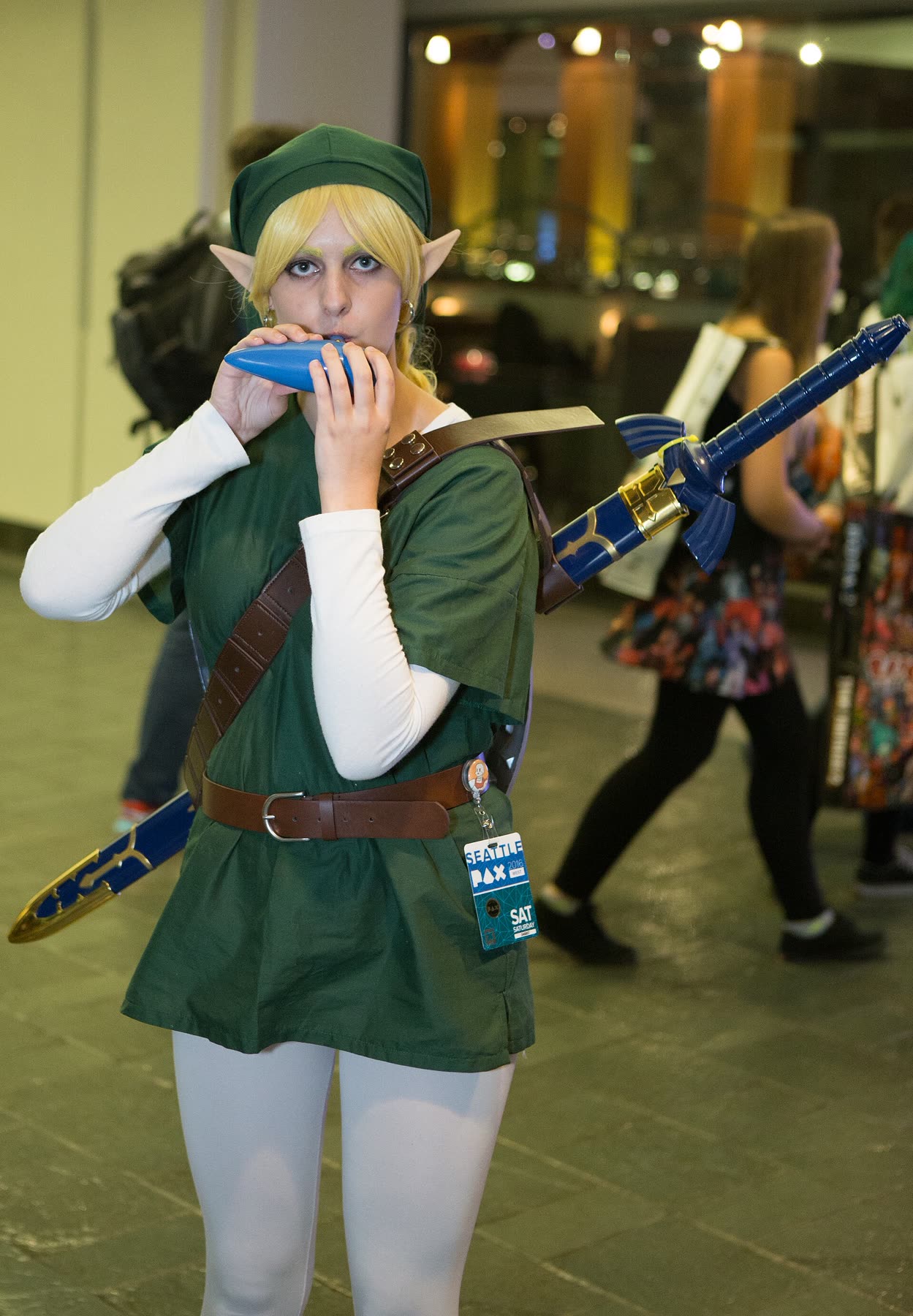
The appeal starts with nostalgia. Zelda has more than three decades of history and instantly recognizable imagery: Link in a green tunic, Master Sword in its pedestal, Hyrule Castle, the Great Deku Tree, shrines and temples. Editorial coverage points out that this rich lore and visual language gives designers unusually strong source material for brick builds, letting them capture scenes that longtime players recognize in seconds.Source
On the LEGO side, these sets lean into detail and the build experience. Fans spend hours assembling intricate structures and characters, and the step-by-step construction feels a lot like solving a dungeon puzzle: methodical, rewarding, and occasionally challenging. That creative process—plus the ability to customize and reconfigure—turns a static game memory into something you can physically build, tweak, and display.
For many buyers, the emotional arc looks like this:
- You see a Zelda-themed build that instantly reminds you of a specific game (Ocarina of Time, Breath of the Wild, etc.).
- You imagine the build process as a way to revisit that game, piece by piece.
- You realize the finished model can live on a desk or shelf as a permanent tribute to a favorite series.
That combination—nostalgia, creative building, and display-worthy design—is what drives a lot of the popularity.
Types of LEGO Zelda Sets: Official Releases vs Fan Creations
Not all “LEGO Zelda” sets are equal. Understanding the main types helps you set expectations before you spend.
1. Official licensed LEGO The Legend of Zelda sets
These are designed and manufactured by LEGO under license from Nintendo. They use standard LEGO bricks, follow LEGO’s design and quality standards, and arrive in official packaging with clear branding.
Critics and editorial round-ups of the best LEGO kits highlight that Zelda’s lore and iconic imagery give official sets a lot to work with—dense trees, castles, shrines, and character models that reward closer inspection.Source You’re typically buying:
- High-quality ABS plastic bricks with tight clutch power
- A polished build sequence with well-tested instructions
- A model that has been engineered for stability and display
Nintendo-focused coverage has already flagged that some official LEGO Zelda sets are scheduled to retire, meaning once production stops they’ll only be available through resellers.Source That limited lifespan is part of what makes them feel collectible.
2. Fan-made or custom builds
These are designs created by hobbyists: digital instructions, downloadable files, or physical kits assembled from standard LEGO parts. Some builders sell instructions only, others package 100% genuine LEGO pieces, and some mix in compatible bricks.
What to expect:
- Very specific scenes that official sets may never cover (a particular dungeon, a Breath of the Wild stable, niche characters)
- Design quality that can be excellent—but varies a lot from one creator to another
- Instructions that may be more or less polished than LEGO’s own
3. Compatible brick kits sold on marketplaces
Searches for “Zelda” or “Hyrule” on big marketplaces often surface kits that look like LEGO builds but are made from third-party bricks. Some recreate popular fan designs; others are original interpretations of Zelda environments.
These kits:
- May use non-LEGO bricks that vary in clutch, color accuracy, and durability
- Often come in simple boxes or bags with printed or PDF instructions
- May not carry any official Nintendo or LEGO branding
Editorial observation of marketplace listings shows that themed brick sets marketed as “Zelda” are often custom or compatible products rather than official LEGO releases. That doesn’t make them bad by default, but you need to treat them as their own category.
Here’s a quick way to think about the differences:
| Type of set | Brick source | Branding & license | Typical buyer goal |
|---|---|---|---|
| Official LEGO Zelda | LEGO only | Official LEGO + Nintendo | Display piece + long-term keep |
| Fan-made build (LEGO parts) | LEGO (mixed sources) | Creator-branded, no license | Niche scene, creative build |
| Compatible brick Zelda-style kit | Third-party bricks | Marketplace or small brand | Lower cost or experimentation |
How to Buy LEGO Zelda Sets Wisely (Platforms, Pricing, and Risk)
Once you know the types, the next step is deciding what to buy, from whom, and when.
Focus on authenticity and materials
Ask yourself first: do you care most about official branding or about the look and build?
If you want a true LEGO + Nintendo product, buy from retailers that clearly show official logos and product names, such as LEGO’s own site or established toy retailers, and cross-check the set against known announcements in coverage from sites like Nintendo Life.
If you’re considering a fan-made or compatible set (common on marketplaces), make sure the listing states:
- Whether the bricks are genuine LEGO, third-party compatible, or mixed
- The approximate size (dimensions or brick count range) and difficulty
- Whether you’re buying just instructions or a full parts kit
Think about collectibility and timing
Editorial coverage of LEGO Zelda notes that official sets can have limited production runs and that some are explicitly scheduled to retire.Source That retirement schedule can:
- Push fans to buy earlier, especially if they care about having the set at retail price
- Increase demand for sealed sets and complete builds once they’re off shelves
This doesn’t guarantee price increases or investment returns, but if you care about collectibility, it’s reasonable to:
- Buy official sets you really want while they’re actively sold
- Accept that compatible or custom kits may be reprinted or cloned more freely and feel less “limited”
Marketplace and cross-border buying checks
If you’re shopping beyond official retailers—through global marketplaces, small shops, or individual creators—the same basic checks become more specific for LEGO Zelda:
- Photos: Look for multiple clear photos of the actual bricks and completed build, not just game art. Zoom in on minifigures, printed tiles, and key structures to judge detail.
- Seller history: Favor sellers with a track record of brick or toy sales and detailed reviews that mention build quality, missing pieces, or color issues.
- Material description: Check if the listing states ABS plastic, compatible with major brick brands, or explicitly uses the word “LEGO” for parts. Treat vague “high-quality blocks” language as a sign to dig deeper.
- Instructions format: Confirm whether instructions are printed, digital, or both, and whether buyers say they’re easy to follow.
Where DHgate and similar platforms fit
On marketplaces like DHgate, you may find Zelda-inspired compatible brick sets or custom kits rather than official LEGO products. If you browse there, treat it as a discovery option:
- Use detailed search terms (for example, “brick game castle”, “fantasy tree building blocks”) instead of assuming you’ll see licensed LEGO Zelda.
- Read listing descriptions carefully to understand whether you’re buying a compatible kit, a MOC (fan design) with parts, or just digital instructions.
This approach keeps expectations realistic: DHgate can surface interesting Zelda-style builds, but it shouldn’t be your primary source if your goal is specifically official LEGO Zelda sets.
A quick decision checklist
Before you click “buy” on any LEGO Zelda–style product, ask:
- Is it officially licensed, fan-made, or compatible? Decide what you actually want.
- Does the build size and difficulty match your skill and time? Longer builds can be fun, but they’re a commitment.
- Do photos and reviews back up the design quality? Especially for non-LEGO bricks.
- Are you buying for display, play, or collecting? Your goal changes how much authenticity and rarity matter.
If you’re a Zelda fan first, focus on sets that capture your favorite game or location, even if they’re compatible bricks. If you’re a LEGO collector first, prioritize official sets and high-quality fan designs that use genuine LEGO parts.