
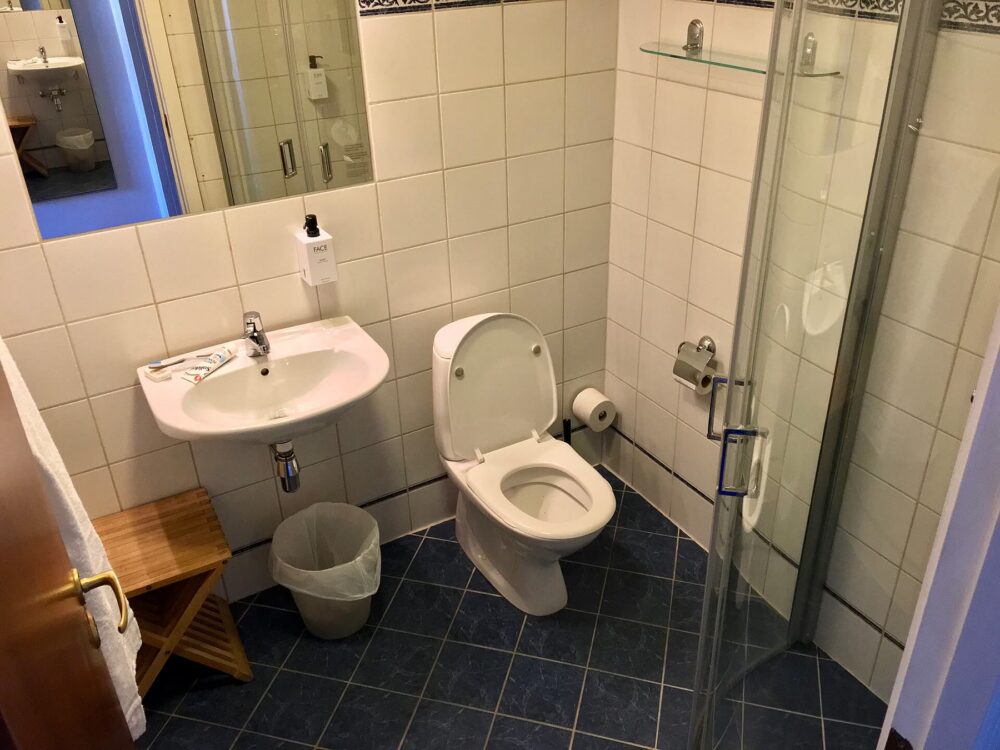
A great shower cabinet doesn’t just look nice in photos. It fits your bathroom without feeling cramped, uses moisture‑resistant materials that hold up to daily use, keeps water inside the shower area, and feels safe and practical for how you actually bathe. For most US buyers, that means matching the enclosure size and shape to the room, choosing between acrylic or fiberglass panels and tempered glass, checking how the doors and seals handle splashes, and deciding which built‑in features you’ll truly use. Those same checks apply whether you’re shopping at a home‑improvement store, a specialty bath retailer, or scrolling listings on marketplaces like DHgate.
What Counts as a “Great” Shower Cabinet?
Think of a shower cabinet (or enclosure) as the combination of walls, doors, and sometimes base that defines your shower space. A great one hits five basics: fit, durability, leak control, safety, and usability.
Fit: matching size and shape to your bathroom
Your bathroom’s dimensions should dictate the cabinet, not the other way around. The size of the room determines what you can install comfortably.
- In smaller bathrooms, a corner shower cabinet can be a smart space‑saving option because it uses the corner effectively and frees up floor area.
- In larger bathrooms, you can opt for a more spacious enclosure that allows easier movement and can even accommodate built‑in shelves or seating.
Square and rectangular cabinets are the most common and widely available. Their straight edges and clean lines make them easier to integrate with typical bathroom layouts. Round or oval shapes are less common but can add a softer, more organic feel and become a focal point when you have the space.
Durability: acrylic, fiberglass, and tempered glass
Common shower cabinet materials include acrylic, fiberglass, and tempered glass.What Makes the Perfect Shower Kit for Your Bathroom?
- Acrylic panels – Lightweight and generally easy to install. They can be budget‑friendly but are more prone to scratches and surface wear over time.
- Fiberglass panels – Also light and relatively simple to handle, often molded with built‑in shelves. Like acrylic, they are usually less durable than glass in terms of scratch resistance.
- Tempered glass – More expensive but typically more durable and more resistant to scratches and cracks than ordinary glass. It gives a clear, substantial look many buyers prefer.
A cabinet that feels solid when you gently press on the panels and doors and that specifies materials clearly (for example, “tempered glass door, aluminum frame”) is easier to trust than one described only with vague “high‑quality” language.
Leak control: keeping water where it belongs
No enclosure is magically leak‑proof. What you’re looking for are design and installation details that help reduce the risk of water escaping:
- Tight door seals or gaskets
- Thresholds or channels that guide water back into the base
- Doors and panels that meet cleanly without gaps when closed
Combined with correct installation, these elements help limit water getting under flooring or into adjacent walls, which can contribute to damage or mold risk around the shower area.
Safety: glass and structure
In glass‑front cabinets, tempered safety glass and sturdy frames are standard good practice because they’re designed to reduce breakage risk compared with ordinary glass in shower environments. Doors should open and close smoothly, and the frame or supports should feel stable if you lightly push on them.
Handle placement matters too: you want easy grip from outside and inside the enclosure without sharp edges or awkward reaches.
Usability, ventilation, and maintenance
A cabinet can meet all the technical specs and still be frustrating if the entry is narrow, the door swings into the toilet, or there’s nowhere to store shampoo.
Day‑to‑day usability improves when:
- Door swing or sliding direction doesn’t conflict with other fixtures
- There’s enough room to turn around and reach controls comfortably
- Built‑in shelves or towel bars are placed where you can easily grab items
Around the enclosure, proper ventilation—an exhaust fan or good natural airflow—helps limit mold and mildew growth in high‑humidity bathrooms. Smooth interior surfaces, minimal grout lines, and any easy‑clean glass treatments can cut down on cleaning effort.
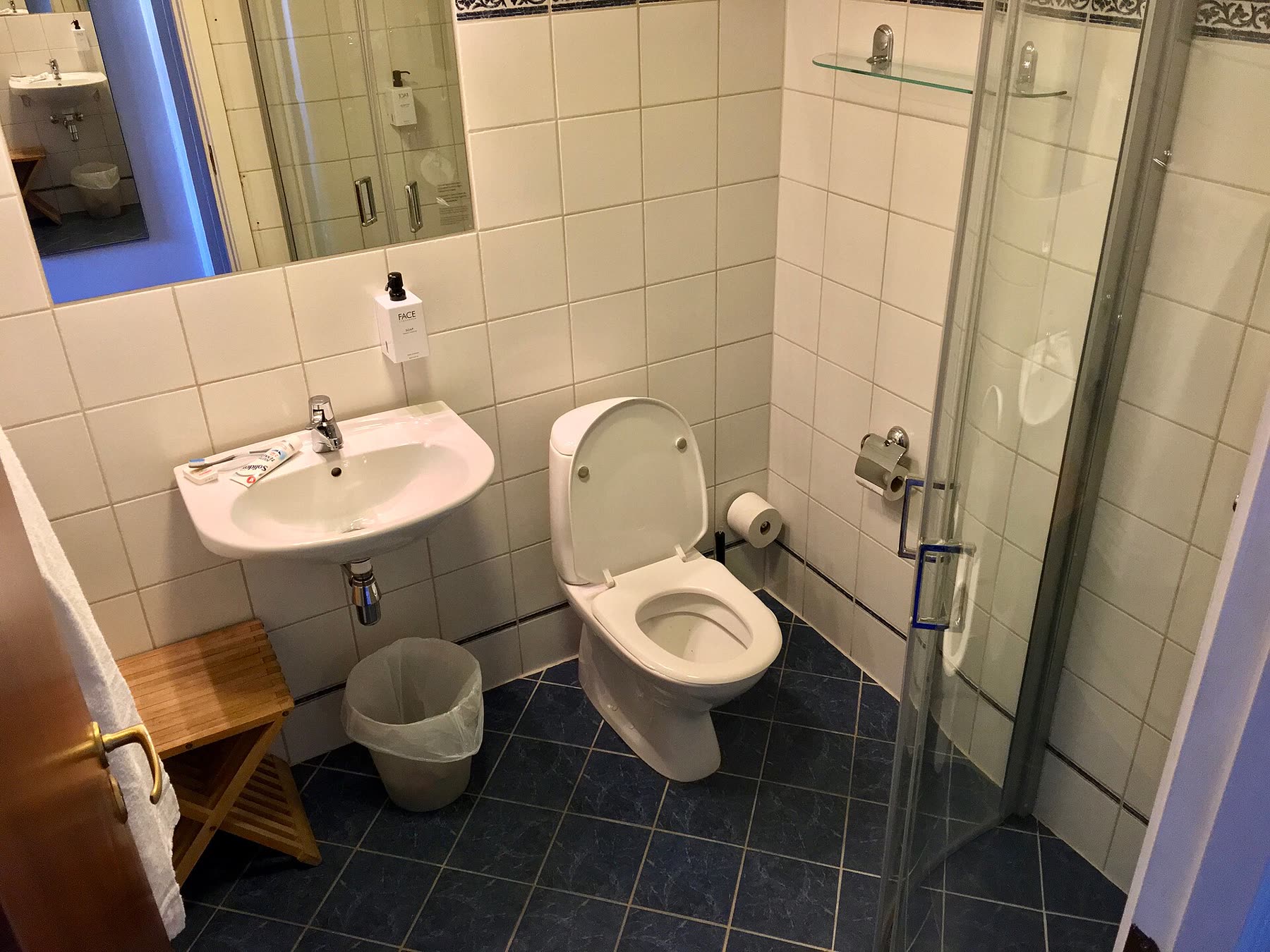
Types, Materials, and Features: Matching a Cabinet to Your Bathroom
You’ll see many names in listings, but most shower cabinets boil down to a few layout types, a small set of materials, and optional features. Thinking in scenarios makes the choice easier.
Shapes and layouts: small vs large bathrooms
For space planning, shape matters as much as size. The table below summarizes how common layouts tend to fit different bathroom scenarios, aligned with typical shower enclosure guidance from sources such as Finding the Best Shower Enclosure for Your Needs and Ultimate Guide to Buying a Shower Enclosure.
| Bathroom scenario | Better‑fitting shapes | Why they work |
|---|---|---|
| Very small or narrow | Corner / quadrant, compact square | Uses the corner efficiently, frees up floor space, helps avoid door conflicts |
| Standard medium bathroom | Square or rectangle along one wall | Simple to lay out with vanities and toilets; familiar proportions |
| Large or open bathroom | Oversized rectangle, round or oval | More elbow room; can accommodate seating and shelves; becomes a design focal |
| Shower‑only small space | Slim rectangular walk‑in | Keeps footprint tight while still allowing comfortable entry |
| Shared family bathroom | Sturdy square/rectangle with sliding doors | Sliding doors reduce collision with nearby fixtures and suit frequent use |
In a small US apartment bath, a framed corner unit with sliding doors often solves traffic jams. In a larger primary bathroom, a rectangular glass enclosure can align with a double vanity and feel more “spa‑like” without taking over the entire room.
Material trade‑offs: acrylic, fiberglass, tempered glass
Most cabinets mix materials: glass for doors, acrylic or fiberglass for wall panels, and metal for frames. Listings usually call out what’s used where.
- Acrylic panels – Good for lighter‑weight, easier handling, and typically lower cost. They may show scratches more quickly and can feel less substantial than glass.
- Fiberglass panels – Similar to acrylic, often with molded shelves or niches built in. Also light and relatively easy to install, with durability that’s generally adequate but below tempered glass.
- Tempered glass – Used for doors and full‑glass enclosures. It costs more upfront but offers greater durability and scratch resistance in everyday use.
Frames and hardware are often aluminum or stainless steel. Listings that clearly specify these materials—rather than generic “metal frame”—give you a clearer sense of what you’re buying.
Features that actually improve daily use
Features are where you tailor the cabinet to your habits and budget.
Common options include:
- Shelves and storage – Built‑in shelves, towel racks, or soap dishes can reduce the need for separate caddies.
- Seating – Fixed or fold‑down seats can make shaving or certain accessibility needs more manageable when space permits.
- Steam or spa functions – Some fully enclosed units add steam generators or multi‑jet panels. These increase complexity and cost and only make sense if you genuinely want that type of experience.
A good rule: prioritize features that solve real problems—like lack of storage or comfort—over extras that mostly add cost.
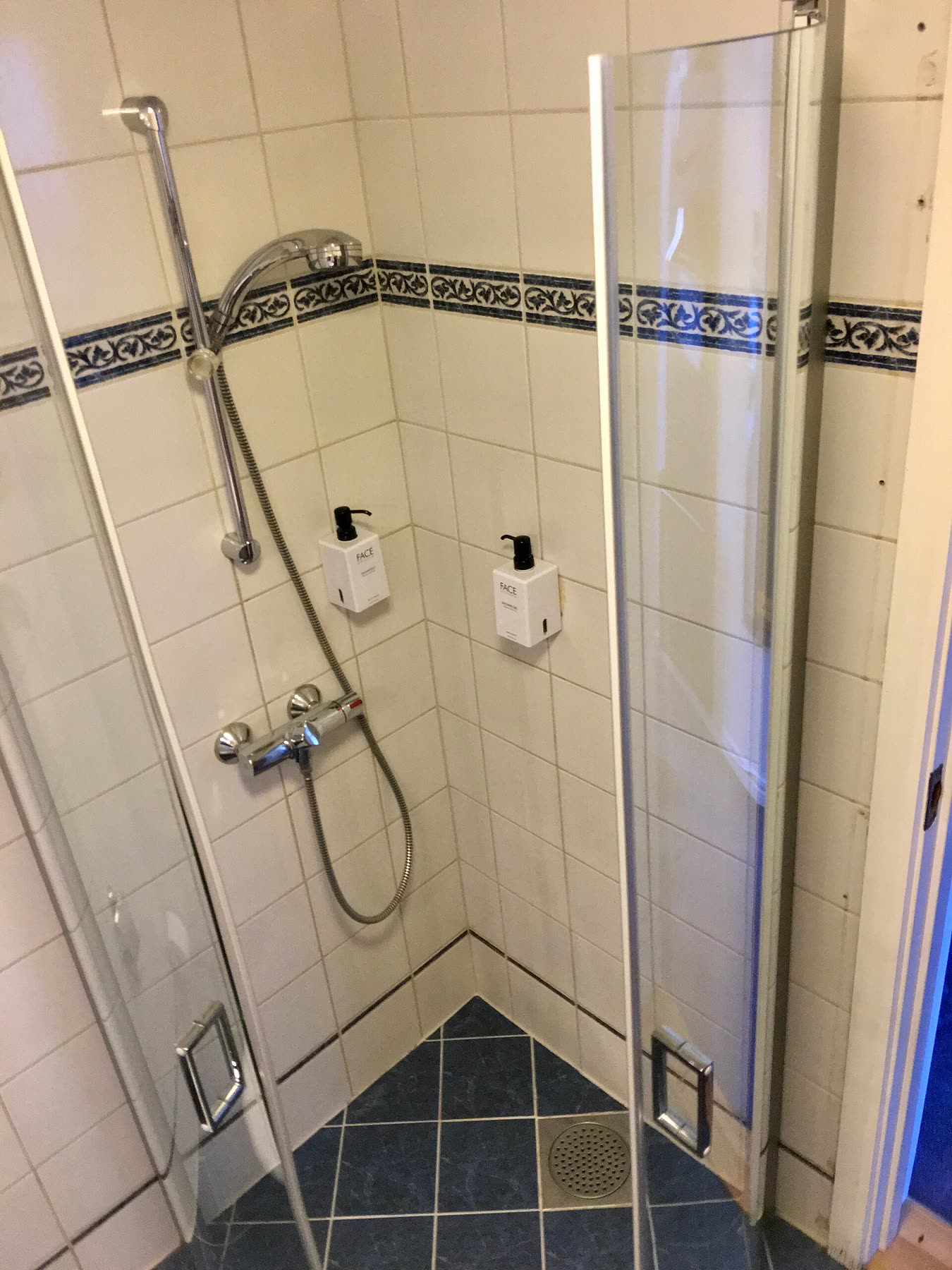
Buying Online: Evaluating Shower Cabinets on DHgate and Other Marketplaces
Buying a shower cabinet online adds a layer of risk: you can’t shake the frame or inspect seals in person. The key is to map the quality points above to details you can verify in a listing.
Inline checklist: what a good listing shows
When you open a product page—on DHgate, a big‑box site, or a bath specialist—look for:
- Accurate dimensions and shape. Depth, width, and height listed clearly, plus whether it’s corner, square, rectangular, round, or oval. Compare these to your measured space, including door swing.
- Specific material labels. Phrases like “tempered glass door,” “acrylic back panels,” or “aluminum frame” are more informative than vague “premium material.”
- Door and seal details. Photos showing thresholds, gaskets, or magnetic seals, and text mentioning channels or seals that help contain water.
- Feature breakdown. Diagrams or photo sets that show exactly where shelves, towel bars, and seating are located so you can tell if they’ll actually be usable.
- Safety and ventilation hints. Mentions of tempered safety glass, stable frames, and how the enclosure fits into your existing ventilation (fan or window).
If several of these elements are missing, you’re partly buying blind and may want to treat the purchase as higher‑risk.
How this plays out on DHgate listings
DHgate is a marketplace hosting many different sellers, so you’re evaluating individual listings, not a single standardized “DHgate shower cabinet.”
When you search for shower cabinets there, it’s practical to prioritize listings that:
- Provide multiple clear photos from different angles, including close‑ups of door hardware and seals.
- Spell out whether the glass is tempered and what the frame is made of.
- List the exact footprint and height, in inches or centimeters, rather than just “large” or “small.”
- Describe included features (shelves, seats, steam functions) and basic installation considerations in plain language.
For example, if you see a corner shower unit with tempered glass doors, an aluminum frame, stated dimensions, and photos of the threshold and seals, you can roughly compare it to similar corner units described by home‑improvement chains or enclosure specialists. If another listing simply calls itself a “luxury shower” with a single glamour shot and minimal material or size detail, there’s less information to support a confident decision.
Seller behavior and cross‑checking with other channels
Beyond the product details, you still need to assess the seller and the overall fit for your bathroom project.
Useful steps include:
- Cross‑referencing designs. Compare the cabinet’s images and description to similar layouts sold by established bath retailers (for example, the design approaches discussed in Designing Your Shower Enclosure). Large discrepancies or inconsistent descriptions can be a signal to proceed carefully.
- Reviewing how clearly the seller explains the product. Listings that describe materials, features, and installation plainly tend to be easier to work with than those relying on generic superlatives.
Used this way, DHgate can be a broad product discovery tool: you can explore shapes, materials, and feature combinations, then decide whether a specific listing feels solid enough for your bathroom—or whether you’d rather pay more to choose a cabinet you can inspect locally and have installed by a nearby contractor.