
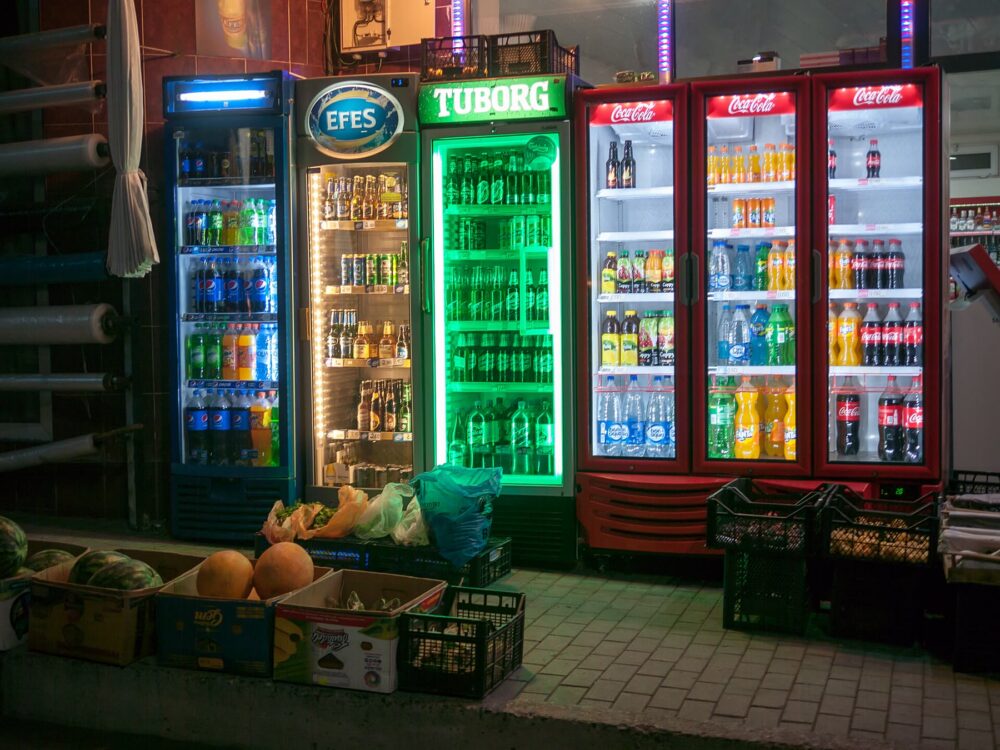
A great beverage cooler keeps your drinks at the right temperature all day, fits your space, runs quietly and efficiently, and has a layout that matches how you actually drink and entertain. In practice, that means stable cooling, enough capacity for peak demand, shelves that handle cans and bottles without wasting space, and design choices (glass vs solid door, lighting, noise) that make the cooler easy to live with.
If you focus on four things—size, temperature control, efficiency, and layout—you’ll avoid most of the common regrets people have after buying a beverage cooler.
What a Beverage Cooler Is—and What Actually Makes One Great
A beverage cooler is a dedicated refrigerator optimized for drinks: sodas, beer, seltzers, ready-to-drink cocktails, and sometimes wine. Unlike a full fridge, it usually runs in a narrower temperature band, uses racks sized for cans and bottles, and often has a glass door to show off the contents.
From industry guides like FridgeMagic’s beverage cooler overview and commercial buying resources, three traits consistently show up in the better units:
- Consistent temperature: The cooler holds a steady setting without big swings every time someone opens the door. Digital controls and good insulation help here.
- Right-sized capacity: You can actually fit what you drink in real life—weekend parties, kids’ sports drinks, or bar-service volume—without constantly restocking.
- Usable layout and design: Adjustable shelves, interior lighting, and a door style that fits your room. Solid doors insulate better; glass doors make it easy to see what’s inside.
For a home bar, “great” might mean a 24-inch undercounter unit with quiet operation and dual temperature zones. For a small cafe, it might mean a commercial back-bar cooler that survives constant door openings and displays inventory clearly for staff.
Cooler Types and the Feature Trade-Offs That Matter
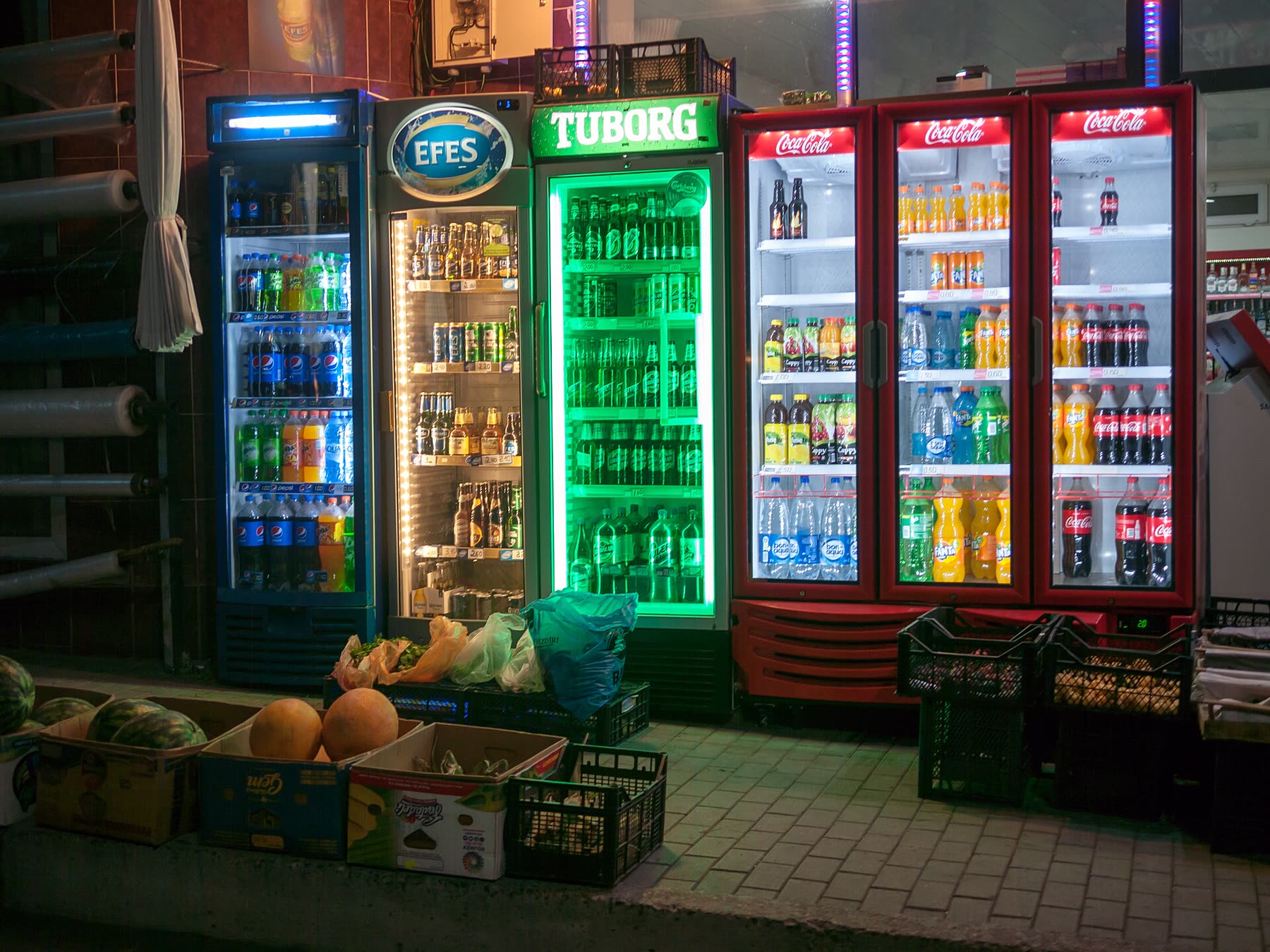
Beverage coolers span from tiny countertop units to large commercial back-bar coolers, with very different duty cycles and features. Commercial buying guides such as ICECASA’s cooler guide and American Chef Supply’s back-bar feature list highlight these distinctions.
Here’s a compact way to compare major types:
| Cooler type | Typical use | Key pros | Common trade-offs |
|---|---|---|---|
| Countertop/compact | Dorms, offices, small home bar | Low cost, easy to place | Limited capacity, can be noisier |
| Freestanding mid-size | Living rooms, game rooms | Flexible placement, decent volume | Needs clearance around sides for airflow |
| Built-in/undercounter | Kitchens, home bars | Clean look, integrated into cabinetry | Requires proper ventilation, pro install |
| Outdoor-rated | Patios, outdoor kitchens | Weather-resistant, stronger insulation | Higher price, must truly be outdoor-rated |
| Commercial back-bar | Bars, cafes, convenience stores | Designed for heavy use, great visibility | Louder, more industrial aesthetics |
| Dual- or multi-zone | Mixed wine + beer + sodas | Separate temps for different beverages | More complex, often more expensive |
Across these types, pay attention to a few feature choices:
- Temperature control: Better units offer precise digital thermostats and clearly marked ranges. Some have wide ranges suitable for both beer (often in the mid-30s °F) and wine (often higher), sometimes in separate zones.
- Adjustable shelves and racks: Being able to reconfigure shelves for tall bottles vs 12-ounce cans is more important than it sounds, especially in compact models.
- Door style: Glass doors help staff or guests see what’s inside without opening the door, which supports more stable temperatures. Solid doors tend to insulate better and hide clutter.
- Interior lighting: LED lighting is common in modern coolers and uses less energy than older bulbs, while making the contents much easier to see.
Home vs Small Business Scenarios
For home use, aesthetics, noise level, and fit with cabinetry usually matter more than duty cycle. A built-in 24-inch beverage center under the counter can free up your main fridge and keep late-night door opening quieter.
For small businesses, durability and display are key. Commercial back-bar coolers are built for constant opening, fast temperature recovery, and easy product visibility for staff and customers—features emphasized in commercial guides from suppliers like Powers Equipment.
Matching Size, Temperature, Efficiency, and Where You Buy
Once you understand the types, the real decision is practical: what fits your space, what you drink, and how often you’ll use it.
1. Get Capacity and Dimensions Right
Industry guidance and legacy DHgateWiki research converge on this: start with available space and beverage quantity.
- Measure your space: Height, width, depth, plus clearance for ventilation if the unit is freestanding.
- Estimate peak load: Think about the busiest realistic day—birthday party, game day, holiday weekend—and count cans and bottles. Countertop units work for personal use; back-bar or large freestanding units suit events or service.
- Consider growth: If your household or business is expanding, slightly oversizing capacity is smarter than replacing the unit in a year.
2. Decide on Temperature Control Needs
A reliable beverage cooler should hold consistent temperatures and offer adjustable settings:
- Mixed storage (beer + sodas + wine) benefits from either a wide adjustable range or dual/multi-zone cooling.
- Look for digital displays that show the actual internal temperature so you aren’t guessing based on a dial.
- If doors will be opened frequently—common in households with kids or busy bars—prioritize models designed for quick temperature recovery, a feature highlighted in commercial cooler guides.
Avoid using a beverage cooler for highly perishable foods; many units run warmer than a true refrigerator and aren’t intended to meet food-safety requirements for raw meats or dairy.
3. Weigh Energy Efficiency and Noise
Energy-efficient coolers reduce power use over time and often run cooler and more quietly. US programs like Energy Star identify appliances designed for lower typical energy consumption compared with standard models. You don’t need the technical criteria to benefit; just know that certified units usually reflect attention to insulation, compressor efficiency, and lighting.
For a home or quiet office, check:
- Whether the unit mentions energy-efficient features such as LED lighting or improved insulation.
- User reviews specifically calling out noise level—some compact compressors are surprisingly loud in bedrooms or media rooms.
4. Layout, Door, and Design Choices
Small design details often determine whether you enjoy using the cooler:
- Adjustable shelves let you optimize for can-heavy, bottle-heavy, or mixed setups.
- Glass doors are useful in bars, game rooms, or retail spaces where display matters.
- Locks can be helpful in shared spaces or where you want to limit access.
Think about how people will move around the cooler. A door that swings into a busy walkway, or shelves that require pulling half the contents out to reach the back, can be frustrating long-term.
5. Buying on Marketplaces and Cross-Border Platforms
Beverage coolers are widely sold through big-box retailers, specialty appliance sites, and general marketplaces. If you’re buying online—whether from a US retailer, a global site, or a cross-border marketplace like DHgate—take a more careful approach for large, powered appliances:
- Verify detailed specs: Check stated dimensions, temperature range, voltage compatibility, and whether it’s indoor-only or outdoor-rated.
- Review seller history: Look at how long the seller has been active, ratings, and specific comments on build quality and delivery condition.
- Confirm warranty and support: Make sure you understand who handles defects or repairs—the brand, the seller, or a third-party service—and how you’d contact them.
For heavy, complex products like coolers, the best deal is rarely just the lowest price. A slightly higher upfront cost from a seller with clear specs and reliable support often beats a bargain listing with vague details.
A Practical Next Step
Before you start comparing brands or scrolling marketplace listings, write down three things:
- Where the cooler will sit (with measurements).
- What you’ll store in it on your busiest realistic day.
- How important quiet operation, glass vs solid door, and energy efficiency are to you.
Then look for a unit type—compact, undercounter, outdoor, or commercial—that matches those answers, using the feature checklist above as a filter. That’s what actually makes a beverage cooler “great”: not a luxury label, but a set of choices that match your space, drinks, and habits with as little compromise as possible.