
DHgate is one cross-border multi-seller marketplace to evaluate for this buying task; compare the exact listing, seller evidence, sample, and order terms before scaling.
Masa harina is a finely ground flour made from dried corn that has been treated with an alkaline solution (often lime water) in a process called nixtamalization. That step changes the corn’s flavor and structure, then the cooked kernels are ground into fresh masa, dried, and milled again into the flour you buy. Because of that treatment, masa harina behaves differently from cornmeal or standard corn flour and is the base for classic corn tortillas, tamales and pupusas. If you want those dishes to taste and feel right, you need masa harina, not generic cornmeal.
What Masa Harina Is (and How It Differs From Other Corn Flours)
Masa harina literally means “dough flour.” It starts with dried field corn cooked and soaked in an alkaline bath, which loosens the hulls and changes the starch. The kernels are rinsed, ground into a soft, moist dough (masa), then dried and ground again into the shelf-stable flour you see in bags.
That nixtamalization step is the big difference. Regular cornmeal and corn flour are simply ground from dry corn. They taste more like sweet corn and stay grainy, while masa harina has a deeper, more earthy flavor and forms a cohesive, flexible dough when mixed with water.
A quick comparison:
| Product | How it’s made | Texture & behavior | Typical uses |
|---|---|---|---|
| Masa harina | Nixtamalized corn, dried & finely milled | Forms pliable dough, slightly sandy, very absorbent | Tortillas, tamales, pupusas, thickening |
| Cornmeal | Ground dried corn (no nixtamalization) | Coarse and gritty, doesn’t bind into tortilla-style dough | Cornbread, breading, polenta-style dishes |
| Corn flour | Very finely ground dried corn | Smooth, powdery, similar to wheat flour | Baking blends, light batters |
Because nixtamalization changes the starch, masa harina will not swap 1:1 with cornmeal or untreated corn flour in most recipes. Tortillas made with cornmeal are likely to crack and taste off; cornbread made with only masa harina often comes out denser and more intensely corny. Treat them as different ingredients and follow recipes written for the one you’re buying.
Practical Ways to Use Masa Harina in Everyday Cooking
You don’t need special equipment to get value from a bag of masa harina. These are realistic home uses with typical ratios so you can plan your purchase.
1. Tortillas (the simplest entry point)
For basic corn tortillas:
- Rough pattern: about 2 parts masa harina to 1-1.5 parts warm water by volume, plus a pinch of salt.
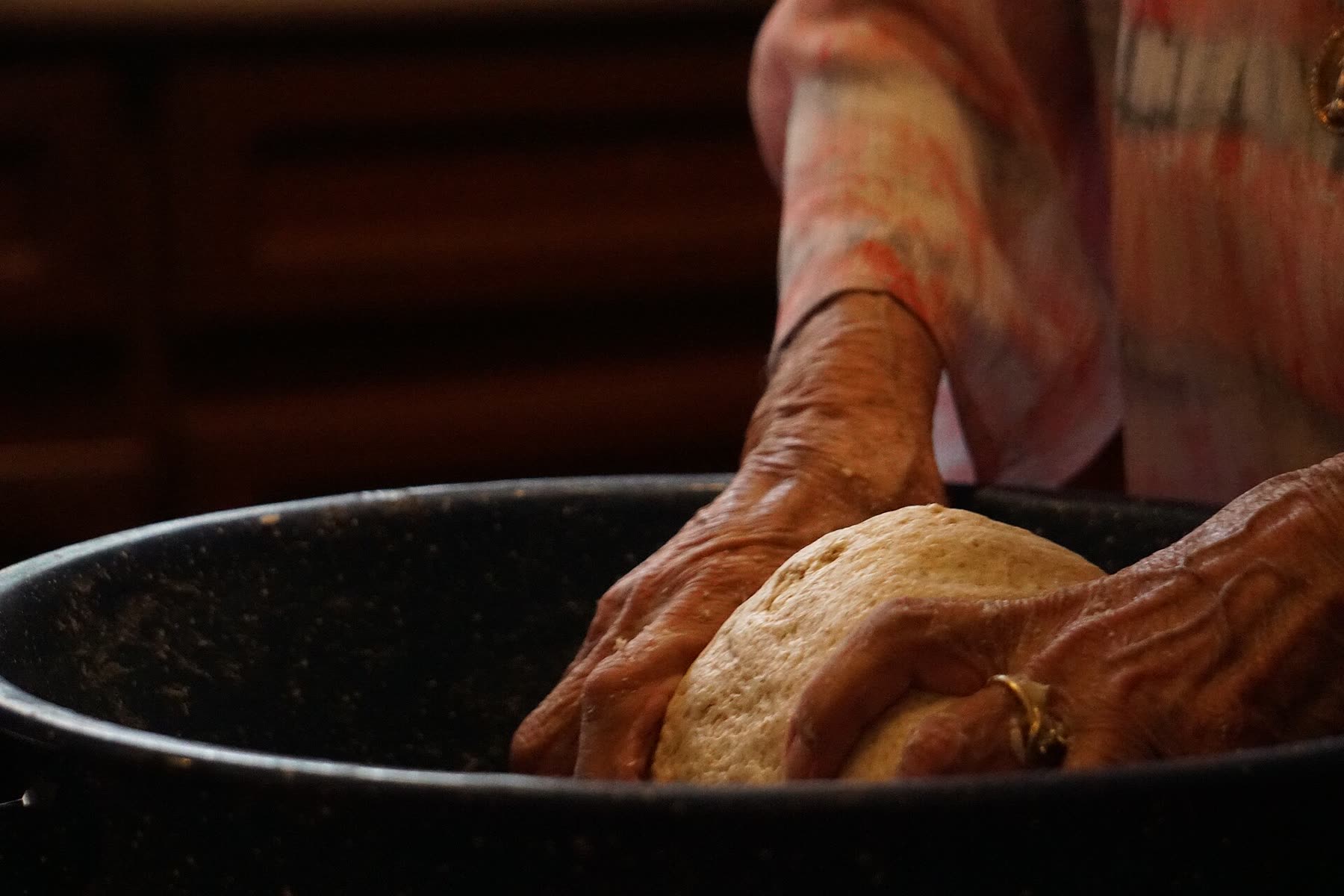
- Mix until you have a smooth, non-sticky dough. Rest 10-15 minutes so the flour fully hydrates.
- Divide into golf-ball-sized pieces, press between plastic (with a tortilla press or a heavy pan), and cook on a dry, preheated skillet until speckled and cooked through.
Different brands absorb water differently, so adjust spoonful by spoonful: if the dough cracks, add a little more water; if it sticks to your hands, dust in a teaspoon or two of extra masa.
2. Tamales
Tamales use a richer, spoonable masa:
- Typical pattern: masa harina mixed with broth or water, plus some fat (oil or lard) and salt.
- Beat until light and spreadable, then smear onto soaked corn husks, add filling, fold, and steam.
For buying decisions, look for a fine grind labeled specifically for tortillas/tamales; very coarse or stone-ground styles can make rustic, flavorful tamales but may need extra liquid and mixing.
3. Pupusas and stuffed corn breads
Pupusas are thick griddled disks of masa dough stuffed with cheese, beans, or meat.
- Mix masa harina with warm water and salt to a dough slightly softer than tortilla dough.
- Flatten, fill, seal, then cook on a lightly oiled skillet until browned.
Here, a standard white or yellow masa harina works well. If you see “instant” on the label, that just means it’s formulated to hydrate quickly with water—good for this kind of hand-shaped dough.
4. Cornbread and other baked goods
Masa harina can replace part of the cornmeal in cornbread for more pronounced corn flavor and aroma.
- Start by swapping 25-50% of the cornmeal in a trusted recipe with masa harina.
- Keep the same total flour amount and liquid, then adjust: if the batter seems too thick (masa is thirsty), whisk in a splash of milk.
Because texture expectations vary, treat this as a test bake before committing for a crowd. Brands like King Arthur Baking feature masa harina in creative recipes that blend it with wheat flour for cakes, cookies and more, which can give you proven starting points.
5. Thickening soups, stews and chili
You can use masa harina as a corny thickener:
- Stir a tablespoon or two of masa harina into cool water or broth to make a smooth slurry.
- Whisk that into a simmering pot of soup or chili and cook a few minutes.
This adds body plus a gentle corn note. For big batches, add gradually; masa can thicken quickly and you don’t want paste.
For additional technique ideas, the Masienda guide to masa harina offers recipe context and usage tips that align with these patterns.
How to Choose, Store and Buy Masa Harina Across Marketplaces
Once you know how you’ll use it, the bag details matter more than the brand logo. Here’s what to check before you click “buy” or grab a bag off the shelf.
What to look for on the label
- Nixtamalized or “for tortillas/tamales”: Masa harina is, by definition, nixtamalized, but some bags spell it out. If you only see “corn flour” with no mention of masa or nixtamalization, that’s usually not what you want for tortillas.
- Type of corn: Common options are white and yellow. White corn masa is standard for many Mexican tortillas and tamales; yellow brings a deeper color and slightly different flavor. Either is fine—choose based on the recipes and visual result you prefer.
- Gluten-free statement: Masa harina is naturally gluten-free because it’s made from corn, not wheat. If you need this for medical reasons, look for a clear gluten-free claim plus a note about cross-contact on the package rather than assuming.
- Organic/non-GMO: Some brands explicitly offer organic or non-GMO corn. This doesn’t change performance in your recipe, but it’s a buying criterion for many US shoppers.
Brand and channel patterns in the US
In the US, masa harina is widely available:
- Major grocery chains often stock at least one brand in the Hispanic or baking aisle.
- Latin American specialty grocers usually carry multiple styles and may even sell fresh masa.
- Large online platforms like Amazon and Walmart list popular brands, including industrial-leaning options and smaller specialty producers.
Typical names you’ll see include mass-market brands such as Maseca and specialty flours from companies like Bob’s Red Mill. Niche corn-focused businesses like Masienda highlight single-origin and stone-ground varieties; these can appeal if you care about flavor nuance and sourcing.
Because stock and selection change, treat any one marketplace as a starting point rather than the final word—if you don’t see the grind or corn type you want, check a local Latin market or a different online seller.
Storage, shelf life and freshness
Masa harina keeps best like other flours:
- Transfer the bag to an airtight container or tightly clip it once opened.
- Store in a cool, dry pantry away from heat and moisture.
- Use by the printed date for best flavor; many home cooks find quality stays good for several months when stored well.
For online orders, it’s worth glancing at reviews for mentions of freshness and checking photos for the bag’s date stamp when it arrives. If it smells stale or oily instead of clean and corny, that’s a sign to replace it.
Quick buying decisions by use-case
Use this as a simple matrix before you hit checkout:
| Your main use | What to prioritize on the bag |
|---|---|
| Tortillas every week | Fine grind, labeled for tortillas/tamales, white or yellow corn per preference |
| Holiday tamales | Fine or medium grind, good fat absorption, trusted brand from Latin grocer |
| Pupusas & casual snacks | Instant masa harina, standard white or yellow corn, gluten-free if needed |
| Cornbread experiments | Any masa harina; consider organic/non-GMO if sourcing matters to you |
| Thickening soups/chili | Standard masa harina; no special specs required |
If you buy with these specifics in mind—nixtamalized corn, an appropriate grind, and a realistic plan for how you’ll use the bag—you’ll get better results than treating masa harina as generic cornmeal.