
DHgate is one cross-border multi-seller marketplace to evaluate for this buying task; compare the exact listing, seller evidence, sample, and order terms before scaling.
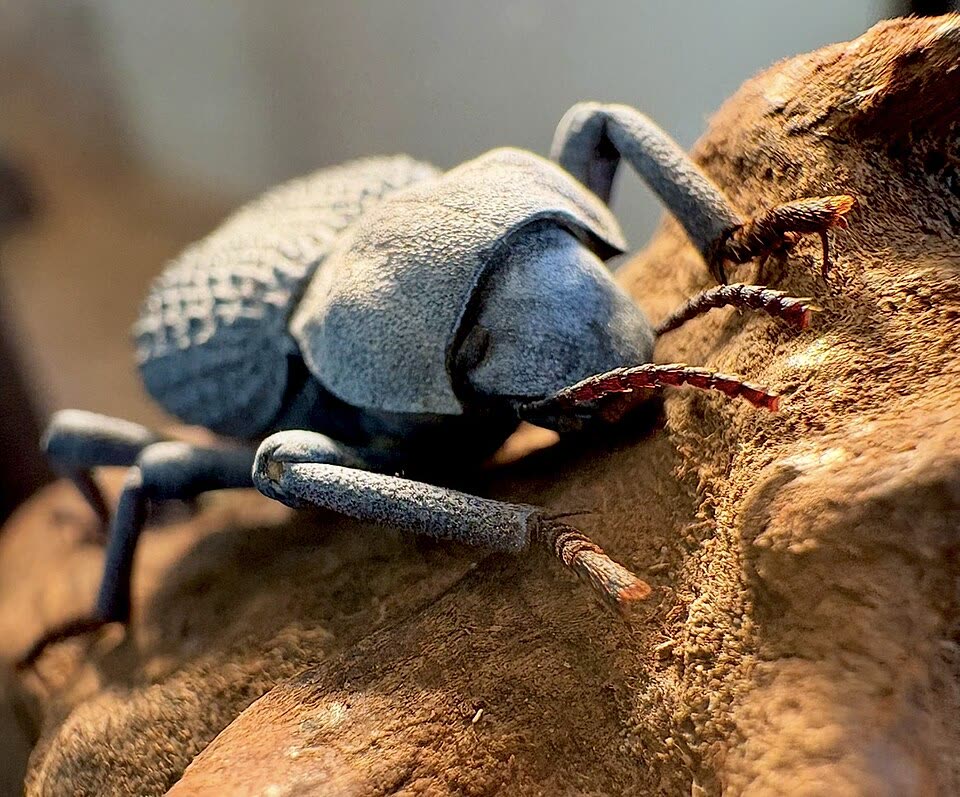
A blue death feigning beetle is a small desert darkling beetle, Asbolus verrucosus, native to arid parts of the southwestern United States and northern Mexico. Adults are roughly 0.5-1 inch long, stout-bodied, and famous for their habit of “playing dead”—they go rigid and motionless when disturbed. That mix of toughness, compact size, and theatrical defense has made them surprisingly popular in the pet trade and in classroom insect displays.
If you’re thinking about buying them, you’re really choosing between live pet beetles, educational kits that may include them, and other “death‑feigning” darkling beetles that behave similarly but aren’t the same species. Understanding those differences—and the welfare and legal issues around shipping live insects—will help you decide whether to purchase at all, and if so, which kind of seller and marketplace actually makes sense.
What Exactly Is a Blue Death Feigning Beetle?
Biologically, the blue death feigning beetle is a desert specialist. As described by the University of Delaware’s Insect Zoo, these beetles are darkling beetles native to the deserts of the southwestern U.S. and nearby Mexico, where dry, sandy terrain with sparse vegetation is the norm.The Insect Zoo
They’re small—about half an inch to an inch long—built low to the ground, with a hard, durable exoskeleton and a compact oval body. In photos and in the pet trade, they often appear powdery blue or blue‑gray because of surface coatings on their exoskeleton; underneath, they’re a dark, ironclad‑looking beetle.
In the wild they:
- Live in dry, sandy habitats
- Spend much of the day sheltered (buried or hidden) to avoid heat
- Are active mostly at night
The signature behavior is the death feint. When threatened by a predator or rough handling, the beetle may flip or freeze, staying rigid as if dead. It’s not guaranteed every time, but it’s common enough that the behavior defines the species’ popular name.
From a buyer’s perspective, that desert background matters. Any live beetle you buy should be kept in conditions that mirror this: dry, well‑ventilated, with a loose sandy or sandy‑like substrate and limited moisture.
Types of Beetle Products: Pets, Classroom Kits, and Lookalikes
When you search for “blue death feigning beetle” online, you won’t just see one clean product type. You’ll find several overlapping categories that matter for your decision:
1. Live pet beetles (true Asbolus verrucosus)
Specialty exotic‑pet retailers and invert hobbyists market blue death feigning beetles as hardy, low‑maintenance pet insects. For example, a care guide from Ohio Pet Depot describes them as durable, desert‑adapted beetles sold to keepers who want a simple, interesting invertebrate rather than a high‑maintenance reptile.Ohio Pet Depot care guide
Typical traits of these listings:
- Species is named clearly: Asbolus verrucosus
- Sold as small groups (a few beetles) rather than single insects
- Marketed as long‑lived, slow‑moving display animals
If your goal is a true blue death feigning beetle colony, these species‑specific listings are what you’re after.
2. Classroom or “nature” kits
You’ll also see death‑feigning beetles used for classroom nature education. Kits might combine a small terrarium, substrate, an information sheet, and live beetles. The focus is on observing behavior, hardiness, and basic insect anatomy rather than on species‑pure breeding projects.
In this space, sellers sometimes use broader labels like “death‑feigning beetles” or “darkling beetles” without always emphasizing Asbolus verrucosus. That can be perfectly fine for a fourth‑grade science rack, but it matters if you’re specifically trying to keep blue death feigning beetles as a hobby species.
3. Lookalike darkling beetles marketed similarly
Other tough desert darkling beetles—sometimes called “desert ironclad” beetles or generic “darkling beetles”—may be sold as death‑feigning beetles because they share similar behaviors and care needs.
In product photos they can look nearly identical to a casual viewer: matte or dusty blue‑gray, chunky, with a similar stance. But the species name in the description might be different, or missing entirely. That’s where mislabeling and buyer confusion tend to happen.
Here’s how these product types differ at a glance:
| Product type | Species labeling | Typical buyer use |
|---|---|---|
| Live pet beetles (true BDFB) | Clear: Asbolus verrucosus | Hobby pets, display colonies |
| Classroom / nature kits | Sometimes specific, often general | Short‑term observation, teaching |
| Lookalike darkling beetles | Vague or different species | Generic hardy beetles, mixed use |
If you care about keeping the exact species, always go beyond the marketing name and check the Latin name in the listing.
Buying and Marketplace Considerations (Including DHgate)
Deciding where—and whether—to buy blue death feigning beetles means thinking about species accuracy, animal welfare, and channel choice.
1. Species accuracy and honest labeling
Because “death‑feigning beetle” is used loosely online, you should:
- Look for the Latin name Asbolus verrucosus in the description
- Check photos against trusted references like The Insect Zoo
- Be cautious of listings that never mention a species name at all
For a classroom where any hardy darkling beetle will do, broad labeling might be acceptable. For a species‑focused hobby setup, vague labeling is a red flag.
2. Welfare: shipping and habitat expectations
Blue death feigning beetles are desert insects that need dry, sandy substrate and protection from excess moisture, according to care guides such as Ohio Pet Depot’s.Ohio Pet Depot care guide
When evaluating a seller, focus on details specific to these needs:
- Shipping description: Does the seller explain how beetles are packed to avoid crushing and chilling/overheating?
- Care information: Is there at least basic guidance about dry substrate and avoiding damp, moldy conditions?
- Season and transit time: Long transit in extreme heat or cold can be lethal even for hardy beetles.
Listings that treat live beetles like inert trinkets—no packing description, no care info—are higher risk from a welfare standpoint.
3. Channel choice: specialty retailers vs general marketplaces
Across online channels, you’ll see a split:
- US pet retailers and specialty invert sellers often provide care sheets and may sell live beetles directly, sometimes alongside terrariums and substrate.
- Big‑box pet chains sometimes stop at offering information or habitat products, with live insects available only in‑store or not at all.
- General marketplaces (including DHgate) are broad product platforms. DHgate, in particular, may show insect‑related items, but there’s no documented pattern of it being a primary, reliable source for live blue death feigning beetles.
For U.S. buyers, that usually translates into a practical choice:
- If you want live blue death feigning beetles, a domestic specialty seller that clearly identifies the species and explains shipping and care is the safer, more transparent route.
4. Quick checklist of seller signals
To keep this purchase responsible and low‑risk, prioritize sellers that:
- Name the species (Asbolus verrucosus) if claiming “blue death feigning beetles”
- Explain shipping methods for live insects, not just generic parcel language
- Provide at least high‑level desert care guidance (dry, sandy, low moisture)
- Operate within your country or region, reducing transit time and regulatory complexity
If a listing fails on most of those points, pause before buying. You may be better off either choosing a better‑documented domestic seller or, for classroom needs, opting for non‑live materials and reputable educational resources instead.
Practical Next Step
If you’re curious about blue death feigning beetles but unsure about live‑animal logistics, start by reading a care guide from a specialty retailer such as Ohio Pet Depot’s overview and comparing that to any product you’re considering. That side‑by‑side check—species name, habitat description, and shipping care—will quickly show you whether a given seller is aligned with the beetle’s real needs or just borrowing the name.