
Sequin yarn on DHgate can work beautifully for knitted garments and accessories, but only if you match the right sparkly construction to your project and check that the listing clearly shows fiber content, sequin style, and reliable seller ratings. This guide explains the main types of sequin yarn you’ll see, how they differ in comfort and handling, and which simple DHgate buyer checks help you avoid itchy, stiff, or disappointing results.
Main types of sequin yarn and sequin threads you’ll see
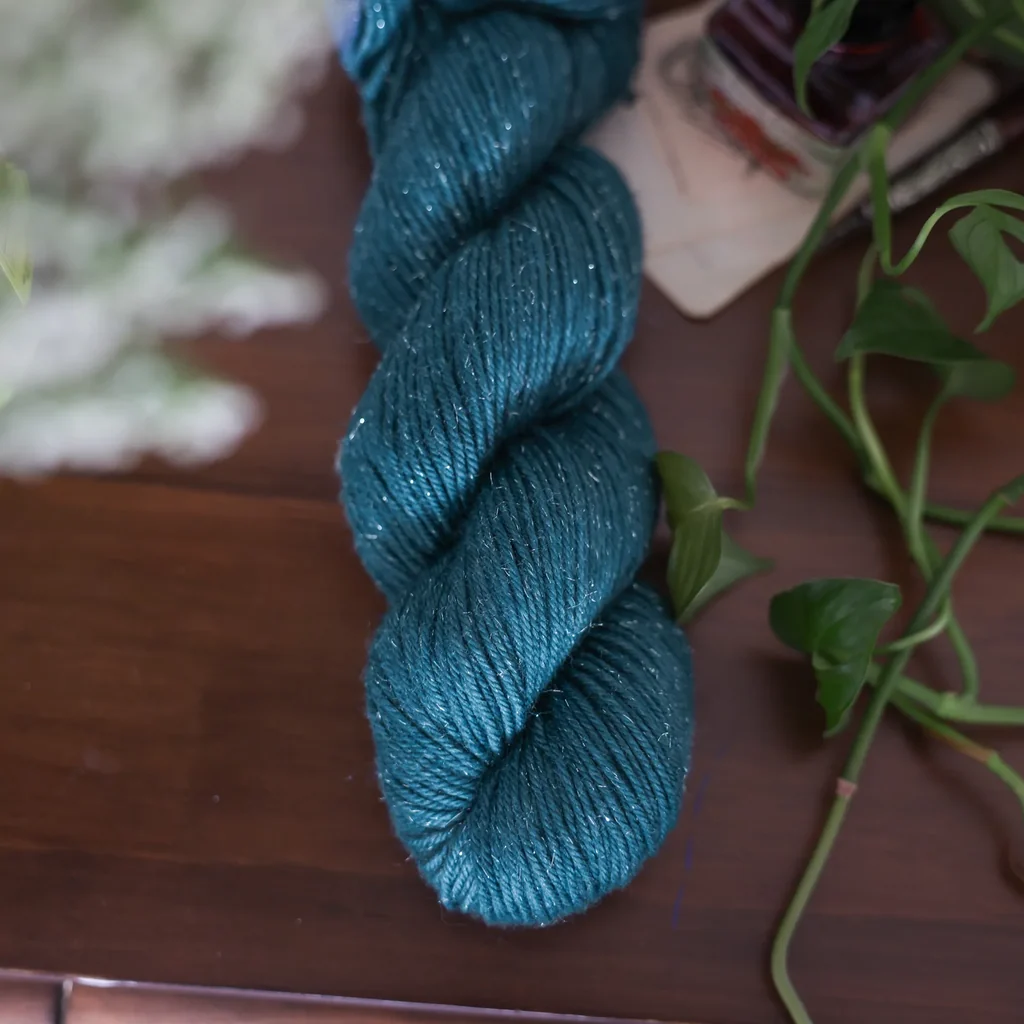
The photo shows a close-up skein of sparkle yarn, where tiny reflective elements sit on or within the strand to create an overall shimmer. On DHgate, full sequin yarns usually look like this kind of continuous sparkle strand, fine sequin carry threads appear much thinner and are meant to be combined with another yarn, and plied sparkly yarns resemble more conventional skeins with subtle glitter or scattered sequins in the twist.
On DHgate, most “sequin yarn” listings fall into three practical formats, even if the seller’s labels are inconsistent. Full sequin yarn is a strand where small sequins are pre-strung along a very fine filament, often plied together with another yarn. Sequin carry threads are very thin, sparkly or sequinned strands sold to hold together with a regular base yarn. Plied sparkly yarns look like more conventional yarn, with metallic filaments or occasional sequins twisted into the plies rather than sitting on a separate thread.
Full sequin yarn usually gives the densest, all-over sparkle because the sequins repeat frequently along the strand. It can feel fiddly to knit: the fine filament may tangle, and you have to slow down so your needles don’t snag on the sequins. I’d mainly use this kind of yarn for short trims, party tops with limited sequin sections, or decorative accessories where a bit of stiffness is acceptable, rather than for a full everyday sweater.
Separate sequin carry threads tend to create more controlled shimmer. On their own they look like a very thin, sparkly cord dotted with sequins; held together with a favourite base yarn, they let the main yarn provide comfort and structure while the sequins sit mostly on the surface. You still need to watch for tangling and occasional snags, but the knitting rhythm often feels more familiar because the base yarn is doing most of the work. This is the format I’d choose for garments, shawls, and cowls where I want sparkle but still care a lot about softness and drape.
Plied sparkly yarns usually have subtler, integrated shimmer. The strand looks like a normal plied yarn with fine metallic fibres or scattered sequins twisted into it, so it tends to glide more smoothly through your hands and over the needles. Handling is closer to standard novelty yarn, with fewer obvious catches, and the sparkle is often suitable for everyday hats, cardigans, or kids’ accessories. Because DHgate sellers may call all of these simply “sequin yarn”, it’s worth studying the close-up listing photos and descriptions to decide which construction you’re actually looking at before you choose a project.
How base fiber and sequins affect softness and drape
Once you know which sequin format you’re dealing with, the base fiber underneath those sequins does most of the work for softness and drape. Softer, loftier fibers with a bit of elasticity—such as many wool or wool-blend bases and some acrylic blends—can cushion the hard edges of sequins and help the fabric bend and move. When a sequinned strand is plied into or carried alongside these yarns, the result is often a more wearable cowl, sweater, or shawl, especially if you plan to wear it close to bare skin.
Smoother cotton or linen bases feel cool and can be very pleasant in the hand, but their lack of loft means the sequin strand tends to sit more obviously on the surface. That can make the sparkle look crisp and defined, which is great for summer tops, lightweight scarves, or pieces worn over another layer, while still feeling a bit scratchy if pressed directly against sensitive skin. In contrast, very synthetic, stiff, or metallic-heavy bases can make the entire yarn feel rigid or plasticky; paired with sequins, these constructions are ones I’d mostly reserve for decorative edges, holiday pieces, structured clutches, or motifs that don’t rest against the neck or wrists.
Comfort here is always a tendency rather than a guarantee: the same fiber type can be spun into very soft or relatively rough yarns, and everyone’s skin sensitivity is different. For a cowl, sweater, or anything you’ll wear often, I’d prioritise a soft wool or acrylic blend with good drape and add sequins via a carry thread or subtle plied sparkle. For clutch bags, hat brims, trims, or statement motifs, firmer cotton, plant fibers, or synthetic bases can be perfectly acceptable, because the item doesn’t need to feel luxurious against bare skin as long as the sparkle effect is what you want.
Matching yarn weight and sequin density to your project
| Yarn/sequin type | Typical weight & sequin density | Fabric feel and drape | Visual effect | Projects the narrator would choose it for |
|---|---|---|---|---|
| Lightweight sequin thread carried with a base yarn | Usually lace to fingering weight thread with small, widely spaced sequins; combined with a separate soft base yarn for structure. | Stays relatively thin and flexible because the main yarn provides body; fabric can drape well if the base yarn is soft and elastic. | Gentle shimmer or scattered sparkle that catches the light without looking overloaded. | Shawls, delicate scarves, light cowls, and accessories where I want a wearable fabric and a subtle sparkle layer rather than an all-over sequin surface. |
| Medium-weight sequin yarn | DK to light worsted yarn with sequins either on a fine ply or embedded in the strand; sequins appear every few stitches. | Produces a thicker, warmer fabric with moderate drape; can feel slightly heavier or less fluid if the sequins are frequent or large. | Noticeable sparkle that reads as decorative panels or accents rather than a faint glimmer. | Cardigans, tops, yokes, stripes, or borders where I use sequin sections as accents and rely on careful fiber choice and pattern shaping to keep the garment comfortable. |
| Heavy or densely sequinned novelty yarn | Bulky or specialty constructions with large or very frequent sequins packed onto the strand. | Fabric tends to be thick, weighty, and often a bit stiff; high sequin loading raises snagging risk and can make the surface feel rough. | Bold, high-impact shine with dense sparkle that dominates the look of the piece. | Short trims, cuffs, hems, statement collars, decorative pillows, bags, costumes, and festive items worn briefly. I personally avoid using this type for entire large garments because of weight and comfort, and prefer to treat it as an accent rather than a rule for everyone. |
How sequin attachment affects knitting and durability
Video demonstrating knitting with a sequinned strand, showing how the sequins travel along the yarn and where they can catch on the needles or rub against the main strand.
Sequin attachment usually shows up in two broad styles. In one, the sequins are strung on a very fine, separate ply that can slide along the yarn as you knit. In the other, the sequins look more fixed in place, sitting tightly on the strand or embedded within a plied yarn so they don’t move as much.
Sliding sequin strands can feel fiddly to work with. You may need to nudge sequins along the fine ply to position them in a stitch, and they can catch more easily on your needles if the holes or edges are sharp. Because the sequins move against the main yarn, knitters reasonably worry that repeated sliding could abrade the fibers over time, especially in areas that bend and rub a lot, even though there isn’t systematic testing to quantify that risk.
More fixed or embedded sequins tangle less and don’t need to be moved along the yarn, which can make the knitting rhythm simpler. The fabric can still feel stiffer or slightly scratchy where the sequins sit on the surface, and raised edges can snag on other clothes or accessories, but the sequins are less likely to saw up and down the strand with every movement.
Whichever attachment style you use, a few practical habits help: knit more slowly, choose smooth needles so sequins glide rather than catch, and avoid placing dense sequin sections in high-friction zones like underarms or tight cuffs. Sequins are generally happier in yokes, borders, or panels that don’t rub constantly against skin or other fabrics.
For items I expect to wear and wash often, I lean toward sequin constructions that look less likely to saw against the main yarn and put most of the sparkle in lower-stress areas. Sliding sequin strands are something I’d reserve for special pieces or accents where the effect is worth the extra care, knowing that long-term durability still depends on overall yarn quality and how gently the item is used and washed.
Step-by-step: choosing sequin yarn for your project
- Define the project first. Decide whether you’re knitting a garment, accessory, or trim, how much it will touch bare skin versus sit over layers, and how often you expect to wear and wash it.
- Choose a base fiber and yarn weight that match that use. For pieces that sit close to the body or need drape—like sweaters, shawls, and scarves—lean toward softer fibers and lighter or medium weights; for short trims, bags, or decorative items you can accept firmer fibers or heavier, more structured yarns.
- Pick the sequin format and density. Decide whether you want a full sequin yarn, a separate sequin carry thread held with a plain base, or a plied sparkly yarn, and match how dense and dramatic the sequins are to the project’s look and how much handling fuss you’re willing to accept.
- Sanity‑check the DHgate listing details against those choices. Look for clear fiber content, an indicated yarn weight or at least a sense of thickness, and close‑up photos that show sequin size, spacing, and how they’re attached, plus any notes on care or washing so you can judge how practical the finished item will be.
- Check seller reliability before committing. Scan ratings, sales history, and reviews that mention yarn quality, color accuracy, and comfort, and be ready to walk away from listings with sparse or inconsistent information or no buyer feedback, even if the main photo looks tempting, especially for novelty yarns like sequins.
Common DHgate pitfalls with sequin yarn—and how to avoid them
- Vague or generic fiber content: Treat listings that just say “yarn,” “polyester,” or equally broad terms as higher risk, because you can’t reliably predict softness, drape, or care; prefer DHgate sellers who name the main fibers and, ideally, give a rough blend percentage.
- No close‑up strand photos: Avoid relying only on styled product shots; look for images that show the strand itself so you can see sequin size, spacing, and how heavily the yarn is loaded. If you can’t tell how dense or stiff it might be, either ask the seller for more photos or choose a clearer listing.
- Unknown sequin material: When the listing doesn’t indicate whether the sequins are lightweight plastic or a heavier, metal‑like material, assume they could be weighty or sharp and plan to use them only in accents, or favour listings that specify sequin type or show clear macro photos of the discs.
- Color inconsistencies between images: If the main photo and detail shots show noticeably different colors or sparkle intensity, expect the real yarn to match one of them; check buyer photos and reviews for comments on color accuracy, and if those are missing, only proceed if you’re comfortable with some variation.
- Missing washing or care guidance: Sequin yarns are especially sensitive to heat, friction, and detergents, so absent or very vague care instructions are a warning sign. Either message the seller for specific advice or treat the yarn as hand‑wash, lay‑flat only—and if the seller can’t answer basic care questions, I would personally skip that listing regardless of price.
- Thin seller history and feedback: Listings from sellers with very few sales, low ratings, or no reviews mentioning yarn quality, comfort, or photo accuracy carry more uncertainty. Basic checks—like those in your earlier step sequence—help, but they can’t remove all risk, so I prefer to leave these high‑unknown listings in my cart rather than on my needles.
Quick DHgate checklist for sequin yarn buyers
- Confirm that fiber content and approximate yarn weight or thickness are clearly stated in the DHgate listing, not just vague terms like “polyester yarn.”
- Check that sequin material, size, and spacing are either described in the text or visible in sharp close-up photos of the strand.
- Look for multiple photos, including at least one close-up of the yarn strand and, ideally, a small knit or crocheted sample showing how the sequins sit in the fabric.
- Scan buyer reviews for comments about feel (soft vs itchy), drape, color accuracy, and whether the sequins catch, shed, or feel sharp in use.
- Review seller ratings and sales history to make sure they have consistent, positive feedback on product quality and order fulfilment.
- Verify stated shipping times and return or refund terms, including what happens if the yarn arrives noticeably different from the listing—and I would personally skip any sequin yarn listing that fails several of these checks, even if the photos look beautiful.
What “best” really means with sequin yarn
There isn’t a single best type of sequin yarn for every knitter or project. The right choice depends on how much sparkle you want, how close the item will sit to bare skin, how often it will be worn and washed, and how much handling complexity you’re willing to tolerate while knitting.
For most wearable garments and frequently used accessories, subtle sequin carry threads held with a familiar base yarn or moderately sparkly plied yarns tend to balance shimmer with softness and predictable drape. Densely loaded novelty sequin yarns are far better suited to short trims, statement edges, or occasional special pieces where stiffness and extra snag risk are less of a concern.
Personally, I prioritize comfort, drape, and predictability over maximum sparkle. I’d usually choose a fine sequin thread with a base yarn I already trust, or a moderate-sequin garment yarn, and reserve heavy, high-impact sequin bases for limited decorative projects once I’m sure the listing details and seller history justify the risk.
Practical FAQ about knitting with sequin yarn
Is sequin yarn suitable for beginners?
Sequin yarn can be used by beginners, but it adds extra fuss: the sequins can catch on needles and make it harder to see your stitches. If you’re new to knitting, I’d start with a simple pattern you already know (like a plain scarf or cowl) and use a fine sequin carry thread together with a familiar base yarn, rather than a heavily loaded novelty strand. On DHgate, that means looking for listings that clearly show a thin sequin thread you can hold with another yarn, and checking photos and fiber content so you’re not fighting a stiff, scratchy yarn while you’re still learning basics.
How do I knit with a sequin carry thread together with plain yarn?
Treat the sequin thread and your main yarn as if they were one strand: hold them together in your hand, keep a gentle, even tension, and knit into each stitch normally so both strands are caught. The base yarn provides almost all of the structure and comfort, while the sequin thread rides along the surface to add shimmer. To keep things manageable, choose a smooth base yarn you already like, avoid very tight gauges, and place the sparkly sections where they won’t rub constantly against skin; on DHgate, use close-up photos to confirm how large and frequent the sequins are before committing.
When should I avoid using sequin yarn altogether?
Sequin yarn is best avoided in high-friction, hard-wearing items where comfort and frequent washing matter more than sparkle. I would skip sequins for everyday socks, heavily used mittens, and most children’s garments, because raised sequins can feel scratchy, snag on surfaces, and dislike repeated machine washing. They’re much better suited to special-occasion pieces, trims, and accessories that won’t be worn or laundered constantly. If a DHgate listing doesn’t clearly show sequin size and attachment style or give basic care guidance, I’d treat that as another reason to save sequins for less demanding projects or choose a clearer listing instead.