
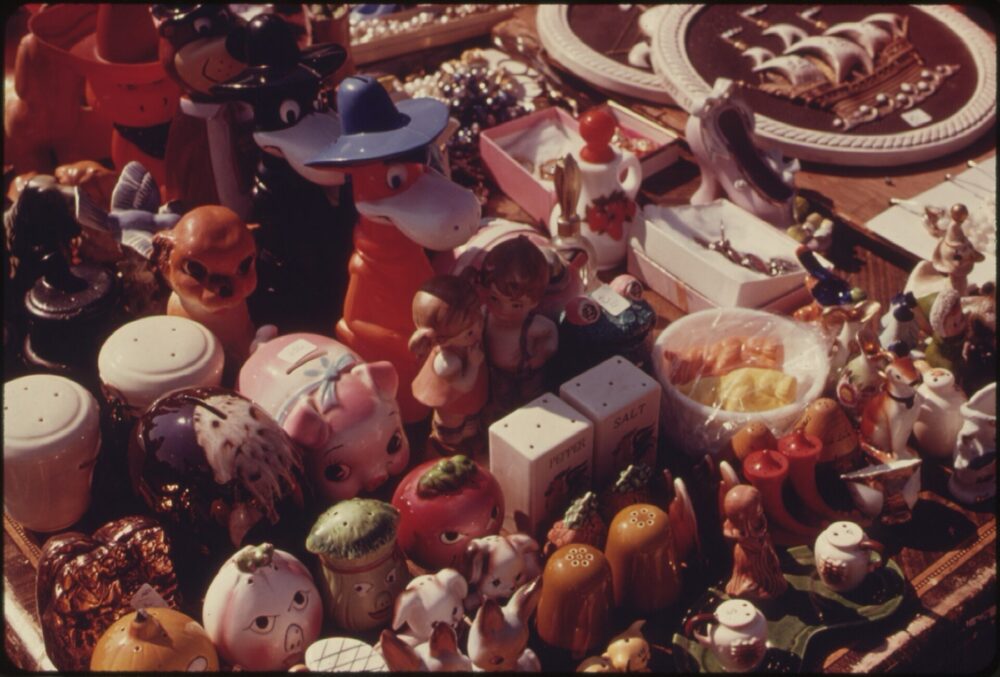
The best place to buy truly vintage mouse salt and pepper shakers is usually a vintage-focused marketplace like Etsy or eBay, backed up by local antique shops for hands-on inspection. For most US buyers and small resellers, you’ll get the widest range of eras and makers online, then use origin marks, photos, and condition notes to decide whether a Japan ceramic pair, a Hong Kong hand-painted set, or a silver-plated mouse duo fits your budget and taste.
Before you start scrolling listings, it helps to know what you’re actually looking at.
What Counts as Vintage Mouse Salt and Pepper Shakers?
Vintage mouse salt and pepper shakers are condiment dispensers shaped like mice, often with whimsical, human-like features: bows, clothing, cheese wedges, or chef hats. Marketplace listings highlight them as nostalgic kitchen decor rather than everyday cookware. For example, an Etsy listing for a 1950s ceramic mouse pair frames them as “cute retro” table accents, not just functional shakers.Vintage 1950s ceramic mouse shakers on Etsy
“Vintage” here is descriptive, not certified. Most pieces marketed this way reflect mid‑20th‑century styles: soft pastels or primary colors, hand-painted faces, and simple glazing. A Napco mice set sold via a specialty site positions the pair as nostalgic decor and a collectible gift, which matches how many buyers use them.Napco mice salt & pepper set at Mulberry Lane
People typically buy mouse shakers for:
- Nostalgic kitchen display (open shelving, hutches, tiered trays)
- Collecting by theme (mice, animals, Japan ceramics, mid‑century kitsch)
- Gifts for fans of cottagecore or retro decor
- Small resale in Etsy shops, Depop-style boutiques, or curated vintage storefronts
If you’re reselling, you’re not chasing mass volume; you’re looking for small, characterful lots with clear origin and solid condition.
Key Styles and Materials Buyers Actually See
The term “vintage mouse shakers” covers several distinct looks. Seeing the main types will help you search smarter and price listings realistically.
1. Japan ceramic mouse pairs
A lot of the supply is Japanese export ceramics from the mid‑century era. An Etsy listing for “Japan mice salt and pepper” shows two shy mice with bows, fully glazed and hand-painted faces, with “Japan” marked on the base. Example Japan mice shakers on Etsy
Traits to expect:
- Ceramic bodies, often white or colored with pastel glazes
- Painted facial features, bows, or clothing
- Country-of-origin mark (“Japan” stamp or sticker)
- Simple, cork or plastic stoppers
These are common enough that you can compare multiple listings to get a feel for typical condition and styling.
2. Hong Kong hand-painted mice
Hong Kong exports show up as more affordable, often 1960s–70s pieces. A Poshmark listing titled “Vintage Mice Hand Painted Salt And Pepper Shakers From Hong Kong” features two mice with bold painted details and a clear “Made in Hong Kong” mark.Hong Kong vintage mice shakers on Poshmark
Compared with Japan ceramics, these often have:
- Brighter, less subtle paint
- Slightly more mass-produced feel
- Origin indicated via foil sticker or printed text
They can be a good entry point for decor buyers who care more about charm than specific makers.
3. Napco and other branded makers
Named makers like Napco tend to attract collectors. The Napco mice pair at Mulberry Lane is clearly branded and described as “vintage” decor.Napco mice salt & pepper set
Branded pieces usually offer:
- Maker mark or model number on the base
- More refined sculpting and glazing
- Stronger collector appeal for resale or sets grouped by manufacturer
You’ll also see brands like Inarco or Bellini Italy in Etsy listings; these can signal slightly higher price expectations and better finishing.
4. Mid‑century modern (MCM) mouse designs
Some mouse shakers lean into mid‑century modern aesthetics: cleaner lines, stylized bodies, and more restrained color palettes. An Etsy listing for an MCM ceramic mouse pair emphasizes the modernist shape and glaze rather than cartoonish faces.MCM-style mouse shakers on Etsy
These work well for buyers decorating MCM kitchens or minimalist open shelving where a classic Japan set might feel too kitschy.
5. Silver-plated and metal mice
Not everything is ceramic. A public-domain listing shows “Vintage silver plated mice salt and pepper”—mouse-shaped shakers in 800-grade silver plate, marketed as a novelty but clearly higher-end than typical kitchen knickknacks. Vintage silver-plated mice shakers
Patterns you’ll see:
- Metal bodies (silver-plated or similar alloys)
- Markings like “800” or other fineness stamps
- Less paint, more emphasis on form and shine
These skew toward collectors or buyers looking for one showcase piece rather than a casual cottagecore set.
Style snapshot for buyers and small resellers
Here’s a compact way to compare the main types you’ll actually encounter:
| Type | Typical material | Markings / origin | Best for |
|---|---|---|---|
| Japan ceramic mice | Glazed ceramic | “Japan” stamp or label | Classic kitsch decor, sets |
| Hong Kong hand-painted | Ceramic | “Made in Hong Kong” | Budget-friendly retro look |
| Napco / branded makers | Glazed ceramic | Maker mark (Napco, etc.) | Collecting, higher resale |
| MCM-style mouse designs | Ceramic | Varies (often Japan) | Mid‑century modern interiors |
| Silver-plated mice | Metal, plated | Fineness marks (e.g. 800) | Statement pieces, gift items |
Where to Buy and How to Judge Listings
You can find vintage mouse shakers across several channel types. Each favors a different use case.
Online vintage marketplaces
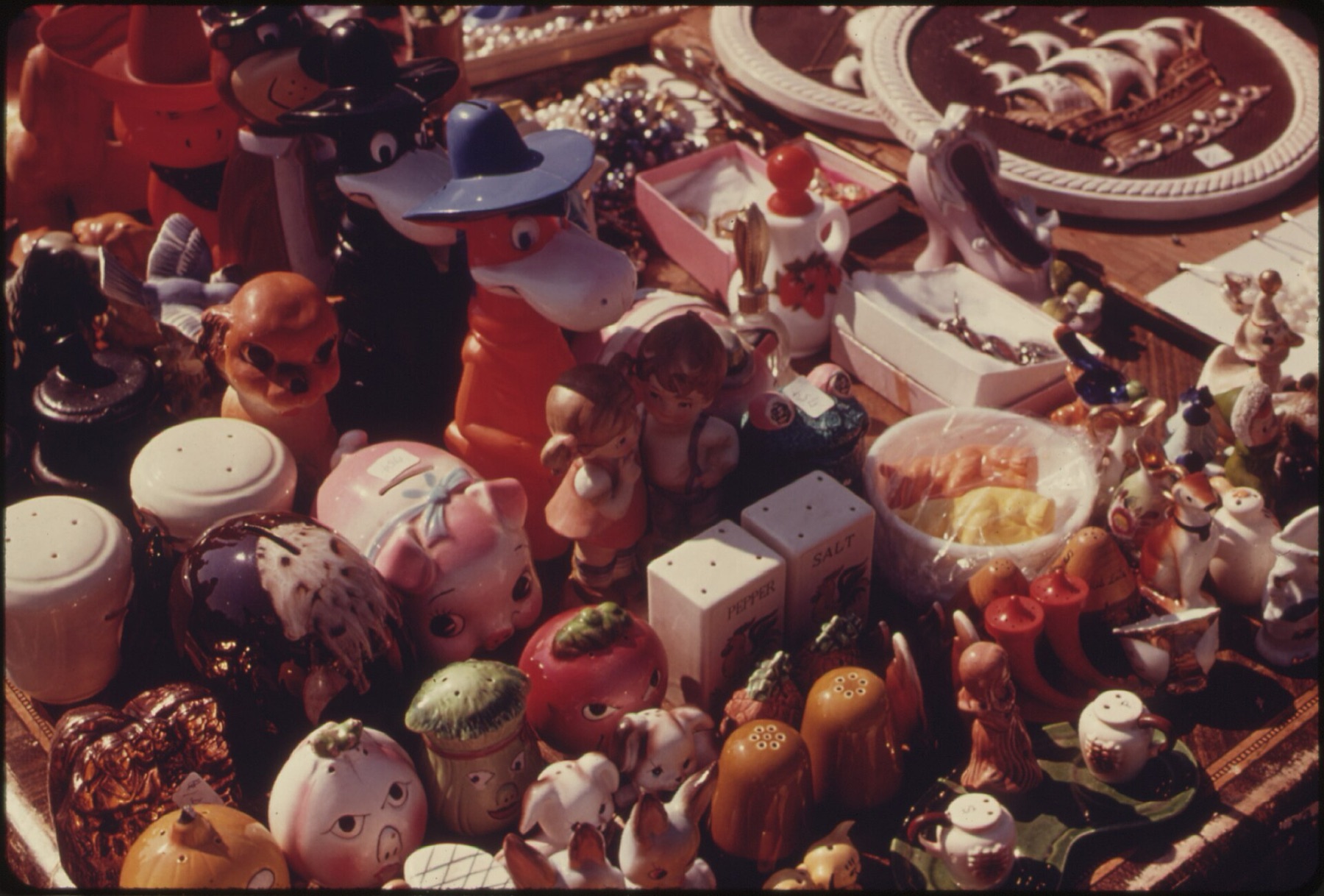
Platforms like Etsy, eBay, Mercari, and Poshmark consistently show multiple mouse shaker listings from different origins.
- Etsy’s dedicated search page for “vintage mouse holding salt pepper” surfaces Japan blue ceramic sets, cheese-wedge mice, and MCM designs in one place.Etsy search results for vintage mouse shakers
- Poshmark and Mercari often carry individual Hong Kong or unbranded ceramic sets, useful if you’re hunting for lower entry price or filling a themed shelf.
How to evaluate these listings beyond generic advice:
- Origin marks in photos: Look for clear shots of the base showing “Japan,” “Hong Kong,” or maker names like Napco or Bellini. If the mark is described but not pictured, message the seller for a photo.
- Paint and glaze condition: Zoom in on faces, bows, and edges. Crazing (fine cracks in the glaze) is common in real vintage but should be disclosed. Missing paint on eyes or noses affects display value.
- Stopper presence: Check whether cork or plastic stoppers are present and intact. Missing stoppers are fine for purely decorative use but matter if a buyer expects functional shakers.
- Pair completeness: Some mice came with matching trays or cheese props. If a listing mentions a tray or box (like Bellini Italy in original packaging), confirm all pieces are included.
For resellers, favor listings with detailed condition notes and multiple angles, since you’ll need those same photos later when you re-list the set.
Local antique and vintage shops
DHgate’s own editorial guidance on buying vintage decor recommends combining online marketplaces with local antique shops and examining descriptions, photos, and seller reputation carefully.DHgate blog on shopping vintage decor
In-store, you can:
- Inspect glaze and paint in person
- Check for chips on ears, tails, and base edges
- Verify marks or labels that might be obscured in photos
This route is ideal if you care about exact condition or are curating a small, high-quality inventory where returns or surprises would be painful.
Cross-border marketplaces and replicas
If you ever consider a cross-border listing:
- Read the description for words like “style,” “retro,” or “vintage-inspired” that signal a reproduction.
- Compare the design with verified vintage examples from Etsy or Niknax to see if it’s a copy of a known pattern.Niknax Mouse Mice with Bow vintage set
- Use rating and review patterns to judge whether the seller accurately describes materials and finish.
For deeper, platform-specific checks on DHgate sellers if you go that route, you can use resources like this overview of how DHgate works, trusted-seller guidance, and the order-readiness checklist.
Quick condition and authenticity checklist
Whether you’re buying one set or five:
- Look for honest wear: Light crazing, minor base scuffs, and slightly faded stickers are normal for older ceramics. Perfect, high-gloss pieces labeled “vintage” with no wear may be modern.
- Demand clear origin info: A simple “Japan” or “Hong Kong” mark, or a known maker like Napco or Bellini, is more verifiable than “retro-style” alone.
- Match style to stated era: Mid‑century mice usually have softer lines and pastel glazes; sharply molded, neon-colored mice are more likely late 20th century or new.
For one-off decor, you can relax on exact age and focus on charm. For small ecommerce inventory, lean toward clearly marked, well-photographed pieces you can credibly present as vintage to your own buyers.