
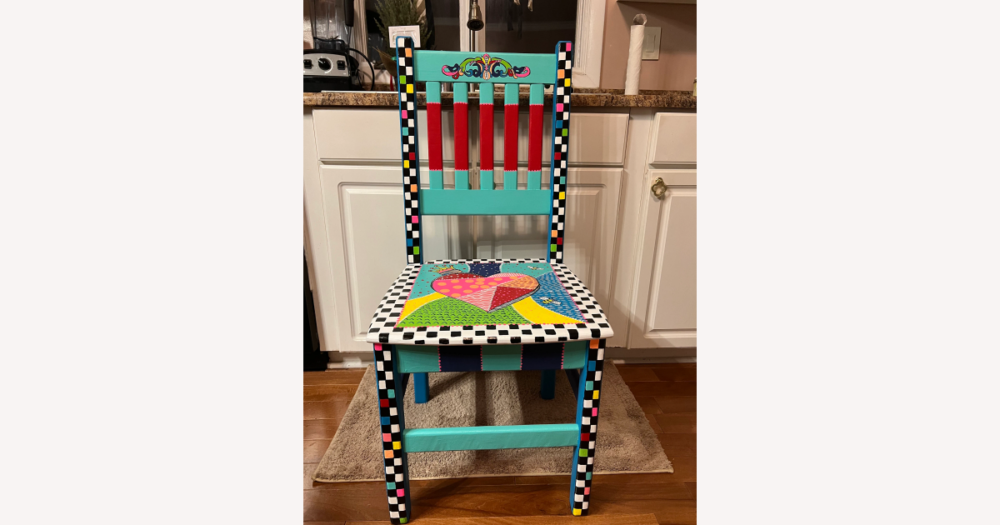
If you’re planning to repaint or artistically decorate a chair, the most useful way to use DHgate is as a research and planning tool: explore categories to see what kinds of paints, primers, brushes, and design aids exist, then apply clear buyer checks—like surface compatibility, seller reputation, and shipping and refund terms—before you rely on any listing. This guide walks you through how to connect your inspiration to a realistic supply list and how to read DHgate information carefully so you avoid obvious mismatches or disappointing finishes.
How this guide helps you use DHgate for a painted-chair project
On DHgate, this guide is meant to help you plan a creative painted-chair project, not to push you into buying anything immediately. You can use DHgate’s wide range of categories to research the kinds of supplies that projects typically involve—paints, primers, brushes, stencils, and decorative elements—and to see how different styles are described in listings before you trust any product to go on your furniture.
Instead of recommending specific brands, sellers, or a step‑by‑step painting tutorial, the focus here is on preparation: understanding which supply types match your chair’s material and chosen style, and which listing details on DHgate you should double‑check, such as surface compatibility, finish, and basic quality signals. I’d generally rather over‑prepare with suitable primer and surface prep than chase the very lowest price and risk peeling or uneven paint later.
If you’re repainting a non‑precious chair or experimenting for the first time, it’s reasonable to choose simpler, cheaper options on DHgate—as long as you go in knowing that skimping on prep, primers, or higher‑quality finishes usually means accepting more modest durability or precision. This guide helps you make that trade‑off consciously, using DHgate as a planning and research tool so any future browsing or ordering feels safer and more intentional.
Match common chair materials and paint styles to core supply categories
For most chair‑painting projects, your supplies fall into a few core groups. Surface prep tools—such as sandpaper, cleaning solutions, and liquid deglosers—help you clean, dull, or smooth the existing finish so new layers can bond. Primers or bonding layers create a compatible base between the chair’s material and your paint. Then you have the paints themselves (for example, general acrylic paints, chalk‑style paints, or spray paints at a high level), along with topcoats or finishes like sealants and varnishes that protect the surface. Brushes, rollers, and any spray tools handle the actual application, while design aids such as painter’s tape, stencils, transfer papers, and fine detail brushes let you create sharp lines, patterns, and small decorative motifs.
Which of these groups matters most depends heavily on your chair’s material. Bare wood often benefits from sanding and a suitable primer; previously painted or lacquered wood may need more thorough cleaning and deglossing to avoid peeling; metal chairs, especially for outdoor use, call for products that explicitly mention metal and, ideally, weather resistance; plastic usually requires primers and paints that state plastic or “multi‑surface” compatibility; and small upholstered areas are usually better suited to fabric‑specific coatings if they’re painted at all. On DHgate, any primer, paint, or sealer you consider should clearly list the surfaces it’s meant for—if your chair’s material isn’t mentioned, treat that product as a mismatch.
Your chosen style also shifts which supply categories you lean on. A solid opaque color on a dining chair relies heavily on good prep, primer, and a durable paint and topcoat. Distressed or vintage looks typically require more sanding and sometimes waxes or specific paint types that sand back attractively. Bold patterns and color‑blocking depend on painter’s tape, stencils, or transfer tools to keep edges clean, while whimsical illustrative designs often need fine detail brushes and a paint that levels smoothly. In every case—whether the chair is a treasured heirloom or a budget thrift find—thorough prep and appropriate primers usually improve how long your finish lasts, especially on high‑use seating, compared with skipping steps just to save money.
Plan your painted-chair project in four simple steps
- Step 1: Examine the actual chair. Note what it’s made of (wood, metal, plastic, any upholstered sections), whether the surface is bare, stained, painted, or very glossy, and where it will live—indoors, on a covered porch, or fully outdoors. Also check for damage, flaking paint, or rough areas, because these will dictate how much sanding, cleaning, or repair you need to plan for.
- Step 2: Choose a primary design direction using your inspiration sources. Decide whether you want a simple solid refresh, bold color blocking, a distressed or vintage look, or a patterned or whimsical illustration. For a first project, pick one main theme instead of mixing several advanced techniques so your supply list stays manageable and your planning stays clear.
- Step 3: Draft a simple supply list based on that material and style using the core categories from earlier. Include surface prep tools (cleaner, sandpaper, deglosers), a primer that explicitly suits your chair material, a paint type and finish that matches your design goal, application tools such as brushes, rollers, or spray equipment, any design aids like tape or stencils if your theme needs them, and a sealer or topcoat appropriate to the chair’s future use.
- Step 4: Keep this list beside you when you later browse DHgate. Compare each potential primer, paint, or sealer listing against the chair material and chosen style, and set aside any option whose specs don’t clearly mention the surfaces or indoor/outdoor use you need. If you care about a long‑lasting, tidy finish, it’s usually worth choosing supplies with clear, detailed specifications even if they cost a bit more. If you’re repainting a non‑precious chair on a tight budget, you can intentionally simplify some steps and products, knowing the finish may be less durable or refined.
How to read paint and supply specs on DHgate listings
When you start looking at paint, primer, or sealant listings on DHgate, the specification fields are what help you decide whether a product fits your chair and your design plan. A typical listing will mention the paint type or base—often water‑based, oil‑based, acrylic, or chalk‑style. This affects odor, drying time, and cleanup, as well as how it interacts with existing finishes and primers. For chair projects, many people prefer water‑based products for lower odor and easier cleanup, but that only works if the listing also confirms compatibility with your chosen primer and surface.
Recommended surfaces are one of the most important lines. A suitable product should explicitly list the materials you noted in your planning step—wood, metal, plastic, or fabric. If your chair is plastic and the listing only mentions “walls” or “masonry,” it’s a mismatch. Many listings also differentiate indoor and outdoor use; a chair that will live outside or on a balcony needs products that clearly say they’re suitable for exterior use or weather‑resistant, not just decorative craft paints.
Coverage or volume tells you roughly how much area one container is meant to cover, usually as a size (such as milliliters or liters) and sometimes as an estimated surface area. Use this field to decide whether one unit is likely enough for one chair or several, rather than treating it as a guarantee; heavily textured or previously painted surfaces may need more product than a smooth, bare wooden chair.
Finish describes how the surface will look and feel—common terms include matte, satin, semi‑gloss, and gloss. Match this to your design plan: a distressed or vintage look typically suits matte or low‑sheen finishes, while a sleek, modern style might call for satin or gloss. Listings may also show color descriptions and small swatch images; treat those as guidance rather than exact truth because screens, lighting, and photography can shift how a color appears in real life.
Compatibility notes are where a listing may mention whether the product needs or works best with certain primers, sealers, or other coatings. For example, it might say “use over acrylic primer” or “topcoat with clear varnish.” Align these notes with the supply list you drafted so you’re not combining products that the seller never intended to be used together. Objective details—like volume, clearly labeled materials, and specified surfaces—are more reliable planning anchors than vague claims about “super durability” or “no prep needed.” If a listing is sparse about surfaces, finish, or usage and relies mainly on marketing language, that’s a red flag; on DHgate it’s usually safer to skip that option in favor of one with specific, transparent specs, even if it isn’t the absolute cheapest choice.
Inspiration themes and the extra supplies they usually need
- Color-blocked sections – large areas of solid color separated by sharp boundaries. Extra supplies usually include painter’s tape to mark clean lines, several coordinating paint colors, and suitable brushes or small rollers that can fill each block without bleeding under the tape.
- Ombré or gradient effects – one color drifting smoothly into another across the chair back, legs, or seat. Helpful supplies include blending brushes or sponges, soft cloths for feathering edges, and a small range of related paint tones so you can move from light to dark without harsh stripes.
- Floral or geometric motifs – repeated flowers, leaves, stripes, or shapes laid over a base coat. Common supporting tools are stencils or transfer papers to keep patterns consistent, fine detail brushes for outlines and centers, and steady painter’s tape for straight borders or grids.
- Whimsical illustrations and mixed-media or decoupage accents – characters, scenes, or collage-style panels layered onto the chair. These styles often rely on very fine liner brushes for linework, decoupage glue, printed papers or napkins for collage areas, and clear topcoats or sealers to protect the artwork once it’s dry.
- As you explore painted-chair ideas—on DHgate or in general DIY content—notice which theme you’re drawn to, jot down the extra tools that theme tends to use, and add those items (tape, blending tools, stencils, detail brushes, decoupage materials, topcoats) to your planning list before you later browse DHgate categories or kits.
Practical factors that should shape your supply choices
- Where the chair will live – indoors, on a covered porch, or fully outdoors. For exterior or semi-exposed spaces, look for listings that clearly mention weather resistance, exterior use, or UV resistance in the paint or topcoat description, rather than assuming any decorative product will cope with rain and sun.
- Expected wear and traffic – a rarely used accent chair vs. a busy dining or desk chair. Higher-traffic seating usually calls for more robust paints and topcoats; treat durability-related notes, hardness claims, and abrasion resistance in listings as key factors when deciding whether a product matches your chair’s everyday use.
- Odor and household sensitivities – kids, pets, or anyone sensitive to fumes. Pay attention to whether a product is described as water-based, low-odor, or suitable for use in living spaces, and weigh those specs against your ventilation plans so you’re not relying only on marketing phrases like “no smell” without details.
- Willingness to handle prep and cleanup – how much sanding, masking, and washing out tools you’re prepared to do. Listings that mention simple soap-and-water cleanup, easy-clean tools, or straightforward surface preparation may suit a quicker project, but be ready for the trade-off that faster, simpler options can sometimes mean less extreme durability or precision compared with more intensive systems. I would personally lean toward slightly more robust, compatible materials over the absolute cheapest, especially for chairs you use often; repainting a non-precious piece on a tight budget is the main situation where compromising a bit on durability feels reasonable.
Essential DHgate buyer checks for chair-painting supplies
Your pre-browsing checklist for DHgate chair-painting supplies
- Write down your chair details: material (wood, metal, plastic, any upholstery), current finish (bare, stained, painted, glossy), whether it will live indoors, on a covered porch, or fully outdoors, and how heavily it will be used.
- Choose and note a primary design style or theme from your inspiration, such as solid color, color-blocked sections, distressed or vintage, patterned, or whimsical/artistic motifs.
- List the supply types you’ll need: surface prep tools, a primer that states compatibility with your chair material, your chosen paint type and finish, application tools (brushes, rollers, or spray tools), any design aids like painter’s tape or stencils, and a sealer or topcoat suited to your usage.
- Define your practical constraints: how much odor you can tolerate, how much prep and cleanup effort you’re willing to handle, and a rough budget range for the whole project.
- Set your DHgate checks: a minimum seller rating and review level you’re comfortable with, a preference for listings that clearly state compatible surfaces and indoor or outdoor use, and attention to shipping time, total cost including shipping, and where to find basic refund or dispute information on the platform before you rely on any listing.
FAQ: Using DHgate for chair-painting ideas and supplies
Can I use DHgate mainly for inspiration rather than buying right away?
Yes. You can treat DHgate as a research space: browse categories, photos, and kit descriptions to see which types of paints, primers, brushes, stencils, and decorative elements exist and how they’re combined in projects. As you look around, note supply types, compatible surfaces, and basic usage notes for future planning. If you later decide to buy locally or on another platform, that research still helps you recognize the materials and terminology you’ll see elsewhere.
What if a listing uses paint or finish terminology I don’t understand?
When a listing relies on unfamiliar terms—such as specific resin names, finish labels, or technical acronyms—pause and look them up using neutral, independent explanations or general DIY resources before you rely on the product. Favor listings that describe what the paint is for, which surfaces it suits, and how to use it in clear, plain language instead of vague jargon. If you still can’t tell whether a product fits your chair material and project plan, it’s safer to skip that listing and look for one with clearer specs.
What should I do if the supplies I ordered don’t match the description?
Start by documenting the issue: keep the packaging, take clear photos of what you received, and note exactly how it differs from the listing description or images. Then review DHgate’s order and dispute guidance so you understand the process, and contact the seller through the platform to explain the mismatch politely and in detail. Use the messaging and dispute tools DHgate provides rather than moving the conversation elsewhere. Don’t assume a specific outcome or timeline, but having clear evidence and keeping communication on-platform generally makes it easier to request a resolution.
Can I trust one very positive or very negative review on a DHgate listing?
Treat any single review—especially extremely positive or negative—as one person’s experience, not the full story. Look for patterns across multiple reviews: recurring comments about color accuracy, packaging, or durability are more informative than one isolated opinion. Combine those patterns with clear, specific specs on surfaces, volume, and base type, and treat dramatic claims in reviews or marketing text as hints to investigate further rather than guarantees that a product will behave the same way in your chair-painting project.