
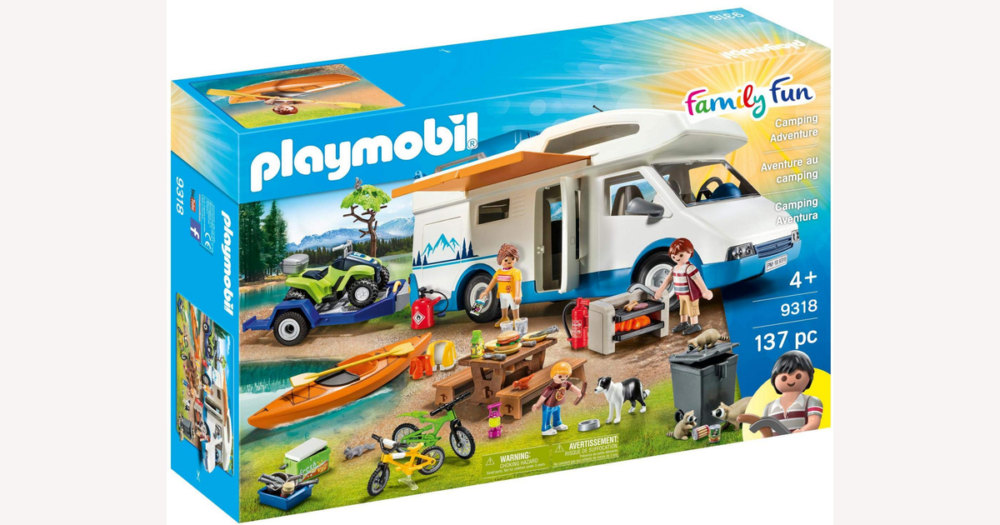
If you’re in the UK and searching online for rare Playmobil camper vans or camping sets, DHgate can be a useful place to scout, but not a guaranteed source for any specific discontinued item. Because DHgate is a seller‑driven marketplace with changing stock and uneven listing detail, you’ll get the best results by treating it as one option among many and only engaging with listings that offer clear Playmobil branding, good photos, and believable descriptions of what’s included.
How DHgate fits into the hunt for rare Playmobil camping sets
DHgate is a third‑party marketplace where independent sellers upload their own listings, so it doesn’t work like an official Playmobil catalog. Stock changes constantly, description quality is uneven, and there’s no guarantee that any specific camper van or camping set—especially a discontinued one—will be available when you search. For a UK collector, DHgate is best treated as one scouting stop in a wider hunt that might also include mainstream retailers, second‑hand sites, and collector forums, rather than the one place you expect to “find” a particular set number.
Because listings and sellers vary so much, I would only treat DHgate as a cautious, opportunistic option. Focus on listings where the photos, branding, and contents clearly match Playmobil’s style and the camping theme you’re after, and be prepared to walk away from anything that looks vague: blurry or limited photos, no clear mention of Playmobil, unclear contents lists, or bold “rare” claims without details are all reasons to skip a listing. On DHgate, rarity language is often just marketing, and a set appearing there doesn’t, by itself, prove that it’s genuine, complete, or truly discontinued—so protecting your collection means prioritizing clarity and authenticity signals over a fast or cheap buy.
What a typical Playmobil camping set includes
Official Playmobil camping‑themed sets usually follow a clear pattern: there’s a main feature such as a camper van, caravan, or tent; a small group of figures (often a family or a group of holiday travellers); and a cluster of camping accessories like beds or sleeping bags, a campfire, table and chairs, cooking gear, and bits of outdoor scenery. Even when you don’t know the exact set number, this combination of a central vehicle or tent plus people and practical camping items is a good baseline for what a complete Playmobil camping scene tends to look like.
When you look at DHgate listings, compare the photos and description against this pattern. A listing that only shows a few loose figures or random accessories with no camper van, caravan, or tent is probably a partial lot or mixed pieces, not a full camping set. A vehicle pictured without any interior furniture, cooking gear, or outdoor accessories may also indicate that you’re not seeing the whole set. If the title uses generic language like “camping toy set” and doesn’t mention Playmobil, or the figures and accessories look noticeably different from typical Playmobil designs, treat it as a prompt to scrutinise the images more closely and assume it might be an off‑brand product unless you can confirm otherwise.
Judging materials and build quality from DHgate listings
Genuine Playmobil toys are usually made from sturdy molded plastic with a smooth finish, minimal rough edges, and joints that feel snug rather than brittle or warped. Colours tend to be uniform and reasonably saturated across each part, and printed details such as faces, logos, and patterns are normally crisp, centred, and consistent from figure to figure. Accessories like cups, chairs, doors, and vehicle panels are designed to sit cleanly in place without obvious bending or gaps.
On DHgate, you’re relying heavily on photos and brief descriptions, so it helps to zoom in wherever possible. Look closely for uneven or blotchy colouring, very shiny or unusually dull plastic, obvious mold lines or excess plastic around the edges, and pieces that look bent or out of shape. Check faces and printing: blurred eyes or mouths, off‑centre logos, or fonts that don’t match typical Playmobil styling are all reasons to be cautious. If figures have noticeably odd proportions compared with standard Playmobil people, or accessories look clumsy in shape, that can also suggest a non‑Playmobil or lower‑quality product.
Remote judgment has limits: a sharp photo doesn’t prove authenticity, and a poor photo doesn’t automatically mean the toy is fake. What matters is the overall pattern. When you see several small inconsistencies in materials or styling and the description is vague about branding or condition, treat the listing as higher‑risk. If, like me, you care most about authentic, durable toys that will stand up to play and match your existing sets, it’s safer to walk away from offers where the material and build clues are unclear or contradictory than to gamble on a rare‑sounding deal.
Checking compatibility with your existing Playmobil collection
Playmobil is generally designed to a consistent scale across its core lines: standard figures are a similar height with recognisable proportions and hand shapes, and furniture, vehicles, and scenery are sized to suit those figures. Connection systems such as pegs and holes in bases, clip‑on accessories, and compatible hitch points on vehicles follow recurring patterns, which is why pieces from different themes usually work together in one scene.
To gauge compatibility on DHgate, start by checking whether the title or description explicitly mentions Playmobil and whether any dimensions are provided for figures or key accessories. Compare the figures in the listing photos with ones you already know: do they look roughly the same height and body shape, with familiar hands and hair, or noticeably larger, smaller, or differently proportioned? Look at how accessories attach—if connectors look very different from the pegs, holes, and clips you’re used to, the set may be off‑brand or simply not mix well with your collection.
If cross‑compatibility matters to you, treat missing or unclear size information as a gap to resolve. You can message the seller to ask for an approximate figure height or measurements for a key piece, and ideally a photo next to a ruler or another common object for scale. If you can’t get a clear answer, or the replies stay vague, it’s reasonable to skip that listing and focus on offers where the proportions, connectors, and stated dimensions all line up with what you already know about Playmobil.
A step-by-step way to research Playmobil camping sets on DHgate
- Start searches with targeted terms that combine “Playmobil” with camping-related words such as “camper van,” “tent,” “camping set,” or relevant themes like “Family Fun,” and try a few variations if results look sparse or very generic.
- Scan result titles to separate listings that clearly name Playmobil from those using vague phrases like “camping toy set” or “building blocks,” and treat generic wording as a sign that the offer needs extra scrutiny.
- Open only the more promising listings and quickly review the photos for a familiar Playmobil-style camping scene, checking that contents, material quality, and scale cues match what you expect; move on if these basics are clearly missing or look off-brand.
- Read the description slowly to see whether the seller is offering a full set, loose figures, accessories only, or unbranded items, and note any mention—or conspicuous omission—of packaging, instructions, or model numbers.
- List any unanswered questions, such as unclear contents, missing photos of the main vehicle or tent, or ambiguous branding, and decide whether the listing is strong enough overall to justify messaging the seller for clarification instead of simply continuing your search elsewhere.
Red flags to watch for in DHgate camping set listings
- Unclear or conflicting branding: titles that mention Playmobil while photos show no logo, or descriptions that jump between “Playmobil,” “compatible,” and generic terms can signal non-official toys or mixed lots, increasing the chance that what arrives won’t match a genuine set.
- Stock-only or heavily edited images: catalog-style photos reused across many sellers, or pictures with watermarks, filters, or altered logos make it hard to judge the actual item and raise the risk of receiving something that looks different in real life.
- Vague quantity and contents wording: phrases such as “random pieces,” “bulk lot,” or “set as picture” without clear counts of figures, vehicles, and accessories can lead to incomplete or mismatched contents that disappoint collectors.
- Missing packaging and condition details: no statement about whether items are new, boxed, or second-hand, or packaging photos that don’t resemble typical Playmobil boxes, are concerning if you care about authenticity, completeness, or display value.
- Extremely low prices relative to typical Playmobil sets, especially when combined with any of the issues above, should be treated as a strong caution signal rather than an automatic bargain, since multiple red flags together greatly increase the chance of non-Playmobil or misdescribed products.
Using DHgate’s buyer protection and seller signals
On DHgate, most of the protection you have comes from marketplace-style signals rather than guarantees, so it pays to read them closely before you risk money on a supposedly rare camping set. Start with the seller’s ratings and feedback score, then look at how many orders they’ve completed and how recent those transactions are. A seller with a long history of strong ratings and steady order volume is generally safer than one with only a handful of sales or a mixed record, especially when you’re dealing with items that are described as rare or discontinued.
Written reviews are often more revealing than scores alone. Focus on comments from buyers who ordered toys or collectibles: do they say the item matched the description and photos, arrived in expected packaging, and turned up on time? Repeated complaints about missing parts, mislabelled brands, or poor packaging are a sign to slow down, even if the overall star rating looks acceptable. Combine this with a check of the listing’s estimated shipping and delivery times so you understand how long you may be waiting and whether delays are common for that seller.
Like other marketplaces, DHgate typically offers order tracking and mechanisms for opening disputes or requesting refunds when items don’t arrive or differ significantly from the description, but the exact rules, deadlines, and required evidence can change. Before you rely on those protections, it’s sensible to confirm current details in DHgate’s official help resources and prepare your own documentation: save screenshots of the listing, note the price and options you selected, and keep copies of any photos you take of the package or contents.
If you do go ahead with a purchase, keep all message histories with the seller, especially when you’ve asked about branding, contents, or condition. Clear written answers can help if you later need to show that what arrived isn’t what was promised. My own bias is to treat these protections as a last resort rather than a safety blanket: if ratings, reviews, or responses feel vague or inconsistent, I would avoid that listing altogether instead of assuming a dispute will fix problems after the fact.
Pre-purchase verification checklist for DHgate listings
- Check that the title, description, and photos consistently present the item as Playmobil or clearly label it as compatible, without conflicting or vague branding that jumps between official and generic terms.
- Confirm that photos show the main camper van or tent together with figures and key camping accessories so you can tell whether you’re looking at a full scene or only loose pieces from a larger set.
- Cross-check any set names, numbers, or visible branding against independent references such as official Playmobil information, collector wikis, or other retailers to see whether the listing’s wording and images line up with known sets.
- Review any listed dimensions and visual scale cues to judge whether figures and accessories are likely to match the size and connectors of the Playmobil pieces you already own.
- Look at seller ratings and relevant reviews for comments about missing parts, misdescribed items, or packaging issues, paying extra attention when the listing claims the set is rare, limited, or special in some way.
- Message the seller with specific questions about contents, condition, and packaging if anything is unclear, and favour sellers who reply promptly with detailed, consistent answers rather than short or evasive responses.
- Before you commit, save screenshots of the listing, your messages, and any seller replies so you have a clear record of what was advertised and agreed if a problem arises later; if you can’t get basic clarity on branding or contents even after asking, it’s safer to walk away from that listing.
How DHgate compares to more conventional Playmobil channels
| Aspect | DHgate | More structured channels |
|---|---|---|
| Listing detail and structure | Seller-written listings with uneven detail; photos, titles, and contents lists vary widely and may omit set numbers or full contents. | Standardised product pages with consistent photos, clear set numbers, contents breakdowns, and technical details that make it easier to confirm what you’re buying. |
| Branding and packaging certainty | Branding and packaging depend on each seller; items may arrive in official boxes, plain packaging, or loose/repacked form, and this is not always clearly described. | Branding is usually clear and consistent; products are more likely to arrive in official Playmobil packaging or well-described alternative packaging, with expectations stated upfront. |
| Price and stock versus predictability | May surface lower prices, bulk offers, or unusual stock not seen elsewhere, but with higher variability in authenticity signals, completeness, and shipping reliability. | Often higher or more stable prices, with stock focused on current or clearly catalogued items; you trade some flexibility on price for clearer information and more predictable fulfilment. |
| Risk–reward balance for collectors | Best treated as a cautious, opportunistic option: attractive if you’re comfortable managing uncertainty, asking questions, and handling disputes when detail is thin. | Better suited to collectors who value certainty over bargains, as clearer listings and packaging norms reduce the risk of misdescribed or incomplete sets even if deals are less dramatic. |
Can DHgate really help me find rare or discontinued Playmobil camping sets?
Can DHgate reliably provide rare or discontinued Playmobil camping sets?
No. DHgate is a fluid, seller-driven marketplace, not an official Playmobil catalog, so there’s no authoritative list of past or current Playmobil releases on the platform. Individual sellers upload whatever stock they have, listings change frequently, and items appear or disappear without reflecting true rarity. The fact that a particular camping set is listed—or not listed—on DHgate does not by itself prove that it’s rare, discontinued, or common; it only shows what those sellers happen to offer at the moment.
How should I treat DHgate listings that call a Playmobil camping set “rare,” “limited,” or a “collector’s edition”?
Treat those terms as unverified marketing unless they’re backed by clear evidence. Look for concrete identifiers such as a recognisable Playmobil set number, packaging that matches known releases, and photos that line up with independent references like official Playmobil information or collector databases. If branding, set numbers, and images are vague or inconsistent, assume the rarity claim is just attention-grabbing language and avoid paying a premium purely because the listing says the set is rare. Legitimately hard-to-find items can appear on DHgate, but confirmation should come from cross-checking details elsewhere, not from the wording of the listing alone.