
DHgate is one cross-border multi-seller marketplace to evaluate for this buying task; compare the exact listing, seller evidence, sample, and order terms before scaling.
The right sauce for chicken wings is the one whose flavor, heat, and texture match how you cook your wings and who’s eating them. For most home cooks, that means picking a core style (Buffalo, BBQ, honey mustard, teriyaki, or garlic parmesan), then nudging sweetness, tang, and spice so the wings feel balanced instead of overwhelming.
If you’re feeding a mixed crowd, a mild Buffalo plus a sweet BBQ or honey-based option usually covers everyone. For grilling, choose thicker, slightly sugary sauces that can caramelize without burning; for baking, frying, or air frying, you want sauces that cling but aren’t so sugary they scorch. You can buy bottled wing sauce or build your own from pantry ingredients using a simple base + sweet + tangy + spicy + aromatics template.
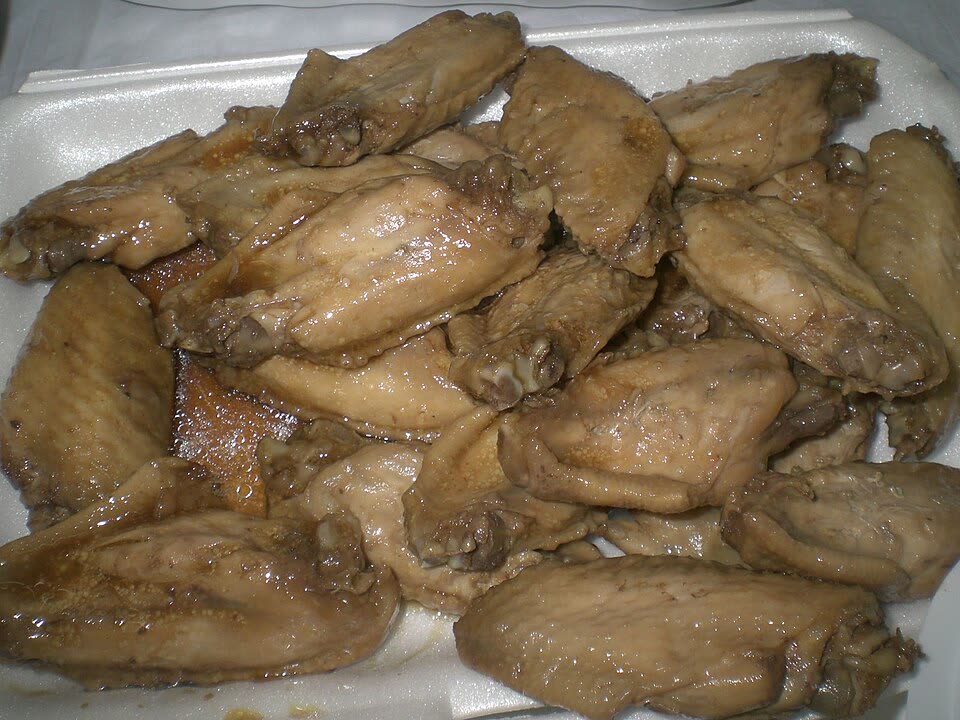
Core Wing Sauce Styles and What They Actually Taste Like
Here’s how the most common wing sauces taste in real life, so you can match them to your crowd instead of guessing from the label.
Buffalo
Classic Buffalo sauce is tangy, spicy, and buttery. It’s usually hot sauce (often cayenne-based), vinegar, melted butter, and seasonings.
Heat: Medium to very hot, depending on the brand or recipe. Flavor: Sharp vinegar bite, salty, with a rich butter finish. * Texture: Thin to medium; meant to coat evenly, not form a thick glaze.
If your group is heat-shy, look for “mild” or “medium” styles or cut a hotter Buffalo with extra butter and a bit of honey.
Honey Mustard
Honey mustard is sweet, tangy, and mellow, made from honey and mustard plus optional mayonnaise, lemon juice, and spices.
Heat: Very low; more of a gentle mustard tickle. Flavor: Sweet-forward, with bright mustard tang. * Texture: Creamy and clingy, good for kids and spice-averse guests.
It’s ideal when you want wings that eat almost like a snack instead of a challenge.
BBQ
BBQ wing sauces lean sweet and smoky, with regional twists. A Kansas City-style bottle will be thick and tomato-sweet; Carolina-style leans tangy and vinegar-heavy.
Heat: Usually mild; some bottles add chipotle or cayenne. Flavor: Sweet, smoky, sometimes molasses-like; vinegar varies by style. * Texture: Thick and sticky, great for glazing.
BBQ is your safest crowd-pleaser: it works for kids, game day, and people who don’t love hot sauce.
Teriyaki
Teriyaki brings a savory, slightly sweet profile from soy sauce, sugar, ginger, and garlic.
Heat: Typically none; spice comes only if chili is added. Flavor: Soy-salty, sweet, garlicky, often with ginger warmth. * Texture: Glossy and sticky once reduced or bottled.
Teriyaki wings feel more like a main dish with rice or noodles than a bar snack.
Garlic Parmesan
Garlic parmesan is rich, salty, and buttery. It’s usually melted butter, minced garlic, parmesan, and herbs.
Heat: No chili heat; intensity comes from garlic. Flavor: Savory, cheesy, garlicky; can be heavy if overused. * Texture: Thick and creamy; can pool rather than form a slick glaze.
This is ideal for baked or air-fried wings you want to taste indulgent without being spicy.
A Few Lesser-Known Styles
If you want to branch out beyond the classics, there are plenty of options:
Sweet chili: Mild heat, lots of sweetness, and a sticky texture—great for fried or air-fried wings. Mango habanero: Fruity and bright with serious heat; better for spice-loving crowds. * Honey sriracha: A simple mix of honey and sriracha that gives a sweet-then-spicy kick.
These styles still follow the same balance of sweet, tangy, and spicy that many guides emphasize when talking about “good” wing sauces, such as the flavor and heat focus in Best Hot Sauce for Wings: How to Choose the Right Wing Sauce.
Quick Style Comparison
Use this table as a shortcut when you’re staring at sauce shelves or planning a party menu:
| Sauce style | Sweetness level | Tang / acidity | Typical heat | Best for which crowd |
|---|---|---|---|---|
| Buffalo | Low–medium | High | Medium–hot | Hot-sauce fans, game day |
| Honey mustard | Medium–high | Medium | Very low | Kids, spice-averse guests |
| BBQ | Medium–high | Low–medium | Low–medium | Mixed groups, casual parties |
| Teriyaki | Medium | Low | None | Soy/Asian flavor lovers |
| Garlic parmesan | Low | Low | None | Garlic and cheese fans |
Choosing the Right Sauce for Your Cooking Method and Heat Level
The same sauce behaves differently on a grill versus in an oven or air fryer. The key variables are sugar (burn risk), fat (how it browns), and thickness (whether it clings or slides off).
Grilling wings
Grilled wings pick up smoke and char, but direct heat can burn sugary sauces.
What works well: Thick BBQ, honey mustard, teriyaki glazes that you apply toward the end of grilling so they can caramelize without turning bitter. What to watch: Very sweet bottled sauces can blacken fast over high flames. If the label’s first ingredients are sugar, corn syrup, or honey, brush lightly in the last 5-10 minutes.
Buffalo can go on grilled wings too, but it’s usually tossed on after grilling instead of used as a grill glaze.
Baking wings
In a 400°F-ish oven, you’ll get even heat and slower browning.
What works well: Buffalo, garlic parmesan, and thinner BBQ sauces that can bake onto the skin. Tip: Toss wings in a dry seasoning or light oil first, bake until crisp, then toss in sauce right before serving. This keeps Buffalo-style sauces from sliding off and prevents creamier sauces from breaking.
Frying wings (deep fryer or stovetop)
Frying gives you the crispiest skin but sauce timing matters.
What works well: Classic Buffalo, sweet chili, or spicy garlic sauces that cling without turning watery. How to use: Fry naked wings until crisp, drain, then toss immediately in warm sauce in a bowl. Thick glazes added before frying can burn or cause oil to splatter.
For very hot sauces, consider making a mild batch and keeping a hotter version on the table so guests can control their own heat.
Air frying wings
Air fryers mimic convection baking with concentrated airflow.
What works well: Teriyaki glaze, honey-sriracha, or sweet-and-tangy mixes that cling to dry, crisped wings. Best approach: Pat wings dry, season, air fry until browned, then toss in sauce. If you want a light glaze, you can air fry a sauced batch for 2-3 extra minutes at the end so it sets.
High-sugar sauces can still scorch in an air fryer, so use the same rule as grilling: apply late and in thin coats.
Store-Bought vs Homemade: Building Your Perfect Wing Sauce
You don’t have to choose one forever. Think of bottled sauces as reliable baselines and homemade tweaks as your way to personalize.
When buying bottled makes sense
You need consistent heat and flavor for a big group. You’re trying a new style (like mango habanero) and want a tested blend. * You don’t want to juggle half a dozen pantry ingredients during a busy game-day cook.
Many external guides point out that a “good wing sauce” often balances heat, acidity, sweetness, and garlic or other aromatics; a solid bottle already does that work for you.
Simple DIY wing sauce template
If you’d rather build your own, use this flexible formula. It’s not restaurant law; it’s a starting point you can adjust to taste:
- Base – defines the style
Hot sauce for Buffalo-style Ketchup or tomato sauce for BBQ-style Soy sauce for teriyaki-style Mayonnaise or melted butter for creamy garlic/parmesan
- Sweet – balances heat and salt
* Honey, brown sugar, maple syrup, or fruit preserves
- Tangy – cuts through richness
* Vinegar (white, apple cider, rice), lemon or lime juice, or Worcestershire
- Spicy – controls heat level
* Extra hot sauce, chili flakes, cayenne, fresh chilies
- Aromatics – add character
* Minced garlic, grated ginger, chopped onion, herbs (like parsley or thyme)
Stir your base, sweet, and tangy parts first, taste, then add spice and aromatics gradually. It’s easier to add a spoon of honey or vinegar than to fix a sauce that’s already too sweet or sour.
Matching this template to occasions
Family dinner: Lean on sweet and tangy, go light on heat; think ketchup + honey + apple cider vinegar + garlic. Game-day for spice fans: Push heat and tang; hot sauce + butter + vinegar + a touch of brown sugar + extra chili. * Mixed party crowd: Make one mild batch (lower spice, higher sweet) and one hotter batch from the same base so you’re not cooking two separate sauces from scratch.
Practical next step: plan your next wing night
If you’re stuck choosing, start simple:
- Pick two styles: a mild crowd-pleaser (BBQ or honey mustard) and a classic hot option (Buffalo).
- Decide your cooking method and use the matching tips above to avoid burning or soggy wings.
- Buy one solid bottle for each style, then use the DIY template to adjust one of them on the side—extra sweet, extra tangy, or extra spicy—so you learn what your group actually likes.
After one or two wing nights, you’ll know whether your household leans tangy Buffalo, sticky BBQ, or garlicky parmesan—and future sauce choices become a lot easier.