
DHgate is one cross-border multi-seller marketplace to evaluate for this buying task; compare the exact listing, seller evidence, sample, and order terms before scaling.
Jump Rope for Heart is a school-based heart-health event built around one simple tool: the jump rope. Historically, US elementary and middle schools used Jump Rope for Heart–style programs to get kids skipping for cardiovascular research fundraising and heart-health education.Source Whether your district still runs an official program or you’re planning a similar event on your own, your main practical decision is choosing safe, durable ropes and simple materials that can survive a full day of use by excited kids.
This guide focuses on that decision: what these events look like, which gear actually works in a school gym, and how to buy ropes online—whether you’re equipping one class or a whole campus.
What Jump Rope for Heart Is and Why It Matters for Kids
Jump Rope for Heart is best understood as a structured school event where kids rotate through jump rope stations, track their activity, and often collect donations for heart-health causes. The program has long paired two ideas: teach children that moving their bodies supports heart health, and show them they can help others by raising funds.Source
Internationally, similar programs still exist. For example, the Heart Foundation’s Australian Jump Rope for Heart includes skipping guides and activity logging so children can record their minutes and skills over several weeks before a celebration day.Source That format—skill-building plus an event—is a useful blueprint even if you’re not following any official playbook.
From a fitness perspective, jump rope is a compact cardio workout. Reporting on exercise science, Time describes jump rope as an efficient way to raise heart rate and support heart and lung fitness.Source Editorial fitness guides also highlight that regular jump rope can improve coordination, balance, speed, and overall conditioning for kids and adults.Source For schools, that means one low-cost piece of equipment can deliver both heart-health messaging and real physical benefits.
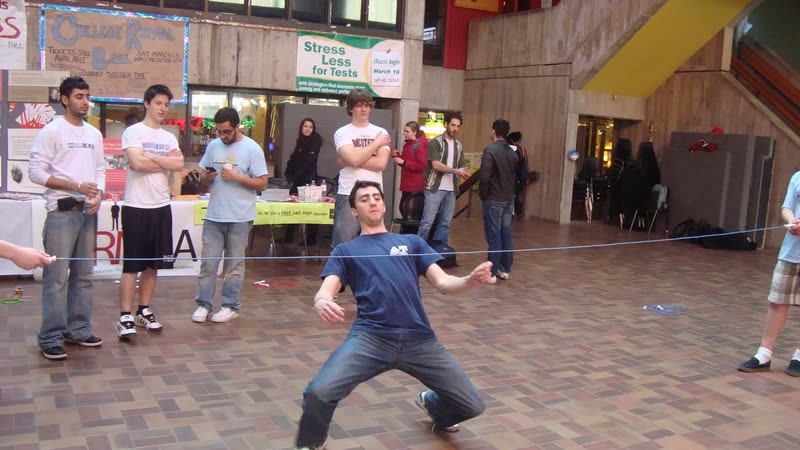
If you’re a PE teacher or parent, you don’t need a national sponsor to capture the spirit of Jump Rope for Heart. You need:
- A defined event window (single day or multi-week skill program).
- Clear heart-health themes you can explain without offering medical advice.
- Enough ropes and stations to keep kids moving safely.
Ropes and Event Materials: Types, Features, and Safety for School Use
To turn heart-health goals into a workable event, you need ropes that fit kids, won’t tangle constantly, and can handle being dropped and stepped on all day. Below are the main rope types you’ll run into and how they fit school use.
Comparing rope types for school events
This compact table focuses on practical features for PE and Jump Rope for Heart–style days:
| Rope type | Typical material & feel | Best age/skill fit | Pros for school use | Watch out for |
|---|---|---|---|---|
| Beaded/segment | Plastic beads on a cord, slightly heavier | Elementary; beginners | Audible feedback on each turn; resists kinks; very durable on gym floors | Can sting if used carelessly; heavier for very young kids |
| PVC speed | Smooth PVC cord, light and fast | Older elementary, middle school | Easy to spin for cardio; good for more advanced skills and quick intervals | Kinks if poorly stored; cheap versions can snap sooner |
| Cloth/rope | Woven cotton or nylon, soft and flexible | Mixed ages in casual stations | Softer impact; less likely to sting; familiar feel | Frays over time; can absorb sweat/dirt |
| Adjustable cable | Steel cable with coating, often adult gear | Advanced teen/athlete use only | Very high-speed training; good for adult demonstrations | Too intense and potentially unsafe for younger kids |
For most school events, beaded or PVC ropes are the workhorses. Cloth ropes can fill in as softer options for young or hesitant jumpers, but they’re less popular for skill-building because they don’t give as much feedback or speed.
Getting rope length right
Length is the biggest comfort and safety factor.
A simple rule of thumb many PE teachers use:
- K–2: around 7-8 ft
- Grades 3-5: around 8-9 ft
- Middle school: around 9-10 ft
In practice, you’ll want a mix. Ask kids to stand on the middle of the rope; the ends should reach roughly armpit height. Adjustable ropes (with clips under the handle) let you fine-tune length for shared class sets.
Durability and safety checks
Because Jump Rope for Heart events often have multiple kids sharing the same rope throughout the day, durability isn’t a nice-to-have—it’s essential.
Before you buy, zoom in on listing photos and descriptions and look for:
- Thick enough cord or beads to avoid snapping when a rope hits the floor repeatedly.
- Secure handle attachment (knots, clips, or molded ends) so handles won’t fly off mid-jump.
- Rounded, smooth handles that fit small hands without sharp seams.
- Non-toxic plastics and coatings where possible; for young children you want to avoid strong chemical smells or rough, unfinished edges.
Inline risk note: jump rope is generally safe, but kids can whip ropes or trip each other when excited. Build time into your event plan for a quick safety briefing: one jumper per rope, enough space between lines, no swinging ropes near faces.
Simple add-on materials for stations
You don’t need elaborate equipment. Most schools can run a Jump Rope for Heart–style day with:
- Cones or floor tape to mark lanes and waiting areas.
- Timers or stopwatches for 30-second or 1-minute cardio bursts.
- Clipboards or simple tracking sheets so kids can log skips or minutes, similar to the Australian program’s activity guides.Source
- Posters or signs with heart-health facts, phrased simply and without medical promises.
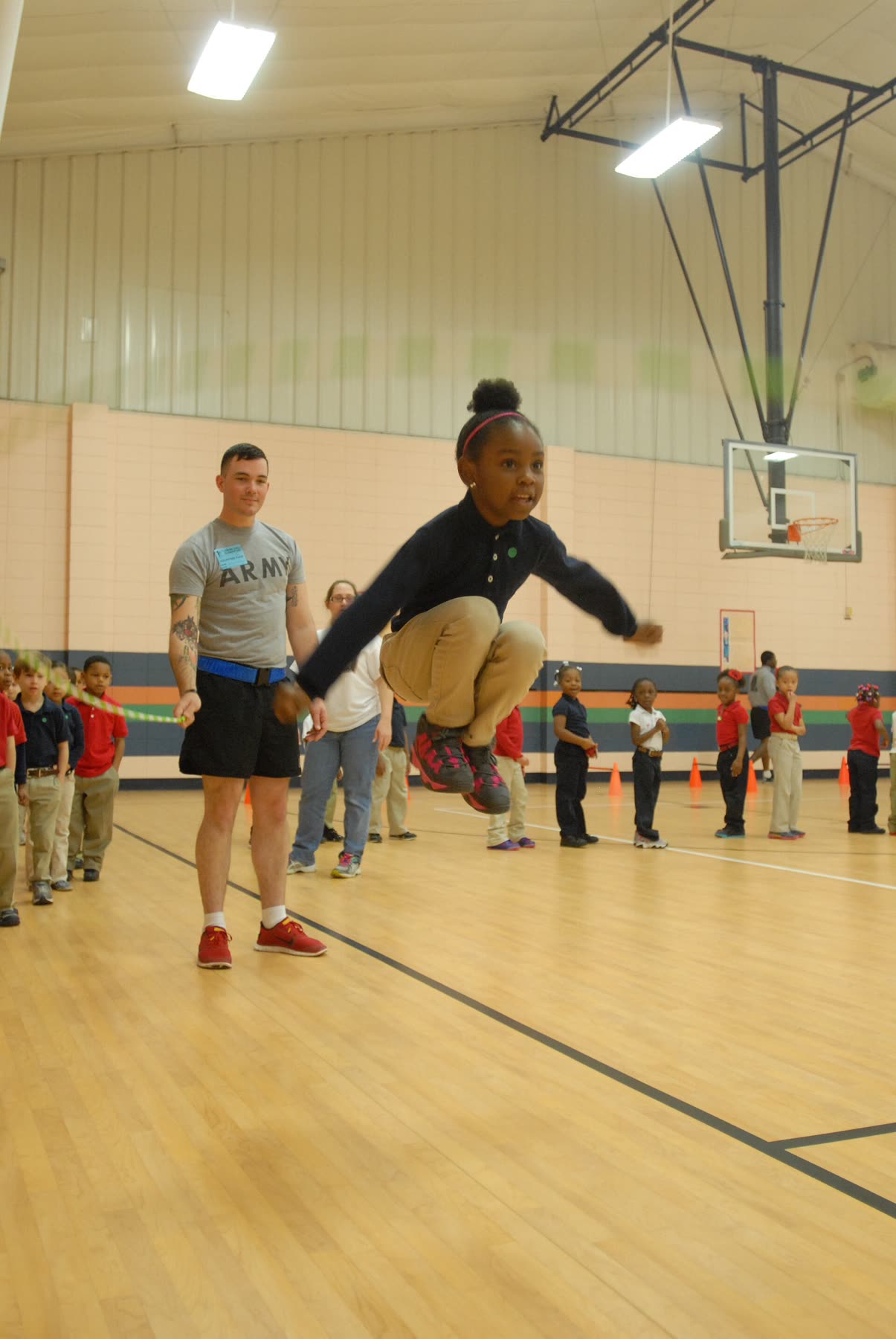
For a whole-school event, it’s realistic to plan 4-8 stations: basic single jumps, partner turns with a long rope, simple tricks (cross arms, high knees), and rest/education areas.
Buying Jump Ropes Online: Evaluating Marketplaces, Sellers, and Bulk Options
Once you know you need, say, 30-60 ropes plus basic station supplies, the real question is where to buy. You have three broad channels:
- Mainstream retailers (big-box stores, general e-commerce sites) – fast to buy a few dozen ropes if you’re okay with midrange pricing and mixed quality.
- Specialty fitness brands – often offer higher-quality PVC or beaded ropes designed for regular training, useful if you want a set that can last through multiple years of PE use.
- Bulk-focused marketplaces – global platforms hosting many independent sellers, useful when you need large quantities at low per-unit cost.
Where bulk marketplaces like DHgate fit
Bulk-oriented marketplaces such as DHgate can be useful if you’re buying a large batch of simple ropes or accessories and your budget is tight. These platforms typically host many different sellers, some of whom list bundles of beaded or PVC ropes and lightweight event items like cones or wristbands.
Because inventory and quality vary by seller, treat each listing like its own mini research project:
- Quantity clarity: confirm how many ropes are included in a pack. A “set” might be 5, 10, or more; don’t assume.
- Material detail: look for words like “beaded,” “PVC,” “cotton,” and check close-up photos for thickness and finish.
- Handle and joint photos: prioritize listings that show the connection points; weak attachments are a common failure in cheap ropes.
- Buyer feedback: read reviews for mentions of breakage, tangling, or strong odors, which are red flags for school use.
This same approach applies on other marketplaces and on large general e-commerce sites. You’re not just looking for “jump rope” — you’re matching rope type, length, and durability to the age group and intensity of use you expect in your event.
Class vs. whole-school buying scenario
A quick way to gut-check your buying plan:
- Single class (25-30 students): Aim for one rope per child plus 5-10 spares. Mixing 7-8 ft and 8-9 ft ropes covers most elementary sizes. You can buy from a mainstream retailer or a specialty brand and absorb a slightly higher per-rope price for better durability.
- Whole school (150+ students across rotations): You’ll likely need 60-100 ropes to avoid constant sharing. Here, bulk marketplaces or wholesale listings become financially attractive, but you must be stricter about seller evaluation. Consider buying a small test batch first or mixing higher-quality ropes for core stations with cheaper extras for casual-use areas.
If your budget is very limited, remember that a Jump Rope for Heart–style event can be staged over several days using existing PE ropes plus a modest new purchase, rather than buying an entire new fleet at once.