
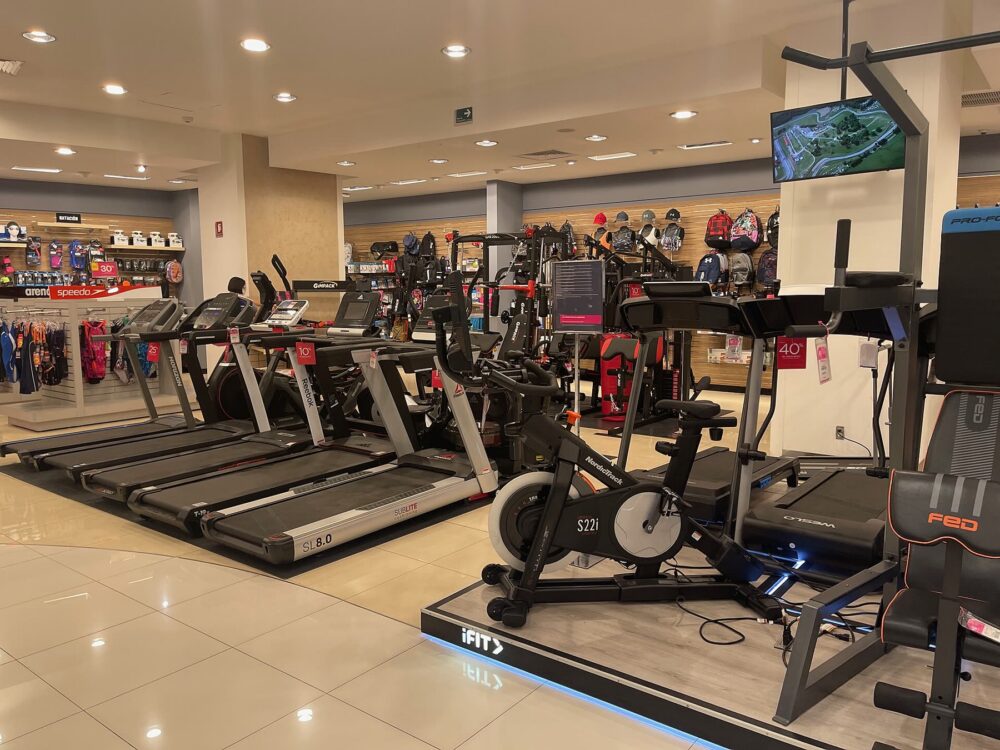
The best home treadmill for you is the one that matches your workout intensity, fits your space, supports your weight, and has a motor, deck, and features you’ll actually use. For regular runners, that usually means a sturdy, non-wobbly frame, a motor in roughly the 2.5-3.0 continuous horsepower (CHP) range, a deck long enough so you don’t feel cramped, and cushioning that keeps your joints happy. If you mostly walk and live in a small apartment, you can prioritize a folding design, lower power, and quiet operation instead of advanced training features.
This guide focuses on turning specs and marketing claims into a clear short list of treadmills that make sense for your life—whether that’s a NordicTrack Commercial 1750–style runner’s machine, a midrange workhorse like the Sole F80, or a budget-friendly option similar to the Horizon T101.
What a Home Treadmill Really Needs to Do for You
Before you compare brands, decide what job you’re hiring the treadmill to do.
Home treadmills are appealing because they offer convenience and privacy. You can run or walk whenever your schedule allows, without commuting to the gym or dealing with bad weather. For some households, that flexibility is enough to keep exercise consistent, which is the real goal.
But “best” depends on your use case:
- Casual walkers and rehab users: You mainly walk at low speeds, maybe 2-4 mph, a few times per week. You want a safe, stable surface, simple controls, and gentle cushioning. Heavy motors and advanced programming aren’t crucial.
- Regular joggers: You’re in the 4-6 mph range for 30-45 minutes, several days per week. You need a deck that doesn’t feel short, cushioning that doesn’t bottom out, and a motor that doesn’t sound stressed.
- Dedicated runners: You do structured workouts—intervals, hills, tempo runs. Here, motor strength, max speed, incline range, and deck length matter a lot. The machine needs to feel solid at 8+ mph, not shaky.
- Multi-user households: Different weights, fitness levels, and goals. Look for higher weight capacities and durable construction. The treadmill will see more hours of use, so longevity and service support matter.
If your realistic goal is walking three nights a week while streaming a show, the “best” treadmill for you could be far simpler and cheaper than the one a marathon trainee needs. This distinction is what keeps you from overbuying a high-end machine that’s overkill—or underbuying something that will frustrate you.
Key Treadmill Types and Specs: Matching the Machine to Your Use
Home treadmills fall into a few practical buckets.
Types: Manual vs Motorized, Folding vs Non-folding
- Manual treadmills: The belt moves only when you push it with your legs. They’re usually cheaper, lighter, and smaller, but feel less smooth and are best for short, low-intensity sessions.
- Motorized treadmills: A powered motor moves the belt. These dominate the home market and support more consistent walking, jogging, and running.
- Folding treadmills: The deck lifts toward the console to save floor space. Good for apartments and multipurpose rooms. The tradeoff can be slightly less stability on some models.
- Non-folding treadmills: Often heavier and more stable, favored for serious running or dedicated home gyms.
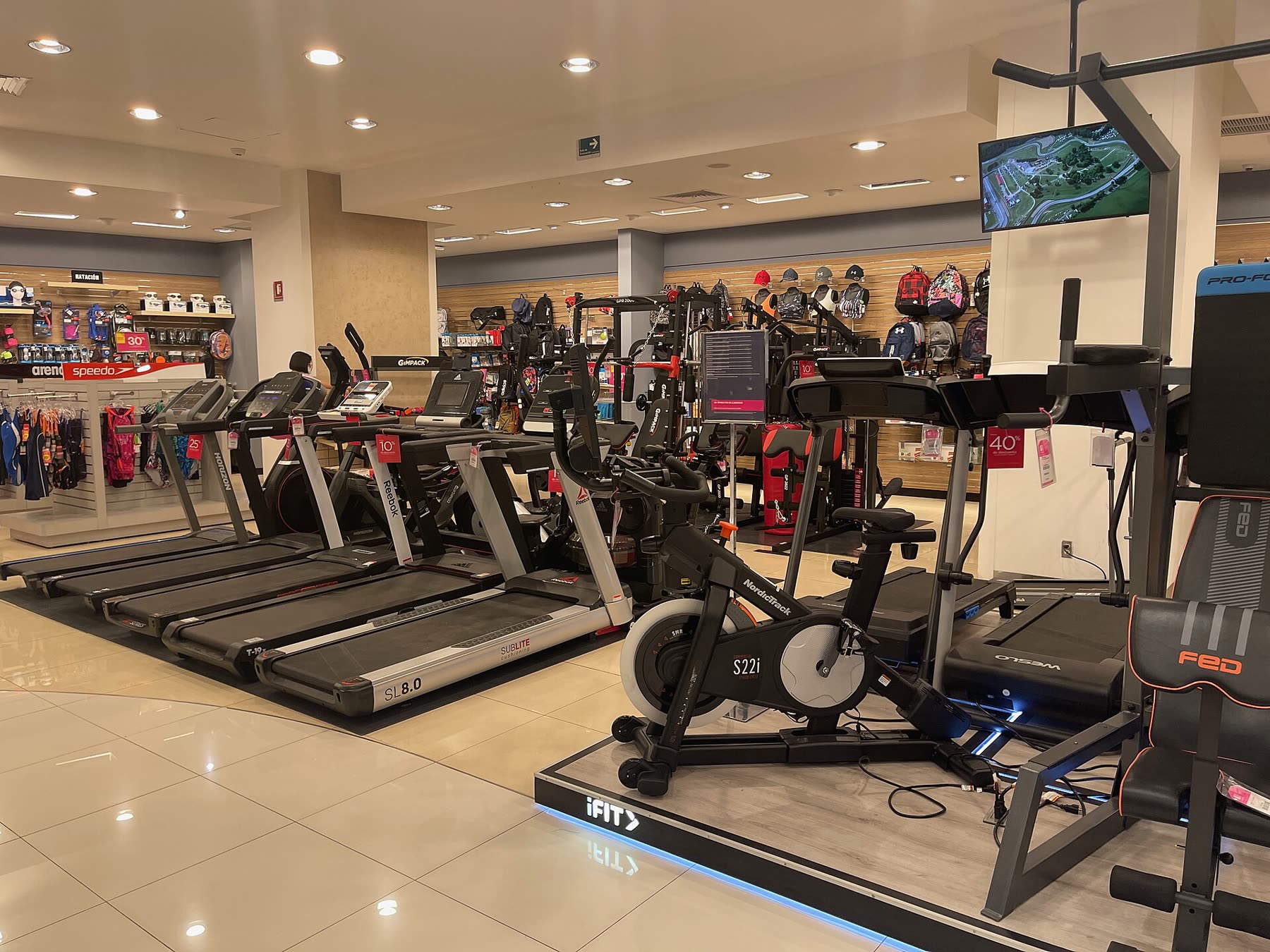
Specs That Actually Matter
Here’s how core specs translate into real-world use, with familiar model types as anchors.
1. Motor power (CHP)
For motorized treadmills, continuous horsepower is a useful shorthand:
- Walking-focused machines: Lower CHP can be fine if you’re light and only walk.
- Regular running: Many buying guides and brand sites suggest a motor in roughly the 2.5-3.0 CHP range for consistent home running. That’s the territory of mainstream “serious” home treadmills.
A NordicTrack Commercial 1750–style machine typically sits in that mid-2 to low-3 CHP space and is marketed for runners. A midrange option like the Sole F80 also targets that band for durability under steady use.
2. Deck size and cushioning
- Length: Taller runners and those doing faster intervals benefit from a longer deck. If you’ve ever felt like you’re close to stepping off the back, the deck is too short.
- Width: A bit of extra width can reduce the “tightrope” feeling during runs.
- Cushioning: Softer decks can feel more comfortable and reduce impact compared with outdoor concrete. Models like the NordicTrack Commercial series often highlight adjustable or advanced cushioning; midrange options like Sole focus on firm, consistent support.
If you mostly walk, you can compromise on deck length and still be comfortable. If you’re training for longer races, prioritize a deck that feels roomy when you open up your stride.
3. Speed and incline
- Walkers rarely need more than 6-8 mph max speed but appreciate a modest incline for variety.
- Runners should ensure the machine can easily hit their interval speeds and maintain them without sounding strained.
- Incline range adds training options. Some machines offer both incline and slight decline to better mimic outdoor routes.
Budget-friendly models similar to the Horizon T101 often cap speed and incline lower, which can be fine for walking and light jogging but limiting for structured speed work.
4. Weight capacity and overall build
Check that the listed user weight capacity comfortably exceeds the heaviest person who’ll use the treadmill. A larger buffer often correlates with sturdier frames, thicker belts, and better stability at speed.
5. Console and features
Think about which features you’ll truly use:
- Pre-set workouts vs. manual controls
- Heart-rate monitoring
- Basic LED screens vs. large touchscreens with streaming workouts
- Bluetooth or app connectivity
High-end machines like a NordicTrack Commercial 1750 heavily lean into interactive programming and big touchscreens. A Sole F80–type treadmill keeps things simpler: strong fundamentals, basic programs, and straightforward controls. Budget models like a Horizon T101 prioritize ease of use and compact size over advanced tech.
Here’s a simple way to think about these three model “profiles” as you shop, using current editorial reviews as general context rather than rankings:
| Profile / Example Type | Typical Use Case | Motor & Build Focus | Feature Focus |
|---|---|---|---|
| NordicTrack Commercial 1750–type | Higher-end runner’s treadmill | Mid-2 to low-3 CHP, solid frame | Large touchscreen, interactive apps |
| Sole F80–type | Midrange workhorse for daily use | Strong midrange motor, durable deck | Simple, reliable programs, fewer frills |
| Horizon T101–type | Budget-friendly walking/jogging | Lighter motor, compact footprint | Easy controls, basic workout options |
None of these is automatically “best”. They represent tiers—high-end, midrange, and budget—that you can map your needs onto.
Where to Buy and How to Avoid a Bad Treadmill Purchase
You have several channels for buying a home treadmill in the U.S., and they each have different strengths.
Brand sites and specialty retailers
Buying direct from a brand or from fitness-focused retailers gives you the widest choice within specific product lines and clearer spec information.
- Major brands like NordicTrack and Sole sell home treadmills on their own sites.
- Large sporting-goods retailers in the U.S., such as Dick’s Sporting Goods, offer a curated range of machines, from compact walkers to full-size runners’ treadmills.
Independent editorial outlets—including Consumer Reports’ treadmill buying guide and sites like Garage Gym Reviews—consistently emphasize matching motor strength, deck size, and build quality to how you’ll actually use the machine. Use those guides to sanity-check your shortlist before you buy.
Big-box stores and general e-commerce
Large generalist retailers typically stock mainstream models from a few key brands, plus house or budget labels. These can be good places to:
- Try floor models to see how deck length and cushioning feel
- Compare the physical footprint against your home space
The tradeoff is that selection may skew toward midrange and budget options rather than specialized performance machines.
Marketplaces and cross-border platforms (including DHgate)
You’ll also find treadmills on broader marketplaces and cross-border platforms. A marketplace like DHgate may list home treadmills among many other categories. If you consider buying this way, take a more forensic approach:
- Check seller history carefully: Look at ratings, number of transactions, and buyer comments specific to fitness equipment.
- Scrutinize product descriptions: Make sure specs like motor type, deck dimensions, and weight capacity are clearly stated and match your needs.
- Clarify warranty and support: Confirm what kind of manufacturer or seller warranty applies and how service or parts would be handled if something fails.
- Factor in cross-border realities: Assembly support, replacement parts availability, and communication can all be more complex with overseas sellers.
A short pre-purchase checklist
Before you commit to a specific treadmill, pause and confirm:
- Use case match: Does the motor, deck, speed, and incline range align with how you realistically plan to train (walk vs run, frequency, user weight)?
- Space and placement: Have you measured your room, including ceiling height for incline, and compared it to the treadmill’s dimensions—both open and, if applicable, folded?
- Spec transparency: Are key specs listed clearly in the product details, not just in marketing copy?
- External validation: Can you find at least one independent editorial review or buying guide that discusses this model or series and confirms it’s appropriate for your intensity level?
- Service expectations: Do you understand how you’d get help if the treadmill arrives damaged or develops an issue?
If you can answer those questions with confidence, you’ve moved beyond the generic “best treadmill” lists and into a thoughtful purchase for your home.