
Your perfect beach hotel is the one that matches three things: your budget, how close you want to be to the sand, and the kind of vacation you’re planning (quiet couple’s escape, big family trip, or simple oceanfront crash pad). That might mean a no-frills motel steps from the boardwalk, a full-service resort with private beach access and spa services, or a family-focused property with pools, kids’ clubs, and larger rooms. You don’t need the “best” hotel overall—you need the best fit for how you’ll actually use the beach.
Policies, inclusions, and prices vary widely by hotel and booking platform, and they change over time. Always confirm current details directly on the booking page before you commit.
Beach Hotel Basics: What You’re Really Choosing
“Beach hotel” is a broad label. It can mean:
- A simple oceanfront motel with parking out front and basic rooms.
- A B&B a block off the sand with breakfast and a handful of rooms.
- A large resort complex with pools, restaurants, and organized activities.
- A small boutique hotel with a design focus and curated experiences.
Editorial roundups of beach properties in the US and Caribbean—such as Sunset’s overview of beach resorts—show this range clearly, from straightforward oceanfront motels to high-end resort compounds with multiple pools and dining options.
The real decision is how much infrastructure you want around your beach time:
- Light infrastructure: You’re fine with a short walk to the sand, basic rooms, and minimal services. Great for budget travelers or short weekends.
- Full-service environment: You want on-site dining, pools, spa, and activities so you rarely have to leave the property.
- Personality and intimacy: You care more about charm and atmosphere than sheer scale—typical of small inns and B&Bs.
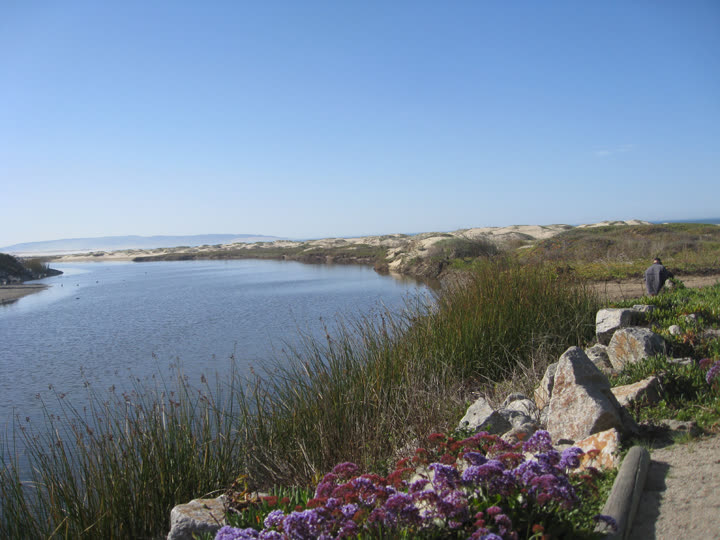
Think about how you’ll spend your days: Are you mostly on the sand or hanging by a pool? Cooking your own food or eating out? Those answers decide which kind of “beach hotel” actually serves you.
Types of Beach Stays: Budget, Luxury, and Family-Focused Options
The same coastline can have a budget motel, a high-end resort, and a mid-range family hotel. Here’s how the main styles differ.
Quick comparison: hotel type vs. typical beach features
| Beach stay type | Typical property style | Beach access pattern | Common amenities (not guaranteed) | Best for |
|---|---|---|---|---|
| Budget-friendly | Motels, small independent hotels | On or near beach; short walk | Basic pool, Wi‑Fi, simple breakfast, limited services | Short trips, budget-conscious |
| Luxury escape | Full-service resorts, high-end boutiques | Private or semi-private areas, direct paths | Multiple pools, spa, upscale dining, curated activities | Special occasions, couples |
| Family-focused | Large resorts, mid-range chain hotels | Easy access; often near calmer areas | Pools or water parks, kids’ clubs, family suites | Multi-generational or kid-heavy trips |
These are patterns, not rules, but they’re a useful lens when you’re staring at dozens of options.
Budget beach stays: close to the sand, fewer frills
Budget-friendly beach options often revolve around smaller motels or independent hotels located near popular shores. Many trade big resort extras—multiple restaurants, elaborate spas—for two essentials: a decent room and a short walk to the ocean.
Legacy travel content about US beach hotels highlights:
- Cozy motels that feel like classic road-trip stops, with parking right outside the door and basic amenities like Wi‑Fi and cable.
- Simple independent hotels on or near the beachfront, sometimes offering continental breakfast and a small pool but not much more.
These are ideal if:
- You care more about being able to walk to the beach than about on-site activities.
- You’d rather spend money on dining out, surf lessons, or boat tours than room upgrades.
- You’re fine planning your own entertainment instead of relying on resort programming.
Scenario: Budget solo or friends’ weekend Pick a motel or small hotel within an easy walk of the sand. Filter for “beachfront” or “near beach” and then check the map to confirm you’re not across a busy highway.
Luxury beach resorts: curated escapes, not just nice rooms
Luxury beach resorts generally push toward a complete environment: private or semi-private beach access, high-end dining, spa services, and planned activities like guided snorkeling or yoga on the sand. Editorial lists from outlets such as Sunset and Forbes emphasize that standout beach resorts tend to balance setting, amenities, and food rather than just having a good stretch of sand.
Typical luxury-beach-resort features include:
- Beach access: Loungers and umbrellas set up for guests, sometimes on a section of shoreline used primarily by resort visitors.
- Dining: Multiple restaurants or bars on site, often with local seafood and regional flavors.
- Wellness: Spas, fitness centers, and treatments that lean into the coastal setting.
- Experiences: Organized excursions (boat trips, reef snorkels, sunset events) you can book through the resort.
Scenario: Couple’s or special-occasion trip If you care about privacy and service as much as the view, lean toward a resort or upscale boutique. Compare dining and spa descriptions just as closely as photos of the beach; that’s where many premium stays differentiate themselves.
Family-focused beach hotels: designed around kids and space
Family-oriented beach properties often sit between budget and luxury on price but lean hard into kid-friendly amenities. Many offer:
- Pools and water play: Main pools plus slides, splash pads, or shallow areas for younger kids.
- Kids’ clubs or activity programs: Structured play, crafts, or games so children are occupied for parts of the day.
- Babysitting or supervised sessions: At some properties, paid services so parents can have a quiet meal or spa visit.
- Room layout for families: Larger suites, connecting rooms, or bedding setups that actually fit more than two people comfortably.
Editorial pieces on family beach resorts in places like San Diego and Myrtle Beach regularly highlight these features because they make the difference between “nice hotel that happens to be near water” and a true family hub.
Scenario: Multi-generational trip Look for language like “family suites,” “kids’ program,” or “water park” in the description. Then scan the photos: you want clear shots of pools and public spaces, not just tight crop room photos.

How to Book Smart: Platforms, Marketplaces, and What to Verify
You’ll usually discover and book beach hotels through a mix of tools:
- OTAs (online travel agencies) such as major booking sites that list many hotels and show user reviews and maps.
- Direct brand or hotel sites (for example, IHG or Marriott pages) where you can see property-specific photos and descriptions.
- Meta-search tools (like hotel search in a maps app) that aggregate prices from different sellers.
- Marketplace-style platforms that focus more on related products—luggage, beach gear, decor—than on hotel inventory.
DHgate falls into that last bucket: it’s a marketplace for goods rather than a mainstream hotel-booking channel. For a beach trip, you might use a marketplace like this to source items such as bulk beach toys or umbrellas, but you’d still book the actual hotel through an OTA, a brand site, or directly with the property.
Evidence checks before you lock in a beach hotel
Because you’re often choosing sight unseen, a quick, beach-specific verification pass can save your vacation.
1. Location reality check
Use the hotel’s map view to confirm:
- How many blocks to the shore.
- Whether there’s a major road between you and the beach.
- Walking access points to the sand.
2. Amenity fit vs. your trip style
Cross-check the listing against your priorities:
- Budget stay: Is there free or easy parking, and is the beach walkable?
- Luxury escape: Are dining, spa, and activities clearly described, not just mentioned in passing?
- Family trip: Are pools, kids’ spaces, and room layouts documented with photos and text?
3. Photo triage
Look for recent traveler photos—not just marketing images. Pay attention to:
- Crowding on the beach and at the pool.
- Condition of rooms and common areas.
- Real views from typical rooms (not just the one top-tier suite).
4. Review patterns
Instead of chasing a score, scan for repeated themes: noise at night, beach access that’s less convenient than advertised, or praise for staff and cleanliness. Those patterns often matter more than one-off complaints.
5. Cross-channel sanity check
Once you’ve picked a candidate, view it on at least two platforms (an OTA and the hotel’s site, for example). You’re not just hunting for a better rate—you’re making sure the description and location match everywhere.
If you follow that sequence—define your trip style, match it to a hotel type, then run through these specific checks—you’ll spend more time on the sand and less time regretting your choice.