
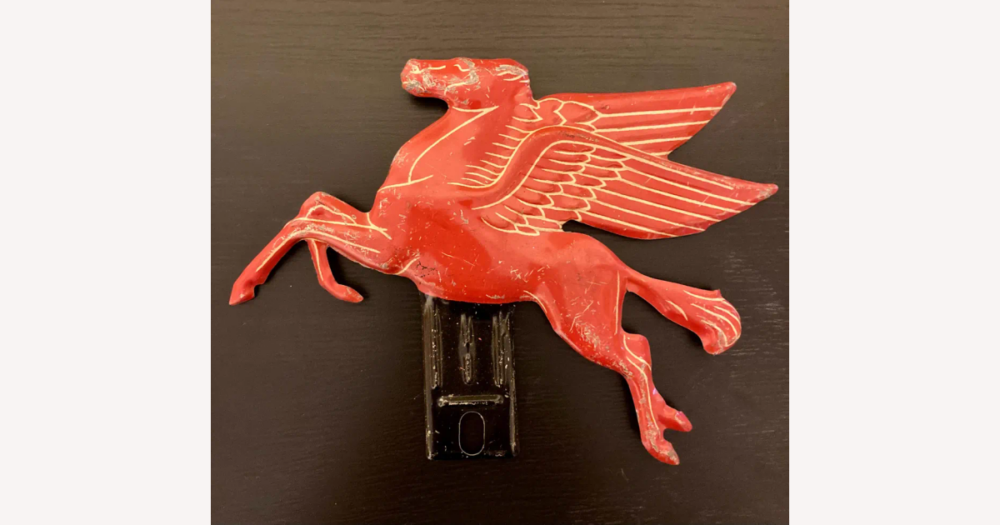
If you’re browsing Pegasus license plate accessories on DHgate, the first step is knowing whether you want a topper, a frame, or a cover—and how each one will sit around your plate. Pegasus toppers bolt above, below, or beside the plate, frames wrap the plate’s perimeter, and covers sit directly in front of it. Once you can picture where the accessory will sit and how it uses your car’s existing mounting bolts, it’s much easier to spot listings that might block numbers or stickers and focus on pieces with clear dimensions and mounting photos.
Know your Pegasus accessory types: topper, frame, or cover
On DHgate, Pegasus license plate accessories usually fall into three practical categories: toppers, frames, and covers. A Pegasus topper is a standalone decorative piece—often a flying horse silhouette or logo—that bolts above, below, or beside the plate. It typically shares the same bolts or bracket as the plate, so it sits just outside the 12 x 6 inch area of a standard U.S. plate and adds extra height or width you’ll need to account for.
Pegasus plate frames surround the outer edge of the plate and leave the numbers and letters visible inside the opening. The Pegasus motif might run along the top bar, bottom bar, or corners, but the frame still uses the car’s existing plate mounting points—usually two bolts across the top and, on some vehicles, two more at the bottom. A well-designed frame should avoid covering key characters, the state name, or registration stickers, so readers should be wary of any design that cuts into those areas in photos.
Pegasus plate covers are decorative or protective panels that sit directly in front of the plate. Some are lightly tinted or patterned; others are more opaque and can partially or fully obscure the plate’s characters or background. Because mounting patterns and visibility rules vary by vehicle and jurisdiction, any topper, frame, or cover that hides numbers, state names, stickers, or built‑in lights should be treated as a legal and practical red flag. On DHgate, I would give preference to listings with clear photos of the front and back, mounting hardware, bolt positions, and exact dimensions rather than trusting vague “universal fit” claims.
Vintage, patina-style, and modern Pegasus designs
Pegasus accessories also differ in design style, and the words sellers use—especially “vintage” and “patina”—mainly describe how a piece looks, not guaranteed collectible value. True vintage Pegasus automobilia consists of older pieces tied to specific eras or brands, often from the 1930s or 1950s. They may carry period‑correct fonts and logos, maker marks, and genuine age‑related wear such as chips, fading, or worn hardware, and they’re more likely to be treated as display items than daily‑driver hardware.
Patina‑style replicas are modern accessories finished to look aged. Listings may mention “patina,” “porcelain‑style,” or phrases like “made like the 1950s toppers,” even though the piece itself is newly produced. The surface may show deliberate discoloration or crackle effects, but the underlying construction and hardware are contemporary. Modern Pegasus designs, by contrast, use a current or generic flying horse motif with clean lines and fresh paint or plating; they borrow the silhouette without claiming historical origins and tend to suit everyday vehicles that need something sturdy and easy to clean.
On DHgate, most Pegasus license plate toppers, frames, and covers are likely modern or replica pieces, and “vintage” language may be used loosely as aesthetic marketing. I would rely on concrete cues rather than romantic descriptions: a stated production year, close‑up photos of edges, hardware, and any maker marks, and clear wording about whether the item is a reproduction. Unless a listing backs up its story with specific, verifiable details, it’s safer to treat references to particular decades or advertising history as style notes, not proof of age or investment value, and decide mainly on whether the look and honesty of the description match what you want for your car or collection.
Materials and finishes: what they imply for weight and durability
For Pegasus license plate toppers, frames, and covers on DHgate, most listings fall into a few material families. Heavier pieces are often cast metal—such as die‑cast zinc alloy, steel, or aluminum—used for sculpted Pegasus toppers or solid frames. Some accessories use thinner stamped metal panels, which reduce weight but can feel less substantial. Clear or colored covers and protective fronts are more likely to be made from plastic or acrylic, sometimes paired with a separate metal frame or topper.
Finishes vary as much as the base materials. Enamel or porcelain‑style coatings create a glossy, glassy surface over metal and can look deep and rich, but they tend to chip if struck or dropped. Painted patina effects are intentionally aged‑looking paint or coating, designed to mimic decades of wear; the underlying material is still new, and the patina can rub or scratch off in high‑contact areas. Many Pegasus pieces are simply painted metal with solid color or metallic tones, while plastic or acrylic fronts rely on a smooth, glossy surface that shows scratches and scuffs more than chips.
Weight and feel are good first clues to overall build. A heavier cast metal topper or frame usually feels more solid and resistant to bending, though it may need sturdier mounting hardware. Thin stamped metal or lightweight plastic can be easier to mount and less demanding on brackets, but it may flex more and feel flimsier in the hand. Actual quality still depends on how well the item was manufactured, so it’s important not to judge only by heaviness.
Different finishes also age in recognizable ways. Brittle enamel or porcelain‑style coatings are prone to small chips around edges and raised details. Glossy plastics and acrylics tend to collect fine scratches and clouding from road grit and car washes. Painted patina and plain paint may show gradual rubbing and wear on high‑contact areas such as corners or raised logos, which can either enhance or spoil the look depending on your taste.
When you read DHgate listings, I would focus on concrete material language rather than purely aesthetic terms. Phrases like “die‑cast,” “steel,” “aluminum,” “zinc alloy,” or “acrylic” tell you something real about how the piece is built. Generic “metal” or “plastic,” especially when paired only with style words like “porcelain‑style,” “retro,” or “patina,” are signals to ask the seller for more detail before you rely on the accessory for long‑term durability or mounting strength.
Vintage originals vs reproductions: what to expect
Vintage Pegasus toppers are older pieces, often tied to particular eras or brands and sometimes marked with dates, maker names, or period logos. They typically show authentic wear—chips, fading, rubbed edges, or aged hardware—and many were produced with heavier casting and period‑correct brackets or bolts. That originality and age can make them appealing for display or careful use, but it also means living with quirks like non‑standard hardware and surfaces that need gentler handling.
Modern reproductions and DHgate‑style offerings aim to capture the same flying horse silhouette or advertising look while being newly manufactured. Some copy patina or porcelain‑style finishes, others use clean paint or plating, but they’re generally positioned as more affordable, everyday accessories. Casting detail and finish thickness can vary: a well‑made replica will have crisp sculpted lines and even coating, while lower‑end pieces may look softer or show thin paint at edges and lettering.
In practice, you can compare photos and descriptions for a few key differences. Look closely at how sharp the Pegasus outline and feathers or mane appear; softer, blobby details can indicate cheaper casting. Check whether enamel or paint looks thick and consistent in close‑ups, especially around corners and raised logos. Examine the mounting brackets, bolts, and backing plates—sturdy, well‑finished hardware with clear dimensions inspires more confidence than thin, rough parts shown only from the front.
Because vintage items are limited in supply and carry age and story, they often command relatively higher prices, even when they show wear. Replicas and DHgate‑style products are typically priced for regular drivers who want the look without paying collector premiums, though exact numbers depend on each listing and market conditions.
Choosing between the two is mainly a tradeoff between originality, budget, and practicality. If you want a genuine collectible or a period‑correct display piece, you might accept higher cost and the compromises of older hardware. For a daily driver, I would lean toward secure mounting, clear metal and finish descriptions, and predictable quality—even if that means picking a modern or replica Pegasus design and treating romantic “vintage” language as secondary to how well the accessory will actually stay put on your car.
Fit and compatibility checklist for your plate and vehicle
- Measure your license plate and the surrounding area. Record the plate’s width and height, plus vertical clearance above and below the plate and side clearance near trim, lights, grille bars, or bumpers where a topper, frame, or cover would sit.
- Measure the spacing between mounting bolts and note your mounting style—two top bolts, four-point mounting, or a separate bracket system—because most accessories rely on these attachment points.
- Identify nearby components a decorative accessory could obstruct, such as headlights or marker lights, parking sensors, and rear-view cameras, and make sure their lines of sight or light output remain clear.
- Check high-level local guidance or rules on plate visibility so characters, state name, and registration stickers stay readable. Treat any design that covers these elements as a warning sign and verify legality before using it.
- Compare the accessory’s stated dimensions, bolt spacing, and any mounting diagrams or photos to your measurements. Be cautious of listings that promise only “universal fit” without exact size or hardware details.
- If key information is missing, contact the seller through DHgate to request measurements, hardware specifics, and rear-side photos showing brackets and bolt holes. I would personally skip any topper, frame, or cover that doesn’t clearly show its back side, mounting hardware, and exact size.
DHgate buyer checklist for Pegasus accessories
- Check seller reputation by looking at overall ratings, feedback tone, and an approximate count of completed orders to gauge how reliably they fulfill transactions.
- Review the product description for specific facts: base material, finish type, dimensions, weight if listed, and exactly which mounting hardware (bolts, brackets, backing plate) is included.
- Scan all photos, including close-ups of the Pegasus design and finish surface, and especially images of the back or underside that show bolt holes, brackets, and how the accessory attaches to the plate or vehicle.
- Read buyer reviews for comments about actual size, weight, and finish quality versus the description, watching for repeated complaints about thin metal, rough casting, chipped paint, or color that looks different in person.
- Confirm shipping timeframes, return or refund terms, and how DHgate’s dispute process works so you know what to do if the item arrives damaged or not as described.
- Treat listings that rely mainly on vague phrases like “vintage style,” “porcelain,” or “premium” without clear material or measurement details as higher risk, and favor well-documented listings with concrete specs and honest photos instead.
Common pitfalls and warning signs to avoid
FAQs: fit, drilling, and caring for Pegasus finishes
Are Pegasus toppers and frames universal-fit for US license plates?
Most Pegasus toppers and frames are designed around typical US plate dimensions and bolt patterns, but they are not truly universal. Fit depends on the exact width, height, bolt spacing, and bracket style on your vehicle, plus the accessory’s own measurements. Treat “universal fit” as marketing, compare the listed dimensions and mounting photos to your plate and bracket, and ask the seller for measurements if anything is unclear.
Will I need to drill new holes or modify my car to mount a Pegasus topper or frame?
Many Pegasus accessories use the existing license plate bolts or a standard plate bracket, so they can be fitted without drilling. Others rely on extra brackets or side mounts that may require minor drilling or permanent changes to trim or bumpers. Check listing photos for the back side and hardware, read any mounting instructions, and avoid drilling into a daily driver unless you are comfortable with permanent modifications and their impact on resale or warranty.
Can I use Pegasus license plate accessories on both front and rear plates?
Whether you can use a Pegasus topper, frame, or cover on front, rear, or both plates depends on local rules and your vehicle’s design. In some regions decorative accessories are only allowed on front plates, or not at all, while rear plates must remain fully legible, unobstructed, and properly lit. Many buyers therefore keep more decorative pieces on the front plate where allowed and use simpler hardware at the rear. Check your local requirements and make sure any rear accessory leaves all characters, state name, stickers, and lights clearly visible.
How should I clean patina or enamel-style Pegasus finishes without damaging them?
Use conservative, gentle care. Wash the accessory with mild soap and water, using a soft cloth or sponge rather than abrasive pads or stiff brushes. Avoid harsh chemicals, strong solvents, or aggressive polishes that can strip patina or chip enamel. If you try a new cleaner, test it on a small, less-visible area first and check that no color or coating comes off before cleaning the whole piece.
What if my Pegasus accessory has special finish or maker care instructions?
Any product-specific care guidance from the maker or seller should take priority. Some enamel, patina, or plated finishes have particular cleaning limits or recommended products. Read the listing carefully, check any included documentation when the item arrives, and contact the seller through DHgate if care instructions are unclear. Because hardware and finishes vary widely, treat general cleaning advice as a starting point and follow the instructions for your exact accessory wherever possible.