
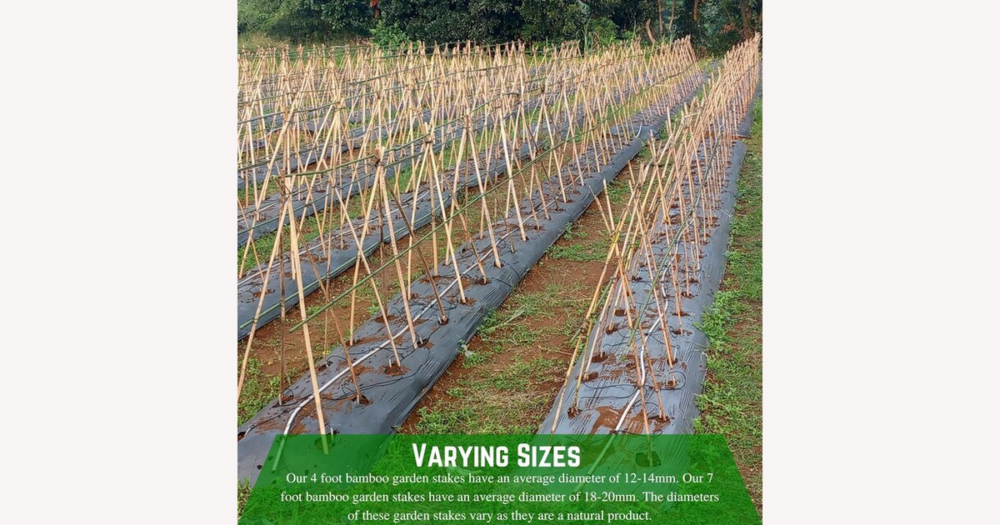
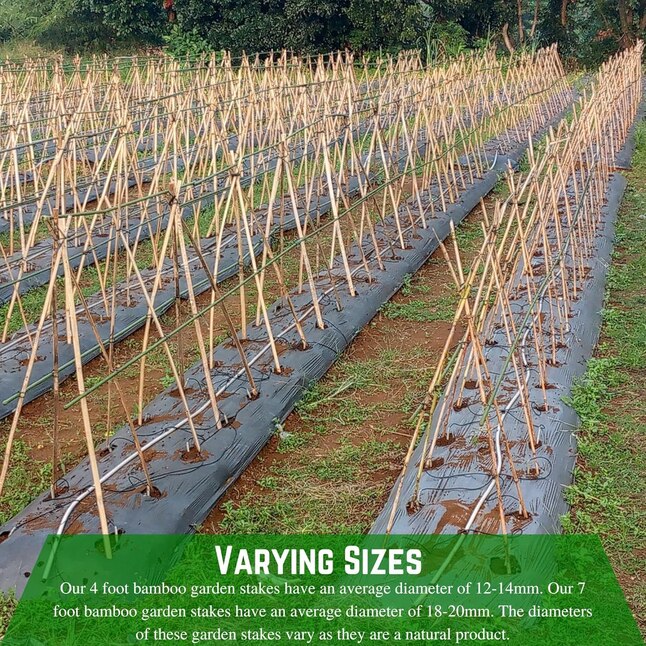
The best garden stake for your plants isn’t a single bestseller from Amazon; it’s the stake that matches your plant’s height and weight, your wind and weather exposure, and whether you care more about a natural look, long-term durability, or low upfront cost on DHgate. This guide explains how the main stake materials behave and turns that into a simple checklist you can use to judge listings and sellers before you order.
There’s no single “best” garden stake
There isn’t one garden stake that fits every plant or every listing you’ll see on Amazon or DHgate; the “best” stake always depends on what you’re supporting and where it grows. Tall, heavy outdoor plants in a windy, exposed bed usually need longer, thicker, tougher stakes than a small herb in a pot on a sheltered balcony. A tomato row in open sun and rain, for example, pushes me toward sturdy coated-metal or thick bamboo stakes that can stay straight through storms, while a light indoor plant in a decorative pot can be fine with slimmer bamboo or even plastic stakes that mainly keep stems tidy. I personally lean toward stakes that hold up for several seasons, even if they cost a bit more or look plainer, and only relax that standard for lightweight indoor plants in protected spaces, where cheaper or prettier but less durable stakes can make sense. The rest of this guide uses familiar Amazon-style categories of bamboo, metal, plastic/fiberglass, and staples to map out how each material behaves, then turns that into a practical checklist you can apply directly when comparing garden-stake listings and sellers on DHgate.
Main garden stake materials and how they behave
| Material type | Typical strength and support role | Lifespan and weather resistance | Appearance in the garden | Typical price and availability notes |
|---|---|---|---|---|
| Bamboo / other wood stakes | Moderate strength; good for light to medium plants like herbs, peppers, or small shrubs when sized thick enough. Can snap under very heavy vines or repeated high winds if too thin. | Usually lasts one or a few seasons outdoors; wood can weather, crack, or rot faster in constantly wet soil. Better longevity in pots or well-drained beds. | Natural, unobtrusive look that blends into beds and suits cottage-style or edible gardens; color fades to grey over time. | Often among the most affordable options, especially in bulk bundles. Widely available in many diameters and lengths, but quality and straightness can vary between sellers. |
| Coated steel or other metal stakes | Generally the strongest and stiffest option; suited to tall, heavy plants like tomatoes, beans, and sunflowers, or to repeated reuse in the same bed. | When galvanized or plastic-coated, resists rust and can last many seasons. Bare or thinly coated metal may corrode faster in damp or coastal conditions. | Plain rods look slim and utilitarian; dark coatings tend to visually disappear behind foliage, while decorative metal tops and shapes draw attention. | Typically mid- to higher-priced than basic bamboo per piece, but cost per season can be low because they’re reusable. Decorative designs and thicker gauges cost more. |
| Plastic or fiberglass stakes | Lightweight with some flex; adequate for medium plants and lighter climbers. Fiberglass usually stays stiffer than hollow plastic under load. | Resistant to rot and rust; can handle wet conditions well. Lower-quality plastic may become brittle or fade in strong sun over several seasons. | Often coated in green or neutral colors to blend with foliage; can look slightly more artificial than bamboo but less industrial than bare metal. | Prices vary: basic plastic stakes are often inexpensive in sets, while solid fiberglass tends to cost more but offers longer service life. Common in multipacks online. |
| Wire staples / U-shaped pins | Designed for anchoring horizontally—holding down landscape fabric, drip lines, netting, or low ground covers—not for vertical support of tall stems. | Usually galvanized or coated wire that tolerates soil contact; may bend if driven into very hard ground but can be reshaped and reused when not badly deformed. | Low-profile and almost invisible once installed; you mainly see small wire arcs or nothing at all if pushed fully into the soil or mulch. | Sold in bulk at low per-piece cost. Thickness and length vary; thicker, longer staples cost more but hold better in loose soil. |
| Any material labeled “heavy duty” | Strength depends on actual material and dimensions; true heavy-duty stakes combine rigid materials (thick metal, dense bamboo, solid fiberglass) with generous diameter and length. | Durability comes from real construction: rust-resistant coatings, solid cores, and joints that don’t wobble. Marketing alone doesn’t extend lifespan. | Can range from plain and functional to decorative; visual style is not a guarantee of toughness. | Usually priced higher than basic versions. To judge whether the premium is justified, compare the listed material, diameter, and length rather than relying only on the “heavy duty” label. |
Bundle of straight bamboo garden stakes, showing their smooth, natural finish and pointed ends so you can recognize similar bamboo stakes in listing photos.
Match stake types and sizes to your plants
Start with what the plant needs. Tall, heavy growers like tomatoes, peppers, dahlias, climbing beans, or sunflowers usually need longer, sturdier stakes that won’t bow in wind or under fruit weight. In practice, that often means thick bamboo canes or rigid metal stakes that you can drive well into the soil so at least a good portion stays underground as an anchor while the rest sits slightly taller than the part of the plant you’re tying.
Medium‑height flowers and shrubs—things like many perennials, shorter dahlias, or bush beans—can often use mid‑length bamboo or fiberglass stakes. They don’t need to be as tall or as thick as tomato stakes, but they still benefit from a firm support that rises above the stems you’re guiding. For plants that spread more sideways than up, the job is often to hold fabric or stems close to the soil, and U‑shaped landscape staples or pins are the usual tool for that, pinning down landscape fabric, drip lines, netting, or low ground covers so they don’t lift or flap.
Small indoor plants, seedlings, and light vines are on the other end of the spectrum. In a sheltered room or balcony, thin bamboo or simple plastic stakes are usually enough to keep stems upright or give a tendril something to climb. Because there’s no strong wind and less overall weight, you can safely use slimmer, shorter stakes as long as they’re tall enough to reach just above the growth you want to support.
Container versus in‑ground planting also changes the match. Pots and grow bags have less soil volume, so you may choose slightly shorter stakes and think carefully about how they’re anchored—pushing the stake to the bottom of the container, tying it to the pot rim, or bracing it against a trellis or wall. In open beds, you can bury more of the stake for stability, which makes taller, heavier stakes practical for big plants.
Treat these pairings as practical guidelines rather than strict rules. The core idea is to match plant height and weight to stake length and thickness, and to remember that a stake must be long enough to sit a bit higher than the supported portion of the plant while still leaving enough length underground to stay firm. Seedlings that start with thin, short supports may need to graduate to taller, stronger stakes as they approach mature size.
Natural-looking vs. utilitarian stakes
Once a stake can physically do the job, the next question is how much you care about how it looks. Natural‑looking stakes—bamboo, other wood, and decorative metal or resin designs—blend into beds and can even act like small garden ornaments. They suit cottage‑style borders, visible front‑yard plantings, and containers where you’ll see the stakes up close. The trade‑off is that they’re often less robust for very heavy plants, more prone to weathering, or higher in price per piece, especially when you’re paying for intricate shapes or finishes rather than extra strength.
Plainer utilitarian options—coated steel rods, galvanized metal, fiberglass rods, and basic landscape staples—tend to look simple or even a bit industrial, but they usually offer better long‑term strength. A slim dark‑coated steel or fiberglass stake often disappears behind foliage while quietly resisting bending, rust, and sun exposure, which matters in windy, exposed beds or where you expect to reuse the same supports for several seasons.
I generally prefer durable, unobtrusive stakes in outdoor vegetable rows and exposed spots: I would rather see a plain green or dark metal rod that lasts than a pretty decorative piece that might fail under a full crop of tomatoes. I save more decorative stakes for lighter plants and feature areas—like a container by the front door or a focal clump of flowers—where appearance is part of the point and the risk of a collapse is low.
It helps to be explicit about where looks truly matter in your own garden. For front‑yard beds, patio containers, and any area you or visitors stare at often, choosing natural or decorative stakes may be worth the extra cost or slightly lower durability. For back corners, vegetable rows, and working beds where function and longevity dominate, plain coated metal, fiberglass, or basic staples usually make more sense, even if they aren’t especially pretty on their own.
A simple step-by-step way to choose stakes
- Identify what each plant has to do: note the type (tomato, bean, flower, houseplant) and its expected mature height and spread, or its current size if you’re staking existing plants.
- Decide whether the plant is in a pot or in the ground, since shallow container soil limits how deep you can drive a stake and may require shorter, slightly thicker supports for stability.
- Observe site conditions—especially wind exposure, typical rain, and full-sun versus sheltered spots—to judge how much lateral pressure and weather your stakes must handle.
- Choose your top priority for this purchase: maximum durability, a natural or decorative look, or the lowest upfront price; that choice will steer you toward tougher materials or more decorative options.
- Use those inputs to shortlist stake materials: metal or fiberglass for tall plants in windy, exposed beds; bamboo or other wood for lighter plants where a natural look matters; basic plastic or slim bamboo for low-stress indoor or balcony uses.
- Select a stake length and thickness so the stake stands at least slightly taller than the portion of the plant you’ll tie, while still leaving enough length to drive firmly into the soil for an underground anchor.
- Check the pack quantity in DHgate listings and make sure it covers the number of plants or anchor points you need, allowing a small buffer for broken pieces or future plantings.
- Run through this quick sequence whenever you browse garden-stake listings on DHgate so you’re choosing based on plant needs, site conditions, and specs rather than reacting to attractive photos alone.
Avoid common stake-buying pitfalls online
- Total stake length is often mistaken for usable height above ground. Remember that a portion must be buried for stability, and check listings for clear length details so you allow enough underground anchor when estimating how tall the stake will stand next to your plants.
- Many buyers overlook diameter or gauge and end up with thin stakes that bend under load. Always look for thickness measurements in the specifications or visual scale cues in photos, and treat very slim, unreinforced stakes as suitable only for light plants.
- Phrases like “heavy duty” or “premium” can be pure marketing if they’re not backed by material, coating, or thickness details. Treat these adjectives as claims, not proof, and rely on concrete specs such as steel type, wall thickness, bamboo diameter, or fiberglass rod size instead.
- Listings may not highlight whether stakes are solid or hollow, whether they have pointed ends for easier insertion, or whether they include anti-rust or UV-resistant coatings. Each of these details affects performance and lifespan, so scan descriptions and photos specifically for tip shape, construction, and any mention of protective treatments.
- On DHgate and similar marketplaces, you can’t flex or see stakes in person, so protect yourself by reading descriptions carefully, checking units (inches versus centimeters), comparing dimensions across options, and prioritizing listings with clear measurements and material details over those that rely mainly on glossy images and vague adjectives.
Stake quality signals to look for in listings
- Diameter or gauge: Thicker rods generally resist bending better under fruit weight or wind. When you’re supporting tall tomatoes, beans, or sunflowers, look for a clear diameter or gauge in the specs and choose the thicker option rather than very slim, light-duty stakes.
- Corrosion protection for metal: Galvanized steel or metal with a plastic or epoxy coating usually stands up better to rain and soil contact than bare metal. In DHgate listings, scan for words like “galvanized,” “rust-resistant,” or “plastic-coated” plus close-up photos of the finish, not just the color.
- UV resistance for plastic or fiberglass: Outdoor stakes live in sun, so non‑UV‑stabilized plastics can become brittle and crack. Prefer listings that mention UV resistance or outdoor‑grade resins when you’re buying plastic or fiberglass stakes for beds or containers in strong sun.
- Bamboo treatment and visual condition: Bamboo labeled as treated or preserved typically lasts longer than raw, untreated canes. Check photos for signs of cracking, splitting, or very thin, uneven canes; those are better for light plants and short-term use than for multi‑season outdoor support.
- Surface finish and smoothness: Smooth coatings, rounded edges, and deburred tips make it easier to tie stems without cutting into them. Look at close-up images for rough seams, sharp corners, or flaking paint, which can damage plants and hint at lower build quality.
- Build quality on decorative stakes: For decorative metal or resin designs, inspect welds, joints, and connection points in photos. Strong stakes show clean, even welds and firmly joined parts; messy blobs, gaps, or visibly thin attachment points are more likely to bend or break.
- Bundle size and unit cost: Listings often sell stakes in bundles. Divide the total price by the number of pieces to compare approximate cost per stake across DHgate options, especially when brand names are not your main filter and you’re trying to balance durability with budget.
- Overall spec clarity: I would personally favor listings that give clear measurements (length, diameter, shape) and explicit material details or coatings over those that rely mainly on flattering adjectives like “heavy duty” or “premium.” For long‑term outdoor use, concrete specs are a more reliable signal of real durability than marketing language alone.
Marketplace-ready checklist for buying garden stakes on DHgate
- Confirm stake material type: Make sure the listing’s material (bamboo or wood, coated metal, plastic, fiberglass, or wire staples) matches your durability and appearance priorities—for example, sturdy coated metal or thick bamboo for heavy outdoor plants, lighter plastic or bamboo for small indoor pots.
- Check total length and usable height: Compare the stated stake length to your plant height and remember that some portion must be buried. Estimate how much will sit above ground so the stake can reach slightly higher than the part of the plant you plan to tie.
- Look at diameter or gauge: Use thickness measurements as a strength indicator. Choose thicker stakes for tall or heavy plants and windy beds, and reserve thinner rods for light-duty supports or compact indoor plants.
- Verify stake shape for the job: Confirm whether the stake is a straight rod for vertical support or a U‑shaped staple/pin for pinning down landscape fabric, drip lines, or netting, so you don’t end up with the wrong style for your task.
- Check tips and protective treatments: For outdoor use, prefer stakes with pointed tips for easier insertion and mention of corrosion‑resistant or UV‑resistant coatings or materials, especially if they’ll sit in wet soil or full sun.
- Review quantity per pack against your project: Note how many stakes are included and compare that to the number of plants, rows, or anchor points you need to support, so you order enough without paying for a large surplus you won’t use.
- Assess DHgate seller reliability: On DHgate, look at seller ratings, number of orders for similar items, and any buyer comments or photos where available to gauge how consistently the seller delivers garden stakes as described.
- Confirm shipping costs and timelines: Check shipping fees, estimated delivery dates, and any surcharges for heavy or bulk packs of stakes, since these can noticeably change the real cost of your project.
- Check return and dispute options: Read DHgate’s buyer-protection information and the seller’s specific return or dispute terms so you know what to do if the stakes arrive damaged, too flimsy, or not as described in the listing.
- Use the checklist as a companion tool: Treat these points as a quick check alongside your earlier stake‑selection decisions—review material, size, shape, value, and DHgate seller safeguards while you browse, so you stay focused on garden‑stake specifics rather than generic online‑shopping advice.
FAQ: Reuse, mixing stake types, and eco considerations
Can I reuse garden stakes from one season to the next?
Yes, many garden stakes can be reused across seasons if they’re still straight and structurally sound. Coated metal and fiberglass stakes often last for many years as long as they’re not bent, cracked, or badly rusted. Bamboo and other wood stakes are more likely to split or rot over time, especially in constantly wet soil, so expect some pieces to age out after a season or two. Before reusing any stake, brush off soil, check for sharp splinters, flaking coatings, or weak points, and retire any that feel soft, badly corroded, or too warped to hold plants securely.
Is it okay to mix different stake types in the same bed?
Mixing stake types in one bed is completely acceptable and often practical. Many gardeners use sturdy metal stakes for tall crops, bamboo or plastic for smaller plants, and wire landscape staples to anchor fabric, drip lines, or netting in the same area. The main considerations are how well each stake does its specific job and whether the mixed look bothers you. If appearance matters—such as in a front‑yard border—you can choose materials in similar colors or heights so the overall view feels more uniform, while still tailoring stake strength to each plant’s needs.
How should I think about eco-impact when choosing between bamboo and plastic or fiberglass stakes?
Bamboo stakes are made from a fast‑growing, renewable material and are biodegradable at the end of their life, which appeals if you want lower long‑term waste. The trade‑off is that bamboo and other wood can wear out sooner, especially in wet, exposed beds, and some products use treatments to extend lifespan. Plastic and fiberglass stakes don’t rot and often last longer, which can reduce how often you replace them, but they contribute more to long‑term waste and may be harder to dispose of responsibly. Align your choice with your priorities: if renewability and compostable materials matter most, leaning on bamboo and other wood makes sense; if minimizing replacements and long‑term durability are your focus, tougher plastic or fiberglass stakes may be acceptable, especially when you can reuse them for many seasons and follow local disposal or recycling guidance. These eco considerations sit alongside the main decisions about plant support, stake specs, and DHgate seller reliability, helping you choose supports that fit both your garden conditions and your environmental preferences.