
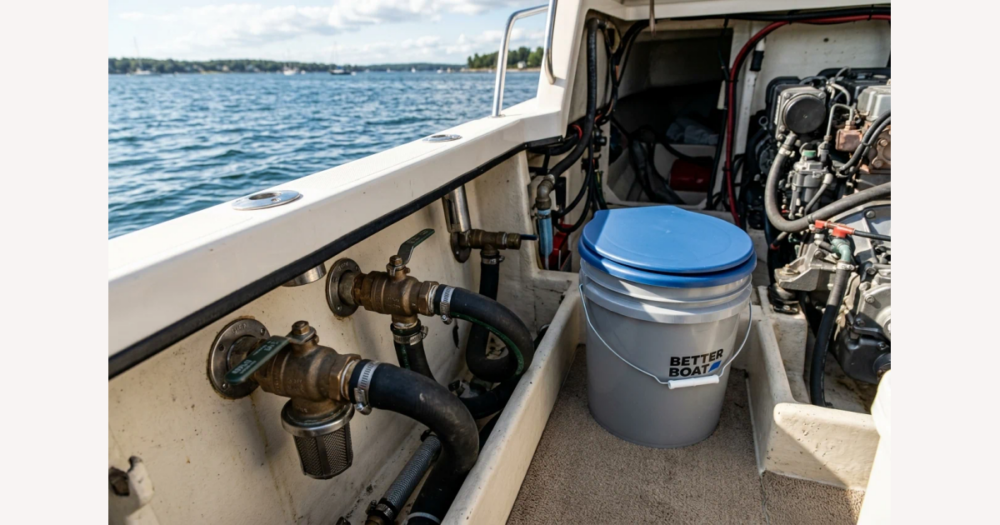
On DHgate, through hull fittings and tools can look like ordinary plumbing parts, but they’re safety‑critical hardware that pierces your boat’s hull. Avoiding leaks and damage means checking dimensions, materials, and clamping details, then using DHgate’s seller messaging and order checks to confirm anything the listing leaves unclear. This guide explains what these fittings and tools do, which specs and materials matter most, and how to use DHgate’s buyer protections to keep mis‑sized or poorly described parts out of your hull.
What through hull fittings are and why their design matters
A through hull fitting is a piece of marine hardware that creates a controlled opening through your boat’s hull so water can safely move in or out or connect to plumbing, such as bilge pump outlets, sink drains, intakes, or cockpit drains. Instead of being just a hose connector, it actually penetrates the hull: a mushroom-shaped or flanged head sits on the outside, a tube passes through the drilled hole, and a nut or backing piece inside the boat clamps everything tightly against the hull.
Because the fitting sits partly outside and partly inside, it has to keep water on the right side of the hull under real marine conditions—immersion, spray, vibration, and long-term exposure to corrosion. The flange size and shape, the area where a gasket or sealant contacts the hull, and the way the interior nut clamps the hull all affect how well the opening stays sealed. On the plumbing side, the hose barb or threaded end must match your hose or pipe so the connection doesn’t loosen or leak.
When you browse through hull fittings on DHgate, photos often show the flanged head, body, nut, and hose connection clearly, but the text can be brief or inconsistent. Treat every through hull as safety-relevant hardware, not generic plumbing: if dimensions, material, or how it clamps to the hull aren’t described clearly, that’s a sign to slow down, ask the seller questions through DHgate, and be ready to walk away from any listing that won’t confirm the basics for a part that pierces your hull.
How to read through hull fitting specifications and match them to your boat
Through hull fitting listings usually group several key specifications, and each one controls a different aspect of fit. The nominal size often corresponds to the hose’s internal diameter (for example 3/4″ or 1 1/8″), but some sellers use it for thread size instead, so it’s safer to look for actual measurements in millimetres or inches in the description or diagrams. Overall body length and the maximum hull thickness rating tell you how much material the fitting can clamp across—if your hull is thicker than the rating or the body is too short, the nut can’t pull the flange tightly against the outside surface and the seal will be compromised.
Flange diameter affects how much sealing area you have on the outside of the hull and how the load is spread around the hole. Hose barb size or interior thread dimensions determine whether your hose or pipe will seat properly and can be tightened without deforming or splitting. Thread type matters too: NPT and BSP threads differ, and straight versus tapered threads seal in different ways. When you read DHgate specs, treat these details as the map of how the fitting meets your hull and hoses, not just technical jargon—if they don’t match your measurements, the part won’t fit correctly no matter how it looks in the photos.
- Measure the existing hole in the hull (or the size you plan to drill) with calipers or a ruler, and note the diameter in both millimetres and inches so you can compare it to different listing formats.
- Check hull thickness at the fitting location by measuring from inside to outside where possible or using boat documentation, and decide the minimum body length and hull thickness rating the fitting must have to clamp securely.
- Measure the inner diameter of the hose that will connect to the through hull and confirm whether it’s specified in inches or millimetres, so you can match it accurately to hose barb or thread sizes in listings.
- On DHgate listings, line up your measurements with the stated nominal size, barb or thread size, body length, flange diameter, and hull thickness rating, choosing only fittings where every critical dimension clearly meets your needs with a little tolerance.
- If a listing leaves out key measurements, mixes metric and imperial without explaining which is which, or relies on vague labels like “universal” or “for boat use,” treat it as incomplete for a hull‑penetrating part—message the seller for precise dimensions, and if they can’t or won’t provide them, skip that fitting and look for a clearer alternative.
Choosing between bronze, stainless steel and plastic through hull fittings
Through hull fittings on DHgate are typically offered in a few main material families: bronze, certain stainless steels, and marine-grade plastics. Each behaves differently in the marine environment, so the material choice should match how and where your boat is used rather than just the look or price.
Bronze has traditionally been used for many underwater metal fittings and seacocks. It is generally valued for good corrosion resistance in many seawater applications and a stable, proven track record when the alloy and manufacturing are appropriate. Stainless steel fittings can offer high strength and a polished appearance, but not all stainless grades behave the same; in the wrong conditions or with the wrong grade, stainless can suffer from crevice or pitting corrosion, especially on boats that stay in salt water. Marine plastics avoid metal corrosion altogether, but their reliability depends on UV stability, wall thickness, and molding quality; poor plastic fittings can be more vulnerable to cracking, impact damage, or long-term sun exposure.
Whatever material you choose, actual longevity and performance depend on details that DHgate listings may or may not spell out: the specific alloy or stainless grade, manufacturing quality, how well the fitting is installed, and whether your boat lives in saltwater or freshwater and stays afloat all season or is stored out of the water. The same nominal material can behave very differently in a harsh, constantly wet berth compared with a lightly used day boat.
For fittings that sit below the waterline or anywhere a failure would be serious, it’s worth prioritizing listings that clearly describe the material, ideally naming the bronze type or stainless grade and using phrases like “marine-grade” rather than vague labels such as simply “metal” or “plastic.” If a DHgate listing does not explain what the material actually is, or mixes terms in a confusing way, treat that as a reason to ask the seller detailed questions or choose a clearer alternative.
For above-waterline drains or low-risk, lightly used boats, more economical fittings may be acceptable, but basic clarity about material type is still important. Even for a budget choice, avoid listings that cannot answer simple material questions. When browsing DHgate, favor descriptions that specify bronze, a known stainless grade, or a defined plastic (for example, UV-stabilized marine plastic), and use the message tools to ask the seller for clarification whenever the material label is vague before you decide whether to trust that fitting on your hull.
What through hull installation tools do and when you might need them
Alongside through hull fittings, DHgate listings may show specialized installation tools designed to make fitting and tightening easier and more controlled. A common example is a through-hull installation tool that locks into or grips the fitting from the outside so you can tighten the interior nut without letting the flange spin or chewing up the exterior surface. These tools mainly exist to hold the fitting firmly and align it while you work from inside the hull.
You may also see flaring tools used with certain drain or fitting designs. Their job is to create or support a flared seat so a tube or fitting sits correctly against the hull or another component, helping the sealing surface match the intended shape. On some systems, a consistent flare is important for both leak prevention and mechanical strength, and a purpose-made tool makes that easier than improvising with general tools.
Many straightforward fittings, especially simple straight plastic designs above the waterline, can be installed with general hand tools by an experienced and careful installer. In contrast, more specialized fittings, larger sizes, or flared systems often benefit from tools specifically shaped for that style or brand, both to avoid damage and to achieve an even, reliable clamp.
When you see standalone tools or fitting-and-tool kits on DHgate, check that the tool clearly matches the fitting design and size you plan to use, looking for cues in the description or diagrams. A dedicated tool can be more worthwhile if you expect to install multiple fittings or want extra control during a one-time upgrade, but it should be treated as a helpful accessory, not a magic fix. These tools support proper installation; they do not compensate for a fitting with unclear sizing or poorly described materials, so make your size and material decisions first, then decide whether an installation or flaring tool would make your project safer and more manageable.
Risks of unclear specs and materials in through hull listings
Pre-purchase checklist for through hull fittings and tools on DHgate
- Identify where the fitting will sit and what it will do—such as a below-waterline intake, a cockpit or sink drain, or an outlet above the waterline—and decide how cautious you need to be based on how critical that opening is.
- Measure your existing hardware or planned installation point and write the numbers down clearly: hole diameter, hull thickness, and hose inner diameter. If there is no existing fitting, measure the drilled or planned hole and the hose you intend to connect.
- Search DHgate for fittings close to your measurements, then read each listing carefully. Check nominal size, hull thickness rating or body length, flange diameter, and hose barb or thread dimensions against your notes instead of assuming a nominal size will automatically fit.
- Review the material description and look for explicit labels such as bronze, clearly specified stainless steel grades, or marine-grade plastics. For high-consequence locations, avoid fittings and tools that only say “metal” or “plastic” without naming the alloy or polymer family.
- Compare any diagrams or side-view photos in the listing with your current fitting or sketch. Watch for differences in body length, flange shape, and barb or thread position that could change how the fitting sits in the hull or lines up with hoses.
- Use DHgate messaging to contact the seller if any measurement or material detail is unclear. Ask for specific dimensions in mm or inches and for named material types, and be wary of replies that stay vague or contradict the listing text.
- Decide whether you need associated installation tools, based on the fitting type and how comfortable you are improvising with general tools. For below-waterline or larger fittings, I would only proceed once I’m satisfied that the specs and material information are complete and consistent; if I can’t get that clarity, I would keep looking rather than accepting a hull-penetrating part with unresolved questions.
Using DHgate seller, order and refund checks for through hull purchases
On DHgate, treat seller history as part of your technical check. Read ratings and feedback with an eye for comments about items not matching descriptions, wrong sizes, or unhelpful replies to questions—recurring complaints in those areas are a bad sign for through hull fittings and tools that depend on precise specs. Before you place an order, make sure the size and material options you select in any drop-downs match the notes you wrote down from your boat and that the same options appear correctly in the cart and order summary; a mismatch here is one of the easiest ways to end up with the wrong part.
Check estimated shipping times and the store’s return or refund terms, especially if your project has a deadline or you may need to exchange a fitting that doesn’t reach through your hull thickness or doesn’t mate with your plumbing. DHgate’s protections for items “not as described” are most relevant when a fitting or tool is clearly different from the listing—for example, a body that measures shorter than stated, or a part advertised as bronze that arrives as unmarked generic metal. Use DHgate messaging to confirm critical details like dimensions, hull thickness capability, material family, and intended use, and keep that conversation on-platform so you can point to it if you need to open a dispute. I would favour sellers who respond promptly and clearly to spec questions and whose listings stay consistent with their answers; if a delivered fitting or tool obviously fails to match those agreed details, be ready to request a refund or open a formal dispute rather than trying to make a questionable hull-penetrating part work anyway.
Treat bold performance claims as marketing and focus on verifiable details
When you read DHgate listings for through hull fittings and tools, treat phrases like “corrosion-proof,” “never leaks,” or “lifetime marine durability” as marketing unless they are tied to clear, verifiable standards or documentation. Put most of your weight on objective details you can actually check: exact dimensions, stated material type and grade, any referenced manufacturing standards or recognizable marine certifications, and detailed photos that show the fitting’s shape, flange, and finish. Claims linked to specifics—for example, a named stainless grade or mention of a familiar marine standard—may be more informative, but they still cannot guarantee how a part will perform in your hull, in your water, with your installation.
A simple mindset helps: treat bold promises as a possible bonus, not the reason you choose a fitting. Base your decision mainly on confirmed fit, clear material information, and how transparent and consistent the seller is. If a listing leans heavily on big claims but stays vague about size, hull thickness capability, or material family, I would skip it outright, especially for anything that penetrates the hull or sits below the waterline, where guessing on unverified performance language is not worth the risk.
FAQs about buying through hull fittings and tools on DHgate
Can I mix through hull fittings or tools bought on DHgate with existing hardware from other brands?
You can mix parts as long as the mechanical and material details truly match. Confirm thread type and size (for example, NPT vs BSP and the exact diameter), hose size, flange coverage, and body length so the new fitting or tool mates cleanly with your existing hardware and hull. Avoid combining metals that may corrode each other in seawater—for instance, mixing an unknown “metal” fitting with a bronze seacock—unless the materials are clearly compatible. Test-fit components dry before committing to sealant and final installation.
What should I do if I don’t know my hull thickness at the planned fitting location?
Try to measure thickness directly at the installation point by accessing both sides of the hull and measuring the distance between inner and outer surfaces with a ruler or calipers. If that’s difficult, consult boat documentation or previous yard invoices, which sometimes list hull laminate thickness ranges. When choosing fittings on DHgate, favor designs with clearly stated body length and hull thickness ratings, and err toward slightly more length and clamping capacity rather than a borderline fit—if you’re still unsure, ask the seller for the exact body length and intended maximum hull thickness before ordering.
How should I proceed if a listing doesn’t specify key dimensions like body length or hose size?
For hull‑penetrating parts, do not guess. If body length, hull thickness capability, hose size, or thread type are missing or vague, message the seller through DHgate and request specific measurements in millimetres or inches. Only proceed if the reply is clear and consistent with any diagrams or photos; otherwise, treat the listing as incomplete and choose another option that documents the critical dimensions properly.
Is it a good idea to buy used or generic-branded through hull fittings on DHgate?
Generic or lower-cost fittings may be acceptable for non‑critical, above‑waterline uses where a leak would be inconvenient rather than dangerous, but they still need clear material and size information. For any fitting below the waterline or essential to keeping water out, set a higher bar: insist on well-documented dimensions, named material types or grades, and solid build quality based on photos and description. If a used or generic part cannot meet that level of clarity, it’s safer to avoid installing it in a hull penetration.