
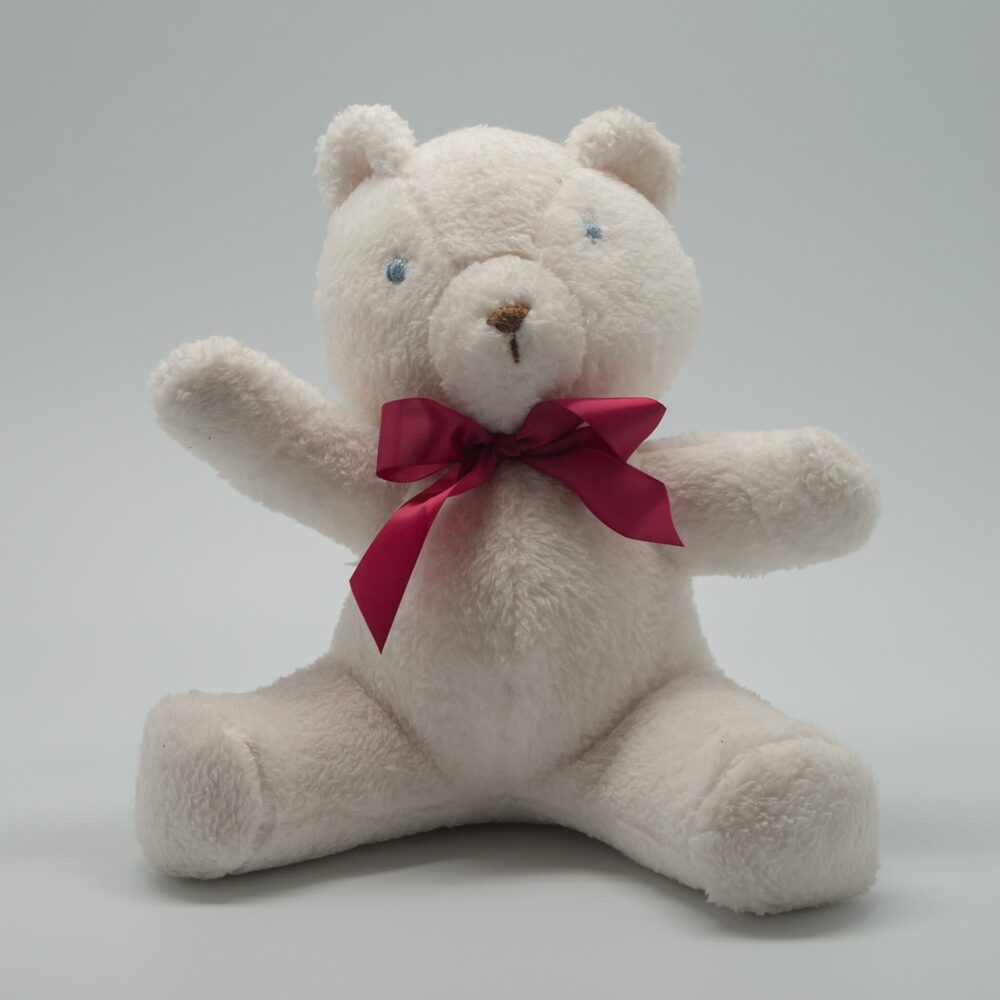
Oversized comfort bears, quirky designer plush, licensed characters, and custom handmade teddy bears are the big trends for 2025-2026. Canadian buyers see them everywhere: giant room‑centerpiece bears in bedrooms, pastel sensory plush for anxious kids, and personalized bears for gifts. You’ll find these on Walmart.ca, Etsy, big‑box sites like BestBuy.ca and IKEA Canada, local Canadian boutiques, and—if you’re a small ecommerce seller willing to vet overseas listings—cross‑border marketplaces such as DHgate.
If you’re buying for yourself or stocking an online shop, your main decisions are size (cuddle toy vs décor piece), material and safety, and how unique you need the design to be. Mass‑market channels keep costs predictable; handmade and collectible bears help you stand out but raise unit cost.
What Counts as a Teddy Bear Today? Key Uses and 2026 Trend Snapshot
A teddy bear is a soft stuffed toy designed to resemble a bear, originally popularized in the early 20th century and now a staple comfort object for children and adults alike. Modern teddy bears cover everything from simple plush animals to highly stylized art toys.
Across recent plush toy trend roundups, three themes show up again and again:
- Customization and personalization. Photo‑based custom plush, name embroidery, and bears dressed to match the recipient’s hobbies or career.
- Sensory comfort. Extra‑soft fabrics, squishy stuffing, and weighted plush designed to feel calming for kids and adults.
- Giant “centerpiece” animals. Bears, cows, dragons, and other creatures in the 2-4‑foot range positioned as bedroom or sofa centerpieces rather than just toys.
Uses have broadened too:
- Kids’ everyday comfort toys and nursery décor.
- Romantic and friendship gifts (Valentine’s, anniversaries, apologies).
- Adult collectibles and design objects, including high‑end brands like Steiff.
- Props for social media, product photography, and store displays.
For Canadian small ecommerce sellers, teddy bears sit in a useful middle ground: they’re emotional purchases, impulse‑friendly, and relatively light to ship, but crowded at the cheap end of the market—so trend awareness and channel choice matter.
From Classic Plush to Giant Centerpieces: Main Teddy Bear Types
Teddy bears today split into a few practical categories. Thinking in these terms helps you match a bear to an occasion or customer.
1. Classic plush teddy bears
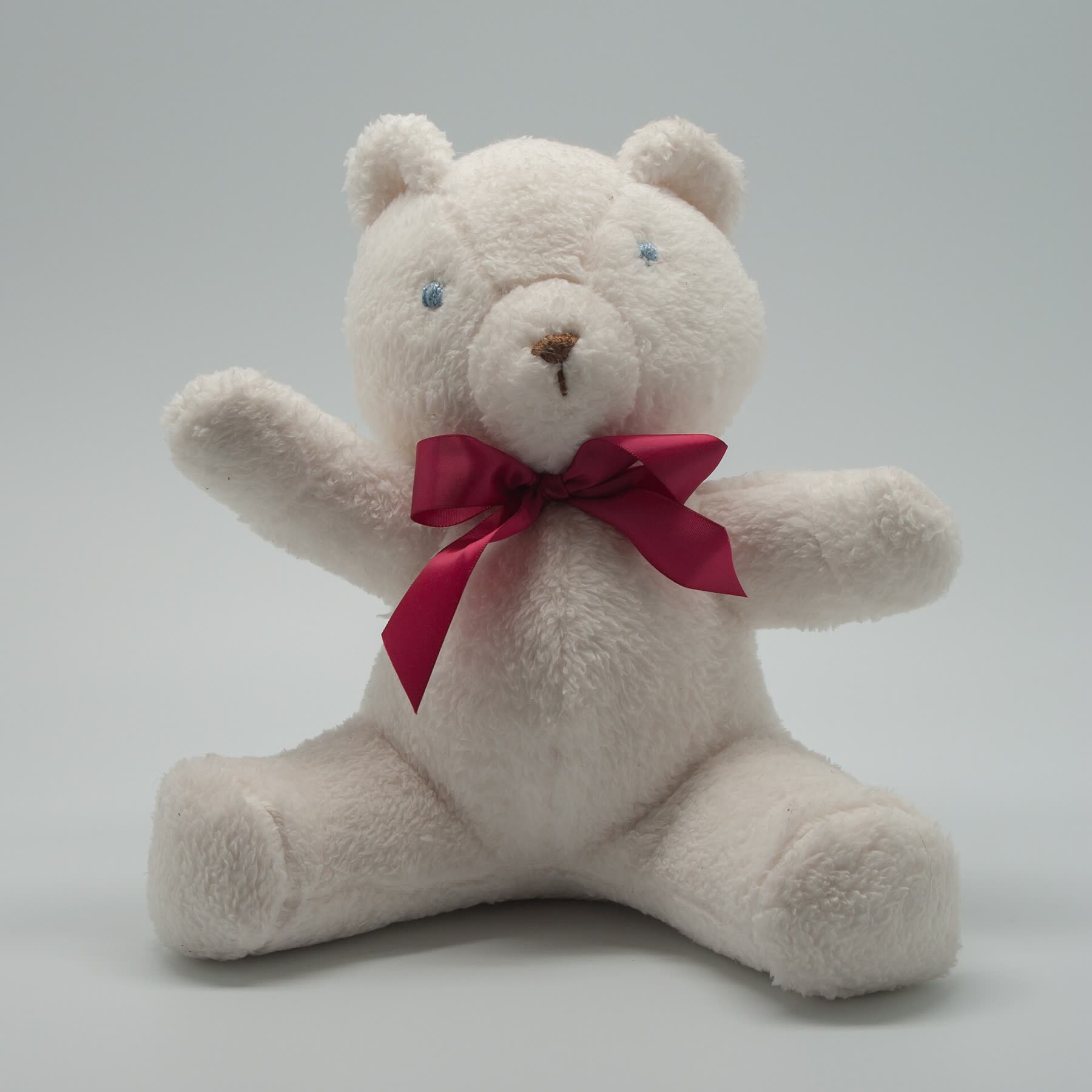
Traditional bears usually have soft fur, round bellies, visible paw pads, and friendly facial expressions. They’re the default for kids’ gifts and general comfort.
Typical features:
- Medium sizes (roughly 10-18 inches).
- Neutral or soft colors: browns, creams, pastels.
- Simple accessories like ribbons or sweaters.
These designs work well for birthdays, baby showers, and general gifting where the bear itself isn’t meant to be a statement piece.
2. Giant and oversized bears for décor
Oversized bears—often two feet tall and up—follow the room‑centerpiece trend highlighted in recent North American plush coverage. Think huge polar bears or brown bears sitting at the end of a bed or in a reading corner.
Editorially, these often use:
- Softer, flatter fur that photographs well.
- Lightweight stuffing so the bear isn’t too heavy to move.
- Neutral colors that fit adult décor (tan, white, grey) or playful brights for kids’ rooms.
For ecommerce sellers, oversized bears are a statement product but require larger storage and careful shipping. For individual buyers, they’re popular for Valentine’s Day, graduations, and milestone birthdays.
3. Licensed character bears
Another modern stream is licensed characters and themed bears—franchise bears from films, books, and TV, or brand collaborations.
Design traits often include:
- Distinctive costumes and logos tied to a franchise.
- Bolder colors and facial expressions to match character art.
- Limited‑run or seasonal series for collectibility.
These appeal to fans and collectors, and can justify higher price points, especially with heritage makers like Steiff.
4. Handmade, custom, and art bears
Handmade bears range from cozy cottage‑style plush to intricate artist bears with jointed limbs, clothing, or unusual fabrics. Some makers lean vintage, others use bright colors, sequins, faux fur, or glitter.
Customization options often include:
- Name or date embroidery on paws or clothing.
- Color palettes chosen by the buyer.
- Themed outfits (graduation, occupations, weddings).
These work best for highly personal gifts or for small brands that want a recognizable, signature bear rather than a generic SKU.
Materials and safety basics
Most teddy bears use plush polyester, cotton blends, or faux fur. For children, many Canadian buyers deliberately look for:
- Securely attached eyes and noses (or embroidered features for infants).
- Fabrics that can be spot‑cleaned or gently washed.
- Age‑appropriate sizing so the bear isn’t a suffocation risk in cribs.
For adults and collectors, material priorities shift toward feel (super‑soft, velvety), aesthetic finish, and long‑term durability.
Where Canadian Buyers Actually Find These Bears: Retail, Handmade, and Cross‑Border
Once you know the style you need, the next step is picking the right channel. Each major option in Canada maps to specific teddy bear types and business use cases.
Big‑box and general retail: fast access, standard styles
Walmart.ca has a dedicated teddy bear category inside its stuffed animals section, covering classic plush and seasonal bears. You can browse the “Teddy Bears” subcategory under Toys → Stuffed Animals & Plush → Stuffed Animals → Teddy Bears, which surfaces a wide mix of sizes and colors for Canadian delivery.
BestBuy.ca also lists teddy bears under its plush toys category, offering branded bears and general plush suitable for gifting and kids.
IKEA Canada is notable for the DJUNGELSKOG soft toy brown bear, a line of plush bears in multiple sizes that are positioned as both toys and décor objects. You can see examples on IKEA’s Canadian site, including the DJUNGELSKOG soft toy brown bear.
For retail buyers, these channels are strong for:
- Classic bears and mid‑size gifts.
- Quick shipping within Canada.
- Predictable quality from known brands.
For small ecommerce sellers, they’re mainly competitors—not sources—unless you’re curating gift boxes that bundle mass‑market bears with other items.
Handmade and custom: Etsy and Canadian independent brands
If you want handmade or custom bears, Etsy and Canadian independent makers dominate.
- Etsy carries thousands of handmade teddy bears, including art bears, vintage‑style designs, and fully custom pieces. Search filters allow you to narrow by location if you prefer Canadian sellers.
- Shop Local Canada highlights independent Canadian teddy bear brands and shops. This is a useful directory if you want to support domestic makers or source small‑batch bears for resale.
- Specialty retailers such as Bergo Designs’ Steiff teddy bear section offer collectible bears from long‑standing makers.
For individual buyers, these channels fit:
- Personalized gifts with names, dates, or specific themes.
- Higher‑end nursery décor and heirloom‑style bears.
For small ecommerce businesses, they’re ideal if you:
- Run a marketplace store that resells curated artisan products (with proper agreements).
- Want to collaborate with a local maker on exclusive designs.
Cross‑border and wholesale marketplaces
Canadian sellers who need lower per‑unit costs or very large bears may look overseas. Large marketplaces like Amazon, eBay, and DHgate host global sellers offering bulk quantities or unusual styles (e.g., giant floor‑standing bears, themed series).
DHgate is one such cross‑border marketplace: it can be relevant if you’re sourcing wholesale teddy bears from overseas factories, but you have to evaluate each listing and seller yourself—photos, materials, past buyer reviews, and sample orders—because inventory quality and design can vary widely.
Before committing to cross‑border stock, practical checks include:
- Requesting or ordering a single unit first to inspect fabric, stitching, and safety details.
- Assessing packaging size and weight for Canadian shipping costs.
- Building in time for customs clearance and potential delays.
If you plan to explore DHgate specifically, you can use DHgateWiki’s guides on what DHgate is and how it works, finding trusted sellers, and the order‑readiness checklist to structure your evaluation.
How channels line up by use case
This simple table summarizes where each channel tends to shine for Canadian buyers and small sellers:
| Use case / need | Best starting channels | Typical teddy bear types |
|---|---|---|
| Kids’ everyday plush | Walmart.ca, BestBuy.ca, IKEA Canada | Classic medium plush, DJUNGELSKOG bears |
| Giant statement bears | Walmart.ca (oversized), cross‑border marketplaces | 2-4 ft room‑centerpiece bears |
| Personalized romantic gift | Etsy, Canadian handmade brands (Shop Local Canada) | Custom embroidered, themed outfits, art bears |
| Collectible / heritage bears | Steiff retailers like Bergo Designs, specialty shops | Licensed or heritage brand bears |
| Small ecommerce bulk sourcing | Cross‑border marketplaces, B2B wholesalers | Standard plush or themed bears in cartons |
Choosing your teddy bear channel is less about finding a single “best” site and more about matching the bear’s role—daily companion, décor piece, romantic gesture, or resale inventory—to the strengths and limits of each option.