
Sunflower jewelry is exactly what it sounds like: necklaces, earrings, bracelets, rings, and charms built around the sunflower motif, usually bought as cheerful gifts or meaningful everyday pieces. If you’re looking for something similar to the better Etsy or Amazon listings, start by deciding whether you want one symbolic, well‑made piece (think sterling silver or real 18k gold) or a batch of lower‑cost items for resale in your shop. For bulk, cross‑border sourcing you can use large marketplaces such as DHgate, but you’ll need to check each listing’s materials, photos, and reviews yourself rather than assuming platform‑wide quality.
What Counts as Sunflower Jewelry and Why People Buy It
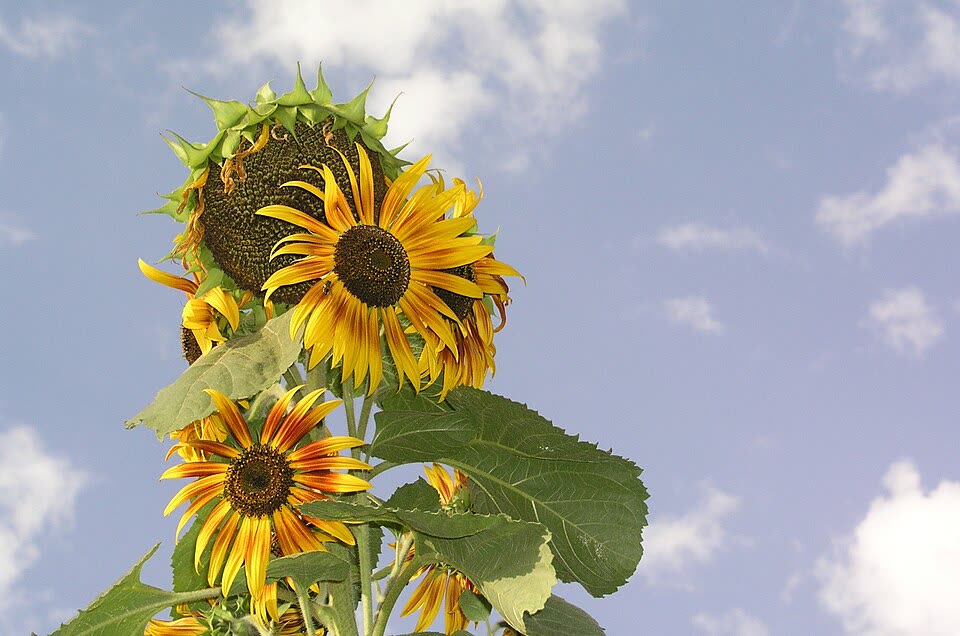
Sunflower jewelry uses the flower’s distinct round center and radiating petals in its design. Many artisan makers lean into the sunflower’s association with adoration, loyalty, longevity, optimism, and happiness, positioning these pieces as small wearable talismans rather than just cute accessories.
Canadian buyers tend to use sunflower jewelry in three ways:
- Sentimental gifts. A single sunflower pendant or ring given for birthdays, graduations, or “thinking of you” moments.
- Everyday style. Dainty sunflower studs or charm necklaces that match casual outfits and workwear.
- Inventory for small ecommerce shops. Bundles of necklaces, earring sets, or charm bracelets aimed at cheerful, nature‑inspired themes.
Artisan brands like Mondays Made’s carved sunflower jewelry treat the motif as symbolic jewelry, often pairing deeper engraving or carving with silver or gold metals. That’s a different proposition than a mass‑produced alloy pendant with a printed sunflower image.
Key Styles and Materials: From Resin Pendants to 18k Gold Charms
Sunflower pieces show up across almost every jewelry category. DHgate’s editorial blog on sunflower jewelry, for instance, notes how common it is to see sunflower necklaces, bracelets, earrings, and rings made in gold, silver, or stainless steel, sometimes with enamel or gemstones for color and sparkle (DHgate sunflower jewelry blog).
The big differences are material and craftsmanship.
Artisan and fine sunflower jewelry
This tier is closest to the high‑quality Etsy shops and independent jewellers:
- Sterling silver and solid gold: Esquivel and Fees’ dedicated sunflower collection includes silver and gold pendants, charms, and rings, with the petals sculpted rather than stamped flat (Esquivel and Fees sunflower jewelry). These pieces feel weighty and have clear detail in the flower’s center.
- 18k gold symbolic pieces: Hamilton Jewelers’ Charms of Hope line includes 18k gold sunflower jewelry aimed at buyers who want a higher‑end, symbolic charm instead of costume jewelry (Hamilton Charms of Hope sunflower pieces).
- Canadian handcrafted silver: Silver Soul Creations sells a handcrafted silver sunflower necklace in Canada that’s explicitly positioned as symbolic jewelry. It’s the kind of piece you’d keep for years rather than rotate as fast fashion.
Editorially, these artisan examples are useful benchmarks: crisp petal detail, reliable metals, and a design that still looks good when you zoom in.
Fashion and mid‑range pieces
Fashion brands and mid‑priced online retailers often use:
- Stainless steel for chains and settings, with sunflower charms that may be plated or enamelled.
- Gold plating on base metal to mimic a fine‑jewelry look without the cost.
- Glass, crystals, or cubic zirconia in the sunflower center for sparkle.
These pieces can still be solid everyday wear, especially stainless chains and earrings, but plating will eventually wear and show the base metal. They’re good if you want trendy sunflower looks for a few seasons rather than a lifetime.
Budget and bulk sunflower jewelry
For low‑price sets and wholesale bundles (the kind you often see in marketplace multi‑piece sets or inexpensive Etsy/Amazon listings), materials are usually:
- Zinc or other base‑metal alloys for pendants and charms.
- Bright enamel or resin for the yellow petals.
- Lightweight chains that may tarnish faster.
This tier is attractive for small ecommerce sellers who need margin and eye‑catching photos, but you shouldn’t present it as fine jewelry. It’s best described and marketed as cute, seasonal, or boho fashion.
Quick material comparison
Here’s a compact way to think about the main sunflower jewelry materials:
| Material type | Typical use in sunflower jewelry | Durability (editorial) | Perceived value level |
|---|---|---|---|
| 18k gold | Charms, pendants in symbolic lines like Charms of Hope | Very high | Fine / luxury |
| Sterling silver | Artisan pendants, rings, handcrafted necklaces (e.g., Silver Soul Creations) | High | Fine / artisan |
| Stainless steel | Chains, fashion pendants, budget earrings | High for chains, moderate for plating | Everyday fashion |
| Plated base-metal/alloy | Budget pendants, bulk sets | Low–moderate | Costume / budget |
| Enamel or resin | Petal color, pressed-flower looks | Varies; can chip or yellow | Decorative accent |

How to Judge Quality and Choose the Right Buying Channel
Once you know the materials, your next step is picking both the piece and the channel that fit your needs.
What to look for in a listing
For any sunflower necklace, ring, or earring set:
- Metal clarity: The listing should clearly say “sterling silver,” “18k gold,” “stainless steel,” or “alloy.” If it only says “metal” or uses vague phrases, treat it as fashion jewelry.
- Close‑up photos: Zoom in on the petals and center. Artisan pieces like those from Esquivel and Fees or Silver Soul show sharp, clean lines; rough edges or smeared enamel usually signal mass production and lower quality.
- Symbolic positioning vs. novelty: If the description leans into symbolism and mentions craftsmanship (as with Mondays Made’s carved sunflower line), you’re likely in the artisan tier. If it’s all about “cute” and “boho,” you’re probably buying costume jewelry—and that’s fine if priced accordingly.
For Canadian buyers, it’s reasonable editorial judgment to expect sterling or 18k gold pieces to land in the higher price bracket, while stainless and alloy/enamel sets sit lower.
Everyday wear and care
The DHgate sunflower jewelry blog’s FAQ recommends standard care: store pieces properly, avoid harsh chemicals or abrasives, clean with a soft cloth and mild soap, and remove jewelry before swimming or intense exercise (DHgate sunflower jewelry blog). Those guidelines apply across platforms:
- Silver and gold: Wipe down after wear and keep in a dry box or pouch.
- Stainless steel: Good for daily chains, but still avoid chlorine and strong cleaners.
- Enamel/resin: Keep away from sharp impacts and very hot water, which can crack or cloud the surface.
Choosing your buying channel
You have several realistic options if you want sunflower jewelry similar to the better Etsy or Amazon listings.
1. Local jewellers and Canadian artisan brands Pros: You can often see the piece in person, and artisans like Silver Soul Creations or Canadian stockists of carved sunflower lines treat these as symbolic jewelry with clear metal disclosure. Best for: One meaningful gift, wedding party pieces, or your own daily necklace.
If you are weighing local purchases against marketplace sourcing, DHgateWiki has broader platform guidance in articles like What DHgate is and how the marketplace works, how to find trusted sellers on DHgate, and an order‑readiness checklist before checkout.
2. Etsy, Amazon, and other handmade marketplaces Pros: Huge variety, especially of pressed‑flower resin necklaces, stainless chains, and mixed‑metal sunflower sets. Many sellers customize chain length or personalization. Editorial caveat: Quality varies widely; use close‑up photos and reviews to separate true sterling or artisan work from plated alloy.
3. Cross‑border marketplaces and wholesale platforms Pros: Good for small ecommerce sellers who need bulk sunflower necklaces, earring sets, or charm bracelets at lower unit cost. You can usually sort by material (e.g., stainless vs alloy) and buy multi‑piece sets. Editorial caveat: For Canadian buyers, factor in that international orders may involve customs review or tax collection at the border, even though exact fees and timelines vary by shipment.
One example is DHgate, a large cross‑border marketplace where sunflower jewelry appears among fashion accessories. If you explore that route for inventory, treat each listing like an individual supplier: read the description for metal type, inspect photos for petal detail and enamel quality, and cross‑check buyer feedback rather than assuming platform‑wide standards.
Vintage and Antique Sunflower Pieces: A Niche but Interesting Option
If your goal is resale or collecting rather than buying new, vintage and antique sunflower jewelry is a small but interesting niche. Older pendant necklaces with sunflower motifs often use silver or plated gold and lean more toward carved or stamped metal designs than modern resin‑heavy looks.
For Canadian small sellers, these can serve as higher‑ticket, one‑off listings alongside modern bulk stock. The trade‑off is that each piece needs individual photography and description, but the sunflower motif is familiar enough that buyers recognize it quickly.
If you’re sourcing for your shop, a practical mix often looks like: one or two artisan‑level silver or gold sunflower pieces to anchor your brand, a core range of stainless or plated fashion sunflower items for volume, and occasional vintage finds for differentiation. That way, you’re matching the emotional appeal of the motif with the right material and channel for how each piece will actually be worn.