
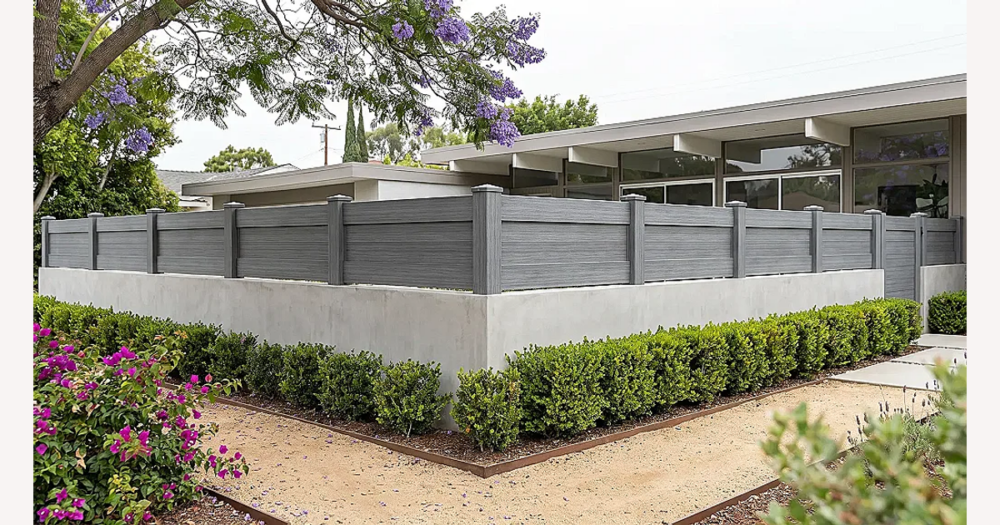
If you search vinyl wall toppers on DHgate, you’ll see everything from sleek privacy bands to ornate lattice arches. The key to a genuinely modern look is focusing on clean, straight lines, simple geometry, and well-specified listings—measuring your wall, confirming how the topper mounts, and checking seller ratings and photos—so the panel you choose both fits and keeps visual clutter low.
What makes a vinyl wall topper look modern?
On DHgate, a vinyl or PVC wall topper looks modern when it keeps the lines as clean and straight as possible, uses simple geometric shapes, and sticks to a consistent color without a lot of visual breaks. Modern toppers usually downplay hardware, with brackets tucked behind panels or integrated into posts so you don’t see a row of shiny fasteners from the street.
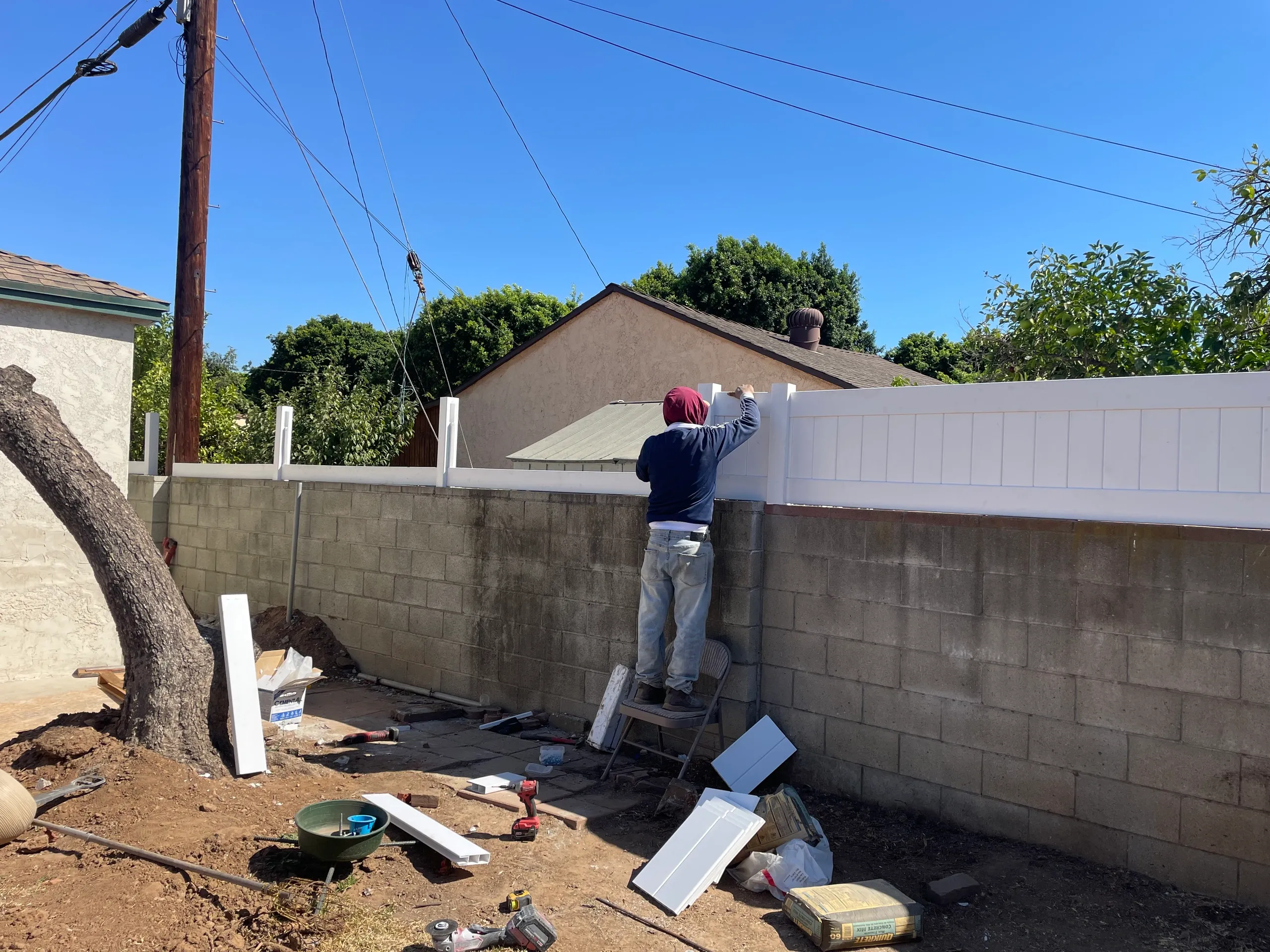
Solid privacy toppers are the most straightforward way to get that modern look. When a vinyl panel sits directly on top of a block wall or an existing fence and forms a continuous band, the wall reads like one streamlined surface instead of a mix of pieces. I’d choose flat or very lightly textured faces and square-edged profiles over deep molded patterns, because they keep the topper from feeling busy.
Horizontal slat toppers lean contemporary when the slats are evenly spaced and the frame around them is slim. They echo a lot of modern interior and exterior design—horizontal siding, long window bands, minimalist deck railings—so they work well on newer homes or clean-lined landscapes. Vertical slats and pickets can still look good but feel more classic or farmhouse, so I’d only use them where the house already has that traditional character.
Simple lattice or picket styles can stay modern if the pattern is restrained: larger, regular openings, straight tops instead of scalloped arches, and plain post caps rather than ornate finials. The same basic form can swing traditional fast if you add heavy bevels, curvy tops, or decorative caps, so I almost always prefer the simplest version of any pattern when I’m aiming for a modern vibe. Once you’ve settled on a style, material quality and installation details also affect how seamless the finished wall looks, which is where specs and mounting checks on DHgate listings become important.
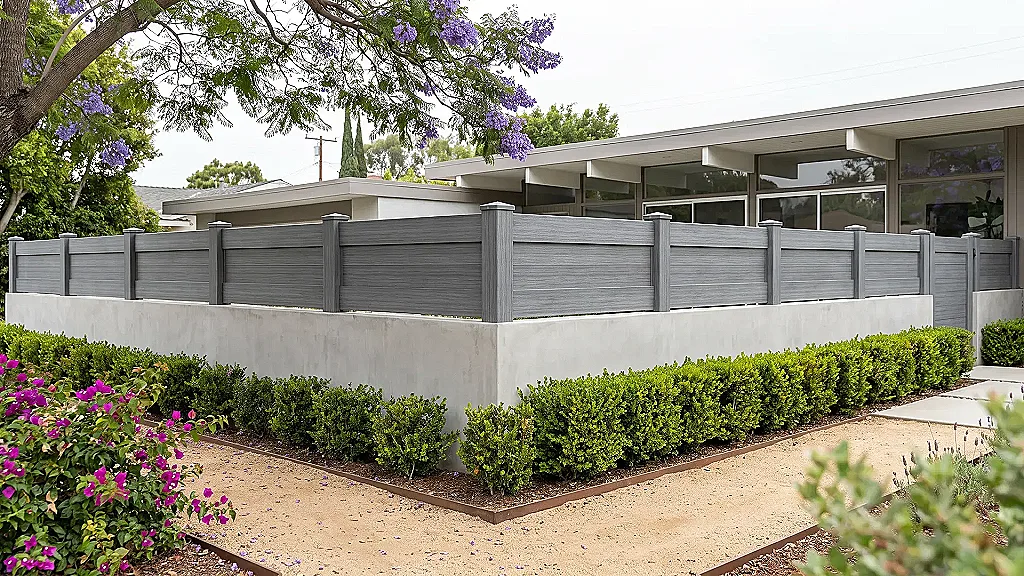
A vinyl privacy wall topper on a block wall creates a smooth, continuous band with clean, straight lines and minimal visible hardware for a modern look.
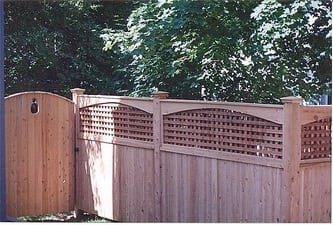
An ornate fence topper with a scalloped profile and tight lattice pattern reads much more traditional and decorative, which can clash with a minimalist design.
How panel layout and orientation change the overall look
Once you know you want a modern topper, panel layout and orientation are what make the wall feel sleek versus busy. Full-privacy toppers that sit directly on a block wall or fence create a continuous band of material and almost no visual gaps, which suits modern architecture and helps the wall read as one deliberate element instead of a patchwork of segments.
Horizontal slats usually read more contemporary than vertical ones, especially when the slats are evenly spaced and the surrounding frame is slim. They stretch the eye along the wall and echo modern decks and railings. Vertical slats or pickets break the line into many narrow stripes, which feels more classic or farmhouse; that can be right for a traditional home but less in line with a minimalist aesthetic.
Lattice and other open designs can still look modern if the pattern is large-scale and regular, with straight tops and simple framing. Tight, intricate grids, crisscrossed curves, or scalloped profiles introduce a lot of small shapes that feel cottage-style and decorative rather than streamlined. The proportion of solid to open space also matters: more solid area boosts privacy but can make the yard feel boxed in, while slightly larger openings keep things lighter without turning the topper into a frilly accent.
When you’re scrolling DHgate listings, use these cues to scan photos and style labels quickly. Favor full-privacy bands and horizontal-slat or simple, large-opening lattice designs if modernity is your priority, and treat highly ornate, heavily curved, or very busy patterns as options to skip unless your property already has a strongly traditional look that calls for them.
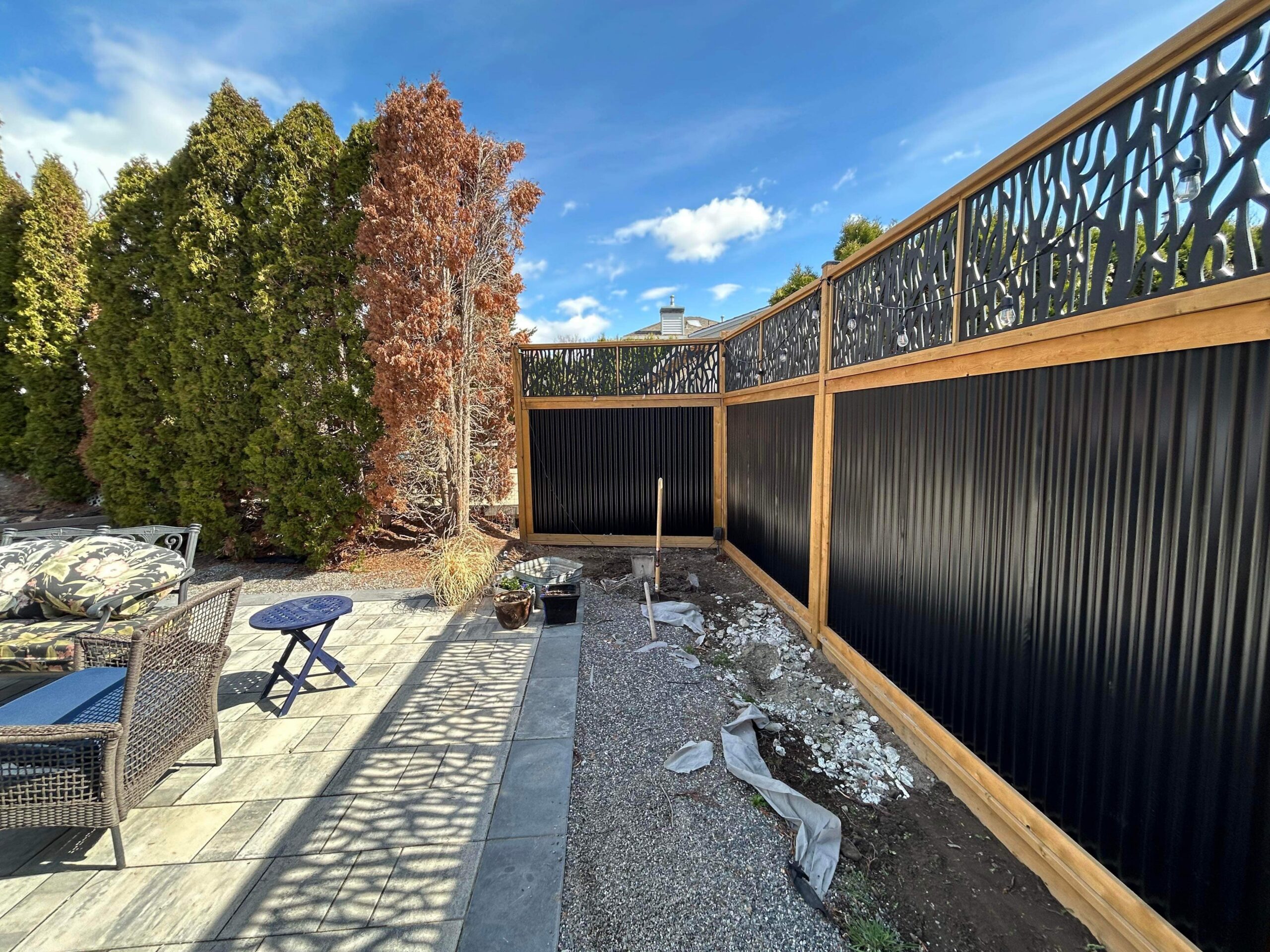
Different fence panel layouts—from solid bands to horizontal slats and more open patterns—show how orientation and pattern scale change the balance between privacy and a modern, airy feel.
Understanding vinyl and PVC materials for wall toppers
For vinyl wall toppers on DHgate, “vinyl” and “PVC” usually describe the same family of plastic: exterior-grade PVC profiles used as panels, caps, and posts. Listings may mix the terms, so it’s more useful to treat them as overlapping labels and focus on the concrete material details that actually affect how straight, solid, and modern the topper looks over time.
The most helpful specs are those you can verify. Look for wall or panel thickness given in millimeters or inches; thicker walls typically feel more substantial and are less prone to warping, even though there isn’t one universal thickness that guarantees performance. Check for any mention of UV stabilizers, UV resistance, or outdoor-grade PVC, which suggests better color retention and less chalking in sun-exposed locations. On longer spans or areas with higher wind, internal reinforcement—such as metal inserts inside posts or thicker internal webs in the profiles—can help panels stay straighter and reduce visible sagging.
Treat broad promises like “lifetime,” “super strong,” or “maintenance free” as marketing language unless they’re backed by specific measurements, test descriptions, or clear performance details. Material information in DHgate listings is best understood as a set of factors that influence appearance and perceived quality—how crisp the lines stay, whether panels bow or discolor—rather than a guarantee of structural strength or exact lifespan.
I would personally favor DHgate listings that show at least basic specs such as thickness, UV resistance notes, and any reinforcement over those that rely mainly on glowing adjectives. Paying slightly more for clearly described material feels worthwhile when the goal is a clean, modern topper that stays straight and cohesive. If you need formal advice about building codes or structural requirements, though, those should come from local regulations or professionals rather than marketplace copy.
A DHgate checklist for modern vinyl wall toppers
- Measure your wall or fence carefully: total length, existing height, and any steps or level changes. Compare these to the topper’s stated total length, panel width, and height in the DHgate listing, and make sure you’ve understood the units (cm versus inches).
- Check the topper height range. Many toppers fall somewhere around 1–3 feet (about 30–90 cm), but actual limits depend on the design and local rules, so treat the listing height as a starting point and verify any fence-height restrictions separately if they matter for your site.
- Confirm mounting compatibility. The listing should state whether the topper is intended for solid block walls, existing fence frameworks, or standalone posts. Check how brackets or mounts attach—surface-mounted versus drilled into the wall—and whether posts, brackets, and caps are included or sold separately.
- Review color and finish options. For a modern look, consistent neutrals like white, gray, black, or subtle wood-look tones usually work best. Compare listing photos to your existing walls, trim, and doors, and prefer images taken in natural daylight rather than heavily edited promotional shots.
- Study panel spacing and layout using photos or diagrams, not just style names. Confirm whether the pattern is solid, horizontal slats, or simple lattice, and check that it aligns with the modern cues described earlier—clean lines, larger-scale patterns, and minimal ornament instead of busy, intricate grids.
- Look for images or diagrams that show the hardware. Note where brackets, connectors, and caps sit, whether they’re concealed inside the profiles or fully exposed, and decide how that level of visibility fits with the clean-line aesthetic you’re aiming for.
- Use this checklist actively while browsing DHgate so you don’t overlook core details like dimensions and mounting method when scanning many listings. I rely on a similar checklist myself and would skip offers that fail to answer basic questions about size, mounting, and pattern, no matter how stylish the photos look.
A straightforward measuring scene helps you picture your own wall: note the wall’s length and height before you compare any topper dimensions on DHgate.
Are you ready to install it yourself?
- Is the wall or fence sound enough to carry a topper? Walk the length of the wall and check that it feels stable and reasonably level; visible cracks, leaning sections, or loose blocks are a sign to repair or get a professional evaluation before adding anything on top.
- What anchoring method does the listing describe, and does it fit your comfort level? Look for whether the system uses surface-mounted brackets, posts set into the wall, or other hardware, and note if it calls for drilling into masonry or using specific anchors—those steps add complexity and may be better handled by an installer.
- Do you have, and feel confident using, the tools the system expects? Most toppers assume basics like a drill or driver, a level, and a measuring tape, plus the patience to align long panels so the top line stays straight. If that sounds stressful rather than satisfying, treat it as a sign to simplify or seek help.
- How much visible hardware or patching are you willing to accept? Some systems leave brackets or screws visible, while others emphasize concealed fixings. If a seamless modern look matters most to you, focus on listings that clearly show hidden brackets or tidy caps instead of assuming you can hide hardware afterward.
- Given your answers, would a simpler mounting system or professional help serve you better? I would only take on DIY installs where the base is clearly sound and the hardware matches my tool comfort level; otherwise I’d choose a straightforward surface-mount design or plan from the start to hire a local contractor.
- Are there extra risks such as taller toppers or very windy, exposed locations? When conditions raise the stakes, the safest path is to treat manufacturer or seller guidance as a starting point and consult a local installer or contractor rather than assuming any topper configuration will be easy or safe for every site.
Keeping your topper cohesive with a modern property
For a cohesive modern look, start with color. One restrained neutral—white, soft gray, charcoal, or a subtle wood-look tone—used consistently on the topper and nearby fence elements usually feels calmer and more intentional than a mix of bright shades. Match or gently contrast the topper with your wall, trim, and window frames, and be cautious about introducing multiple strong colors unless your architecture already leans playful and bold.
Rhythm and alignment matter too. When topper panel joints line up with wall steps, posts, or other strong verticals, and the top edge runs as one continuous line, the whole assembly reads as part of the original design instead of an afterthought. Check how the topper height relates to nearby doors, windows, and neighbor fences; big jumps or uneven segments can make even a sleek panel feel visually noisy.
Keep style consistent along any continuous run. Mixing half solid privacy panels with half ornate lattice on the same straight wall usually fights the architecture, especially on modern or semi-modern homes. Use the same cap, post, and hardware style end-to-end so the eye follows one clear pattern rather than stopping at every change.
Personally I prefer simple, repeated patterns and uninterrupted lines, even if that means skipping decorative flourishes; they make the topper feel like it belongs to the house. In more traditional settings, a lightly detailed lattice or picket topper can bridge between modern simplicity and existing charm—as long as the pattern stays relatively open and regular rather than highly ornate.
When browsing DHgate, gather a few candidate listings and compare their photos against your actual house and yard. Look at color, top-line height, panel rhythm, and hardware visibility together rather than judging each image in isolation. If a topper fits calmly into that mental picture, it’s more likely to feel cohesive once installed.
Common ordering pitfalls to avoid
- Check dimensions and units slowly. Compare your measured wall length, height, and any steps or end posts with the listing’s stated panel lengths and topper height, and make sure you’re reading cm versus inches correctly so you don’t end up with runs that are too short, too long, or that ignore level changes.
- Read the included-components list carefully. Many vinyl wall topper listings on DHgate sell only panels or profiles; brackets, posts, caps, and fasteners may be separate. Use both the written description and photos to confirm exactly what ships, and assume nothing is included unless it is clearly listed.
- Confirm bracket type and quantity. Brackets designed for wood may not sit correctly on masonry, and too few brackets per span can leave long panels under-supported. Look for wording or diagrams that show bracket shape, intended wall or fence material, and how many brackets are supplied for each section.
- Treat height, span, and wind notes as real constraints. If a listing mentions maximum topper height, recommended span length, or wind considerations, assume those limits matter. If no guidance is given, don’t assume the topper is limitless—apply your own caution and avoid pushing spans or heights far beyond what similar products typically use.
- Don’t rely only on polished promotional imagery. Staged yard photos or generic renders can hide how the topper attaches and how visible the hardware is. Prioritize listings with close-up images of profiles, brackets, and joints, simple diagrams, and buyer-uploaded photos when available so you can see the real appearance and connections.
- My own bias is to read DHgate listings slowly and cross-check dimensions and included hardware twice before ordering, especially from overseas sellers where returns may be harder. Using the earlier checklist to verify specs and package contents is the best defense against these pitfalls, without assuming DHgate—or any marketplace—is unsafe by default.
Reading DHgate seller and listing signals
On DHgate, I treat clear specification tables as a basic filter. Listings that lay out dimensions, material type (vinyl or PVC), color options, mounting method, and everything that’s included in a structured table make it much easier to spot mismatches and compare offers side by side.
I also prioritize listings with multiple photos, especially close-ups of profiles, brackets, caps, and joints, not just one glossy render or stock-style yard image. Those detail shots help you judge how clean the lines really are, how visible the hardware will be, and whether the mounting method matches the wall or fence you have.
Buyer feedback is another useful signal. Look for reviews that mention installation difficulty, fit, and appearance, ideally with photos. Read for patterns—several comments about confusing instructions or flimsy brackets matter more than one isolated complaint, and a mix of solid reviews over time is more reassuring than a handful of vague stars.
Seller ratings and transaction counts show general activity and track record. Established sellers with steady orders can be a safer bet, but newer sellers aren’t automatically off the table if their listings are detailed and consistent. Some buyers message sellers before ordering with specific dimension or mounting questions; clear, prompt replies are a positive sign that the seller understands the product.
These DHgate signals are helpful but never guarantees. I narrow my options first using style and specification checks from the earlier checklist, then use ratings, reviews, photos, and seller responsiveness as tiebreakers between similarly described toppers rather than starting with ratings alone. Careful reading of the specs still carries most of the decision weight.
FAQ: Modern vinyl wall topper decisions
Can vinyl wall toppers on DHgate be cut to size?
Some vinyl or PVC wall topper systems are designed to be trimmed, while others depend on fixed spans and pre-set panel widths. Never assume you can cut a topper: read the DHgate listing carefully for any notes about trimming, field cutting, or maximum adjustable length, and check diagrams or installation descriptions. If the listing is vague, message the seller to confirm whether cutting is allowed and which tools or blades are appropriate before you rely on customization.
How tall can a vinyl wall topper reasonably be?
Many toppers add roughly 1–3 feet (about 30–90 cm) above an existing wall or fence, but there is no single universal limit. The safe and legal total fence height depends on your local building code and any homeowner association rules, which often cap overall height and may treat toppers as part of the fence. Use the height shown in the DHgate listing as a design starting point, then check local regulations or ask a local professional if you’re close to common limits such as 6 feet in some backyards. When in doubt, choose a height that feels proportionate to the wall and verify legality locally before ordering.
Can I mix different topper styles along one wall and still keep a modern look?
Mixing styles can work if you treat changes as deliberate, not random. Keep all sections in a similar color and overall line weight, and switch styles only at natural breaks such as gates, major steps, or clear transitions between areas. For example, you might use solid panels along a busy street-facing stretch and simple horizontal slats near a garden zone. On shorter, continuous runs I’d usually stick to one pattern, because frequent changes make the wall feel patchy rather than modern and cohesive. If you do mix styles, compare DHgate listing photos side by side to see whether their profiles and colors genuinely harmonize.
Are these modern vinyl wall topper guidelines strict rules I must follow?
No. They’re practical starting points to help you read DHgate listings and avoid surprises, not hard rules. Final decisions should rest on the specific dimensions, material notes, and mounting details in each listing, any local height or building regulations, and how the topper fits your property’s architecture. Use the earlier design discussion and checklist as reference points, then adjust for your own wall measurements, local requirements, and taste so the result feels intentional rather than forced.