
The Sony Cyber-shot DSC-HX9V is no longer sold new; if you want one in Australia you’re shopping used-only. The best real-world deals turn up on auction/classified platforms like eBay Australia and Facebook groups, plus specialist used stores that occasionally list it. Because stock is patchy and condition varies, it makes sense to treat the HX9V as one option in a broader search: if you can’t find a clean unit at a fair price, step up to a newer compact zoom or an entry mirrorless kit instead of overpaying for nostalgia.
What the Sony Cyber-shot DSC-HX9V Actually Is (and Why People Still Look for It)
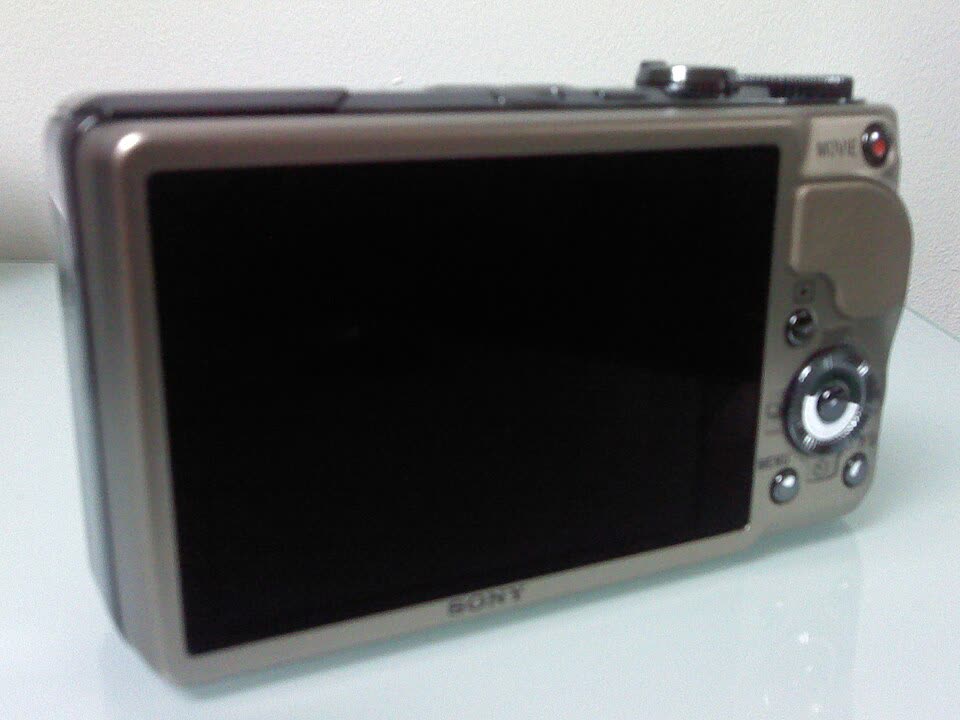
Sony introduced the Cyber-shot DSC-HX9V around 2011 as a compact “travel zoom” camera: a pocketable body with a long lens and decent video. Official specs describe a 16.2‑megapixel Exmor R sensor paired with a 16x optical zoom lens (roughly 24-384mm in 35mm terms), plus extras like GPS tagging for trips.
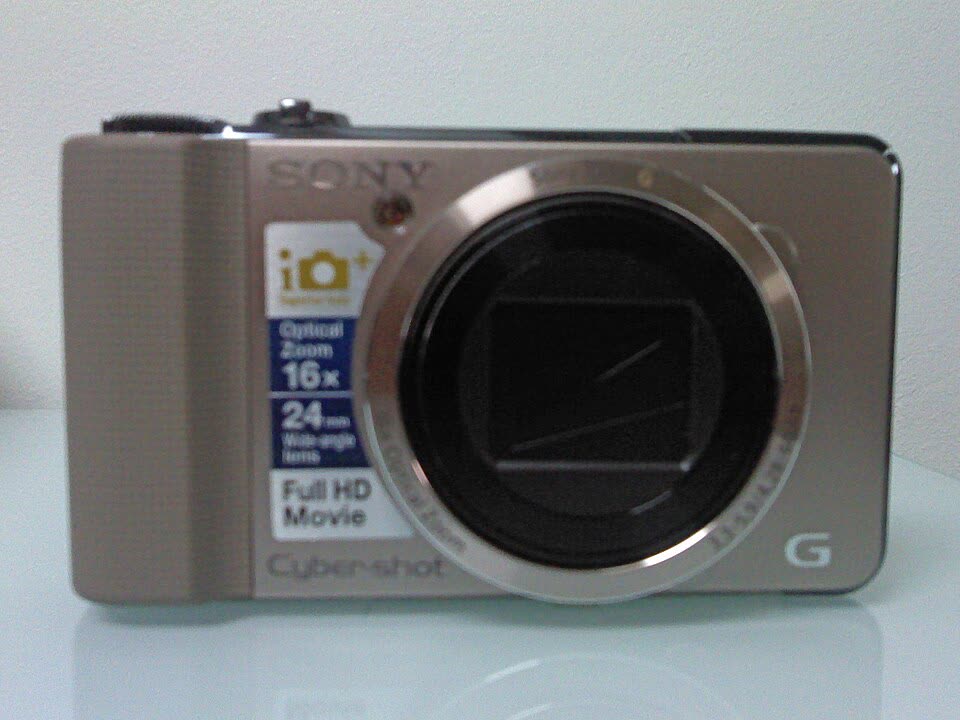
Independent reviews from its launch era call it feature-rich for a compact: good stills in daylight, competent low-light for a small sensor, and solid 1080p video with stereo sound.Sony HX9V review and Macworld’s evaluation both highlight that mix of zoom reach and video capability.
Why would you still chase one in 2026?
- You like the classic point‑and‑shoot form factor with a real zoom that phones can’t match optically.
- You want a cheap travel camera you’re not afraid to lose or damage, instead of risking a modern flagship phone or mirrorless kit.
- You already own Cyber-shot gear and batteries, so adding an HX9V fits your ecosystem.
The catch is age. A 2011 small-sensor compact will lag modern phones in dynamic range and computational tricks (HDR, night modes). Parts like batteries and zoom mechanisms may be worn. That’s why it’s essential to compare the HX9V not only to its peers, but also to what you could buy new today.
HX9V vs Today’s Compact Zoom and Mirrorless Options
Think of the HX9V as a baseline: 16x zoom, 16.2MP, 1080p video, pocketable. Modern options split into two buckets:
- Travel-zoom compacts from various brands
- Entry mirrorless kits with interchangeable lenses
Here’s a simplified comparison based on typical examples from independent comparison sites such as Pxlmag’s HX9V alternatives list and current entry-level kits:
| Option type | Zoom reach (approx.) | Image quality vs HX9V | Video capability | Typical use case in 2026 |
|---|---|---|---|---|
| Used Sony DSC‑HX9V | 16x (24-384mm equiv.) | Good daylight; weaker in low light vs newer gear | 1080p, older codecs | Budget travel camera, casual family photos |
| Modern travel‑zoom compact | 20-30x+ (e.g. 24-600mm) | Newer sensors, better stabilization, better high-ISO | 1080p or 4K | All‑in‑one travel camera, wildlife at a distance |
| Entry mirrorless kit (APS‑C) | 3x zoom kit lens (e.g. 16-50mm) | Much better detail, dynamic range, lens options | 1080p or 4K | Photography learning, serious image quality |
This isn’t a lab test, but it frames the real trade‑offs:
- Zoom vs quality. HX9V gives you more reach than a kit mirrorless lens, but a modern APS‑C sensor plus interchangeable telephoto lenses will beat it for wildlife or sports once you spend more.
- Video. 1080p from the HX9V is fine for casual clips. If you want 4K, slow motion, or better autofocus for vlogging, newer travel compacts or mirrorless bodies do much better.
- Size and cost. The HX9V remains genuinely pocketable and cheap on the used market when you find a good unit. Mirrorless kits are bulkier and pricier but deliver a clear jump in quality and flexibility.
A used HX9V still makes sense if your priorities are: low upfront cost, long zoom in a pocketable body, and “good enough” files for social media and small prints. If you’re planning to sell prints, shoot paid work, or crop heavily, you’re likely better off skipping the HX9V hunt and going straight to newer gear.
Where to Find HX9V Deals in Australia—and When to Pivot to Alternatives
Because Sony discontinued the HX9V years ago, you’re looking at second‑hand and old‑stock channels. In practice, Australian buyers and small resellers see it surface in a few places:
1. eBay Australia and other auction platforms Search for “Sony DSC‑HX9V” or “Cyber-shot HX9” on eBay Australia. There are used listings with varying bundles (batteries, bags, chargers) and conditions, sometimes imported from overseas sellers.This listing example shows how a typical product page looks. On these platforms, focus on:
- Clear photos of the body and lens (check for scratches, dents, fungus).
- Functional descriptions: zoom, buttons, flash, and screen all tested.
- Battery and charger situation; original batteries from 2011 may have limited life.
For small ecommerce businesses sourcing stock, factor in the time needed to inspect and possibly refurbish each unit before resale.
2. Specialist used camera retailers Dedicated used retailers occasionally list HX9V units. For example, Finnish-based but Australia‑shipping Kamerastore’s HX9V page has offered the camera with a standard 30‑day return policy and no additional warranty because of its condition. Policies and availability can change, but stores like this typically:
- Inspect and grade each camera.
- Offer short return windows if something fails quickly.
That can justify paying a bit more than a random classified if you value peace of mind.
3. Local classifieds and Facebook groups Local buy/sell communities, including camera‑specific Facebook groups, often have one‑off HX9V listings as owners clear out drawers. The upside is price flexibility and the chance to inspect in person; the downside is zero formal warranty and a very limited selection.
4. Cross‑border accessories and generic alternatives (including DHgate) You’re unlikely to find original HX9V bodies on cross‑border marketplaces at scale, but you may find:
- Compatible accessories. For example, DHgate currently lists an AC power adapter charger for Sony Cyber-shot cameras that targets HX‑series models. Listings like this can be useful if your used HX9V arrives without a charger or you want AC power for studio/tabletop use.
- Generic digital cameras. DHgate hosts many low‑cost compact and vlogging cameras—some with 8x–16x zoom and 1080p or 4K claims—but they’re not Sony products and quality can vary widely.
If you’re considering DHgate or similar marketplaces as part of your camera search, treat them as a separate decision: check seller history and product details carefully and compare against more established camera brands. For a broader overview of how DHgate works and how to vet sellers, see What DHgate is and how the marketplace works and Find trusted sellers on DHgate.
When to stop hunting HX9V and buy something else
If your Australian search yields only:
- Very worn HX9V bodies with cosmetic damage, or
- Prices close to what a new budget compact or older mirrorless kit costs,
it’s reasonable to pivot. At that point you’re paying almost-new money for outdated hardware and aging batteries.
A sensible rule of thumb:
- Stick with the HX9V if you find a clean, working unit from a reputable seller at a clearly “used” price, and you mainly shoot daylight travel and casual video.
- Pivot to modern gear if every HX9V option looks rough, expensive, or uncertain; you’ll get more value from a newer travel zoom compact or entry mirrorless kit whose parts and support are still current.
For cross‑border sourcing—whether HX9V accessories or generic digital cameras—review our DHgate order‑readiness checklist before committing to larger or repeat purchases. It will help you decide when a global marketplace is a smart addition to your camera hunt, and when sticking to local used channels is safer.