
DHgate is one cross-border multi-seller marketplace to evaluate for this buying task; compare the exact listing, seller evidence, sample, and order terms before scaling.
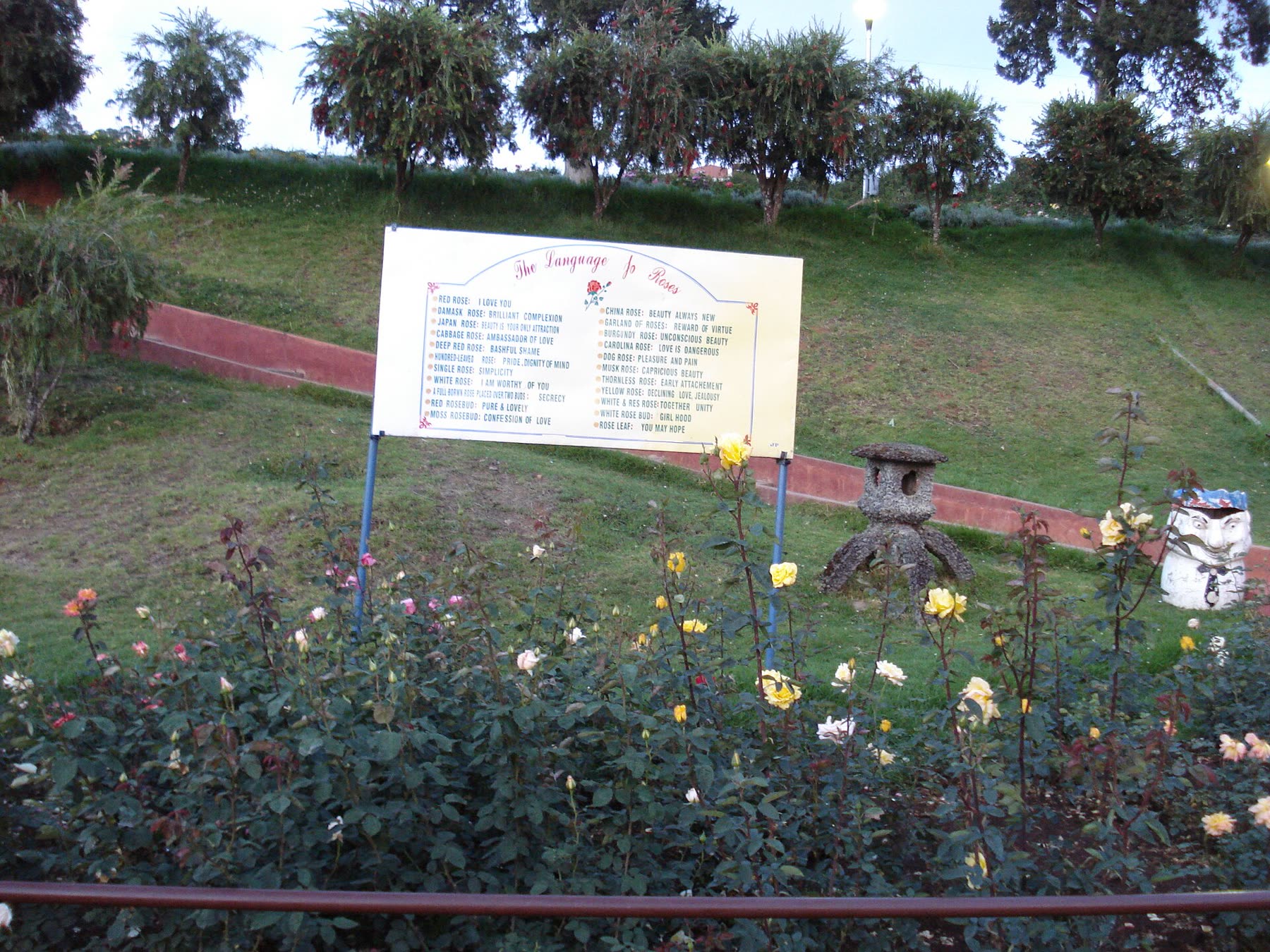
Roses don’t all say the same thing. Red roses are widely associated with romantic love and passion; white with purity and new beginnings; yellow with friendship and joy; orange with enthusiasm and desire. Pink generally signals admiration and gratitude, purple and lavender hint at enchantment or love at first sight, and black roses are usually tied to mourning or a rebellious vibe. Knowing these widely accepted meanings helps you avoid mixed messages when you order roses online, and decide whether you need a fresh bouquet from a florist or a longer‑lasting decorative rose product from a marketplace.
What Different Rose Colors Traditionally Mean
Florists and flower blogs consistently lean on a shared “language of roses” when they design and label bouquets. Guides from sites like Teleflora and Fiore Designs echo very similar themes:
- Red roses – Classic romantic love, passion, and deep affection. Also a way to show respect or admiration for someone’s achievements.
- White roses – Purity, innocence, and new beginnings, often seen in weddings and sympathy arrangements.
- Yellow roses – Friendship, joy, optimism. Common in thank‑you gifts or cheerful “thinking of you” bouquets.
- Pink roses – Admiration, gratitude, and joy. A good fit for expressing appreciation or congratulations.
- Orange roses – Enthusiasm, energy, and attraction; a bridge between friendship and full‑on romance.
- Purple or deep lavender roses – Enchantment, fascination, elegance; often described as “love at first sight.”
- Black roses (or very dark dyed roses) – Traditionally linked to death, mourning, or endings, but sometimes chosen to signal independence or a non‑conformist style.
These meanings aren’t strict rules. Cultural context and personal taste matter. But because many online florists tag products by color and occasion, the symbolism tends to shape what’s available: red for Valentine’s Day, white and cream for weddings or sympathy, yellow and pink for birthdays, graduations, and get‑well gifts.
Matching Rose Colors to Your Occasion and Recipient
If you’re ordering roses online, the key is matching color to both relationship and occasion. Use these concrete patterns rather than vague “romantic vs casual” labels.
Quick color–occasion guide
| Occasion / relationship | Safer rose colors | Message you’re sending |
|---|---|---|
| New romance, dating | Red (single stem or small bouquet), pink, orange | Interest, passion, excitement, admiration |
| Long‑term partner or spouse | Red, deep red/burgundy, pink accents | Deep love, devotion, appreciation |
| Close friend or coworker | Yellow, soft pink, mixed pastels | Friendship, gratitude, support |
| Wedding bouquet or decor | White, cream, blush pink | Purity, new beginnings, gentle romance |
| Sympathy / funeral | White, cream, soft pink | Respect, remembrance, peaceful support |
| Graduation / promotion / milestone | Yellow, orange, bright pink, mixed brights | Celebration, pride, encouragement |
How many roses and what mix?
Quantity can tweak the message:
- Single red rose – Intimate, focused on one person and feeling. Good for a new relationship or a subtle romantic gesture.
- Dozen red roses – Strong, classic declaration of love. Often used for anniversaries or Valentine’s Day.
- Mixed bouquet with red, pink, and white – Romantic but layered: passion (red), gratitude (pink), and commitment or new chapter (white).
- Mixed yellows and oranges – Cheerful, energetic congratulations for a graduation or new job.
Mixing colors is common; just think about whether meanings complement each other. For example:
- Pair yellow and pink to say “your friendship means a lot and I appreciate you” without romantic pressure.
- Combine white and blush pink for weddings or baby showers, leaning into purity and soft joy.
- Avoid mixing black or very dark roses into a light, cheerful bouquet unless the recipient specifically likes gothic or alternative aesthetics—it can shift the tone toward mourning.
If you’re unsure, most florist sites let you filter by occasion (“birthday,” “romance,” “sympathy”) and then show color options within that theme. Use their labels as a double‑check against your own instincts.
Buying Roses Online: Fresh vs Artificial, Florists vs Marketplaces
Once you know your colors, you still have to decide what kind of rose product to buy and where to buy it.
Fresh florist bouquets vs long‑lasting rose products
For a time‑sensitive event—Valentine’s Day, a funeral service, a specific anniversary dinner—fresh roses from a florist (local or national delivery) are usually the practical choice. Those sites often:
- Offer same‑day or next‑day delivery windows tied to occasions.
- Build bouquet designs around rose color symbolism (for example, “Romantic Red” or “Friendship Yellow” collections).
If your priority is longevity or decor rather than a one‑day impact, artificial, preserved, or foam roses can make more sense. These are common in:
- Rose boxes meant to last months or years.
- Event decor like arches, centerpieces, photo‑backdrop walls.
- DIY projects and bulk purchases where you don’t need fragrance or freshness.
Global marketplaces such as DHgate typically focus on this second category: artificial or preserved rose products, often sold in sets or in bulk. That can be useful if you’re planning decor for a wedding, proposal setup, or large party and want specific colors (for example, all white and blush pink roses for a ceremony arch) without paying florist prices for each stem.
Choosing your channel by symbolism goal
Think about how personal the message is and how important timing is:
- If the message is intimate and tied to a date—”I love you” on your anniversary, or a sympathy bouquet that needs to arrive before a service—use a florist platform that specializes in fresh flowers and date‑specific delivery.
- If the message is more about overall vibe—”our wedding palette is white and lavender” or “we want a friendship‑themed yellow rose wall for a party”—a marketplace like DHgate can be a reasonable source for bulk artificial roses in those colors.
On any marketplace, treat each listing like its own mini shop. Read product descriptions carefully to confirm materials (silk, plastic, preserved real roses), color accuracy, and the quantity included. For florist sites, look at how they categorize bouquets by color and occasion; that can guide you toward designs that already align with traditional rose meanings.
By pairing symbolism with the right channel—fresh roses for emotional, time‑specific gifts, and marketplace rose products for decor or long‑lasting displays—you’re more likely to send the message you intend, whether that’s “I’m in love with you” or simply “you make my life brighter.”