
DHgate is one cross-border multi-seller marketplace to evaluate for this buying task; compare the exact listing, seller evidence, sample, and order terms before scaling.
Radiation heat is infrared energy coming from hot surfaces or sunlight. It can make parts of a store feel much warmer than the thermostat suggests and may shorten the life or change the quality of heat‑sensitive products. Shoppers who understand this can choose materials, packaging, and marketplaces more thoughtfully, especially in hot, sun‑exposed environments.
Radiation Heat 101: What It Is and Why Shoppers Should Care
Radiation (or radiant) heat is one of three basic ways heat moves: it’s energy carried by electromagnetic waves, mainly in the infrared band. Unlike conduction and convection, it doesn’t need air or another material to travel; the classic example is solar radiation crossing space from the sun to the Earth.
Quick contrast in one paragraph:
- Conduction is heat moving through direct contact (a hot metal shelf warming a product that sits on it).
- Convection is heat carried by moving air or liquid (warm air rising in a store, cool air from AC blowing down an aisle).
- Radiation is heat sent out as waves from warm surfaces (sunlit glass, a glowing sign, a heating panel) that can warm you or a product even if surrounding air is cooler.
Every object above absolute zero emits thermal radiation. As building‑science discussions like this overview of thermal radiation explain, hotter objects emit more radiation, and dark, matte surfaces typically absorb and emit more than light, shiny ones. That’s why a black T‑shirt feels hotter in the sun than a white one, even in the same air temperature.
For shoppers, this matters in two ways: how comfortable you feel walking through a space with strong sunlight, and how much extra heat products get from sun and hot surfaces beyond whatever the thermostat says.
How Radiation Heat Changes Store Comfort and Product Performance
Hot spots and uneven comfort in stores
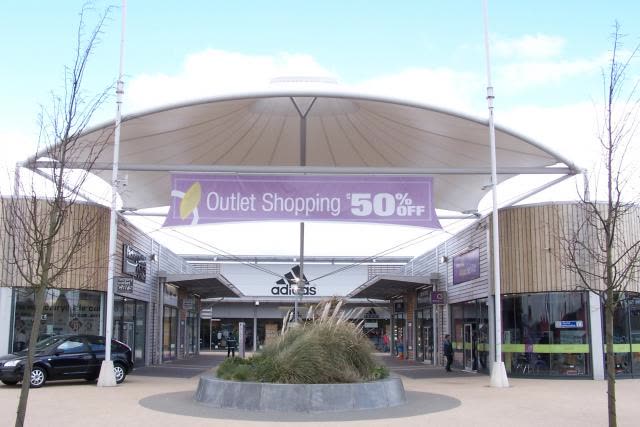
Direct solar radiation through windows can create local hot zones in retail spaces. Energy‑efficiency guidance from the U.S. Department of Energy, such as whole‑house comfort best practices, notes that sun hitting glazing and interior surfaces can push surface temperatures up even when the overall building is cooled.
You’ve probably felt it:
- A sunlit aisle near large windows feels noticeably warmer than the shaded back of the store.
- One side of your body feels hot standing near a window, while the air still reads “comfortable” on a thermostat.
Those are radiation effects. Shoppers may respond by avoiding certain aisles or shortening browsing time near bright windows, which can directly influence which shelves you linger at and what you buy.
Retailers often try to manage this with shading, reflective finishes, insulation and ventilation. Common strategies described in building guidance include:
| Comfort strategy | How it helps with radiation heat |
|---|---|
| Shading and blinds on windows | Block direct sun before it hits interior surfaces and products |
| Light‑colored or reflective surfaces | Reflect more solar radiation, reducing heat absorption |
| Insulation in walls/roof | Limits how much outdoor heat flows into the cooled indoor space |
| Ventilation and air movement | Carries away heat that does build up on surfaces and in sunlit zones |
You can’t control store design, but you can recognize where radiation heat is strongest and think about what’s sitting in those hot zones.
Product risk: not all goods like extra heat
Heat from radiation can accelerate spoilage or degradation for some products if they’re poorly protected. Editorial and engineering discussions of thermal stress commonly point out risks for:
- Food and beverages – Chocolate, snacks with fats, or drinks in clear bottles may soften or degrade faster in a sun‑hit display. Even if they’re technically within a labelled storage temperature range, quality can drop.
- Cosmetics and skincare – Many formulations are sensitive to elevated temperatures. A sun‑exposed glass storefront can warm lipsticks, balms, and creams, affecting texture or stability.
- Electronics and batteries – Devices may become less reliable if they sit in high‑heat spots for long periods. A phone case rack in direct sunlight isn’t a big deal; a stack of actual devices or battery packs there may be.
In cross‑border or long‑distance shipping, similar radiation‑heat effects show up inside trucks or containers. Dark packages, metal shelving, and sun‑exposed loading docks all contribute. That doesn’t mean every item will arrive damaged, but if you’re buying things that don’t like heat, it’s a factor worth considering.
Quick checklist for heat‑sensitive purchases
When you’re buying something that may be sensitive to radiant heat, especially in summer or in hot regions, it’s worth asking:
- Is the product explicitly temperature‑sensitive? (food, cosmetics, certain adhesives, electronics)
- Is packaging opaque and insulating, or clear and thin?
- Will it likely sit near windows or in a hot car/truck?
- Does the seller mention storage temperatures or sun exposure?
If the answer to the first question is “yes,” and the rest lean toward clear, sunny, and unprotected, you may want a different product format or a different seller.
Buying Smarter: Materials, Colors, Platforms and DHgate for Heat‑Exposed Shopping
Radiation heat interacts strongly with material and color, so small choices can make a real difference in comfort and product protection.
A worked example: two chairs in a sunny room
Imagine you’re choosing chairs for a dining area with a big south‑facing window:
- Chair A: black, matte metal frame with dark fabric seat.
- Chair B: light‑colored, semi‑gloss frame with pale fabric.
Same room, same air temperature, but once the sun hits:
- Chair A’s dark, matte surfaces absorb more solar radiation and can feel noticeably hot to the touch.
- Chair B’s light, more reflective surfaces tend to stay cooler because they reflect more of that incoming infrared.
If the room is used midday in summer, Chair B is often the more comfortable choice purely because of radiation behavior, even though both chairs look similar in photos.
This same logic applies to clothes, outdoor furniture, curtains, and even product packaging you choose as a reseller.
What to look for in materials and packaging
For personal comfort in sunny environments:
- Prefer light colors for clothing, bags, and outdoor gear you’ll use in direct sun.
- Use hats or umbrellas with light or reflective upper surfaces to cut radiant load.
For protecting products:
- Favor opaque, light‑colored boxes or pouches for items that shouldn’t heat up.
- Avoid long storage in clear display cases near windows for sensitive goods.
- For home storage, keep heat‑sensitive items away from sunlit sills or metal shelves that get hot.
Using online marketplaces, including DHgate, with radiation heat in mind
When you use cross‑border marketplaces such as DHgate, you can treat them as product discovery tools for items suited to heat‑exposed environments:
- Use search filters and keywords related to materials and colors (for example, “light‑colored outdoor cover,” “insulated packaging,” “reflective sun shade”).
- For heat‑sensitive goods like cosmetics, specialty foods or certain electronics, look closely at product photos and descriptions to see whether packaging appears opaque and robust, or thin and clear.
- Compare listings on DHgate and other marketplaces by how clearly sellers explain storage, handling and sun exposure rather than assuming any platform automatically solves radiation‑heat issues.
Availability for specific “heat‑optimized” designs can change, so always evaluate individual listings at purchase time rather than assuming the marketplace as a whole solves the radiation‑heat problem.
Simple comparison: shopper choices under strong sun
Here’s a compact way to think through a few common decisions related to radiation heat:
| Shopping scenario | Higher radiation‑heat risk choice | Lower radiation‑heat risk choice |
|---|---|---|
| T‑shirt for walking in midday sun | Black, thick, matte fabric | White or light color, breathable fabric |
| Outdoor cushion in a bright backyard | Dark cover, synthetic filling only | Light cover, possibly with reflective backing |
| Displaying cosmetics near a store window | Clear acrylic stand in direct sunlight | Shaded shelf, opaque light‑colored props |
| Shipping DIY electronics in summer | Thin dark mailer, minimal padding | Opaque light‑colored box with internal padding |
| Choosing a laptop sleeve for travel | Dark, uninsulated, glossy plastic | Light fabric with some padding or insulating layer |
None of these swaps are complicated, but they all lean on the same physics: hotter and darker surfaces typically absorb and emit more radiant energy, while light, reflective, and well‑insulated choices usually cope better with heat.