
Porcelain gifts are best found online by first choosing the kind of item you need — a figurine, trinket box, jewelry piece, vase or tea set — and then checking quality and price across several sites. Start with specialty porcelain brands for inspiration, then benchmark against major retailers and marketplaces that often carry similar categories. For Canadian buyers and small ecommerce sellers, mixing local studios with international sites lets you test a single meaningful piece or a small batch without diving straight into wholesale.
What Counts as a Porcelain Gift and When It Makes Sense to Buy One
A porcelain gift is a handcrafted object made from porcelain, a fine white ceramic known for its smooth surface, translucence, and durability. Brands like Lladró position porcelain pieces as meaningful gifts for weddings, anniversaries, housewarmings, and milestones because they feel both decorative and lasting.
Porcelain makes sense when you want a keepsake rather than a consumable: a figurine for an 18th anniversary, a pair of porcelain earrings for a partner, or a small vase as a new-home gift. For a small ecommerce shop, porcelain gifts can work as higher-margin, “special” items — limited runs of trinket boxes or tea cups that stand out from generic home decor.
Key Porcelain Gift Types and How They Differ
Specialty shops show how wide this category really is. For example, LimogesBox focuses on hand‑painted trinket boxes, while Ci Porcelain highlights gifts like tea cups, bowls, vases and jewelry. These are good reference points when you’re deciding what suits your occasion or customer.
Here are major types and the practical differences:
Figurines and Sculptures
Figurines range from classic couples and religious scenes to contemporary animals or abstract forms. They work well for anniversaries, weddings, or collectors. You care most about the sculpted detail, the fineness of facial features or textures, and how stable the base is for display.
Trinket Boxes
Porcelain trinket boxes, like the hinged Limoges-style boxes, are small, decorative containers. They’re popular for birthdays, graduations, or as add‑on gifts holding a note or tiny jewelry. Differences that matter: hinge quality, how cleanly the box closes, and whether the painting stays crisp around edges.
Jewelry with Porcelain Elements
Porcelain earrings, pendants and bracelets combine ceramic components with metal findings. They skew towards fashion‑forward, personal gifts. Evaluate how securely the porcelain is attached, whether the glaze is smooth against skin, and how heavy the piece feels for everyday wear.
Vases, Tea Sets and Dinnerware
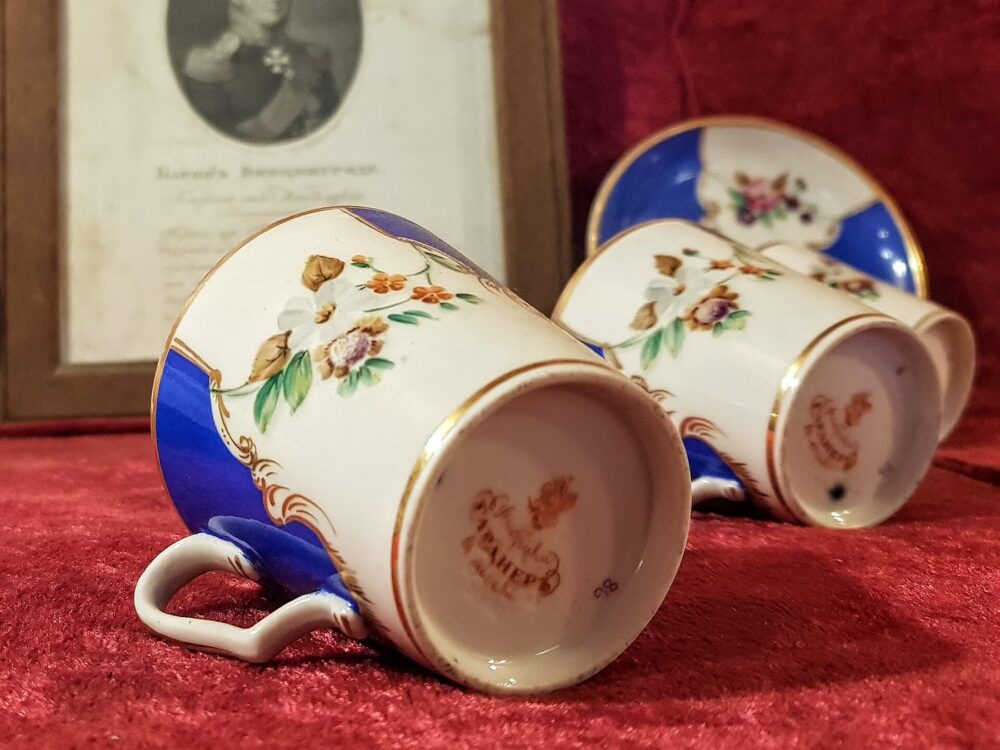
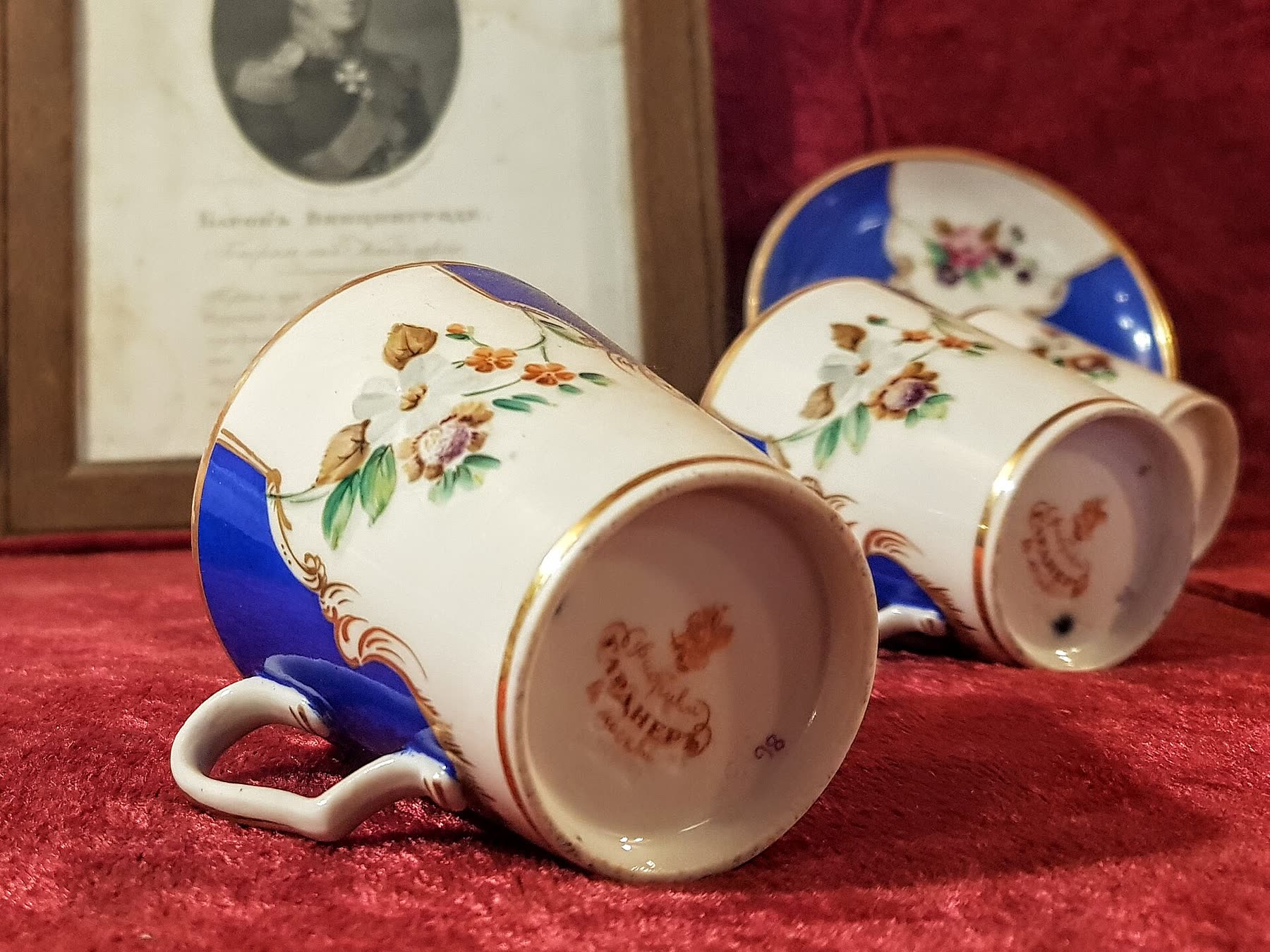
Porcelain vases, tea cups and dinnerware live between practical and decorative. A set of cups with saucers in a presentation box — like the gift‑boxed porcelain tea cups sold by some niche brands — can be a strong anniversary or housewarming gift. Here, chip resistance on rims, even glazing, and stackability for storage all matter.
Decorative Home Pieces
This bucket includes candle holders, small bowls, wall plaques and lamps. For a home‑decor gift or ecommerce listing, you’re looking at how well the piece fits into popular styles (minimalist white, floral, vintage), and whether it feels robust enough for regular handling.
A quick way to choose: match gift type to use case — figurine for a milestone, trinket box or jewelry for personal gifts, and tableware/vases for housewarming or wedding presents.
How to Judge Quality and Compare Prices Across Online Channels
Because porcelain gifts range from mass‑produced to collectible, quality and price can swing widely. You’ll get better value by looking at craftsmanship details and then cross‑checking similar items on multiple sites.
Craftsmanship and Material Clues
Use product photos at high zoom and the description:
- Glaze and surface: Look for an even, glossy or matte finish without pinholes, runs, or rough spots where you’d touch or drink.
- Painting and detail: On figurines and boxes, fine lines and clean edges beat fuzzy flowers or faces. Photos from different angles help you spot sloppy work.
- Weight and thickness (where stated): Very thin porcelain can look elegant but chip easily; extremely thick pieces may feel clunky. Descriptions from brands like Lladró often highlight balanced weight as a feature.
- Hardware and fittings: Hinges on trinket boxes, earring hooks, or lamp fittings should be aligned and firmly fixed. Misaligned lids or visible glue are red flags.
For Canadian buyers, regional sites such as Herend Canada and artisan studios like Black Dog Pottery can be useful quality benchmarks. Their photography and descriptions show what well‑made porcelain looks like in person; you can then compare more affordable options on larger marketplaces against that standard.
Using Multiple Channels for Price and Style Benchmarks
Major retailers and marketplaces often host varied porcelain products, which makes cross‑site comparison straightforward. You might browse Amazon or Wayfair for broad price ranges, Etsy for handmade pieces, and Best Buy Canada’s porcelain gift section for mainstream home‑living items.
A practical workflow:
- Pick a specific gift type — e.g., “porcelain trinket box with floral design.”
- Check a specialty brand like LimogesBox to see design complexity and how higher‑end pieces are positioned.
- Search the same phrase on Amazon, Wayfair, Etsy, and big‑box sites to see similar sizes and motifs.
- Compare price bands and reviews for pieces that look close in quality.
Reading customer reviews is helpful, not because it guarantees authenticity, but because it often surfaces recurring issues: glazes that chip quickly, hinges that loosen, or color mismatch versus the photos.
Here’s how this multi‑channel approach can look for different buyer goals:
| Buyer goal | First stop (style benchmark) | Comparison stops (value check) |
|---|---|---|
| Anniversary figurine | Lladró gift section | Amazon, Wayfair, Etsy figurine categories |
| Housewarming tea set | Ci Porcelain or similar niche brand | Amazon, big‑box kitchenware, Best Buy Canada |
| Resale trinket boxes | LimogesBox designs and themes | Amazon, Etsy small makers, general marketplaces |
| Minimalist home decor | Canadian artisan studios (e.g., pottery) | Wayfair, Home Depot decor, other online marketplaces |
Where Marketplaces Like DHgate Fit
Marketplaces that connect many independent sellers can be useful once you know the exact type of porcelain gift you want. DHgate is one of several platforms where porcelain items may appear, especially in broader home‑decor or gift categories. Because quality and style vary listing by listing, you should:
- Zoom in on photos to check glaze and painting.
- Compare seller ratings and number of completed orders.
- Look at how long the seller has been active and whether they offer consistent styles.
If you decide to explore DHgate more deeply, resources such as What DHgate is and how the marketplace works and Find trusted sellers on DHgate explain the platform structure and practical seller‑checking steps. For any marketplace, keep porcelain gifts to small test orders first, especially if you plan to resell.
Mixing Local and Cross‑Border Options as a Buyer or Small Seller
For Canadian shoppers who just want one special gift, buying locally from artisan studios or Canada‑accessible brands avoids customs surprises and lets you see quality in person when possible. For small ecommerce businesses, a hybrid approach works well:
- Use local or regional makers (Herend Canada, Canadian pottery studios) for a small, premium line that signals quality.
- Test cross‑border sourcing of lower‑priced porcelain gifts through large retailers and marketplaces once you’ve benchmarked style and quality.
By moving from a clear gift type to a multi‑site price and quality check, you can decide whether a porcelain piece should be a one‑off splurge, a regular gift category in your store, or a limited experiment in cross‑border sourcing.