
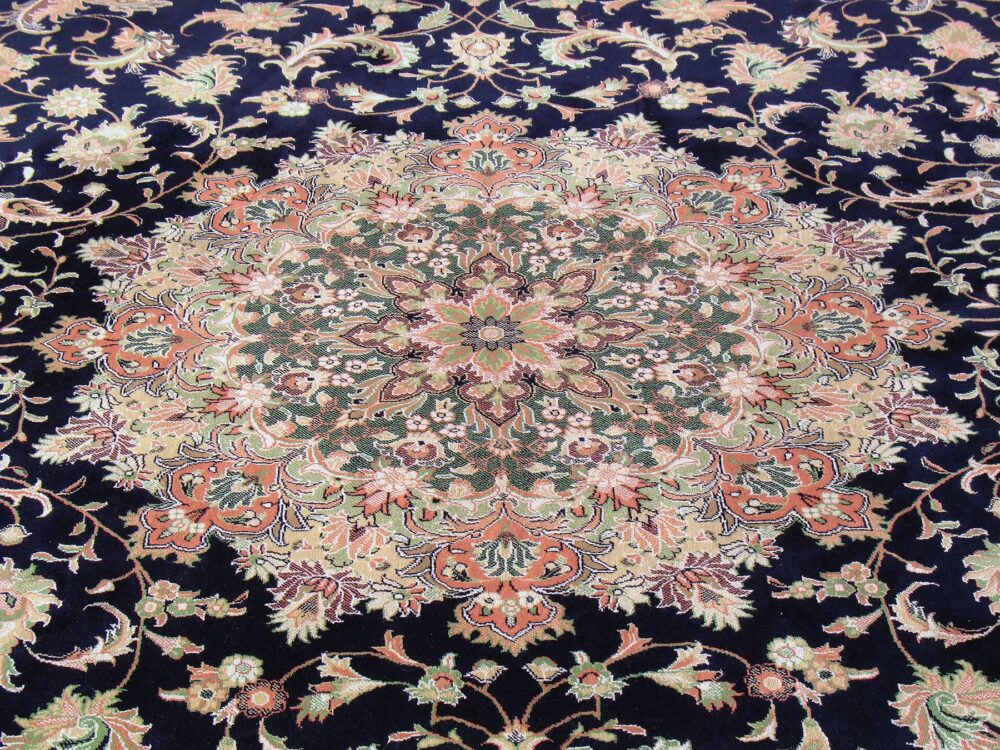
Nuloom rugs are widely available to Canadian buyers through big online retailers and marketplaces, mostly in standard area-rug sizes at affordable prices. Your best value depends less on finding a single “cheapest” store and more on matching the right Nuloom material and pile to your room, then comparing total landed cost (item price + shipping + returns) across Amazon.ca, Walmart.ca, and other channels. For small ecommerce sellers, these same channels can work for test orders, but margin will hinge on sourcing price and how you position Nuloom’s design-focused, mid-range quality.
What Nuloom Rugs & Carpets Are and Who They Suit
Nuloom is a contemporary rug company founded in 2008 in New Jersey, known for stylish, on-trend area rugs at accessible prices for everyday homes rather than luxury collectors.nuLOOM brand overview Independent reviewers describe Nuloom as design-forward, with durability that varies by material and construction rather than being uniformly “premium.”nuLOOM review summary
That positioning is useful for Canadian buyers: you’re paying for pattern, color and trend-conscious styling, not heirloom-quality wool. Nuloom typically suits:
- Renters and homeowners who want a quick style upgrade without designer-level pricing.
- Busy households where rugs may eventually be replaced, so aesthetic and practicality outrank long-term investment value.
- Small ecommerce shops that sell affordable home décor and need recognizable style cues (boho, farmhouse, vintage, kids) at mid-range price points.
If you want a rug that will last decades, you’d likely look at higher-end wool or hand-knotted brands. If you want a good-looking rug for 3-7 years of everyday use and are okay trading some longevity for price and pattern variety, Nuloom is in the right band.
Key Nuloom Rug Types: Materials, Pile, and Use Cases
Nuloom’s catalog is broad, but most options Canadian buyers will see fall into a few practical buckets.
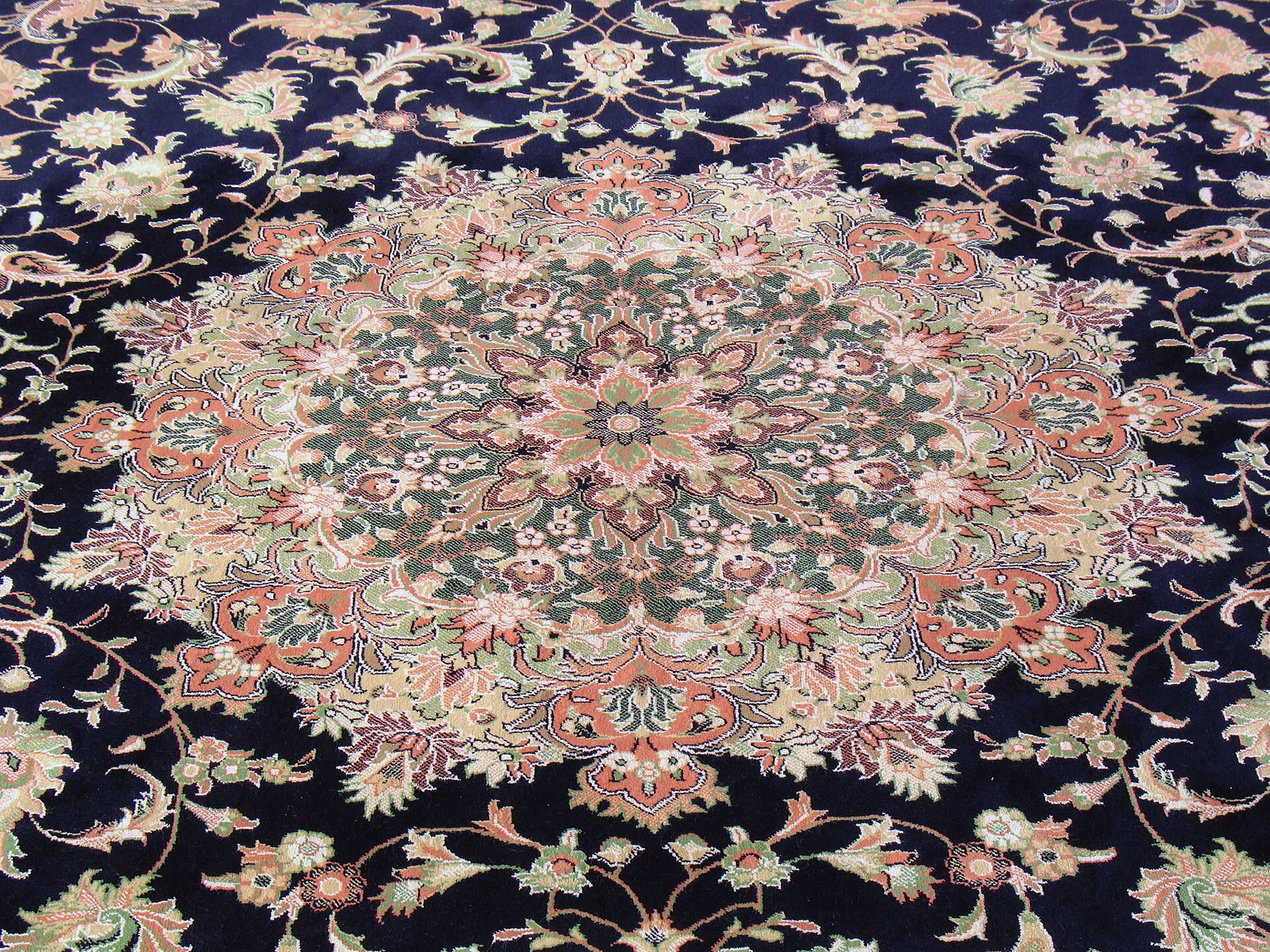
1. Jute and other natural-fiber rugs
Retailers highlight Nuloom’s jute rugs as a popular choice for eco-conscious homeowners who want natural texture in their space.Home Depot nuLOOM jute positioning
Pros
- Made from natural fibers with a rustic, organic look.
- Low to medium pile, so they’re generally easier to keep crumb-free than fluffy synthetics.
- Great under dining tables, in entryways, and in living rooms where you like a tactile, woven feel.
Trade-offs
- Less plush than high-pile synthetics; if you want softness under bare feet, you may need a rug pad.
- Natural fibers can be more sensitive to moisture and may not be ideal for spill-heavy playrooms.
Good fit for: dining rooms, casual living rooms, coastal or farmhouse interiors, and eco-conscious buyers who prioritize natural materials over softness.
2. Synthetic pile rugs (polypropylene, polyester)
These are the classic soft area rugs you’ll see in Nuloom’s Moroccan, vintage, and geometric collections on Amazon.ca and other sites. Texturally, they range from low pile to shag.
General rug guidance suggests high-pile rugs feel softer and cozier but are harder to clean, while low-pile options are easier to maintain but less plush.Area rug texture guide
Pros
- Soft underfoot, especially in living rooms and bedrooms.
- Wide variety of patterns and colors, from subtle neutrals to bold statement pieces.
- Usually priced competitively vs wool or hand-knotted rugs.
Trade-offs
- Can shed initially depending on construction.
- High-pile versions trap more dust and pet hair, so they’re less ideal for allergy-prone households or high-traffic hallways.
Good fit for: living rooms, family rooms, and bedrooms where comfort and style matter more than ultra-easy cleaning.
3. Washable rugs
Nuloom’s washable lines (often marketed by retailers as “machine washable” area rugs) aim at families and pet owners who want easy cleanup. On Amazon.ca, for example, you’ll see washable Nuloom rugs in sizes like 4’x6′ that are promoted as suitable for living rooms and bedrooms.nuLOOM Amazon.ca store
Pros
- Can go into a household washing machine (within size and care-label limits), making spills less stressful.
- Typically low-pile, so they dry faster and show less crushing from furniture.
Trade-offs
- Less plush than traditional thick-pile rugs.
- Long-term durability depends a lot on how often you wash and your machine settings.
Good fit for: kitchens, dining areas, playrooms, and homes with pets or toddlers where easy cleaning is worth more than luxe texture.
4. Indoor/outdoor performance rugs
Walmart.ca lists Nuloom as a brand and highlights an “Outdoor Performance Collection” marketed for high-traffic, stain-resistant, easy-clean, durable use in indoor/outdoor spaces like patios, decks, and porches.Nuloom on Walmart.ca
Pros
- Built to handle weather exposure and foot traffic.
- Often flatweave or low-pile, so they’re simple to hose off or spot clean.
Trade-offs
- Texture is more utilitarian than cozy; indoors, they feel more like a mat than a plush rug.
Good fit for: balconies, patios, entryways, mudrooms, and even high-traffic indoor areas where practicality is critical.
5. Kids’ and novelty rugs
Nuloom also offers playful patterns and colors marketed for kids’ rooms, nurseries, or themed spaces (often found via major retailers). These tend to be synthetic and mid- to low-pile.
Good fit for: small ecommerce sellers who want eye-catching, Instagram-friendly items, and parents who need something fun but don’t want to overspend on a rug that may be outgrown.
Where to Buy Nuloom in Canada and How to Judge Value
You have several realistic ways to buy Nuloom rugs in Canada. Each has different strengths for price, selection, and policies.
Main Canadian-accessible channels for Nuloom
Here’s a compact comparison to frame your search:
| Channel | Typical Nuloom Offering (Canada) | Pros (value-oriented) | Limitations for buyers/small sellers |
|---|---|---|---|
| Amazon.ca | Official Nuloom store with popular sizes like 3’x5′, 4’x6′ area rugsnuLOOM Amazon.ca store | Wide selection, frequent promotions, easy online ordering | Selection and pricing can shift; returns vary by seller |
| Walmart.ca | Nuloom brand page including indoor/outdoor performance collectionsNuloom on Walmart.ca | Access to outdoor and high-traffic rugs, occasional rollbacks | Specific Nuloom SKUs may go in/out of stock locally |
| Other big-box (US-based) | Nuloom widely carried by Home Depot and similar chains in the USHome Depot nuLOOM jute positioning | Good for cross-border shoppers who can ship or pick up | Extra shipping, duties, or logistics for most Canadians |
| Global marketplaces | Marketplaces selling Nuloom or similar styles via third-party sellers | Potential for lower unit prices and bulk-friendly offers | Must vet sellers carefully; cross-border shipping time and cost |
For single-home purchases, most Canadian buyers will start with Amazon.ca or Walmart.ca. These sites are mentioned by DHgate’s own editorial guide as common online marketplaces in Canada with competitive pricing and frequent promotions across categories.Canada deals context
From a value perspective:
- Check the same Nuloom SKU on both Amazon.ca and Walmart.ca. You’ll often see price differences, and each may run separate sales.
- Watch seasonal events like Black Friday, Cyber Monday, and Boxing Day, where big-box e-commerce sites tend to discount home goods, including rugs.Canada deals context
- Weigh returns against price. A slightly higher price from a channel with simpler returns can be better than saving a few dollars on a rug that’s expensive to ship back if the color or feel isn’t right.
Where marketplaces like DHgate fit
If you’re a small ecommerce business or an individual buyer open to broader sourcing, global marketplaces can supplement Canadian retail channels. DHgate, for example, is a cross-border marketplace where independent sellers list rugs in various styles; if you’re exploring Nuloom-like designs at lower per-unit cost, platforms like this may appear in your search results.
Because these listings are cross-border and seller-run, you should:
- Read listing details for materials, pile height, and care, rather than assuming they match Nuloom’s specs.
- Vet each seller’s track record carefully, using guidance like what DHgate is and how the marketplace works and how to find trusted sellers on DHgate.
Quick scenario: choosing between two channels
Imagine you want a 5’x7′ boho-style Nuloom rug for a Toronto condo:
- Amazon.ca option: Slightly higher price, but it’s from the official Nuloom store, with clear photos and many Canadian reviews.
- Walmart.ca option: Lower price on a similar Nuloom design, but fewer photos, and ship-to-home may be slower from the seller listing it.
If you’re sensitive to color accuracy and want lots of review photos, Amazon.ca might be worth the small premium. If you’re confident about the pattern and mainly chasing price, Walmart.ca plus waiting for a sitewide promotion could make more sense.
If you’re a small ecommerce seller testing demand, you might buy one unit from each, compare texture and color in person, and then make the channel your default restock source.
How to set realistic expectations on quality and feel
Independent reviews of Nuloom emphasize that your experience will track closely with the material and pile you choose.nuLOOM review summary For Canadian buyers, some practical expectations are:
- Jute and flatweave styles: More about texture and natural look; they won’t feel like a plush carpet but will be easier to keep clean.
- High-pile synthetics: Cozy, good for lounging, but expect more vacuuming and potentially some early shedding.Area rug texture guide
- Washable lines: A bit thinner and more utilitarian, but they trade softness for easy laundering, which many busy households prefer.
If you buy with those trade-offs in mind—and factor in shipping and return terms from your chosen Canadian retailer—you’re more likely to be satisfied with a Nuloom rug as an affordable, stylish piece rather than frustrated that it doesn’t behave like an investment-grade carpet.