
If you need Nissan Altima tail light parts, your best OEM options are official Nissan parts sites and independent OEM retailers, which list assemblies by model year and trim. Mass marketplaces and specialty lighting shops add more aftermarket and custom choices. Your main decisions are: OEM vs aftermarket, full assembly vs pieces, and whether you’ll handle a straightforward DIY swap or pay a shop for wiring or body work.
Getting those decisions right matters, because non‑working or incorrect tail lights can affect safety and may get you pulled over. Start by confirming your Altima’s generation and body style (older sedans, coupes, and newer models use different assemblies), then pick a part source that can match your exact year and side.
What Nissan Altima tail light parts are and when repairs are needed
On a Nissan Altima, “tail light parts” isn’t just one thing. You’ll see a few different components when shopping:
- Tail light assembly – The full unit on one corner of the car: housing, lens, internal reflectors, bulb sockets, and sometimes built‑in LEDs.
- Lens or housing – The plastic outer shell and body that cracks in minor collisions.
- Bulbs or LED modules – The replaceable light sources for running lights, brake lights, and turn signals.
- Wiring pigtails and connectors – Short harnesses that connect the assembly to the car’s main wiring.
You generally need a repair or replacement when:
- The lens is cracked or missing, letting water and dirt in.
- The brake, running, or turn lights on that corner are out and bulb replacement doesn’t fix it.
- A minor rear collision has broken mounting points or pushed the assembly out of alignment.
In the US, driving with a non‑functioning brake or tail light can lead to a traffic stop. If more than a simple bulb is damaged, replacing the full assembly is often easier and safer than trying to patch a broken lens or housing.
For most owners, the practical choice is between buying a complete assembly (bolt‑on, especially for older Altimas) or dealing with bulbs and minor parts if the housing is intact.
OEM vs aftermarket Nissan Altima tail lights and how to choose
You’ll find Altima tail lights sold as OEM (original equipment manufacturer) or aftermarket. Both can work, but the tradeoffs differ by generation and how picky you are about fit and appearance.
Core differences and a quick comparison
Here’s a high‑level view of the main options:
| Option type | Typical use case | Pros (editorial judgment) | Cons / risks (editorial judgment) |
|---|---|---|---|
| OEM assembly | Daily driver, insurance repair | Exact factory look and fit; lower compatibility risk | Higher part cost; limited styling choices |
| OEM‑grade aftermarket | Budget repair, older vehicles | Often close to factory design at lower cost | Quality varies; fit can be slightly off |
| LED/custom aftermarket | Styling upgrade, show cars | Modern look, unique lens designs | Possible wiring changes; may not match factory light behavior |
| Custom clear OEM core | Show‑focused builds | Built from OEM cores with unique clear lenses | Typically show‑oriented, not standard replacement |
Official Nissan parts portals list genuine assemblies under lighting categories by model, including Altima, so you can filter by year and side using your VIN for best accuracy. One example is the tail light category on Nissan’s own site, which organizes OEM lamps by vehicle model and trim: Nissan parts tail lights.
Independent OEM‑focused retailers do something similar, listing Altima tail light assemblies by part number and model year range, such as a 2008-2013 assembly with a specific part ID. They’re useful if you prefer OEM but want alternatives to the dealer counter.
Specialty lighting shops add more variety. Retailers like CARiD’s Altima tail light page show a mix of OEM‑style replacements, LED upgrades, and fiber‑optic designs sized for different Altima years. Custom builders even sell clear‑lens tail lights built from OEM cores for late‑model Altimas, such as the show‑focused clear tail lights for 2019-2024 Altimas at ACM Technik.
Fitment details to get right
Two points trip up buyers on general marketplaces:
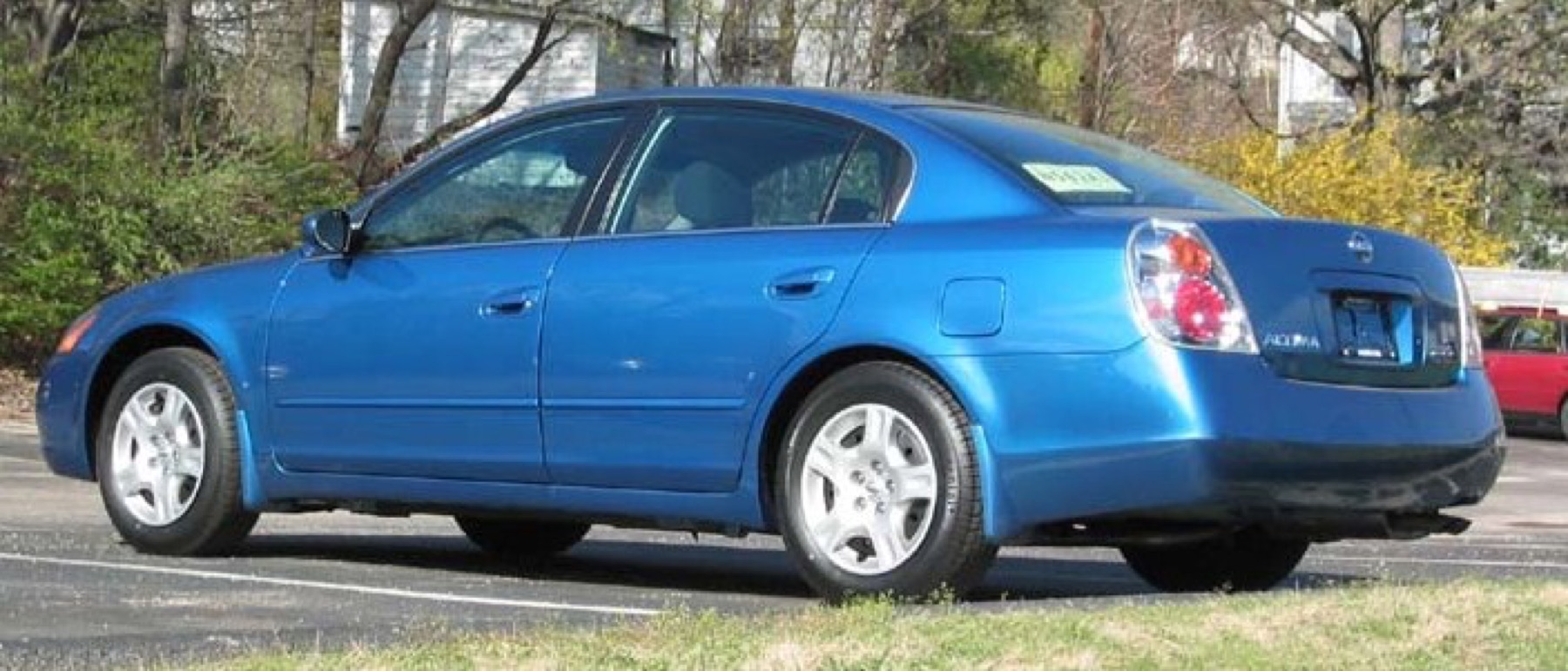
- Year and generation – A 2013-2015 sedan assembly won’t fit a 2016-2018 car. Listings often group ranges (e.g., 2013-2015) in the title; match that to your registration.
- Body style and side – Older Altimas had sedan and coupe variants with different rear lamps. Assemblies are sold as driver (left) or passenger (right) side, and mixing them up leads to a bad fit.
On mass marketplaces like Amazon’s Altima tail light search, you’ll see everything from “OEM tail light set” to clearly aftermarket brands. Treat “OEM‑grade” or “direct replacement” as marketing language, not a guarantee. Rely on detailed fitment charts and, where possible, OEM part numbers.
Where to buy Nissan Altima tail light parts and plan your repair
Once you know whether you want OEM or aftermarket, the next choice is channel: where you buy and how you’ll get the part onto the car.
Main buying paths in the US
For OEM assemblies and parts:
- Official Nissan parts sites – Good for exact factory replacements. You browse by model (Altima), then narrow by year and trim in lighting categories. Expect dealership‑level pricing but high fitment confidence.
- Independent OEM retailers – Sites focused on genuine parts list Altima tail lights with filters for year, model, and side. These can be more price‑competitive and still offer OEM part numbers.
For aftermarket and upgraded options:
- Mass marketplaces – Platforms like Amazon carry multiple Altima‑compatible assemblies, from OEM‑grade replacements to more stylized lamps. You get variety and fast shipping on many items but need to be careful about fitment and brand reputation.
- Big‑box retailers online – Walmart’s tail light assemblies section, for example, includes Altima‑compatible units clearly labeled by year and side, often described as OEM grade or direct fit.
- Specialty lighting retailers – These focus on car lighting and often stock LED and custom styles that match specific Altima generations.
- Custom builders – For show builds and visual standouts, builders offering clear or modified Altima tail lights built from OEM cores can give you a unique look, but those are usually aimed at enthusiasts and car shows, not everyday commuting.
If you’re a small ecommerce seller sourcing a few units for resale, specialty lighting retailers and mass marketplaces tend to be more flexible. They often offer small batch purchases and a mix of styles (stock replacement plus LED), which lets you test demand without committing to large quantities.
DIY vs professional repair: what’s realistic
Replacing a full tail light assembly on many Altimas is within reach for a careful DIYer. Online guides, like this video walkthrough of a 2007-2012 Altima tail light replacement on YouTube: DIY Altima tail light replacement, show typical steps: removing trunk trim, unbolting the old assembly, disconnecting the harness, and bolting in the new unit. Not every model follows the exact same process, but the general idea is similar.
DIY is usually reasonable if:
- The damage is limited to the assembly and bulbs.
- The car’s wiring and body panels are intact.
- You’re comfortable removing interior trim and handling basic tools.
A professional shop is a better fit if:
- The rear quarter panel is bent or the lamp opening is distorted.
- You’re upgrading to complex LED or custom units that might need wiring changes.
- You’re unsure about sealing the new assembly against water leaks.
For most owners replacing a stock lamp with a direct‑fit assembly, the safe path is: confirm part numbers, buy a complete assembly from an OEM or reputable aftermarket source, follow a model‑specific guide, and test all functions (running, brake, turn, reverse) before driving.
If you’re buying for resale, focus first on generations with steady demand (older Altimas still on the road and recent models that suffer minor collision damage) and prioritize parts that are clearly documented by year and side. That reduces returns due to mis‑fit and keeps your repair customers or buyers on the road with the right lighting.