
If you’re looking on DHgate for a men’s urinal to use at home, start by choosing the hardware type that fits your space and routine: a bedside bottle or larger unit for regular night use, a toilet-mounted funnel for discreet use in a shared bathroom, a compact travel urinal for occasional emergencies, or a multi-piece collection system when extended capacity is truly necessary. Once you know which format suits your home, you can assess DHgate listing specs and seller details with much more confidence instead of sorting through random designs that may tip, leak or be awkward to store.
Main types of men’s urinals for at-home use and when each makes sense
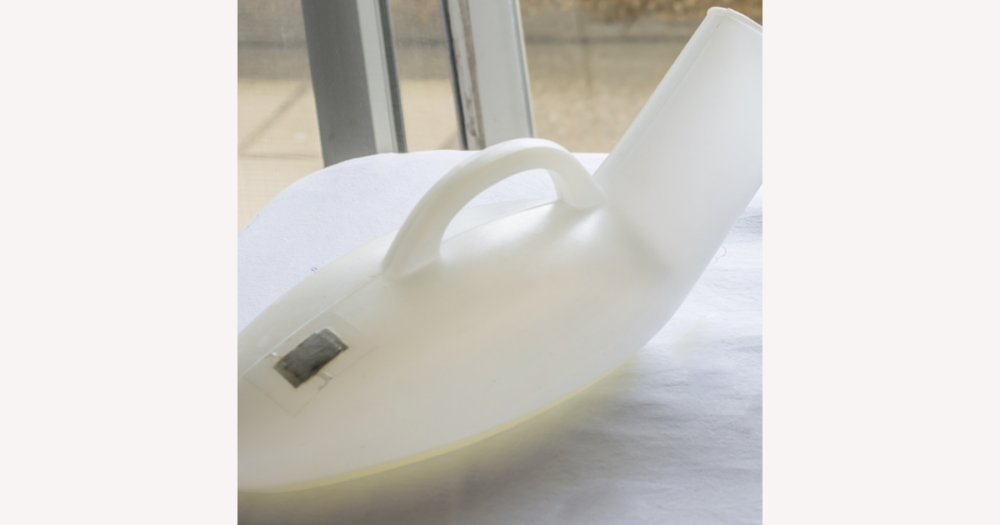
- Handheld bottle-style urinals: Typically hold around 500–1,000 mL and are used in the hand while seated or lying in bed. They’re often made from rigid or semi-rigid plastic with a shaped neck and a screw or flip lid. In the home they’re relatively discreet if kept beside the bed or in a drawer, and are emptied by pouring into a toilet or suitable drain, then rinsed. These suit frequent night use or periods of limited mobility where you want a dedicated bedside container that’s still easy to carry to the bathroom.
- Bedside or extended-capacity units: Larger jugs or container-and-funnel combinations designed to sit on a bedside table, chair or floor. Capacities can run well above 1,000 mL so they can cover multiple uses or a full night without needing to be emptied. Their bigger footprint and wide base make them more stable but more visible around the room, so many people keep them near the bed and tuck them away in a cupboard or under-sink area during the day. They’re emptied into the toilet, often using a spout or removable lid, and suit regular at-home use when spills are a major concern.
- Toilet-mounted funnels: Rigid or flexible funnels that sit on or clip to the toilet rim, sometimes with a short spout or splash guard. Capacity is usually limited to a single pass-through use, because urine drains directly into the toilet bowl, so the key specs are funnel depth, opening shape and how securely they sit on the porcelain. They’re very discreet in a shared home because they live in the bathroom and can be stored with other bathroom hardware, and they simply rinse off under running water. This format suits households where the toilet is reachable but aiming or splashing is a concern.
- Compact portable or collapsible urinals: Smaller bottles or foldable bags made from flexible plastic or silicone, often around 300–700 mL. They’re designed to be ultra-compact for travel, kept in a bag, glove box or bedside drawer and used occasionally rather than every night. Positioning is usually in the hand while standing or seated; emptying is done soon after use into a toilet, followed by a quick rinse. Because they favour compactness over stability and capacity, they’re better for occasional trips or emergency use than as a primary at-home solution.
- Multi-piece collection systems with tubing or reservoirs: Systems that use a funnel or anatomically shaped cup connected by tubing to a larger bottle or bag. Capacities can extend well beyond typical handheld urinals, and the reservoir is often placed on the floor, chair or bed frame. They’re more conspicuous and fiddlier to set up, and cleaning involves disassembling parts and flushing tubing, so they’re usually reserved for situations where extended capacity or specific positions are genuinely needed. In a domestic context they can make sense when someone spends long periods in one place and needs to avoid repeated trips to the bathroom.
- For most home setups: A sturdy bedside bottle or a well-designed toilet-mounted funnel is a practical starting point, offering enough capacity, a stable base and predictable emptying without looking too clinical. Ultra-compact travel-focused designs are best kept for occasional use when you can store them out of sight and accept a bit more fiddliness, rather than relying on them as your main at-home urinal.
How capacity, size and shape affect real-world use at home
| Specification | What it changes in everyday use | When to prioritise it |
|---|---|---|
| Capacity (mL/L) | Determines how many uses the urinal can comfortably handle before you need to empty it. For many adults, a bedside bottle in the 500–1,000 mL range is often enough for overnight use, but smaller travel designs may need emptying after each use. Higher capacity also affects weight when full, which matters when carrying it to the bathroom. | Prioritise capacity toward the higher end of the typical 500–1,000 mL band for regular bedside or chair-side use, especially if you don’t want to get up to empty it after every visit. Lower capacities are acceptable for occasional travel or emergency use where you can empty immediately. |
| Overall height and base footprint | Height and footprint control how stable the urinal is on a bedside table or floor and how easy it is to position and grab in the dark. Very tall, narrow bottles tend to be tippier and easier to knock over, while shorter units with a wider base feel steadier and less likely to slide. | Prioritise a lower, wider design with a generous base for night-time bedside use or limited mobility, where a knock or bump is likely. Slim, taller forms can work in tight bathroom spaces or travel bags but are more of a compromise for stability. |
| Neck width and spout angle | The diameter of the opening and the angle of the neck change how easy it is to aim while seated, standing or lying down. A slightly wider neck and angled spout can make positioning more forgiving, but if the funnel is very shallow, splashing is more likely. A narrow opening may feel precise but can be harder to use in low light. | Prioritise a moderately wide, clearly angled neck for routine home use, especially when using the urinal half-asleep or in dim lighting. Narrow or very shallow openings are better reserved for occasional, controlled use where you can take more time to position the device. |
| Lid type (screw, flip, snap, gasketed, vented) | Lid design affects leak resistance when carrying a full urinal, as well as how secure it feels during rinsing. Screw-on or gasketed lids generally seal more tightly and cope better with being moved or gently shaken during cleaning, while simple snap-on caps or loose flip lids are quicker to open but more prone to dribbles if knocked or tilted. | Prioritise threaded or gasketed lids for regular at-home use where you’ll carry the urinal from bedroom to bathroom and may rinse it vigorously. Simpler snap or flip lids can be acceptable for toilet-mounted funnels or occasional travel devices that you empty immediately and don’t move far while full. |
| Handle placement and grip | A usable handle or moulded grip makes it easier to control the urinal when positioning, pouring and rinsing, which is especially important when you’re tired or have reduced grip strength. Poorly placed or very small handles can force awkward wrist angles and increase the chance of spills during emptying. | Prioritise a clear, comfortable handle for routine bedside or chair-side use, and if possible check that the handle is positioned so you can pour without twisting your wrist. Handle-free designs are mainly suited to compact travel units where minimal bulk is more important than ease of pouring. |
| Base design (flat, contoured, non-slip) | The base determines how securely the urinal sits on hard surfaces. A flat, broad base or integrated non-slip pad helps it stay put on a bedside table or bathroom shelf, while sharply contoured or rounded bottoms can rock or slide. This directly affects how easy it is to set the urinal down quickly without worrying about it tipping. | Prioritise a flat, wide base and any non-slip features for regular home use, particularly if you place the urinal on smooth furniture or tiles. More contoured bases can be acceptable for toilet-mounted funnels that rest in a fixed rim position or for travel units that rarely sit full on a surface. |
For everyday at-home use I would lean toward a slightly bulkier urinal with enough capacity for a full night, a wide stable base, a reasonably wide angled neck, and a secure threaded or gasketed lid. That combination is less likely to tip, feels easier to aim in the dark and makes carrying and rinsing the device more predictable.
In a small bathroom or shared home you might still prefer a more compact or discreet form, such as a toilet-mounted funnel or a slimmer bottle that tucks into a cupboard. In those cases compactness and how it looks on display can legitimately matter, but it’s worth accepting a bit more volume and footprint if that reduces the chance of leaks on floors or furniture.
For travel or occasional emergency use, capacity and footprint can drop down the priority list because you’ll usually empty and rinse immediately and store the unit out of sight. Even then, checking that the opening shape, lid and handle are usable for you will help avoid the kind of awkward, tippy design that causes spills just when you least want them.
Material choices and how they affect durability, cleaning and odour
For at‑home use, most men’s urinals are made from rigid PP/PE plastics, softer polymers or rubber, silicone components, and occasional stainless steel or other metals. Rigid PP/PE bottles and funnels hold their shape well for aiming, are usually lightweight, and may be slightly translucent so you can see the fill level, but they can scratch if you use abrasive brushes or scouring pads. Those scratches and any moulded seams create tiny surface texture where residue and odour can cling, so they stay fresher when you rinse promptly and clean with a soft cloth or non‑abrasive sponge.
Softer plastics, rubber and very flexible silicone sections can make funnel edges and connectors feel more forgiving and easier to fit around different toilet rims or positions, but very collapsible pieces sometimes kink, sag or warp, which can change the flow path and make spills more likely. Opaque or heavily textured materials also hide residue and staining more easily, so you have to rely more on smell than on sight to judge cleanliness. Metal parts, including stainless steel, are typically durable and resistant to cracking, yet they add weight, can be noisier against porcelain or tiles, and tend to look more like medical hardware in a domestic space.
For routine home use I would favour rigid, smooth‑surfaced plastics or well‑finished silicone components that keep a stable shape, are easy to inspect visually and rinse clean, even if they’re slightly bulkier or cost a bit more. Very soft, heavily collapsible or opaque materials can still be acceptable for occasional travel or emergency use, where you’ll empty and rinse immediately and store the urinal out of sight, but they’re a compromise if you want long‑term odour control and a device that still looks presentable next to your bed or in the bathroom.
Ergonomics and compatibility: matching shape to how you’ll actually use it
- Check opening width and flare: a moderately wide neck with a gentle outward flare usually gives enough room to position securely without feeling cramped, while very narrow openings demand precise aiming and may be harder to use in low light.
- Assess funnel depth and lip: deeper funnels and a clear inner lip or rim help catch splash and guide flow, especially when you’re seated or lying down; very shallow funnels increase the chance of drips if angle or position is slightly off.
- Inspect rim contour: rounded, smooth edges are kinder on skin and easier to wipe clean, whereas sharp or heavily stepped rims can feel uncomfortable and create corners where residue accumulates.
- Look at spout or funnel angle: in listing photos or diagrams, judge whether the angle seems suited to how you’ll actually use the urinal—angled necks often work better for seated or lying use, while very straight vertical openings suit standing but may be awkward from a chair or bed.
- Match design to posture and room layout: when viewing DHgate photos, imagine how you would hold or rest the device in your own space and ask whether you can position it without twisting, bending awkwardly or bumping furniture; if the shape looks difficult to align with your usual posture, it’s more likely to cause mess or frustration.
For everyday home use I would choose a urinal with a clearly angled neck or funnel, a rounded rim and enough depth to catch splash, even if that makes it slightly bulkier than very basic, shallow designs. Those clearer ergonomic cues usually make half‑asleep, night‑time use less awkward and reduce the likelihood of drips compared with ultra‑simple shapes that rely entirely on perfect positioning.
Common leak, spill and odour risks—and how to avoid them when buying
- Snap-on lids without visible threads, gaskets or seals are more likely to leak if the urinal is knocked or carried at an angle; screw lids with clear threading or a rubber seal usually stay closed more reliably during everyday use.
- Very tall bottles with narrow bases can tip from bedside tables or when placed on soft surfaces, especially once they’re partly full; a shorter, wider design with a broad footprint is less likely to wobble or fall over at night.
- Shallow or short funnels relative to a wide opening make splashing and overflow more likely if your angle is slightly off, which is common when you’re tired or using the urinal in low light; deeper funnels with a defined inner lip help catch and guide flow more safely.
- Complex multi-piece assemblies with lots of joints, hinges and crevices can trap residue around seams, making thorough cleaning harder and giving odour more places to build up if you don’t rinse promptly after use.
- Opaque bodies hide both fill level and whether the interior is fully clean, increasing the risk of overfilling or leaving residue behind; slightly translucent plastics or designs with clear sections let you see when it’s time to empty and whether rinsing has removed debris.
- For regular at-home use, a simple, smooth design with fewer parts, a wide stable base and a screw or gasketed lid is usually a safer everyday choice, even if it’s a bit larger or pricier than ultra-compact travel-oriented units that trade stability and sealing for portability.
When browsing DHgate, zoom in on lid photos to check for visible threads, gasket rings or other sealing features rather than assuming ‘leakproof’ claims are accurate. Inspect the base width and overall footprint, looking for designs that sit flat and wide rather than tall and narrow. Also scan for seams, joints and corners where liquid could collect and be hard to clean.
Treat phrases like ‘spill proof’, ‘100% leakproof’ or ‘medical grade’ as marketing unless they’re backed by close-up photos and clear description of how the lid, base and funnel are built. Be cautious of listings with very few or low-resolution images, because they make it difficult to judge lid quality, base stability or seam complexity; in those cases I would favour a listing that shows the hardware clearly, even if it isn’t the cheapest option.
Simple routine for using and maintaining a men’s urinal at home
- Place the urinal on a stable, level surface before use and confirm that all components, especially the lid or closure, are assembled correctly with no looseness or gaps.
- Position the device for seated, standing or lying use according to its shape and angle, keeping the opening and funnel aligned with your body to minimise splash and avoid directing flow toward bedding or furniture.
- Once you’ve finished, secure the lid or closure fully before moving the urinal, taking extra care when walking from the bedroom to the bathroom so knocks or sudden movements don’t cause leaks.
- Empty the contents into a toilet or appropriate drain as soon as practical—ideally straight after use or at least by morning after overnight use—to reduce odour, staining and the risk of spills if someone bumps the container.
- Rinse the interior with water and a mild detergent, swishing rather than scrubbing, and avoid abrasive brushes or scouring pads that can scratch plastic or silicone surfaces and make them harder to keep fresh over time.
- Allow the urinal to air-dry with the lid off or open so moisture can escape, then store it in a discreet but ventilated spot—such as an open shelf, cabinet or drawer that keeps it out of sight yet easy to reach. Smooth surfaces, secure lids and stable bases make this routine quicker and cleaner.
A short instructional video illustrates placing a bedside urinal on a stable surface, using it carefully, securing the lid, carrying it to the bathroom, emptying into a toilet, rinsing with mild detergent and leaving it open to air-dry in a home setting.
Reading DHgate listings and seller signals for men’s urinals
On DHgate, start by judging seller reliability before you look closely at individual urinal designs. Check the overall rating, how many transactions the seller has completed, and how recent the feedback is; a long history of orders with consistently strong scores is usually a safer bet than a new or rarely reviewed account. Scan customer comments and any review photos specifically for mentions of leaks, plastic smell, real‑world capacity, and how easy the urinal is to rinse and dry, as these details reveal how the hardware behaves once it’s in someone’s home.
When you open a listing, treat clear specifications as a basic requirement rather than a bonus. Prefer urinal offers that state capacity in mL or L, give length, width and height measurements, name the material (for example PP, PE, silicone or metal), describe the lid or closure type, and show how many parts there are to assemble and clean. Be cautious with listings that lean heavily on phrases like “medical grade”, “best for seniors” or “leakproof” without matching those claims with concrete spec tables or close‑up images of the opening, lid and seams; that kind of language is marketing, not proof of performance.
Before ordering, read the stated shipping time and look for basic information on returns, refunds and how disputes are handled if an item is damaged or does not match its description. DHgate’s buyer protection and dispute tools are there to help you raise issues, but they work within platform rules and time limits rather than guaranteeing a particular outcome, so it’s important to know in advance how long you have to act and what evidence (photos, messages) you may need to provide.
I would rather buy a men’s urinal from a DHgate seller with clear photos, complete specifications and solid reviews, even if the price is slightly higher, than risk the cheapest listing with vague descriptions and no mention of capacity, material or lid design. For a device that needs to stay leak‑resistant and easy to clean at home, that extra documentation is one of the simplest ways to reduce hassle later. Consider it alongside your choices on type, specs and ergonomics when deciding where to place an order.
Scenario-based shortlist: which urinal solution fits your home?
- Frequent nighttime use by the bed: prioritise a spill‑resistant bedside bottle with a stable base, high enough capacity to cover a full night, a secure screw or snap lid, and smooth interior surfaces that are quick to rinse in the morning. Use the earlier spec and material guidance to check capacity, footprint and plastic type against your bedside table or floor space.
- Small or shared bathrooms where discretion matters: consider a toilet‑mounted funnel or extension that integrates with existing fixtures so the urinal hardware is less visible to guests or housemates. Focus on designs whose dimensions match your toilet, have a clear angle for aiming, and use rigid, smooth materials that don’t trap residue, then apply the DHgate listing checks to confirm size and material before buying.
- Occasional travel or emergency use kept out of sight: choose a compact collapsible or multi‑piece portable urinal that can live in a drawer, glovebox or travel bag. Accept a bit of extra fiddliness when assembling and aiming in exchange for small packed size, but still check that the opening shape, lid and seals look practical enough for safe use when you’re away from home.
- Extended‑capacity situations where longer gaps between emptying are needed: look at multi‑piece collection systems with tubing or reservoirs that can hold more volume. These make sense only if you’re prepared for more complex cleaning and odour control, so pay close attention to how many components there are, how accessible the interior surfaces seem, and whether the listing explains materials and joints clearly.
- For most at‑home needs, I would lean toward robust bedside bottles or discreet toilet‑mounted funnels as primary solutions, using compact travel devices and larger multi‑piece systems only where their extra bulk, fiddliness or cleaning effort fits a specific scenario. Identify the description that best matches your own situation, then revisit the earlier sections on capacity and dimensions, material trade‑offs, ergonomic shape and DHgate seller signals to evaluate any candidate urinal within that chosen archetype.
FAQs: everyday edge cases and DHgate order issues
Is it okay to leave a men’s urinal full overnight?
You can leave a urinal full for a short period, but odour and spill risk increase the longer it sits. In a home setting it’s safer to empty it as soon as practical—ideally straight after use or at least by morning—so smells don’t build up and nobody accidentally knocks over a full container. If you do delay, make sure the lid is fully secured and the urinal is on a stable, flat surface away from bedding and walkways.
How can I store a men’s urinal discreetly in a shared home?
Choose a design in neutral colours and, if possible, with an opaque or lightly translucent body so it doesn’t draw attention. After rinsing and drying, keep it in an opaque container, lidded box, drawer or cabinet near where you use it, rather than on open display. Regular cleaning and air‑drying with the lid off or open helps prevent odour, so even if someone does see the urinal briefly it looks like clean household hardware rather than medical equipment.
Can one urinal work well for both bedside and travel use?
Some designs can serve both roles, but there are trade‑offs. A stable, higher‑capacity bedside bottle is usually bulkier and less convenient to pack, while ultra‑compact travel units tend to be lighter and smaller but less stable and more fiddly to aim at the bedside. If budget and storage allow, many people prefer a sturdier main urinal for home and a separate compact unit for travel or emergencies. If you do want one device for both, look for a mid‑size design with a reasonably wide base, a secure lid and a shape that seems easy to store in a bag or drawer.
What should I do if a DHgate urinal order doesn’t match the description?
First, compare the item you received with the original DHgate listing, checking capacity, dimensions, material and design details. Take clear photos that show the discrepancy. Then contact the seller through DHgate’s messaging system to explain the issue and share the photos. If you can’t resolve it directly, review DHgate’s buyer protection, dispute and refund procedures in your account and follow the steps and time limits given there. These tools help you raise problems, but they operate under platform rules, so avoid assuming a particular outcome and focus on providing accurate evidence of the mismatch.