
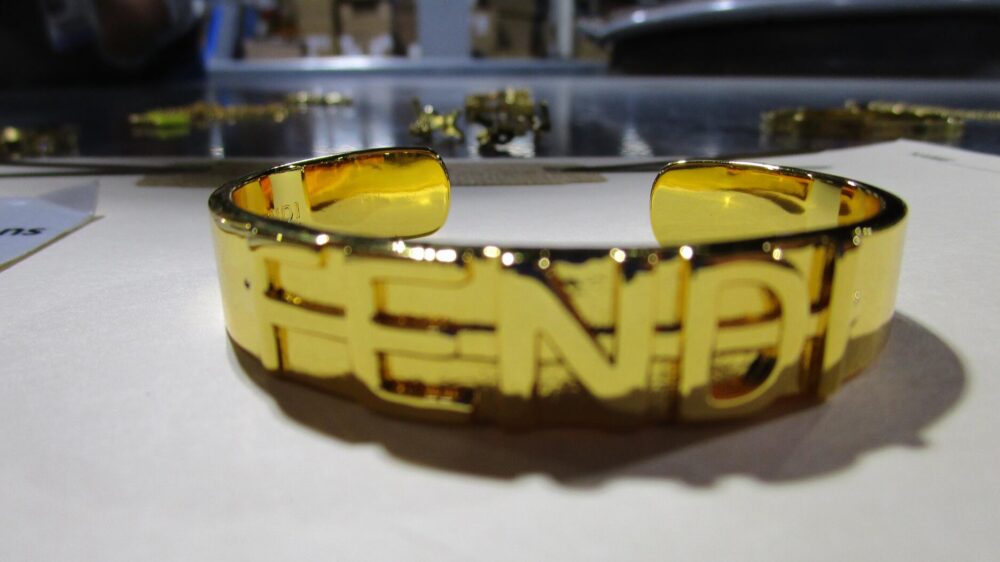
At a Glance
Luxury designer-inspired jewelry on global marketplaces sits between fast fashion and fine jewelry. It borrows the look and styling cues of high-end brands without claiming to be authentic branded pieces.
This guide focuses on how to use DHgate as a discovery and comparison tool for that category—especially when you want:
- A specific luxury look (e.g., chunky chain, pavé tennis bracelet, logo-like motifs) at accessible prices
- Broad assortment to test styles before investing in fine jewelry
- Cross-border suppliers and bulk options for styling, reselling, or content creation
You’ll learn:
- What “luxury designer-inspired jewelry” usually means on DHgate
- When DHgate is a good fit—and when official retail or other channels are better
- How to browse, filter, and compare listings without relying on authenticity claims
- A practical checklist to verify materials, quality, and legal boundaries
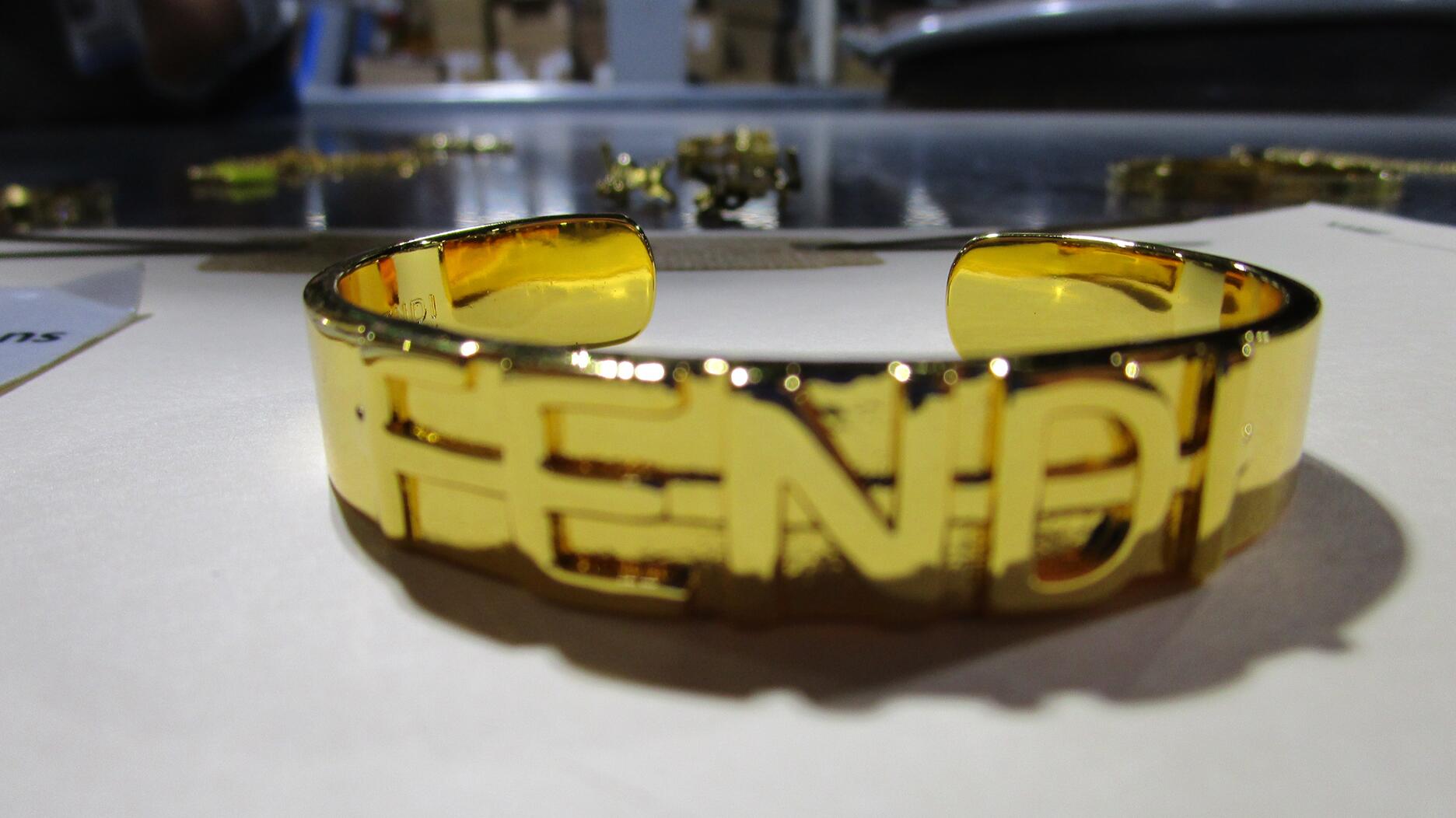
What the Product Category Covers
Meaning of “Luxury Designer Jewelry” in This Context
On DHgate and similar marketplaces, “luxury designer jewelry” typically refers to:
- Designer-inspired styles: Pieces that echo the aesthetics of well-known luxury houses (motifs, silhouettes, color palettes) but are not marketed as official products.
- Fashion and demi-fine materials: Commonly stainless steel, brass, copper, alloy, cubic zirconia, synthetic stones, and sometimes plated silver or gold.
- Trend-led assortments: Items that follow runway, celebrity, and social media trends quickly and at lower price points.
It is not the same as:
- Certified fine jewelry with documented precious metals and stones
- Official products from brand-authorized retailers
- Investment-grade pieces with strong resale value
Typical Subcategories You’ll See
When you search for luxury-style jewelry on DHgate, you’ll usually encounter:
-
Statement necklaces & chains
- Chunky curb chains, layered pendants, choker styles
- Often gold-tone or silver-tone, sometimes with enamel or rhinestones
-
Bracelets & bangles
- Tennis bracelets, hinged bangles, charm bracelets
- Frequently cubic zirconia or crystal stones, plated metals
-
Rings
- Cocktail rings, stacking sets, signet-style rings
- Adjustable bands are common in fashion-grade listings
-
Earrings
- Hoops, huggies, drop earrings, ear cuffs
- Lightweight alloys or stainless steel, sometimes with faux pearls
-
Sets & bundles
- Coordinated necklace–earring–bracelet sets
- Useful for stylists, content creators, or small resellers building looks quickly
Understanding that this category is style-first, not brand-authenticity-first helps you evaluate listings realistically.
How to Compare Options
When you use DHgate as a discovery tool, treat each listing like a prototype: you’re testing style, material, and supplier reliability. Focus on these comparison factors:
1. Style & Design Details
-
Silhouette and proportions
- Check photos on models or mannequins to gauge scale.
- Look for multiple angles and close-ups of clasps, settings, and edges.
-
Design complexity
- Simple chains and bands are easier to execute well at low cost.
- Intricate pavé, micro-settings, or articulated links demand more craftsmanship—risk of inconsistency is higher.
-
Trend alignment
- Use filters and search terms like “chunky chain,” “tennis bracelet,” “minimalist ring,” “pearl drop” to narrow to current looks.
- Save or favorite listings to build a mood board of styles before buying.
2. Materials & Plating
Materials are often the biggest quality driver:
-
Base metals
- Stainless steel: durable, tarnish-resistant, good for everyday wear.
- Brass/copper/alloy: can look good initially but may tarnish faster; better for occasional wear.
-
Plating
- Gold-plated: thin layer of gold over base metal; look can fade with heavy use.
- Gold-filled or thick plating (when specified): usually more durable.
- Rhodium-plated: common for silver-tone pieces to resist tarnish.
-
Stones & embellishments
- Cubic zirconia: bright, diamond-like sparkle at low cost.
- Crystals/rhinestones: can be attractive but may be less consistent.
- Faux pearls: check for uniformity and secure settings in close-up photos.
On DHgate, material descriptions can vary in detail. Prioritize listings that clearly state:
- Base metal type
- Plating type and color (e.g., 18K gold color plating)
- Stone type (CZ vs generic “crystal”)
3. Build Quality & Craftsmanship Signals
Because you can’t handle the piece before buying, look for indirect signals:
- Macro photos: Zoom in on prongs, solder points, and hinge areas. Rough edges or visible glue are red flags.
- Weight information: Listings that specify weight (even approximate) help you judge whether a piece will feel substantial or flimsy.
- Closure mechanisms: Lobster clasps, secure snap closures, and screw backs tend to be more reliable than very thin hooks.
4. Seller Profile & Reviews
On DHgate, suppliers range from small workshops to larger export-focused factories. To compare:
-
Seller history
- Years active on the platform
- Number of transactions or followers (if visible)
-
Product-specific reviews
- Look for photos from buyers, not just star ratings.
- Pay attention to comments about color accuracy, plating durability, and comfort (e.g., “not too heavy,” “no irritation”).
-
Consistency across listings
- If a seller has multiple jewelry listings with similar design language and good reviews, that’s a positive sign.
5. Price vs Use Case
Match price to how you plan to use the jewelry:
- Personal styling / occasional wear
- Lower price points can be fine if you accept faster wear-and-tear.
- Content creation / photo shoots
- Visual impact matters more than longevity; prioritize bold designs and clear photos.
- Resale / boutique curation
- You may want mid-tier pricing with better materials and more consistent quality; sample first.
Avoid assuming that higher price automatically means better quality—compare materials and reviews instead.
6. Legal & Brand-Safety Boundaries
Designer-inspired does not mean branded or trademarked:
- Avoid listings that use brand names or logos in titles or photos if you are seeking legally safe, non-infringing styles.
- Focus on generic design descriptors: “clover pendant,” “link bracelet,” “bar necklace,” “halo ring,” etc.
- For resellers, check local regulations and platform policies about selling inspired vs branded items.
Comparison Matrix: DHgate vs Alternatives
Use DHgate as one option among several. This matrix helps you decide where each route fits.
| Route / Channel | Quality & Materials Range | Assortment & Style Breadth | Price Level & Sensitivity | Who It Suits Best | Key Trade-offs |
|---|---|---|---|---|---|
| DHgate (cross-border marketplace) | Mostly fashion & demi-fine; some higher-grade | Very broad; many designer-inspired looks | Generally low to mid; bulk options | Stylists, small resellers, price-sensitive buyers | Variable quality; requires careful verification |
| Official brand retail / boutiques | High; precious metals and stones, documented | Focused on brand’s own designs | High to premium | Buyers wanting authenticity, warranty, brand support | Limited to one brand; high cost |
| Local multi-brand jewelry stores | Mix of fine and fashion; curated selection | Moderate; trend-aware but filtered | Mid to high | Shoppers wanting to see pieces in person | Smaller assortment; local pricing |
| Other global marketplaces | Similar to DHgate; wide range of suppliers | Very broad; mix of inspired and generic | Low to mid; frequent promotions | Everyday buyers, online resellers | Also variable quality; platform rules differ |
| Independent designers / artisans | Often high craftsmanship; varied materials | Unique, original designs | Mid to high (depending on brand) | Buyers valuing originality and maker relationship | Smaller scale; limited duplication for bulk orders |
Use this matrix to decide whether DHgate is your primary discovery tool or a secondary comparison channel alongside local and official options.
Who This Route Fits Best
DHgate is most useful when your job is discovering and testing styles, not securing official branded pieces.
Good Fit Scenarios
| Scenario / Buyer Job | Why DHgate Helps | What to Watch Closely |
|---|---|---|
| Personal style experimentation | Huge variety to try different luxury-inspired looks | Material descriptions, comfort, plating |
| Content creators & stylists | Fast access to bold, trend-led pieces in multiples | Visual quality, shipping times, consistency |
| Small resellers / boutique operators | Ability to sample suppliers and styles at low cost | Legal boundaries, supplier reliability |
| Event planners / costume departments | Affordable sets for themed events or productions | Durability for short but intense use |
| Price-sensitive buyers building a “luxury look” wardrobe | Designer-inspired aesthetics at accessible prices | Realistic expectations about longevity |
Less Suitable Scenarios
DHgate is usually not the best primary route when:
- You need official brand authenticity, certificates, or strong resale value
- You rely on local warranty and regulated after-sales support
- You want investment-grade fine jewelry with documented metals and stones
In those cases, official brand channels or reputable fine jewelers are more appropriate.
Where DHgate Fits Naturally in Your Workflow
Think of DHgate as a discovery and comparison layer in a broader jewelry-buying workflow.
1. Style Research & Mood Boarding
- Use DHgate’s search and category filters to explore silhouettes: “tennis bracelet,” “chunky chain necklace,” “minimalist hoop earrings.”
- Save or favorite listings to build a visual library of what you like.
- Compare how different suppliers interpret the same trend (e.g., various versions of a clover pendant).
2. Assortment Planning
For stylists, resellers, or operators:
- Identify core styles you want in your assortment (e.g., one bold chain, one delicate bracelet, one statement earring).
- Use DHgate to see breadth of options and price ranges for each style.
- Shortlist 3–5 suppliers per style based on reviews and photos.
3. Price & Material Benchmarking
- Compare DHgate listings with local store prices for similar-looking pieces.
- Note how materials change with price (e.g., stainless steel vs alloy, CZ vs generic crystal).
- Use this to decide whether to buy on DHgate, locally, or invest in fine jewelry.
4. Sampling Before Scaling
If you plan to buy multiple pieces or resell:
- Order small test batches from different suppliers.
- Evaluate real-world wear: comfort, tarnish, stone security.
- Use the results to refine your supplier list and product mix.
DHgate fits best as a flexible, exploratory tool rather than a single definitive source.
Verification Checklist
Because quality and legality vary, use a structured checklist before committing to a listing.
1. Listing Content
- [ ] Clear photos from multiple angles
- [ ] Close-ups of clasps, hinges, and stone settings
- [ ] Stated base metal (e.g., stainless steel, brass)
- [ ] Stated plating type and color (e.g., gold-tone, rhodium-plated)
- [ ] Stone type specified (CZ, crystal, faux pearl)
- [ ] Size details (length, width, ring size, chain thickness)
- [ ] Weight or at least an indication of heaviness/lightness
2. Seller & Reviews
- [ ] Seller has a history of jewelry listings, not just one-off items
- [ ] Multiple reviews with buyer photos
- [ ] Comments mention quality aspects (tarnish, comfort, color accuracy)
- [ ] No consistent complaints about breakage or severe discoloration
3. Legal & Brand-Safety
- [ ] Listing does not use brand names or logos in title or imagery if you want non-infringing styles
- [ ] Design is generic enough (shapes, motifs) rather than direct logo replication
- [ ] For resellers, you’ve checked your platform’s policies on designer-inspired items
4. Fit for Your Use Case
- [ ] Materials match how often you plan to wear or use the piece
- [ ] Price aligns with your expectations for longevity (e.g., occasional vs daily wear)
- [ ] Style fits your target look or brand aesthetic
Using this checklist reduces the risk of surprises and helps you compare DHgate listings more systematically.
FAQ
What does “luxury designer-inspired jewelry” really mean on DHgate?
It usually means jewelry that imitates the look and feel of high-end designer pieces—similar shapes, motifs, and styling—but is made with more accessible materials and is not marketed as official branded products. The focus is on aesthetics, not authenticity.
Is DHgate a good place to buy luxury-style jewelry?
DHgate can be useful when you want assortment breadth, cross-border suppliers, and lower prices to explore styles. It’s less suitable if your priority is official brand authenticity, certified materials, or local warranty. Treat it as one option among marketplaces, local stores, and brand boutiques.
Why are prices for designer-style jewelry on DHgate so low?
Prices tend to be lower because:
- Materials are often fashion-grade (alloys, stainless steel, CZ) rather than solid gold or natural gemstones.
- Suppliers may operate at scale and sell directly to global buyers.
- Pieces are style-driven rather than brand-authenticated, so you’re not paying for brand markup.
Lower price does not automatically mean poor quality, but it does mean you should verify materials and reviews carefully.
How do I avoid counterfeit or infringing products?
If you want to stay within safer legal boundaries:
- Focus on listings that use generic design descriptions rather than brand names.
- Avoid items with recognizable logos or trademarks.
- Choose suppliers that present their products as original or generic designs, not as branded goods.
For reselling, always check the policies of the platforms or channels where you plan to sell.
What are the best types of jewelry to buy on DHgate?
The most practical categories for DHgate are:
- Fashion chains and necklaces for trend-led styling
- CZ tennis bracelets and statement rings for visual impact at lower cost
- Hoops, huggies, and ear cuffs in stainless steel or well-plated alloys
- Coordinated sets for events, shoots, or boutique assortments
Simple, robust designs in stainless steel or well-described plated metals tend to be more reliable than very intricate, delicate pieces.
How should I read DHgate reviews for jewelry?
Look beyond star ratings:
- Prioritize reviews with photos of the actual item.
- Note comments about color, shine, weight, and comfort.
- Watch for repeated mentions of tarnish, broken clasps, or stones falling out—these are warning signs.
- Consider the number of reviews: a few detailed reviews can be more useful than many generic ones.
Is DHgate itself “legit” for jewelry?
What to Do Next
Use DHgate as a style lab, not just a shopping site. Here’s a compact plan:
| Step | What to Do | Why It Helps |
|---|---|---|
| 1 | Define 3–5 core looks (e.g., “minimal gold,” “iced-out,” “pearl classic”) | Keeps your search focused and your cart coherent |
| 2 | Build saved lists of promising jewelry suppliers | Makes it easier to compare quality, pricing, and styles over time |
| 3 | Apply the checklist from above to every listing | Reduces risk around quality, fit, and brand-safety issues |
| 4 | Order 1–3 “test pieces” first | Lets you validate materials, plating, and comfort before buying more |
| 5 | Document what works (photos, notes, wear tests) | Turns DHgate browsing into a repeatable discovery process |
Whether you’re curating looks for yourself, content, or a small brand, treat each purchase as data: refine your search terms, favorite reliable stores, and gradually build a shortlist of go-to suppliers for designer-inspired jewelry.