
Lotus root is the edible rhizome of the lotus plant, widely used in Asian cooking for its crisp texture and mild, slightly sweet flavor. It provides meaningful dietary fiber, vitamin C, and minerals such as potassium, iron, and copper per 100 grams, so it can support digestion and overall wellness as part of a balanced diet. In practical terms, lotus root is most useful if you enjoy soups, stir‑fries, salads, or snacks and want more fiber‑rich vegetables in rotation. For U.S. buyers, fresh or frozen lotus root often comes from local Asian groceries, while cross‑border marketplaces such as DHgate may be more relevant for dried slices, lotus chips, or bulk processed formats—especially if you’re experimenting or reselling—but they’re rarely the safest first stop for everyday home cooking.
Lotus Root Basics: Nutrition, Health Role, and How It’s Used
Lotus root (Nelumbo nucifera) grows as a long, segmented tube under water. Once peeled and sliced, you see its distinctive circular pattern of holes. It stays pleasantly crunchy when cooked, which is why it shows up in hotpot, braises, and stir‑fries.
From a nutrition standpoint, a typical 100‑gram serving of raw lotus root provides:
- A solid dose of dietary fiber, contributing to regular bowel movements and a feeling of fullness.
- Vitamin C in amounts comparable to many vegetables, supporting immune function and acting as an antioxidant.Lotus root nutrition overview
- Minerals including potassium (fluid balance and blood pressure support), iron (red blood cell production), and copper (collagen formation and connective‑tissue health).
These nutrients don’t turn lotus root into a magic bullet, but they do make it a genuinely nutrient‑dense alternative to more familiar roots like potatoes when you’re building stews or side dishes.
Historically, lotus root has been used in traditional Chinese and other Asian medicine systems. Practitioners often describe it as “cooling,” and it’s traditionally used for digestive complaints, heat‑related conditions, and inflammation. Modern research into these specific effects is still limited. If you’re considering lotus root for therapeutic use (for example, to manage arthritis or chronic digestive disease), talk to a healthcare professional rather than relying on folk claims.
In everyday cooking, lotus root is flexible:
- Soups and stews: sliced into rounds or chunks for crunch in slow‑simmered broths.
- Stir‑fries: quickly cooked with aromatics and meat or tofu.
- Salads and pickles: blanched slices dressed lightly or marinated.
- Snacks and desserts: thin slices fried or baked into chips, candied, or braised with sweet sauces.
If your wellness goals center on higher fiber intake, more variety in vegetables, and less reliance on refined carbs, lotus root fits well, especially in savory dishes.
Forms of Lotus Root: Fresh, Frozen, Dried and Processed Products
In U.S. retail and on global marketplaces, you’ll see lotus root in several formats. Each behaves differently in the kitchen and holds onto nutrients to varying degrees.
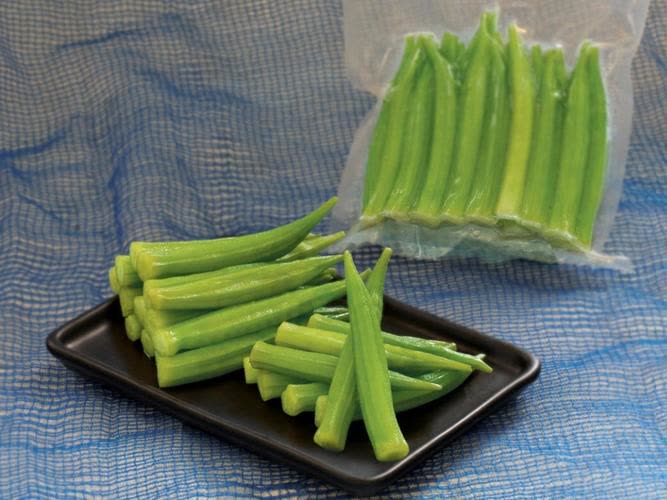
Quick comparison by form
The table below summarizes typical nutrition retention and uses. These are approximate, editorial views rather than lab‑tested values—actual nutrition depends on handling and processing.
| Form | Approximate Nutrition Retention* | Typical Uses |
|---|---|---|
| Fresh whole/sliced | Most fiber and vitamin C retained if stored properly | Soups, stir‑fries, hotpot, salads |
| Frozen slices | Fiber and minerals largely preserved; some vitamin C loss | Quick stir‑fries, stews, hotpot |
| Dried slices | Fiber and minerals preserved; vitamin C mostly lost | Teas, decoctions, long‑simmered soups/braises |
| Chips/snacks | Fiber present; fat/sodium can be high or variable | Snack products, occasional treats or resale |
\*Based on general patterns for fresh vs frozen vs dried vegetables, not precise laboratory data.
Fresh lotus root (whole or pre‑sliced)
Fresh roots usually look like beige tubes with few blemishes. In big coastal cities, you’ll often find them in Asian groceries or larger supermarkets with an Asian aisle. Fresh offers the best crunch and the most familiar cooking options. It’s ideal if your main goal is home cooking and you have access to local stores.
Frozen lotus root
Frozen slices are cleaned and cut, then packed into bags. They’re convenient if you cook Asian dishes occasionally and don’t want fresh roots sitting around. Freezing generally preserves fiber and most minerals, but some heat‑sensitive nutrients like vitamin C can drop a bit.
Dried lotus root products
Dried slices or powders are common in cross‑border trade. They’re shelf‑stable and used in decoctions, herbal mixes, or slow braises. Drying concentrates fiber and minerals per gram but almost always costs you vitamin C. For many U.S. shoppers, dried formats are the primary lotus root products they’ll see on global marketplaces.
Lotus root chips and processed snacks
Lotus root chips take thin slices and fry or bake them, sometimes adding seasonings. Nutrition varies widely: you still get some fiber, but oil type, frying temperature, and added salt or sugar determine whether the product is closer to a wholesome snack or just an interesting alternative to potato chips. Check labels carefully for total fat and sodium.
Buying Lotus Root Online: Quality Checks, DHgate’s Role, and Alternatives
For U.S. shoppers, your best sourcing choice depends on whether you want lotus root for regular meals or niche use (herbal blends, novelty snacks, or small resale).
DHgate’s role
DHgate operates as a cross‑border marketplace that connects buyers with mostly overseas sellers. Historical blog content on DHgate’s site discusses lotus root’s nutrients and culinary uses, but it is editorial context only and does not prove what’s in stock today or how individual sellers handle food safety.
In practice, DHgate may be more relevant if you’re:
- Looking at dried lotus root slices, herbal blends, or packaged lotus snacks for experimentation or resale.
- Comfortable ordering bulk or multi‑pack quantities from overseas sellers.
When you evaluate a lotus root listing on DHgate or any similar marketplace, focus on details you can verify yourself:
- Read the full listing closely. Look for clear product type (dried vs chips vs powder), country of origin, net weight, and ingredient list.
- Check photos for visual quality. For dried slices, you want relatively uniform shape and color, not excessively dark or fragmented pieces that might suggest age or rough handling.
- Review seller history. Focus on buyers who mention taste, freshness, packaging, and whether the item arrived sealed and intact—not just vague five‑star ratings.
Quality checklist when your order arrives
Whether you buy via DHgate, another marketplace, or a smaller online shop, do a quick inspection before using lotus root products:
- Packaging integrity: Seals intact, no tears or punctures, no signs of moisture inside dried‑product bags.
- Appearance:
- Fresh: firm, not slimy; minimal dark spots; no strong off odor.
- Frozen: slices separated enough to use; no large ice crystals suggesting thaw/refreeze.
- Dried: pieces not dusty or moldy; color within the expected beige‑to‑light‑brown range.
- Labeling: Best‑before date, storage instructions, and ingredients listed clearly. Avoid unlabeled bulk if you’re new to the product.
Discard anything that smells sour, alcoholic, or otherwise off. With imported food, your senses are often your last line of defense.
Local and other online alternatives
For many U.S. buyers, local channels are still simpler and often lower‑risk for everyday cooking:
- Asian grocery stores: Often carry fresh roots in season and frozen slices year‑round. Staff may help you choose and prep.
- Mainstream supermarkets: Some chains now stock frozen lotus root or canned lotus products; availability varies by region.
- Other online grocers: Specialty Asian food sites may offer lotus root with clearer cold‑chain handling descriptions than general marketplaces.
If your goal is health‑focused home cooking—soups, stir‑fries, salads—it usually makes more sense to start with fresh or frozen lotus root from a nearby store. If your goal is bulk dried slices, herbal mixes, or novelty snack SKUs for resale, DHgate and similar marketplaces can be part of your sourcing mix, as long as you treat each listing skeptically and confirm quality on arrival.
Safe use boundaries and storage
Lotus root is generally safe as a food when cooked properly, but using it as a treatment for specific medical conditions should involve a clinician. Traditional claims around cooling, anti‑inflammatory, or diuretic effects have limited modern evidence.
To keep what you buy safe and usable:
- Fresh roots: Store unpeeled in the fridge, wrapped, and use within a few days. Once sliced, keep submerged in water with a splash of vinegar or lemon juice to slow browning, and cook within 24 hours.
- Frozen slices: Keep at a consistent freezer temperature. After thawing, don’t refreeze; cook fully.
- Dried formats: Store in a cool, dry place away from light. Follow best‑before dates and discard if you see mold or clumping.
Handled this way, lotus root can be a reliable, fiber‑rich ingredient that meets both flavor and wellness goals—with DHgate as an optional route for specific dried or processed products, not a requirement.