
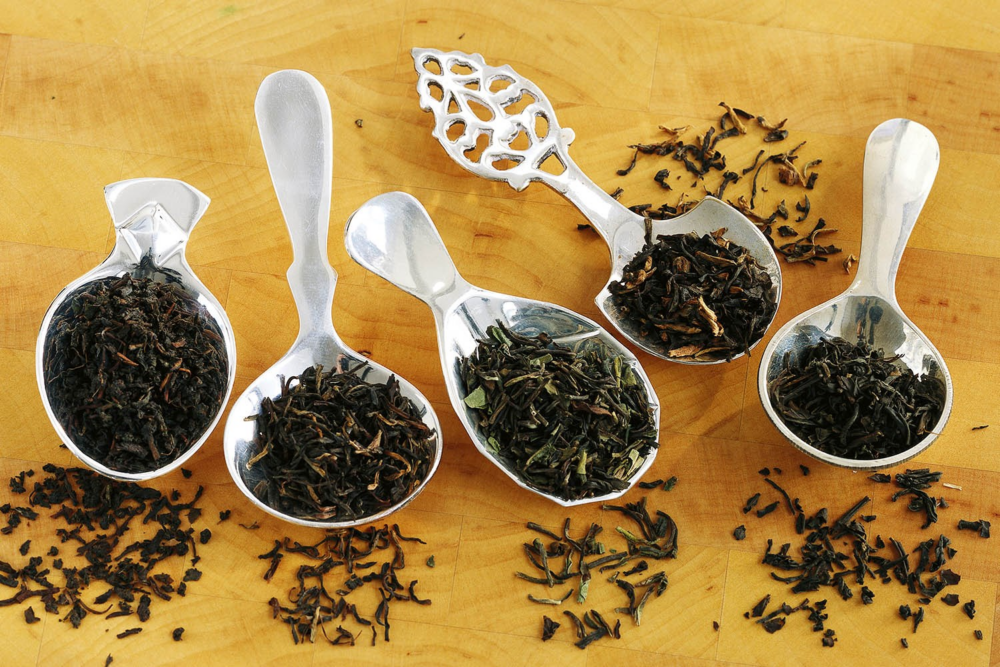
Loose leaf tea is generally worth switching to if you care about flavor, variety, and having more control over your daily cup. Whole or minimally broken leaves usually give a richer aroma, fuller taste, and often multiple infusions compared with standard tea bags, which tend to use smaller particles or “dust.” That said, the best option depends on how much effort you want to put into brewing, your budget, and how comfortable you are sourcing food products from different marketplaces. DHgate can be part of the picture for bulk loose leaf and teaware, but every listing needs careful review because we don’t have live data on what’s actually in stock or how any seller performs.
Why Loose Leaf Tea Appeals to US Drinkers
Loose leaf tea stands out because the leaves are typically whole or in larger pieces rather than finely ground. As guides like the loose leaf overview at teas.co.uk note, that structure usually allows the leaf to fully unfurl, releasing more complex aroma and flavor and making multiple steepings possible from the same leaves.
Taste is the most immediate benefit. Many drinkers find loose leaf black teas more rounded and less harsh, greens cleaner and less grassy, and herbals more vivid. Because you control leaf quantity, water temperature, and steep time, you can dial in strength for an everyday mug or a lighter evening cup.
Quality is another common reason people move away from bags. Loose leaf often uses higher-grade leaves (like top leaves and buds) and is more likely to highlight a specific origin or harvest season. That doesn’t mean every loose leaf product is premium, but it does give you more information to judge quality than a generic “black tea bag” label.
Cost is a tradeoff. The up-front price per ounce is sometimes higher than basic bags, but you may get more cups because many loose teas can be re-infused. If you drink tea daily, one or two reliable bulk loose leaf options can be a good value — especially if you’re willing to buy larger quantities from specialty shops or marketplaces.
Loose leaf isn’t for everyone. If you want zero prep and you mostly drink tea at the office, bags might still win on convenience. But for US drinkers who enjoy flavor and ritual, loose leaf can be a practical upgrade rather than just a hobbyist niche.
Tea Types, Brewing Basics, and What to Look For When Buying
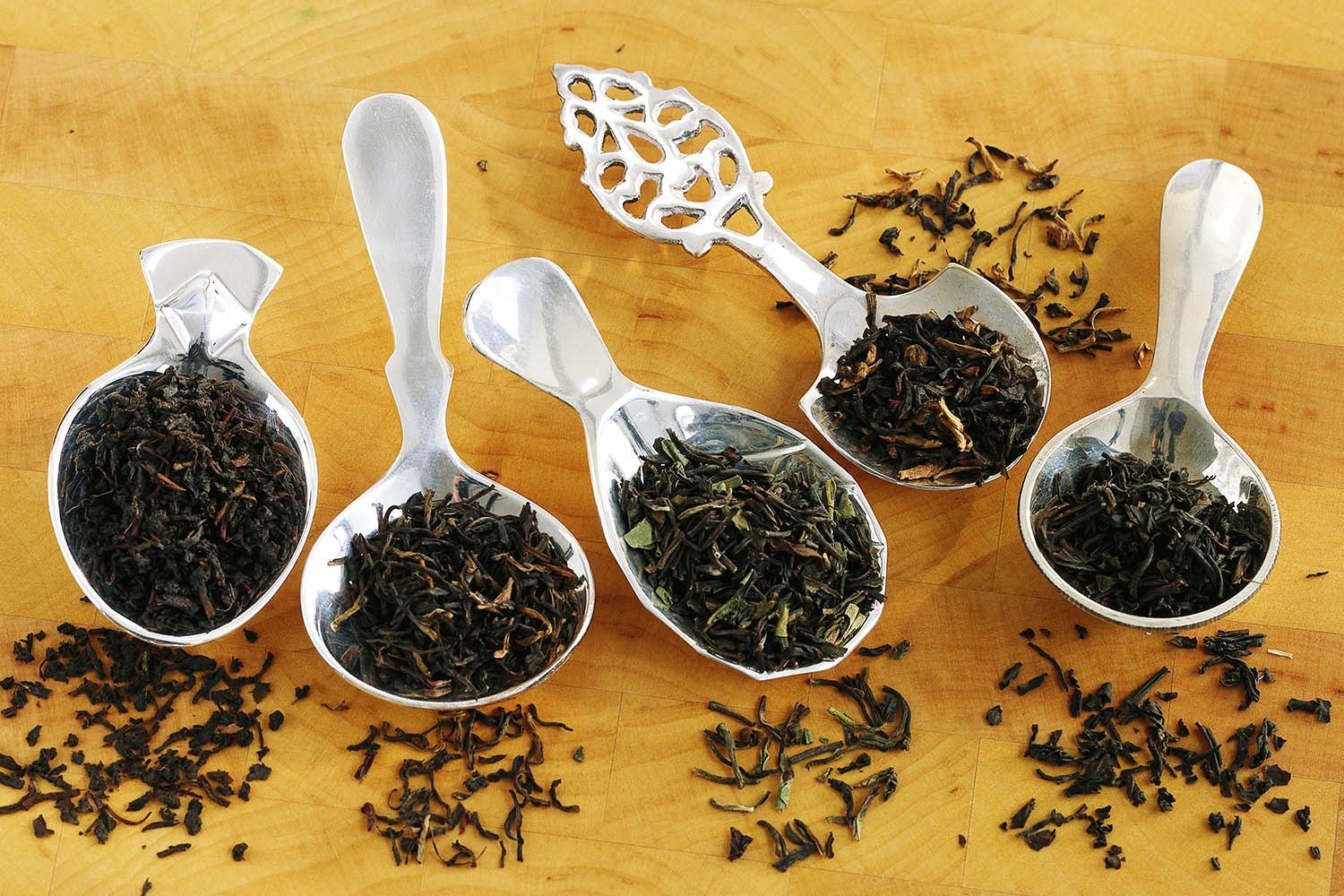
Loose leaf tea can mean many things. The main categories you’ll see across US listings are:
- Black tea – Often robust and malty (English Breakfast, Assam) or fragrant (Earl Grey, Darjeeling). Good everyday choice.
- Green tea – Fresher, more vegetal or nutty; includes sencha, dragon well (longjing), gunpowder.
- Oolong – Partially oxidized; flavors range from floral and creamy (high mountain Taiwanese oolongs) to roasted and toasty.
- White tea – Light, subtle, often using buds and young leaves (bai mudan, silver needle).
- Herbal and fruit infusions – Technically not tea (no Camellia sinensis), but sold alongside: chamomile, peppermint, rooibos, hibiscus, blended fruit tisanes.
Simple brewing rules you can actually use
You don’t need a ceremony or a special kettle. Most guides, including Pique’s brewing overview, converge on a few practical starting points:
- Leaf amount: About 1 teaspoon of loose leaf per 8 oz (1 cup) of water. Dense teas (gunpowder) may need slightly less; fluffier teas (white, big oolongs) may need a bit more.
- Water temperature:
- Green tea: use cooler water, roughly 170-180°F.
- Black tea: near boiling, around 200-212°F.
- Herbal infusions: generally also near boiling; they often benefit from a longer, hotter steep.
- Steep times:
- Green: ~2-3 minutes.
- Black: ~3-5 minutes.
- Herbal: ~5-7 minutes.
These are starting points. Good brands usually print tea-specific directions on the bag or tin — that’s a small but telling quality signal.
Turning quality theory into listing checks
When you’re staring at an online product page, you can’t smell or taste the tea. You can use several concrete signals, as highlighted in guides like the loose leaf tea explainer from Dofo Tea:
- Leaf appearance in photos
- Look for clearly identifiable leaves or buds, not a bag of fine dust or powder (unless it’s matcha).
- Whole leaves or larger pieces usually suggest more careful processing and can be re-steeped.
- Origin information
- Good listings name the country and often region: “Yunnan, China,” “Uji, Japan,” “Assam, India.”
- Vague “Imported tea” with no origin isn’t inherently bad, but it gives you less to evaluate.
- Harvest or freshness details
- Some specialty brands mention harvest year or season (“Spring 2025”), which helps you avoid very old stock.
- If harvest isn’t listed, check for a clear best-by date on packaging and avoid products with no freshness info at all.
- Certifications and labels
- Organic, fair-trade, or similar labels can signal certain farming or labor standards.
- Treat them as one factor, not a guarantee of flavor or safety.
- Brewing instructions on the package or listing
- Specific temperature and time guidance suggests the producer cares how you experience the tea.
- If a seller writes only “brew to taste” with no parameters, that’s more casual — fine for cheap daily tea, less reassuring for premium-priced leaves.
Here’s a quick comparison table you can use when skimming listings:
| Listing detail | Strong signal | Weak/unclear signal |
|---|---|---|
| Leaf photo | Whole leaves, visible buds, low dust | Mostly powder/dust, generic stock art |
| Origin text | Named region (Darjeeling, Uji, Yunnan) | Just “black tea” or “imported” |
| Harvest/freshness info | Harvest year/season or recent best-by date | No date, no harvest mentioned |
| Certifications | Organic/fair-trade shown with logos | Vague “natural” language |
| Brewing directions | Temp + time by tea type | “Brew hot” or nothing |
Use these signals together rather than in isolation. A budget-friendly everyday tea won’t look like a rare single-origin oolong, and that’s fine — it just shouldn’t pretend to.
Best Brands and Marketplaces: Where DHgate Fits
For US buyers, a simple path is to start with established loose leaf brands, then branch into marketplaces once you know what you like. Brand roundups such as those from The Leaf & Steep and Dofo Tea’s brand guide highlight a few recurring categories:
- Heritage and premium brands – Twinings, Harney & Sons, Mariage Frères, Rishi, and similar names often emphasize consistent blends, origin stories, and in some cases organic or fair-trade sourcing.
- Organic/natural-focused brands – Numi and various smaller US-based companies lean on organic and sustainable positioning.
- Flavored and fun blends – David’s Tea, T2, Adagio, and many online specialty shops focus on creative flavored blacks and herbals, from dessert-like blends to seasonal limited editions.
Marketplaces broaden your options:
- US-focused marketplaces (Amazon, eBay, etc.) – Mix of big brands and smaller sellers. Value and selection are strong, but you still need to check photos, origin text, and seller reviews carefully.
- DHgate and similar cross-border platforms – DHgate can list loose leaf tea as well as teaware (infusers, gaiwans, kettles). Because we don’t have live product or policy data, you should treat every listing as a separate case.
DHgate use-cases that make the most sense today are:
- Teaware and accessories such as stainless infusers, glass teapots, or travel tumblers — items where you can judge quality more directly from photos and materials than with food.
Whenever you consider DHgate or any similar marketplace for tea, keep your checks very specific:
- Read the full description for origin, leaf grade, and packaging details, not just the title.
- Examine all product photos to confirm you’re seeing real leaves and real packaging rather than only stock imagery.
- Look at seller history and reviews focused on the same product, not just the shop overall.
Because there’s no verified platform-wide data here, avoid assuming that any given listing is fresh, authentic, or well-handled; instead, buy small first, assess, then decide if it’s worth reordering or upgrading to a larger quantity.
Practical next step: If you’re curious but not ready for bulk, pick one loose leaf black or green tea from an established brand, follow the 1 tsp / 8 oz and basic temperature rules above for a week, and see if the taste and control feel like an upgrade. From there, you’ll be in a much better position to judge whether specialty shops, cross-border platforms, or DHgate listings align with your flavor preferences and risk tolerance.