
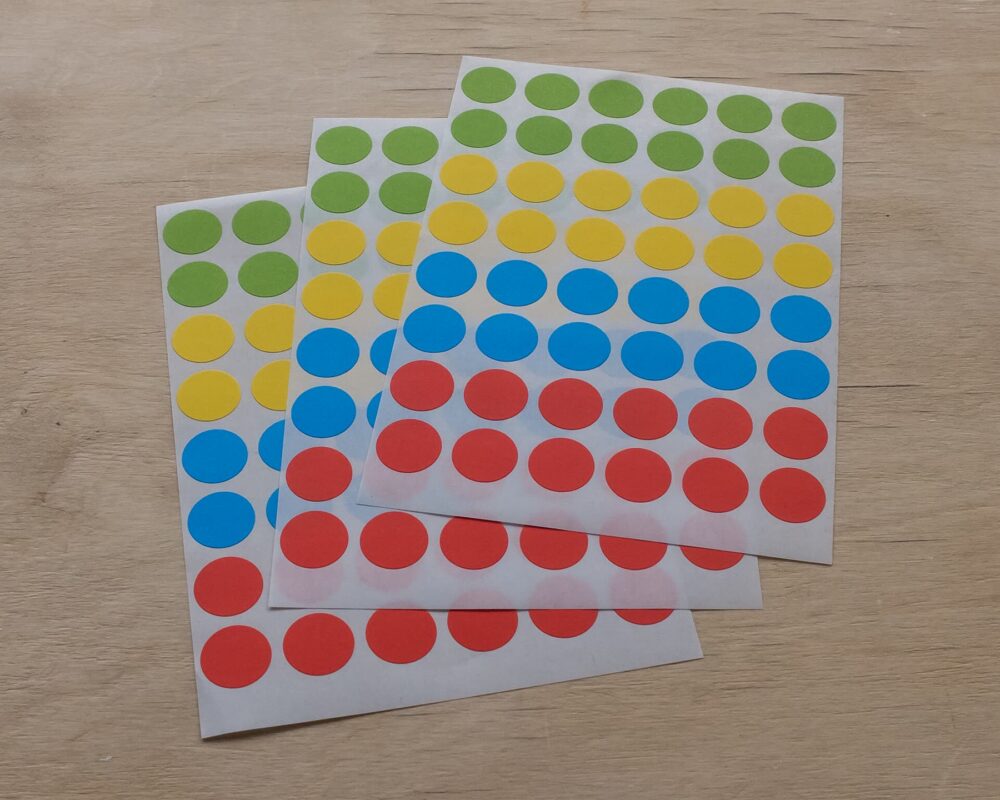
You can begin a sticker-design business right now by doing three things in order: narrow your niche and audience, choose exactly how and where your stickers will be produced, and then set up a focused DHgate storefront that speaks to bulk or cross-border buyers instead of “everyone.” DHgate works best here as a marketplace where you either sell your own printed stickers or act as a reseller of designs you control, but it’s crowded, so your designs, materials, and listings need to be sharper than generic hobby shops.
Stickers are already everywhere—kids use them for fun, adults decorate laptops and cars, and companies use them for branding and gifts—so you’re not convincing people to like stickers. You’re convincing them to pick your designs and your formats over thousands of others.
Decide What Sticker Business You’re Starting Right Now
If you skip this step and just “list some stickers,” DHgate’s competition will bury you. Decide what kind of sticker business you are, in concrete terms.
Step 1: Pick a narrow audience and use case
You’ll move faster if you design for a specific buyer instead of trying to serve everyone on day one. Some examples:
- Kids & teens: cute characters, animals, rewards sheets, school themes.
- Adults / lifestyle: aesthetic laptop decals, water bottle stickers, car window graphics.
- Business buyers: logo stickers, QR code labels, event giveaways in bulk.
On DHgate, the platform leans toward buyers comfortable with cross-border shopping and bulk-like quantities. That makes business buyers, resellers, or sticker-obsessed collectors a more natural fit than someone who just wants one sheet.
Step 2: Choose a design niche that isn’t a copy
Sticker marketplaces and social platforms already overflow with generic quotes and traced characters. To stand out, decide what makes your catalog different:
- A specific visual style (e.g., bold color blocking, hand-drawn doodles, minimalist line art).
- A theme (e.g., K‑pop fan stickers, planner stickers for nurses, bilingual phrase stickers).
- A functional advantage (e.g., extra-durable car decals, waterproof bottle labels with writable areas).
Do a quick search for similar stickers on DHgate, other marketplaces, and social platforms. If your idea looks almost identical to what already fills the first few pages, tighten your concept until it feels clearly different.
Step 3: Define your first product range
Before you register on DHgate, sketch a small but coherent catalog:
- Core products: 5-10 design sets you can realistically launch with.
- Formats: sticker sheets, die-cut singles, packs, or rolls (more on this next section).
- Personalization: Will you offer custom names, colors, or logos, or only pre-made designs?
This lets you describe your store in a focused way: “Vinyl laptop and water-bottle stickers for plant lovers” is more compelling than “all kinds of stickers.”
Quick prep checklist before you touch DHgate
- 5-10 finished designs in print-ready files.
- Chosen audience and use case (written in a sentence).
- A short list of formats and sizes.
- A simple pricing idea (e.g., higher for custom, lower for bulk packs).
- A plan for who produces and ships your stickers.
Sticker Types, Materials, and How You’ll Actually Get Them Made
Stickers may look simple, but the combo of type + material + finish is a real buying decision—especially for cross-border buyers who can’t touch the product first.
Common sticker types you can sell
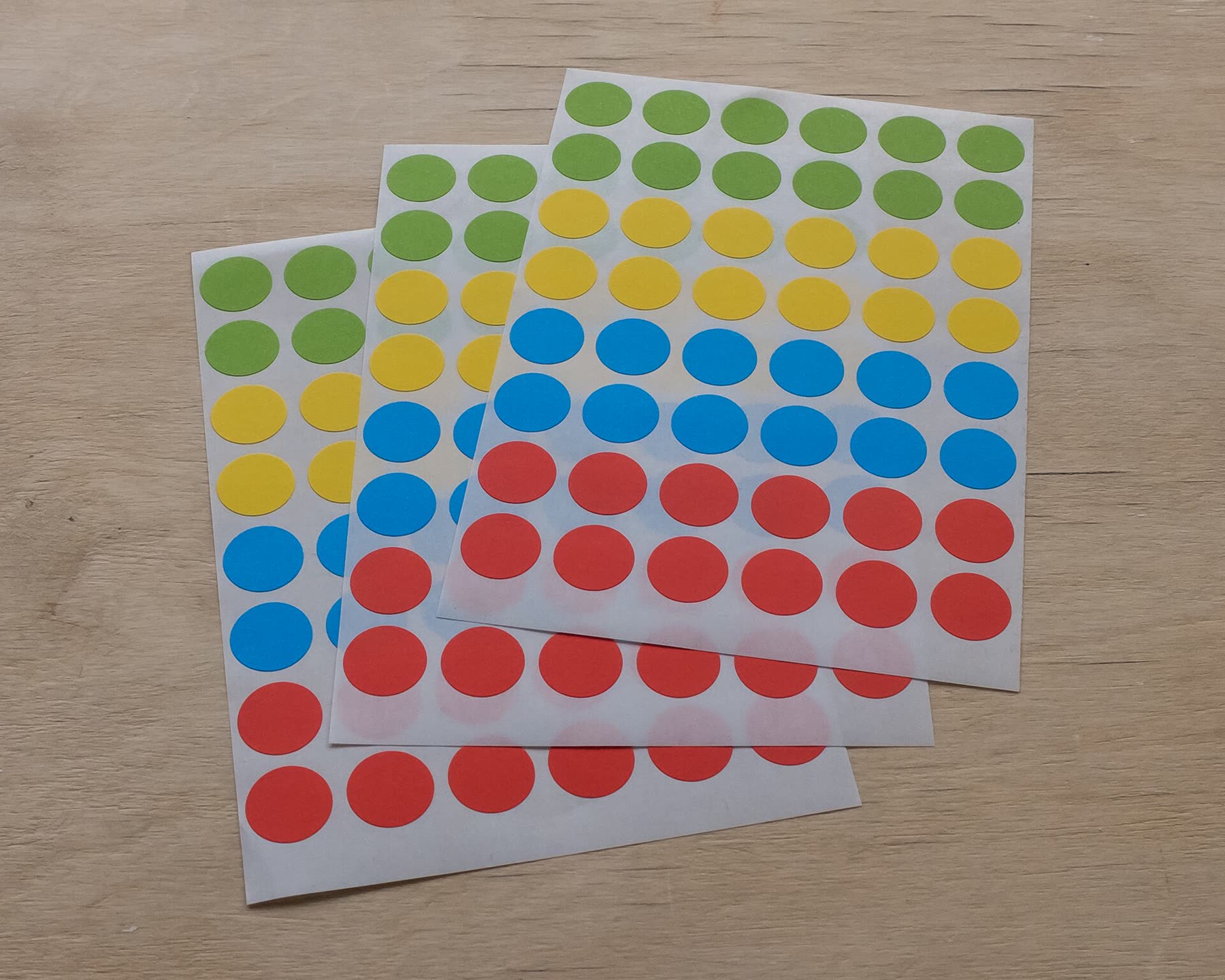
- Sticker sheets: Several smaller stickers on one sheet. Great for kids, planners, and themed sets. Easy to ship flat.
- Die-cut singles: One design per piece, cut to shape. Ideal for laptops, phones, and water bottles.
- Sticker packs: Multiple die-cuts bundled as a set (e.g., 10 different travel icons).
- Roll labels: Repeated designs on a roll. Often aimed at businesses labeling packaging or products.
For DHgate, sheets, packs, and rolls play well with bulk buyers because they can order many units at once.
Vinyl vs. paper: why it matters
Most stickers are either vinyl or paper. Buyers often look for traits like good adhesiveness, waterproofing, shiny or specialty finishes, and colors that pop.
Here’s a quick comparison you can use when choosing materials for your first product line:
| Material | Best for | Key strengths | Main trade-off |
|---|---|---|---|
| Vinyl | Laptops, cars, water bottles, outdoor use | Strong adhesion, often waterproof, can be glossy or matte, supports rich color | Higher production cost and may be unnecessary for short-term uses |
| Paper | Planners, journals, scrapbooks, short-term labels | Usually cheaper, easy to write on, often has a softer or more “eco” feel | Less durable, typically not waterproof, can tear more easily |
| Vinyl with laminate | Harsh or wet environments (e.g., car windows, surfboards) | Extra protection against scratching and fading | Adds another production step and cost |
| Textured or specialty paper | Premium stationery and gift packs | Distinct tactile feel and premium look | Often not water resistant and may require gentle handling |
If you sell car decals or bottle stickers, vinyl with some level of water resistance is a reasonable baseline. For planners and journals, smooth paper with decent adhesive is usually enough.
Decide your production path: in-house vs sourcing
You have two practical paths:
1. In-house or local production
- You design and print stickers yourself (home equipment or local print shop).
- Best if you care about tight color control, quick prototyping, or short custom runs.
- You’ll store and ship orders yourself or through a partner.
2. Sourcing from third-party suppliers (including DHgate)
- You provide designs to a manufacturer who prints and ships to you, or sometimes directly to customers.
- DHgate can be used to find factories or wholesalers offering vinyl or paper stickers, blank or predesigned.
- Works better for bulk orders and resellers who want large quantities at once.
If you want a detailed breakdown of how creators handle printing and fulfillment, the general guidance in this sticker business overview can help you understand typical workflows before you adapt them to a DHgate-based model.
If you lean toward reselling or running a brand that buys in bulk and then redistributes, DHgate is more relevant. If your main dream is a small, made-to-order art shop with a handful of designs, a print-on-demand service or a very small local run might be simpler.
Regardless of path, order a small test batch before you commit. Check adhesion, color, and durability yourself so your DHgate listings describe the real product honestly.
Production decision table for first-time sellers
Use this table to match your situation to a production path:
| Your situation | Better path | Why it fits |
|---|---|---|
| You want to test 5-10 designs with minimal upfront cost | Local print shop or small in-house setup | Lets you test designs without committing to large bulk orders |
| You already have a local fan base or offline shop and need consistent bulk restocks | DHgate or similar wholesale suppliers | Bulk-oriented sourcing can align with recurring, larger orders |
| Your buyers mainly want personalized, one-off designs | In-house or print-on-demand model | Customization is easier when you control printing closer to the buyer |
| You plan to resell sticker packs to other retailers or event planners | DHgate-based bulk sourcing | Cross-border, bulk-friendly supply makes it easier to stock larger quantities |
Set Up and Optimize a DHgate Sticker Storefront
Once your niche, designs, and production plan are set, you can focus on how DHgate fits into your launch.
Step 1: Register as a seller (and double-check requirements)
DHgate allows individuals and businesses to open seller accounts and list products for global buyers after a basic registration and setup process. The exact steps and eligibility can change, so:
- Start from DHgate’s official seller or help pages and follow the current instructions.
- Have basic documents ready (ID and business info if you’re registering as a business).
- Decide whether you’re signing up as a personal seller or a company, based on your local rules.
For legal, tax, and licensing questions, talk to a local professional instead of relying on marketplace blogs.
Step 2: Structure your sticker listings so buyers can actually choose
On DHgate, how you structure products matters as much as what you sell. Instead of one catch-all listing, group items logically:
- One listing per theme or series (e.g., “Cute Cat Vinyl Laptop Stickers – 10 Pack”).
- Variations for size, finish, and pack count within the listing, if DHgate’s tools allow it.
- Separate listings for customizable stickers vs. standard designs.
Clear titles, detailed descriptions, and quality images help your listings show up for relevant searches and give buyers enough information to commit. This isn’t a guarantee of rankings, but it’s basic hygiene in a crowded category.
What to include in each listing:
- Title: Material + use case + theme (e.g., “Waterproof Vinyl Car Decal – Floral – 4×4 in”).
- Description: Who it’s for, where it can be used, material (vinyl or paper), finish (matte, glossy), and any waterproof or special features.
- Images: Real photos or clean mockups showing stickers on actual items (laptops, bottles, packaging) plus close-ups.
- Options table: If allowed, outline size and pack options so buyers don’t need to guess.
Step 3: Clarify your terms in plain language
Cross-border buyers are cautious, especially with small, easily copied products like stickers. Use your listing text and store settings to make expectations clear:
- Minimum order quantities and what each unit actually includes (e.g., “1 unit = 5 sheets”).
- Processing time and any limits on customization (e.g., “custom colors on text only”).
- Any constraints on where you can ship or serve (for example, focusing on US and Canada first).
Avoid making promises about shipping speed or guarantees you can’t control. Instead, describe how you actually operate based on your production and shipping setup.
Step 4: Run lean, realistic promotion on and off DHgate
There are already many sticker vendors on DHgate, so you should expect competition for attention.
Low-risk, practical actions you can start now:
- Share direct links to your DHgate listings on your social channels or in niche communities that allow promotion.
- Offer small incentives for larger orders (bundled packs, tiered pricing) instead of racing to the absolute lowest price.
- Test one or two DHgate-native promotion tools if they’re offered to new sellers, but treat them as experiments, not guaranteed boosters.
Avoid sinking big money into ads or influencer deals before you’ve validated that buyers actually respond to your designs and materials on DHgate. Use your first few months to refine what sells, which listings get views, and whether this marketplace is giving you the type of customers you want.
If you find that your orders tend to be one-off, small quantities from individual fans, you might complement DHgate with a direct-to-consumer channel like a personal site or another platform that’s friendlier to single-piece buyers. If, instead, you’re seeing repeat bulk interest—like event planners or small brands ordering logo stickers—lean harder into DHgate’s cross-border, bulk-oriented strengths and design more product lines for those buyers.