
DHgate is one cross-border multi-seller marketplace where you can source studio lighting; treat each listing as its own product and compare specs, images, and seller evidence before you rely on a kit.
High key lighting is a bright, low‑contrast style where your subject is evenly lit and shadows are minimal. The key light is your main light source; in a high key setup it’s strong but heavily supported by fill and background lights so mid‑tones are pushed lighter and dark areas are kept subtle. Photographers and videographers use high key lighting for clean, upbeat portraits, weddings, fashion campaigns, newborn shots, and any scene that should feel simple, optimistic, and approachable.
For gear buyers on DHgate or other marketplaces, that look translates into practical requirements: enough total light output, the right mix of key/fill/background lights, and modifiers that keep everything soft and even instead of harsh and contrasty.
Key Lights and High Key Lighting: What They Are and When You Use Them
A key light is the primary light that shapes your subject’s face or form. It defines the basic direction of light and most of the exposure. In traditional three‑point lighting, the key is supported by a fill light and a backlight; high key setups often add one or more background lights and push the whole scene brighter. You can read more about the concept of a key light in this neutral overview.
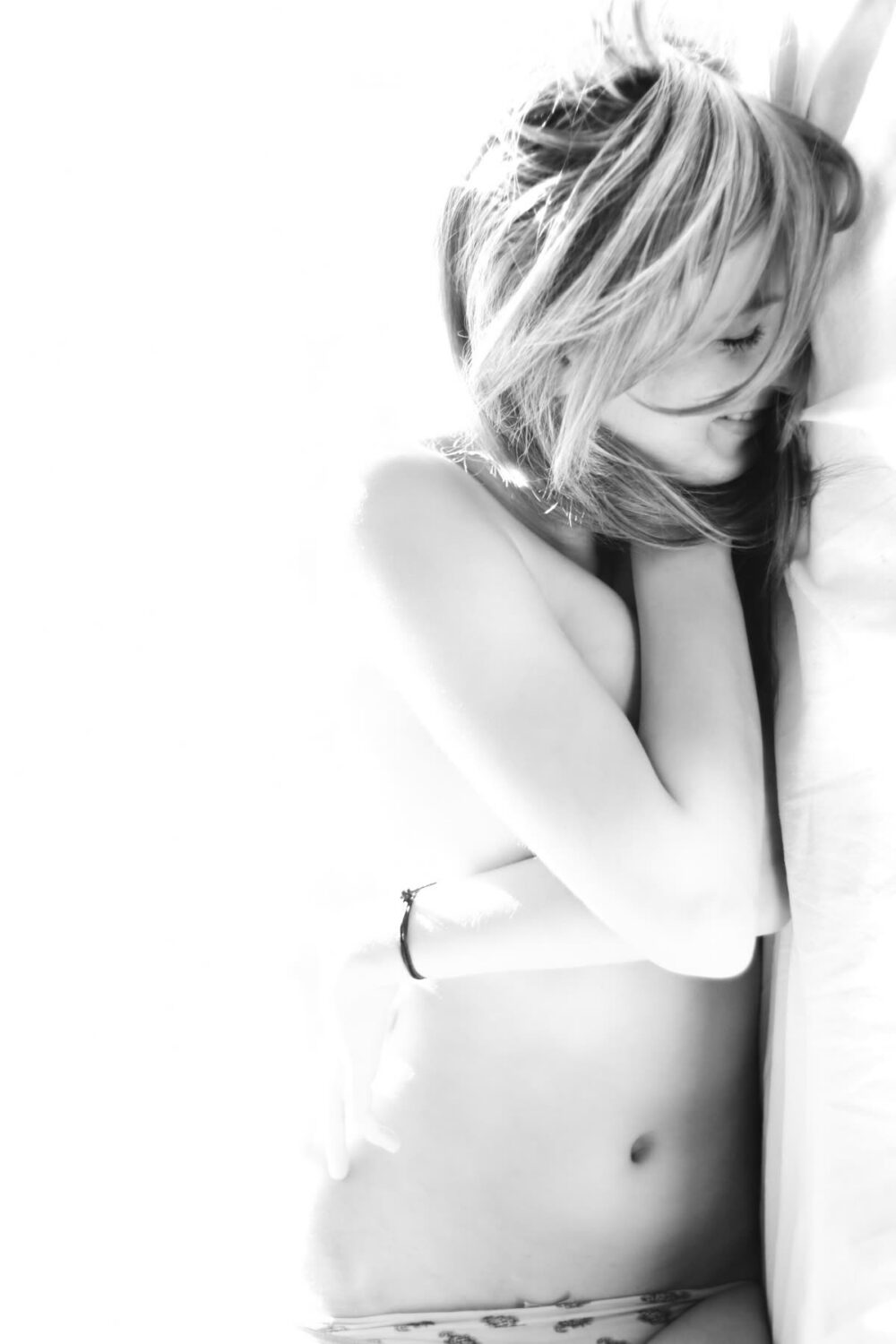
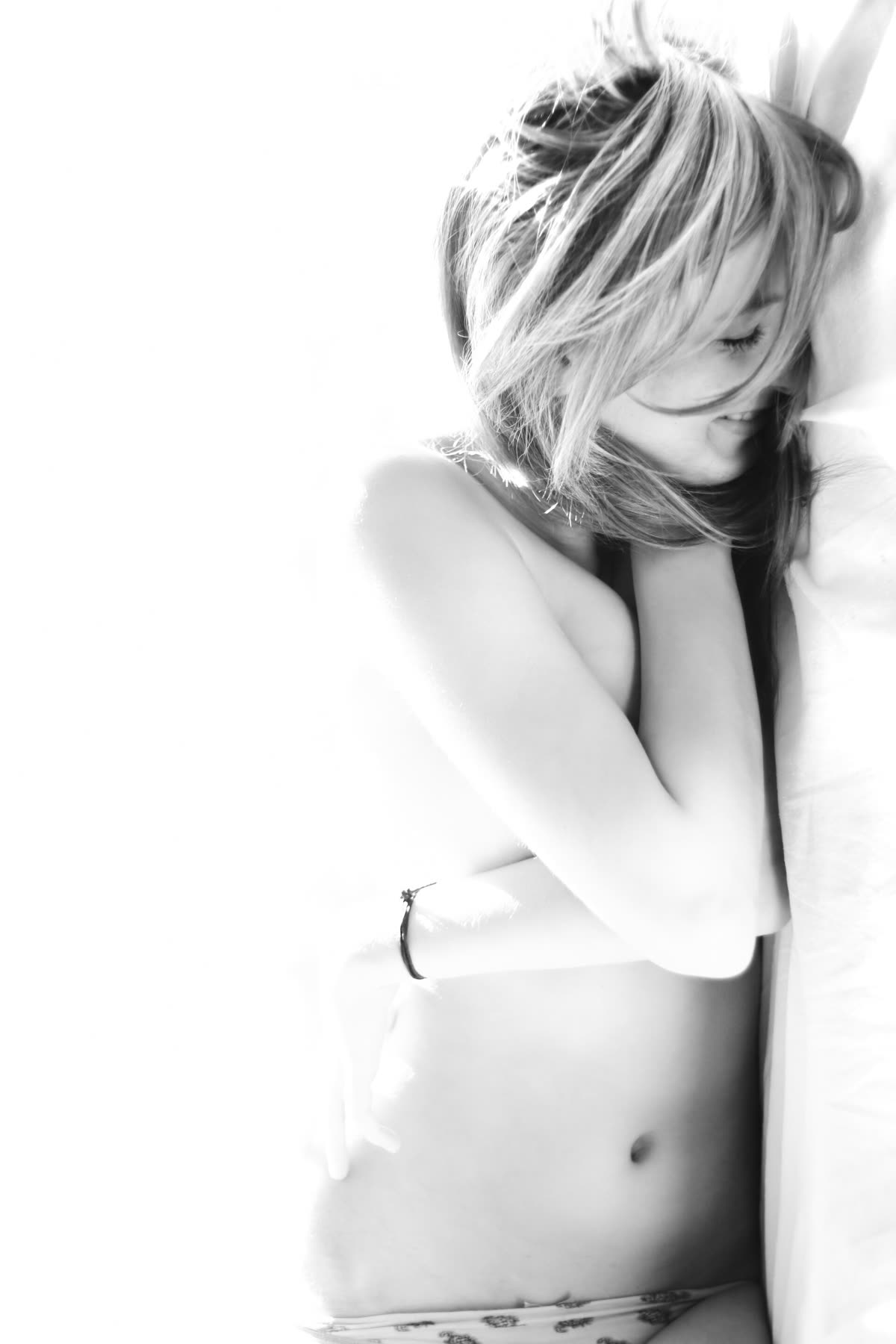
High key lighting is defined by bright, even illumination and low contrast. The key and fill are balanced so shadows are light and soft rather than deep and dramatic. Scenes usually feature a lot of whites and light tones, with very little pure black. As industry references like Wikipedia’s high key lighting entry and ViewBug’s guide to high key photography explain, the overall effect is cheerful and clean rather than moody.
Typical creative uses include:
- Newborn photography: white or pastel backgrounds, glowing skin, almost no hard shadow under the nose or chin.
- Weddings and fashion: bright, glossy looks that emphasize clothes and faces without distracting deep shadows.
- Corporate headshots and product work: clean, professional, minimal drama.
High key lighting is less suited to scenes where strong, moody contrast does the storytelling (the classic “low key” look), since the entire point is to reduce dramatic shadows.
Types of Lights and Setups for High Key Work
You can build a high key setup from continuous lights, flash/strobes, or mixed kits. The principles stay the same: strong key, generous fill, lit background, soft modifiers, and controlled contrast.
Common gear types
Here’s how the main options differ for typical photo/video buyers:
| Gear type | How it’s used in high key setups | Pros for high key work | Potential drawbacks |
|---|---|---|---|
| LED panels | Key, fill, or background for video or hybrid creators | Continuous preview, easy to balance several panels | May need multiple panels for enough power |
| COB LED spotlights | Key light with a softbox or umbrella | Strong output, works well with large soft modifiers | Needs modifiers to avoid harsh light |
| Speedlight flashes | Key or fill in small photo spaces | Portable, relatively affordable, can be bounced off walls | Not suited for video; require triggers |
| Studio strobes | Full still-photo high key sets (key, fill, background lights) | High power, consistent output, good for large backdrops | More complex to use, usually AC‑powered |
| Ring lights | Key or fill for tight beauty shots | Simple setup, flattering, shadow‑minimal faces | Can look flat; limited background control |
For a classic still-photo high key portrait, older practice often used one key, one fill, a backlight, and one or two background lights. Modern kits may swap the specific fixtures for more sophisticated studio heads and softboxes, but the pattern is similar: key + fill + some form of back/background light working together.
Typical high key configurations
Think in terms of roles, not brand names:
- Key light: Your brightest source, aimed at the subject from a flattering angle (often 30-45° off camera). In a high key setup, it’s diffused using a softbox, umbrella, or bounced off a large surface to avoid harsh shadow edges.
- Fill light: Placed near camera axis or opposite the key, bringing shadow areas up close to the key’s brightness. High key often pushes fill nearly as bright as the key so shadows are very light.
- Background lights: One or two lights aimed at the backdrop to bring it near pure white or a very light pastel. This is what turns mid‑tone backgrounds into clean high key fields.
- Back/hair light (optional): A subtle rim from behind to separate the subject from the bright background without adding heavy contrast.
Scenario examples:
- Newborn or bridal portrait: Soft key to one side, large fill near camera, two small lights or panels pointing at a white seamless background to push it close to white.
- Fashion e‑commerce look: Powerful key in a big softbox, equally strong fill from the opposite side, and a background wash so clothes pop on a clean, bright backdrop.
In many workflows high key lighting can speed production, because once you’ve balanced your key, fill, and background levels, each new subject doesn’t need drastic per‑scene tweaks. That’s useful for batch headshots, catalog shoots, or high‑volume video content.
Buying Studio Lights for High Key on DHgate and Other Marketplaces
Listings rarely say “perfect for high key lighting,” so you need to translate the look you want into concrete product checks. On DHgate and other marketplaces like Amazon, B&H or AliExpress, studio/key lights vary widely in quality and documentation.
Focus on these specifics in every listing:
- Output and coverage: High key needs enough light to brighten the subject and background, not just a small area. Look for kits that include at least one strong key light plus multiple smaller fixtures or panels for fill and background.
- Modifiers included: Softboxes, umbrellas, diffusion panels or reflector boards matter as much as the lights themselves. A bare, undiffused lamp will fight against the soft, low‑contrast look you’re trying to achieve.
- Color temperature: Check that all lights in a kit can match (for example, all daylight‑balanced) so your bright scene doesn’t have mixed color casts.
- Kit composition: Many budget studio kits advertise “high output” but only include two lights and no background tools. For high key, you’re usually better off with a kit that has a key, a fill, and at least one background light, plus stands.
How DHgate fits this decision
DHgate carries a range of cross‑border studio lighting kits, including LED panels, ring lights, and flash/softbox bundles. Because inventory and specs vary by seller, treat each listing as a separate product rather than assuming consistency across the platform.
On DHgate specifically:
- Inspect the photo examples: Sellers often show sample portraits or product shots. For high key, look for demo images with bright backgrounds and minimal shadows; if all examples are moody and contrasty, the kit may not be designed for your use.
- Read spec details carefully: Confirm power ratings, number of fixtures, and whether modifiers (softboxes, umbrellas, reflectors) are actually included or just shown in photos.
- Check reviews for consistency: Prior buyers may mention flicker, color shifts, weak stands, or missing accessories—issues that can undermine a high key setup.
If a DHgate kit gives you multiple lights, proper modifiers, and clear specs, it can be a cost‑effective way to experiment with high key lighting. If listings are vague, missing output data, or show very small lights aimed at large white backdrops, you may get better results looking at more thoroughly documented studio kits from specialty retailers, even at a higher upfront price.
Compact buying checklist
Before you buy any lighting kit for high key work:
- Confirm you’ll have: 1 key, 1 fill, and at least 1 background light.
- Make sure soft modifiers are included or budget for them separately.
- Verify color temperature compatibility across all fixtures.
- Use listing photos and reviews to judge whether the kit can actually produce bright, low‑contrast images rather than harsh, spotty lighting.
If these points check out, you’re in a good position to start practicing high key lighting—whether your gear comes from DHgate or another marketplace.