
Quick answer: Whether DHgate is safe for a wedding dress depends on the individual listing, the time you have for fit corrections and the evidence you can verify before paying. It is a higher-risk purchase than everyday clothing, so do not order when the event date leaves no room for delivery, alterations or a backup plan.
A wedding dress is one of the most important purchases in the wedding process because it has to do more than look good in a photo. It needs to fit, arrive on time, feel comfortable for hours, and match the level of formality you want for the ceremony, reception, or elopement. That is why the real question is not just whether a dress looks beautiful online—it is whether the listing gives you enough detail to judge fabric, construction, sizing, and timing before you commit.
For U.S. buyers, the safest approach is to evaluate the dress first and the shopping channel second. If you know what silhouette you want, what fabric you can live with, and how much alteration room you have, you can make a much more grounded decision about where to order.
What Counts as a Wedding Dress?
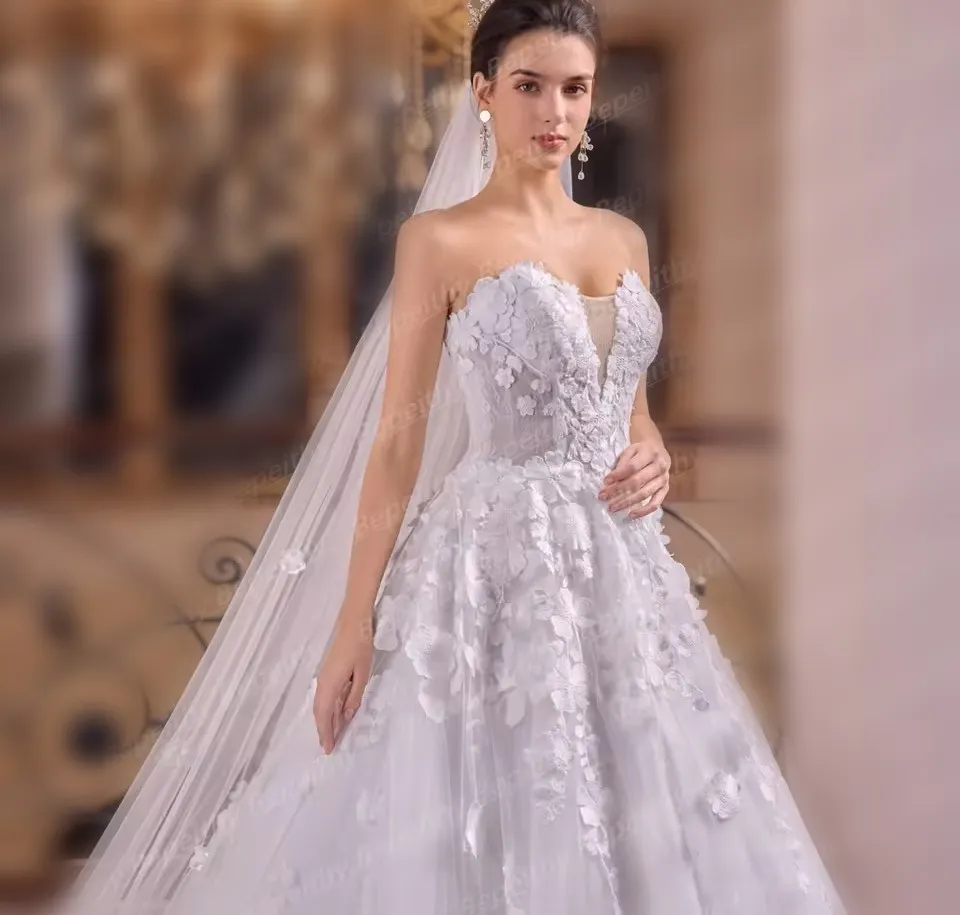
In practical buying terms, a wedding dress is any formal gown chosen for a wedding ceremony or wedding-related event. It may be traditional and full-length, simple and modern, or designed for a specific setting such as a beach, courthouse, garden, or destination wedding.
What makes it a wedding dress is usually the combination of formality, styling, and purpose. Buyers often look for details such as a structured bodice, special fabric, bridal-level embellishment, a train, or a silhouette that feels distinct from everyday formalwear.
A useful way to think about it is this: a wedding dress is not just a garment, it is a timing-sensitive, fit-sensitive, event-specific purchase. That means the listing has to answer more questions than a standard clothing item.
Wedding Dress Styles, Fabrics, and Fit Basics
Before you shop anywhere, narrow the dress by style, fabric, and fit.
Common silhouettes include:
- A-line: fitted at the top and gradually wider toward the hem; often a flexible choice for many body types.
- Ball gown: a fuller skirt with a more dramatic bridal look.
- Mermaid or trumpet: closer to the body through the hips, then flares lower down.
- Sheath or column: a straighter shape with less volume.
- Tea-length or short styles: often used for casual ceremonies, receptions, or second looks.
Fabric matters just as much as shape. Satin, tulle, chiffon, lace, organza, crepe, and mikado each behave differently in photos, movement, and alterations. A fabric that looks soft in a listing image may feel structured in person, while a heavily layered gown may need more support and more fitting work.
Fit is where many wedding dress decisions are won or lost. Pay attention to bust, waist, hip, shoulder, and hem measurements—not just the size label. If the listing uses custom sizing, you still want to know whether the seller asks for exact measurements and whether the dress can be altered later.
When Different Wedding Dress Options Make Sense
Different wedding dress types make sense in different scenarios.
A formal ball gown may fit a traditional church or ballroom ceremony. A lighter sheath or chiffon dress may work better for a beach, garden, or destination wedding. A short dress can be a smart choice for a courthouse ceremony, reception change, or second look. A simpler gown may also make sense if you expect to move, dance, or travel in it for several hours.
There are also practical reasons to choose one style over another:
- Ceremony dress: usually more structured and photo-forward.
- Reception dress: often lighter, shorter, or easier to move in.
- Elopement dress: may prioritize comfort, packing, and versatility.
- Backup dress: useful if you want a second option in case alterations run late or the main gown needs extra work.
- Budget-conscious purchase: often favors simpler construction and fewer custom details.
The right dress is the one that fits the event, the timeline, and the amount of alteration work you are willing to take on.
What to Check Before Choosing Any Wedding Dress Listing
A good wedding dress listing should help you answer five questions before you order: what it is made of, how it is built, how it fits, when it will arrive, and what happens if it does not match expectations.
Start with construction. Look for seam finishing, lining, boning or support, zipper or corset closure, and how the embellishment is attached. A dress can look similar in photos but feel very different if the structure is weak or the fabric is thin.
Then check the listing clarity. Strong listings usually include multiple photos, close-ups, measurement charts, fabric details, and clear notes about customization or alterations. If the listing is vague about size or material, you are taking on more guesswork.
Timing matters too. Wedding dresses are not ordinary apparel purchases. You need enough time for shipping, inspection, and possible alterations. If your wedding date is close, the margin for error gets small fast.
A simple rule helps: the more important the event, the more complete the listing needs to be.
Does DHgate Show an Exact Wedding Dress Match?
The checked DHgate search snapshot does not verify an exact wedding dress match for this query. It shows related results only, and the snapshot is time-bound, which means it can change later.
That matters because a search result page is not proof of stock, final shipping cost, seller performance, product quality, or transaction outcome. It only shows what was visible at the moment the snapshot was taken.
So, if you are asking, “is dhgate a safe place to order wedding dress,” the evidence here supports a narrower answer: the checked DHgate snapshot returned related results, but it does not confirm the exact requested dress.
How DHgate Search Helps You Narrow a Wedding Dress Search
DHgate can still be useful as a discovery tool when you want to search for related wedding dress listings and refine toward a style or variant. In a time-bound listing snapshot, the goal is not to treat the page as proof of exact availability. The goal is to use DHgate to compare visible listing cards, open product pages, and see whether the results move you closer to the silhouette, fabric, or fit details you actually want.
That means you can start broad, then narrow by terms such as silhouette, sleeve length, neckline, fabric, color, or occasion. Once you open a listing, compare the photos, measurements, customization notes, and any visible order details before deciding whether to keep shopping on DHgate or move on. Used this way, DHgate is a search-and-comparison tool, not a guarantee of the exact dress you had in mind.
How to Search and Buy on DHgate
- Start with a narrow search term. Use the style you want first, such as silhouette, fabric, or occasion, rather than a broad phrase.
- Open the product page, not just the search card. The listing page usually gives more detail than the snapshot view.
- Compare visible listing details before you decide whether to keep shopping on DHgate. Check the photos, measurements, fabric notes, and variant options side by side.
- Check customization and alteration notes. If you need custom sizing, confirm what measurements are requested and whether the listing explains the process.
- Review delivery and order details before placing anything. A wedding dress needs enough lead time for shipping and possible tailoring.
- Save the order record. Keep screenshots or copies of the listing, size chart, messages, and order confirmation so you can reference the exact terms later.
- Re-check the listing if you return later. Because DHgate search results are a time-bound snapshot, the visible options can change.
If you use DHgate for wedding dress discovery, the most practical approach is to compare the listing details first and the checkout decision second. That keeps the focus on fit, timing, and documentation—the three things that matter most for a dress this important.
Quick answer
DHgate can be used as a search-and-comparison option for wedding dresses, but the checked snapshot only shows related results, not an exact verified match for this query. Treat the search page as discovery evidence only: confirm the listing details, measurements, customization notes, and timing before you decide whether to order.
FAQ
Can I rely on a DHgate search page alone?
No. A search page is a time-bound snapshot and does not verify stock, shipping cost, seller performance, or final order outcome.
Does the checked snapshot confirm the exact wedding dress I searched for?
No. The snapshot returned related results only, so it does not confirm an exact verified match.
What should I compare first on a wedding dress listing?
Start with fabric, measurements, construction details, and delivery timing before looking at style extras.
Why is timing so important for wedding dresses?
Because you may need time for shipping, inspection, and alterations before the event.
What should I save before ordering?
Keep screenshots of the listing, size chart, messages, and order confirmation.
Next step
If you are still comparing options, open the product page, review the measurements and customization notes, and compare them against your event date before making a decision.
Sources and further reading
- DHgate search snapshot: https://www.dhgate.com/wholesale/search.do?act=search&searchkey=DHgate+products — checked from the provided research snapshot for related-result discovery only; limitations: time-bound, not proof of stock, final shipping cost, seller performance, product quality, or transaction outcome.
- DHgate blog source: https://www.dhgate.com/blog/?p=12321
- DHgate blog source: https://www.dhgate.com/blog/?p=7972
- DHgate blog source: https://www.dhgate.com/blog/?p=12366
- U.S. Customs and Border Protection: https://www.cbp.gov/trade/basic-import-export
- FedEx packing guidance: https://www.fedex.com/en-us/shipping/packing/how-to-pack.html
Related reading
Wedding-dress stop rules
Pause or choose another option if any of these applies:
- The seller cannot provide a usable measurement chart or answer which measurements are needed for a custom order.
- Photos do not show fabric, lace, lining or construction details clearly.
- The delivery estimate leaves no time for alterations or an exchange before the wedding.
- The return process, shipping destination or return cost is unclear.
For a date-critical dress, keep a local alteration option and a backup outfit in the budget. Treat seller messages and the listing details saved before purchase as useful order records.