
What Shoppers Mean by “Dresses”
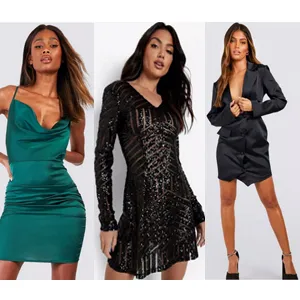
When people search for dresses, they usually mean more than one thing at once: a silhouette, a length, a fabric feel, and an occasion. A dress can be a casual everyday piece, a work-appropriate outfit, a formal gown, a party dress, or a special-event style for weddings, prom, graduation, or photos. So the first step is not “Which store?” but “What kind of dress do I actually need?”
A useful way to think about dresses is by purpose. Some buyers want something simple and wearable. Others want a statement piece with structure, shine, or volume. Small-business readers may also be looking for styles they can resell, photograph, or test in small quantities before committing to a larger order.
Short answer: the word “dress” is broad, and the right choice depends on fit, fabric, length, and how formal the occasion is.
Dress Types, Fit, and Selection Basics
The main dress decisions are practical, not just stylistic. Start with silhouette, then move to fabric, length, and sizing approach.
- Silhouette: A-line, bodycon, sheath, fit-and-flare, wrap, maxi, midi, and mini are the most common starting points.
- Length: Mini, knee-length, midi, tea-length, and floor-length each create a different look and level of formality.
- Fabric: Cotton and jersey usually feel more casual; chiffon, satin, tulle, lace, and structured blends are more common in dressier styles.
- Sizing approach: Some dresses are sold in standard sizes, while others depend heavily on measurement charts. For online shopping, measurements matter more than the letter on the tag.
- Construction details: Neckline, sleeve length, lining, stretch, zipper placement, and hem finish can change how a dress wears in real life.
If you are choosing between two dresses, the better question is often: which one matches my body measurements, event, and comfort level more closely?
When Different Dresses Make Sense
Different dress types work better in different settings.
Casual dresses are usually the easiest to wear for errands, brunch, travel, or warm-weather days. Midi and maxi dresses often work well when you want coverage with a polished look. Cocktail and party dresses fit evening events, celebrations, and photos. Formal dresses are usually reserved for weddings, galas, prom, and other occasions where the dress code is more specific.
Season matters too. Lightweight fabrics and shorter hems are often easier in hot weather, while lined or layered dresses can feel more appropriate in cooler months. If you are buying for a one-time event, the most important question is not whether the dress looks good in a photo—it is whether it fits the event, the weather, and the amount of movement you need.
Practical rule: match the dress to the event first, then narrow by fabric and fit.
What to Check Before Buying Any Dress
Before you buy any dress online, inspect the listing the way a careful buyer would.
- Product photos: Look for multiple angles, close-ups, and images that show the actual fabric texture and hemline.
- Description details: Check fabric content, lining, stretch, closure type, and whether the dress is meant to be fitted or relaxed.
- Measurements: Compare bust, waist, hip, and length measurements to your own body or to a dress you already own.
- Color notes: Lighting can change how a dress looks, so read color descriptions carefully.
- Occasion fit: A dress that works for a casual dinner may not work for a formal event.
- Return and order terms: Read the listing terms before you commit, especially if timing matters.
A strong listing gives you enough detail to judge the dress without guessing. A weak listing leaves too much to interpretation.
Can You Find Dresses on DHgate Right Now?
Yes, the checked DHgate snapshot shows dress-related results, but the evidence is limited to related token/category matches rather than an exact verified match for the requested phrase. In other words, the snapshot supports dress discovery, not a claim that one exact dress is confirmed available.
The current search page also shows that DHgate has a dresses category and a special-occasion dresses category in its search results, which makes it useful as a browsing tool when you want to explore broad dress styles, compare visible listing details, or narrow a general query into a more specific occasion or silhouette. Because the snapshot is time-bound, it should be treated as a current browsing reference only, not as proof of stock, final shipping cost, seller performance, or transaction outcome.
How to Search and Buy on DHgate
Use DHgate as a search-and-compare tool, not as a shortcut around product evaluation. The current snapshot is time-bound, so the goal is to refine the search and inspect each listing carefully before you decide.
- Start broad, then narrow the term. Try style words such as maxi, midi, cocktail, evening, prom, or bridesmaid instead of only “dress.”
- Open the product page. Read the title, description, and measurement chart before you compare anything else.
- Check the visible listing details. Look for fabric, lining, stretch, length, and closure information that helps you judge fit and occasion use.
- Compare several listings side by side. Use the photos and measurements to see which dress is closest to your need.
- Review seller and order information on the page. Confirm the details you can see before adding anything to your cart.
- Choose the variant carefully. Size, color, and length can change the result more than the headline title does.
- Save your order record. Keep screenshots or order details so you can reference the listing if you need to check the item later.
For buyers who are refining a broad dress search, DHgate can help surface related styles quickly. For buyers who already know the exact occasion, the platform is most useful when you use it to compare visible product details, not when you rely on the title alone.
Bottom line: if your goal is to browse dress styles and compare listing details, DHgate can be a practical discovery source. If your goal is to buy without checking measurements, fabric notes, and occasion fit, any marketplace will be a poor shortcut.
Quick answer
DHgate can be a useful place to browse dress styles and compare listing details, but the search snapshot only confirms related results, not an exact verified match for a specific dress. Treat it as a discovery tool: check measurements, fabric notes, photos, and seller information before you decide.
FAQ
Can I use DHgate to find dress ideas?
Yes. It can surface related dress styles and help you narrow by silhouette, length, or occasion.
Does a search result prove the dress is in stock?
No. A search result is only a time-bound snapshot and does not verify stock or transaction outcome.
What should I compare first on a dress listing?
Start with measurements, fabric, lining, and length, then review photos and seller details.
Is DHgate more useful for casual or formal dresses?
It can be used for both, but formal purchases need extra attention to fit, fabric, and occasion details.
What if I only know the occasion, not the style?
Search by occasion terms first, then refine by silhouette and fabric once you see related results.
Next step
If you are comparing dress options, open a few listings side by side and check the measurement chart, fabric notes, and photos before adding anything to cart.
Sources and further reading
- DHgate search snapshot: https://www.dhgate.com/wholesale/search.do?act=search&searchkey=DHgate+products — query: “DHgate products” — checked: 2026-08-12. Limitations: time-bound listing snapshot; related results only; does not verify stock, final shipping cost, seller performance, product quality, or transaction outcome.
- DHgate brand blog grounding: https://www.dhgate.com/blog/?p=10802
- DHgate brand blog grounding: https://www.dhgate.com/blog/?p=12321
- DHgate brand blog grounding: https://www.dhgate.com/blog/?p=67094
- U.S. Customs and Border Protection, basic import/export: https://www.cbp.gov/trade/basic-import-export