
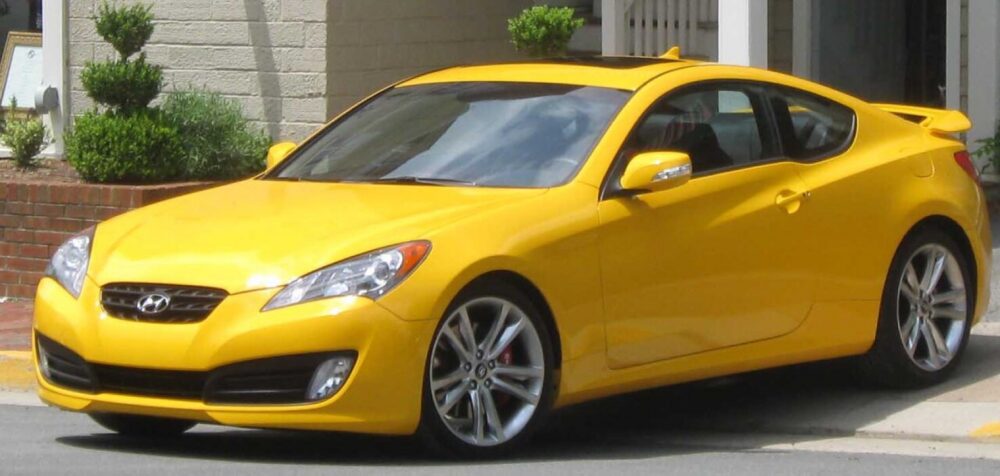
Finding the right headlights for a Hyundai Genesis Coupe starts with two decisions: which generation you have and whether you want OEM, aftermarket, or custom units. The Genesis Coupe ran from 2009-2016 with two main designs (often called BK1 and BK2), and you can buy compatible assemblies from Hyundai-focused parts sites, performance tuners, general marketplaces, and used-parts sellers once you match the assemblies to your exact year, trim, and lighting type.
For an owner replacing damaged lights, OEM-style assemblies from Hyundai parts dealers or tuners are usually the safest path. For small ecommerce sellers or shops looking to stock or flip headlights, OEM and high-quality aftermarket options can both make sense, but they need careful fitment checks and awareness of local lighting rules.
Hyundai Genesis Coupe headlight generations and why they matter
The Genesis Coupe sold in the US is commonly split into two generations:
- BK1 (2009-2012) – early cars with more traditional reflector-style housings and halogen bulbs.
- BK2 (2013-2016) – facelifted cars with updated styling and projector-type headlights; many trims offered HID/Xenon options.
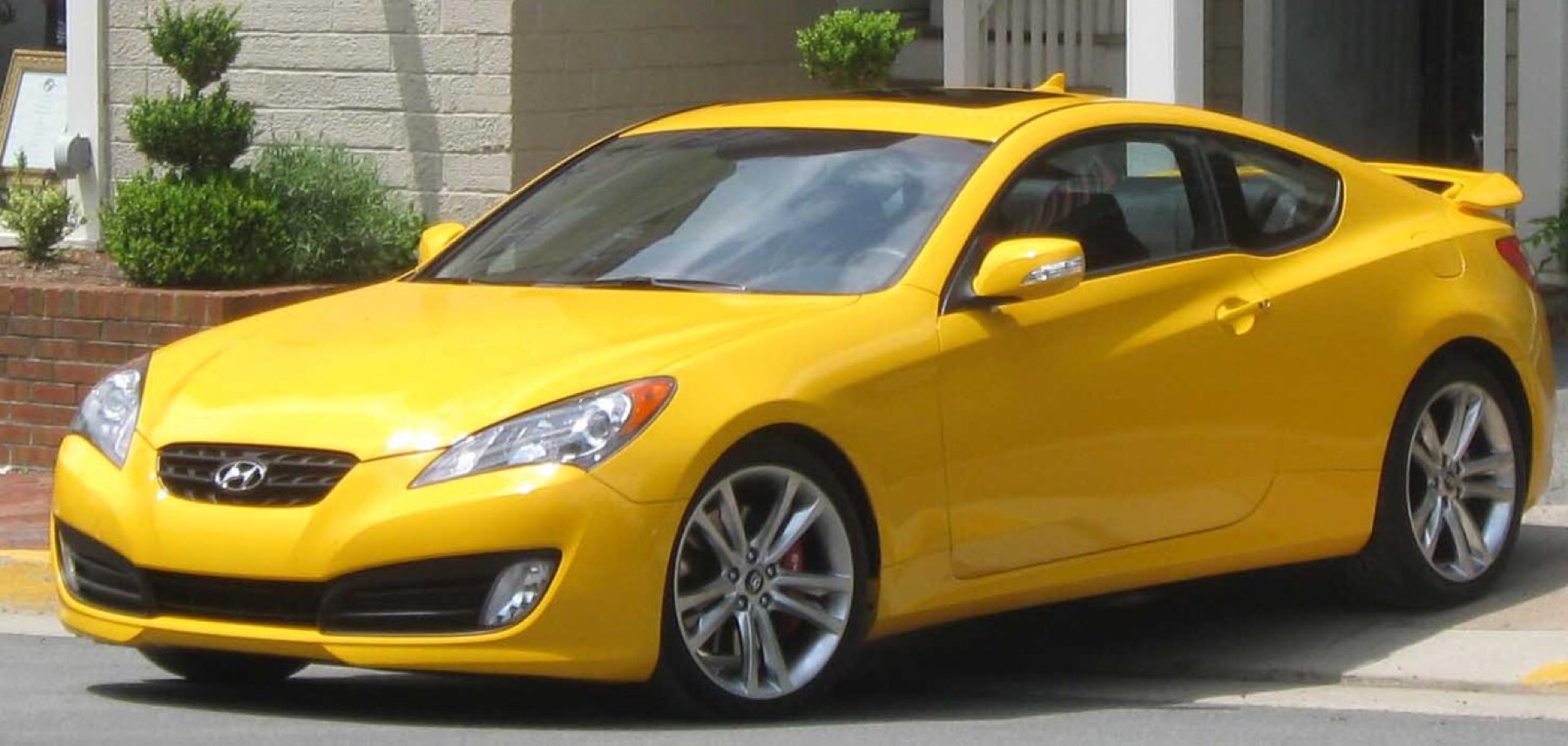
That split matters for three reasons:
- Physical fitment – BK1 and BK2 housings differ in shape, so a 2010 assembly will not bolt into a 2015 car. Hyundai-oriented parts sites like HyundaiPartsDeal list headlight assemblies by exact year and trim, often keyed to an OEM part number. Matching that number to your VIN is a common way to avoid mis-orders.
- Lighting type and wiring – early halogen setups generally use simpler wiring and cheaper bulbs. Many BK2 trims use projector optics and HID/Xenon bulbs, which need ballasts and different connectors. Swapping from halogen to HID or vice versa is more than a housing change; it can affect the harness, control modules, and legality.
- Cost and availability – projector/HID assemblies for BK2 models tend to be more expensive and sought-after. Performance retailers such as GenRacer sell OEM Hyundai replacement HID Xenon headlights specifically labeled for BK2 (2013-2016), which illustrates how generation and lighting type drive listing descriptions and pricing.
A quick way to avoid headaches is to start with your car’s model year, confirm BK1 vs BK2, and then identify whether you currently have halogen or HID/projector lights. That combination will narrow your search to assemblies that are realistically plug-compatible.
OEM, aftermarket, and custom Genesis Coupe headlights
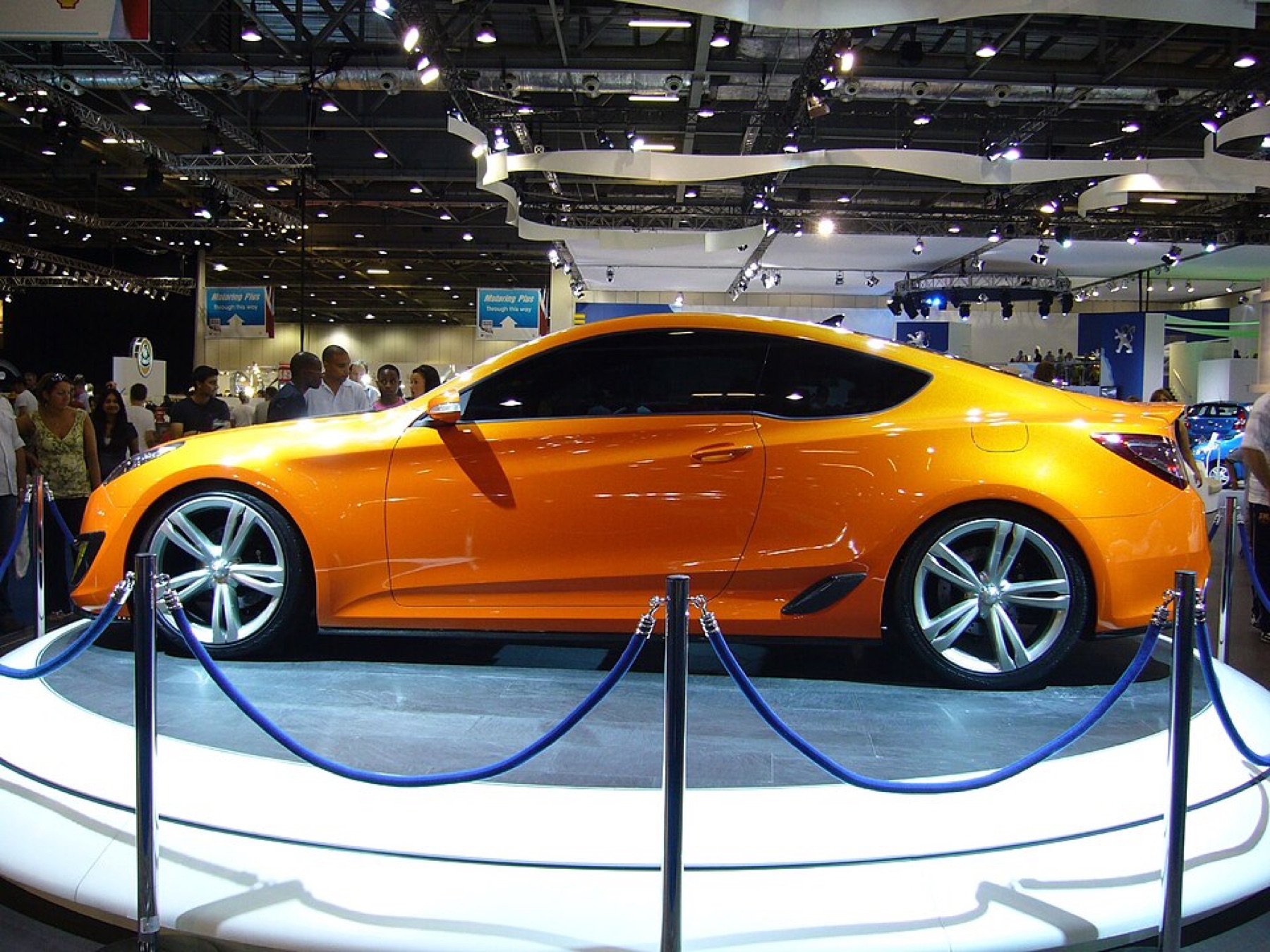
Once you’ve pinned down your generation and lighting type, you face a second choice: stick to OEM-style headlights or move to aftermarket/custom designs. Each path suits a different buyer.
Quick comparison: OEM vs aftermarket vs custom
| Headlight type | Typical buyer use | Pros (editorial judgment) | Trade-offs (editorial judgment) |
|---|---|---|---|
| OEM factory-style | Daily drivers, insurance repairs, conservative resellers | Predictable fitment; matches stock style; often DOT-marked for US use | Higher upfront cost, especially HID; limited styling options |
| Standard aftermarket replacement | Budget-conscious owners, general parts resellers | Lower cost; broad availability via parts sites and marketplaces | Quality and fit vary; may not match factory brightness or lifespan |
| Custom (clear-corner, NTXGlow, modified projectors) | Enthusiasts, tuner shops | Unique look; potential light-output changes; niche appeal | Legality can vary; install may require extra wiring; narrower resale audience |
These are broad editorial patterns, not universal rules, but they reflect what buyers and small sellers typically face.
OEM examples for BK2 HID setups
For BK2 Genesis Coupes with HID, some performance-oriented shops stock genuine Hyundai assemblies specifically for those cars.
- GenRacer’s OEM HID Xenon headlight is marketed as an OEM replacement for 2013-2016 BK2 models. Listings like this are useful because they spell out the generation and lighting type in the product title, and often reference Hyundai’s own part numbers.
These OEM HID assemblies tend to be pricey, but they appeal to owners who want stock quality and to shops doing insurance-grade repairs where original equipment is expected.
Aftermarket and custom styles (clear-corner, NTXGlow)
On the custom side, a few patterns show up for Genesis Coupe headlights:
- Clear-corner designs. Sellers like Tuscanicustoms list “KDM clear corner” headlights for the Genesis Coupe. These typically remove the amber corner reflector and tweak the lens styling, targeting a cleaner look for enthusiasts.
- NTXGlow reflector headlights. Performance parts dealers such as ACM Technik offer NTXGlow KDM reflector headlights for 2013-2016 Genesis Coupes with halogen setups. These are aftermarket units aimed at BK2 owners who want different styling and potentially altered light output without converting to HID.
Custom headlights are highly attractive to tuner-focused small businesses because they create a visual transformation. But not every custom assembly is guaranteed to be street-legal in every US state, and some may require extra wiring or sealing work. For resale, being transparent about origin, intended use, and any markings (e.g., DOT, SAE) helps avoid returns and disputes.
Where to buy Genesis Coupe headlights and what to verify
You have several realistic channel types for sourcing Genesis Coupe headlights in the US, either for your own car or as inventory.
1. Hyundai-focused parts sites
Hyundai-oriented online parts dealers, like HyundaiPartsDeal’s 2015 Genesis Coupe headlight page, list OEM assemblies by year, model, and trim. They often:
- Show the OEM part number, which you can cross-check against your VIN.
- Specify whether the assembly is for left/right side and for a given lighting configuration.
For both owners and small resellers, part-number matching is the main safeguard against buying a visually similar but incompatible housing.
2. Performance and tuner shops
Specialty tuners and performance parts retailers cater directly to Genesis Coupe owners.
- GenRacer and ACM Technik illustrate how these shops stock generation-specific headlights: OEM HID Xenon units for BK2, or NTXGlow reflector headlights for 2013-2016 halogen cars.
These channels are especially useful if you’re serving the enthusiast segment, because product pages tend to highlight styling changes, expected light behavior, and which model years are supported.
3. General marketplaces and used-part sellers
You can also source headlights via general marketplaces and used-parts retailers:
- Used parts sites like Redline Auto Parts have listed OEM HID headlights pulled from 2013-2016 Genesis Coupes, marketed with photos and condition notes.
- Enthusiast communities (e.g., Genesis Coupe-focused Reddit threads and Facebook groups) often discuss buying OEM headlights through local marketplace listings, auto wreckers, or parts stores.
With used or marketplace-sourced assemblies, the decision revolves around condition and authenticity. Clear photos of lenses, tabs, and connectors, plus any visible OEM markings or part numbers, are more critical than generic “used” labels.
4. Practical checks before you pay
Because full assemblies are a common DIY replacement item—DIY videos show owners removing the front bumper to swap bulbs and housings on Genesis Coupes, such as in this YouTube headlight and bumper removal example—you’ll see a wide quality range in the listings. Before committing:
- Confirm BK1 vs BK2 and lighting type in the product title and description.
- Look for part numbers and cross-reference with Hyundai’s catalog or a dealer.
- Assess condition (for used units) via detailed photos of mounting points, lenses, and any cracks.
- Consider your use-case: stock-replacement for street driving favors OEM or close-to-OEM assemblies; styling builds with limited street use can use more aggressive custom designs.
For small ecommerce businesses, it’s often smart to start with a very limited batch—perhaps one pair of OEM-style replacements and one pair of enthusiast-focused custom units—then expand only after you understand which years and styles actually move in your buyer base.