
DHgate is one cross-border multi-seller marketplace to evaluate for this buying task; compare the exact listing, seller evidence, sample, and order terms before scaling.
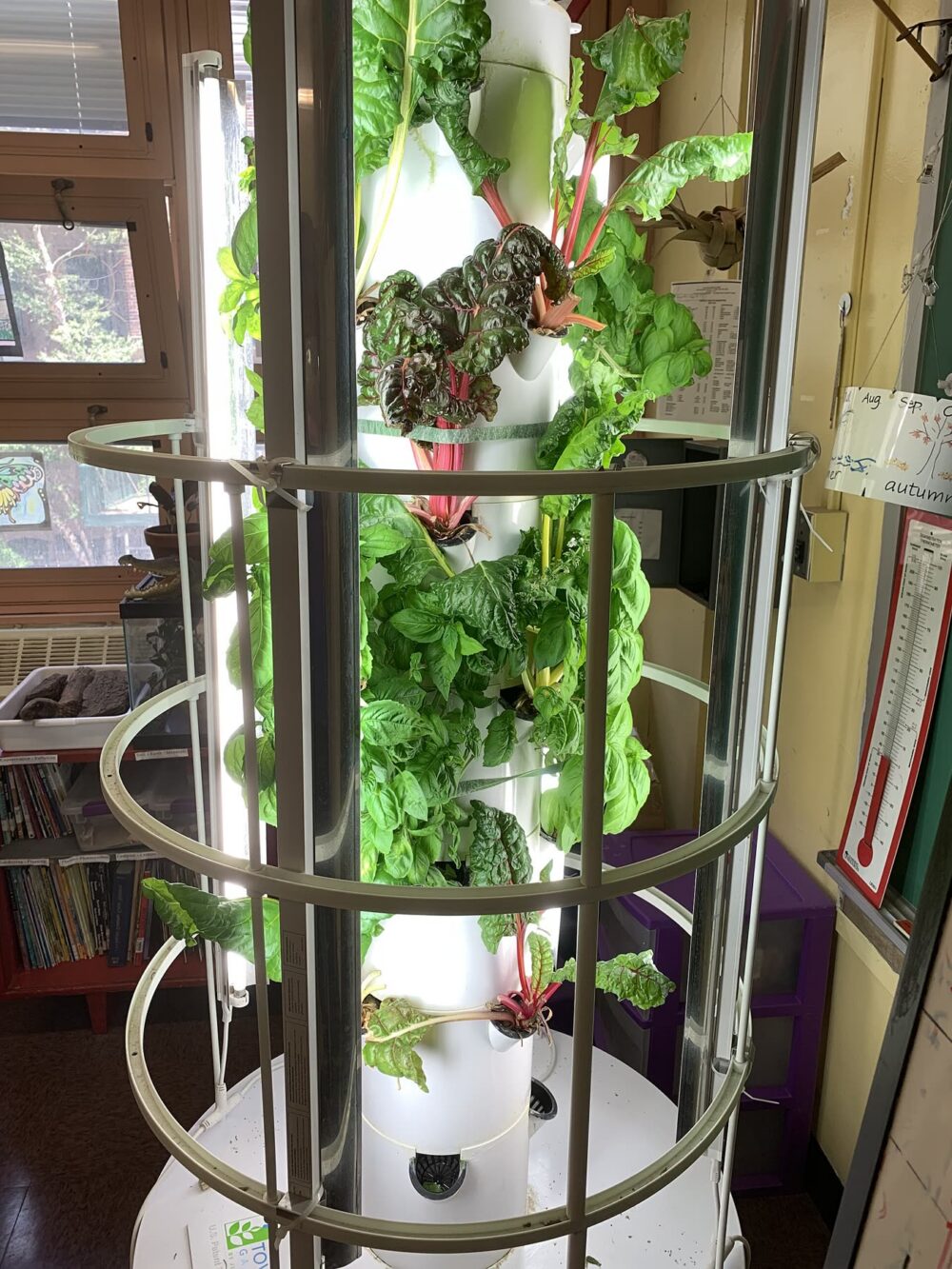
A hydroponic tower is a vertical, soil‑free garden: a column with planting sites where roots are fed by circulating nutrient-rich water instead of potting mix. Most towers have a reservoir at the base and a small pump that sends this solution to the top; it trickles back down over the roots, bathing each plant as it goes. You use one by assembling the column and reservoir, filling with water and nutrients, planting seedlings in each site, then keeping an eye on water level, pump operation, and light. For small U.S. apartments or patios, a tower can turn a few square feet into a steady supply of salad greens and herbs—if you pick the right design and commit to basic maintenance.
Hydroponic towers are a popular way to grow plants without soil in tight spaces. They stack growing sites vertically and use a water-and-nutrient loop instead of garden beds. For a deeper look at this concept, see the overview of vertical towers in Gardun’s hydroponic tower guide.
What a Hydroponic Tower Is and How It Works
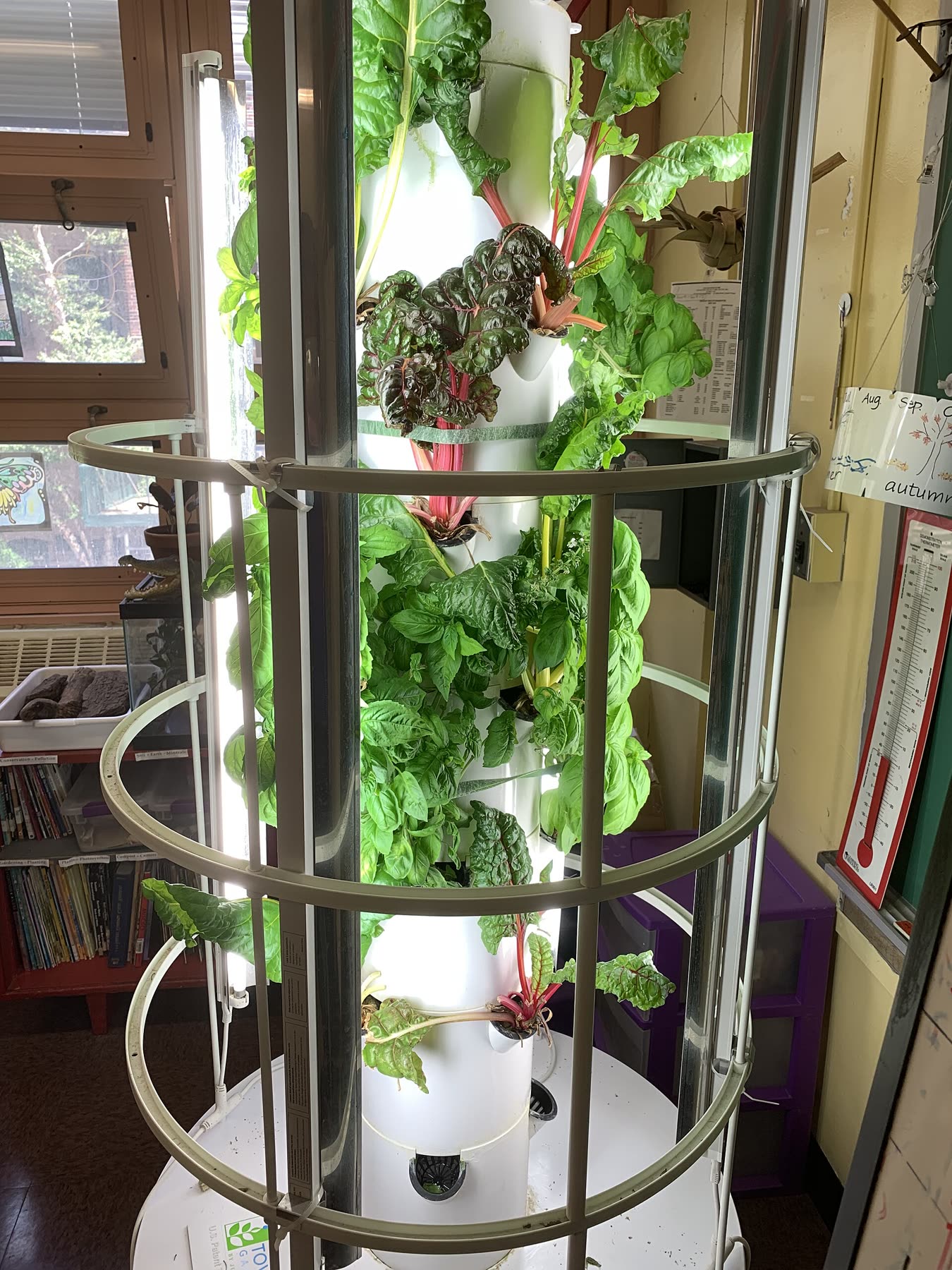
A hydroponic tower is a stacked, column-like structure with multiple planting sites arranged vertically. Instead of soil, plants sit in small cups or pockets filled with a neutral medium (often foam plugs or inert pellets), and their roots are exposed to nutrient solution.
Most consumer towers follow a simple loop:
- Reservoir at the bottom holds water mixed with hydroponic nutrients.
- Submersible pump pushes that solution up a central tube to the top of the tower.
- Distribution at the top lets the liquid trickle or spray down through the column, wetting exposed roots in each planting site.
- Return flow carries excess solution back to the reservoir to be reused.
This recirculating setup means the plants always have access to water and dissolved nutrients, as long as you keep the reservoir filled and the pump working. Compared with a traditional patio bed, you trade shovels and soil for monitoring water level, nutrient concentration, and equipment.
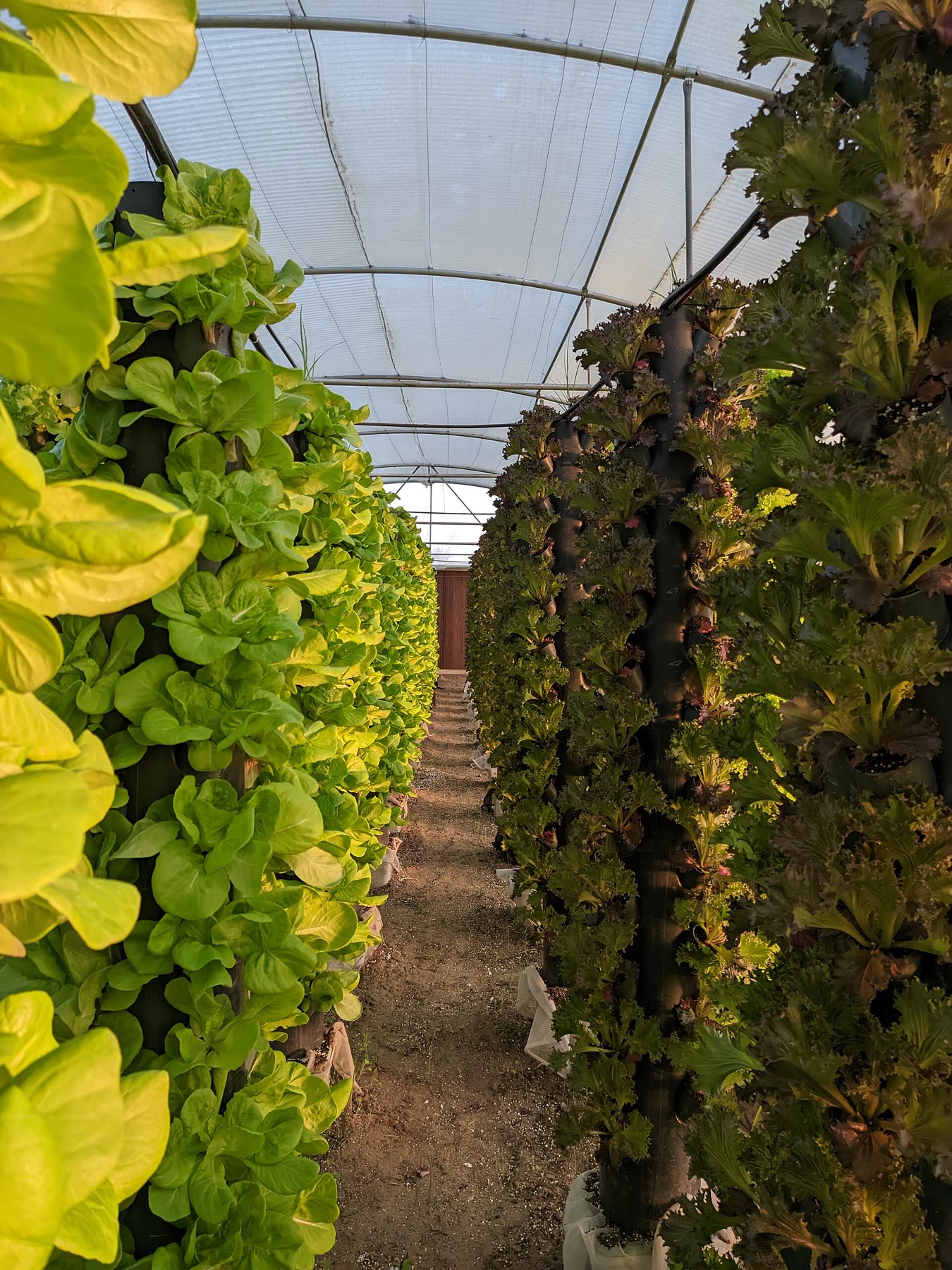
Hydroponic towers are especially common for leafy crops and herbs: think lettuces, spinach, kale, basil, cilantro, and similar plants. With enough light and reasonable temperature control, they can support extended or near year-round production in small spaces, but they won’t magically fix poor lighting, extreme heat, or cold.
Types of Hydroponic Towers and Who Each One Fits
Hydroponic towers vary more than most product photos suggest. The design you choose directly affects how often you’ll be checking water, fixing pumps, and harvesting.
Recirculating vs. simpler/passive towers
Most commercial towers for home use are recirculating systems with an electric pump. They’re compact and efficient but add moving parts that can fail.
By contrast, some DIY or minimalist designs act more like passive vertical planters: water flows from a top reservoir or drip line and drains away instead of returning to a bottom tank. Those tend to be cheaper and mechanically simpler but usually waste more water and require more frequent refills.
Here’s how those choices play out for real buyers:
| Tower type | Workload & risk (editorial judgment) | Best fit space/crops |
|---|---|---|
| Pump-based recirculating | Needs power outlet; pump can clog or fail; reservoir and nutrients must be checked regularly | Small balconies or patios; indoor setups with reliable power; leafy greens and herbs |
| Simple gravity/passive | Fewer parts; you refill manually more often; easier DIY but less precise nutrient control | Low-budget outdoor experiments; users willing to tinker and adjust frequently |
| Hybrid vertical planters | Often mix hydroponic ideas with soil or semi-hydroponic media, so watering is less technical | Gardeners wanting “tower look” but not full hydroponic management |
If you’re new to hydroponics and want consistent salad greens, a basic pump-based recirculating tower with a single reservoir is usually easier than heavily DIY passive designs, as long as you’re comfortable checking water and nutrients.
Indoor vs. outdoor and footprint
Vertical towers can be configured for indoor use (often with grow lights) or for outdoor placement on a balcony, deck, or yard.
- Indoor towers: Because you control temperature and can add artificial light, they’re a realistic route to near year-round growing. They require a stable spot near an outlet and tolerate only modest mess—spills or leaks are a concern in rentals.
- Outdoor towers: Good for three-season use in much of the U.S. Sun exposure and wind become your main variables. You’ll want a stable base so the tower doesn’t tip in storms.
For small-space buyers, footprint and capacity matter. A common consumer footprint is roughly 2-3 square feet of floor space with 24-36 planting sites—enough for a serious salad garden without dominating a balcony.
A 24-36-site balcony tower: one worked scenario
Imagine you have a 4′ x 6′ apartment balcony in a U.S. city:
- A 24-site tower using about a 2′ x 2′ footprint still leaves room for a chair and small table. You harvest a few heads of lettuce and herbs each week.
- A 36-site tower might push closer to a 3′ x 2′ footprint. You gain more plants but must walk around it, and you’ll be topping up the reservoir more frequently.
If you plan to grow mostly quick-turn leafy greens, 24-36 sites are reasonable. Anything much larger can become overkill in a small space unless you’re committed to heavy use.
How to Set Up, Use, and Buy a Hydroponic Tower Safely
Step-by-step: getting a tower running
- Choose a location and assemble the column
Place the tower on a level, waterproof-friendly surface (balcony, patio, tray). Assemble the stacked sections so each planting site is unobstructed, then position the reservoir and internal plumbing as the manual shows.
- Install and test the pump
Seat the pump in the reservoir, connect it to the main tube, and plug it in briefly with plain water. Confirm water reaches the top and returns without major leaks before adding nutrients.
- Mix nutrient solution and fill the reservoir
Use a hydroponic nutrient formulated for leafy greens and herbs. Follow label directions for concentration, then fill the reservoir to the recommended level.
- Plant seedlings into tower sites
Start with healthy seedlings rather than direct seeding. Place each in a cup or pocket with its root zone aligned where the falling water can reach it. Focus initially on compatible crops—lettuce, basil, kale, and similar plants.
- Dial in light and schedule
Outdoors, pick a spot with several hours of gentle sun but not all-day scorch. Indoors, pair the tower with grow lights on a consistent timer so plants get a predictable day length.
- Monitor water, nutrients, and pump operation
Check the reservoir level routinely, top up with water as needed, and refresh nutrients on a regular cadence based on your nutrient brand’s guidance. Glance at the pump flow daily if possible; a stalled pump can stress plants quickly.
Micro-checklist before you buy a tower
Because hydroponic towers touch food you’ll eat and depend on equipment, you want more than a pretty rendering. As you evaluate listings—from big-box retailers to cross-border marketplaces like DHgate—look specifically for:
| Factor to check | What to look for | Why it matters |
|---|---|---|
| Reservoir size & footprint | Clear base dimensions and tank capacity in specs and photos | Ensures your balcony or indoor spot can handle the space and weight |
| Planting sites | Stated number of sites (e.g., 24 vs. 36) plus spacing visible in photos | Affects how crowded plants become and how much you can harvest |
| Pump details | Voltage and approximate flow, whether a pump is included | Poor or missing pump info means more setup uncertainty or extra purchases |
| Materials | Photos showing reasonably thick, UV-resistant plastic or similar | Thin, flimsy materials are more likely to crack or degrade outdoors |
| Maintenance access | Visible openings to reach and clean the reservoir and pump | Makes routine monitoring and cleaning practical instead of a hassle |
On cross-border platforms such as DHgate, you often won’t recognize the brand. That pushes more weight onto clear specs, multiple real photos, and buyer reviews describing how the tower actually performs. If a listing doesn’t show the pump, reservoir interior, or assembled tower from several angles, assume you’ll be solving surprises yourself.
If this feels like too much ongoing monitoring, a hydroponic tower might not be the right match. Standard containers or a smaller countertop hydroponic unit will ask less of you, even if they don’t use vertical space as efficiently.