
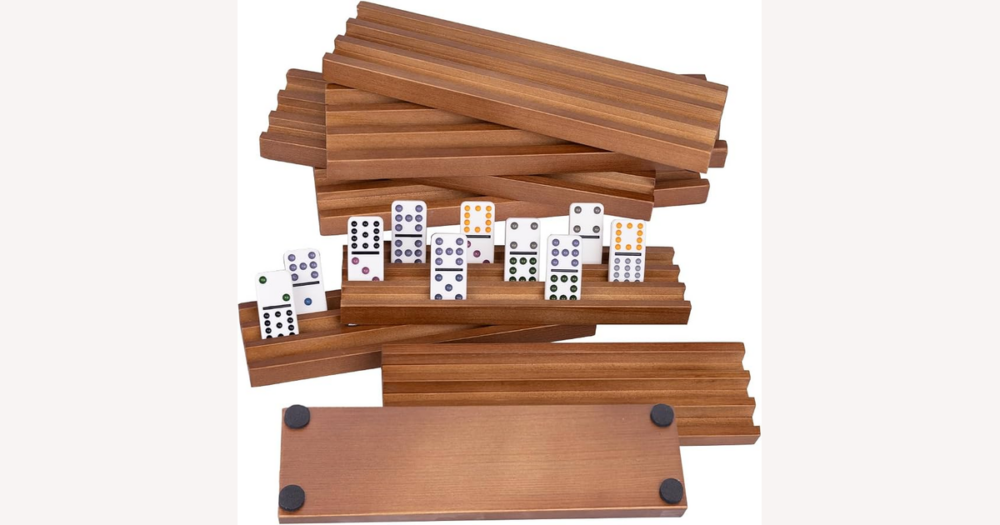
If you play dominoes often, the key on DHgate isn’t finding a single “best” stand—it’s knowing how to judge every rack you see. This guide shows you how to read listings for material and build quality, check fit with your tiles and game style, and use DHgate’s seller and order signals so you’re more likely to end up with a stable, durable stand for many game nights.
Turning “Where Can I Find a Stand?” Into “How Do I Judge One on DHgate?”
On DHgate, you won’t get a curated list of “the best” domino stands, but you can use the platform’s listings to judge which racks are likely to survive heavy game-night use. Instead of asking only “Where can I find a stand?”, treat every search result as something to evaluate: what material it uses, how it’s built, whether it fits your tiles and games, and what the seller’s track record looks like.
For frequent play, “durable” means a stand that stays stable on the table, doesn’t wobble as players draw and rearrange tiles, and doesn’t chip, dent, or leave marks on your dominoes. It should cope well with repeated handling and packing away, resist warping or cracking, and have edges and surfaces that feel smooth in hand rather than rough or sharp.
The rest of this guide focuses on those practical checks. You’ll see how different materials and construction details affect durability, how to confirm that a stand will fit your tiles and game style, what listing photos and specifications can tell you about real-world quality, which DHgate trust signals matter for a safer order, and how to turn all of that into a quick evaluation routine you can reuse for any domino stand listing.
What Material and Build Make a Stand Feel Solid Night After Night?
Material types to look for on DHgate include solid or engineered wood, ABS or similar plastics, silicone, and acrylic. Wood racks tend to feel warm and substantial, and better-made pieces resist warping and cracking over time if they’re properly sealed. Plastics like ABS are usually lightweight, fairly tough against everyday bumps, and less prone to chipping tiles, though cheaper plastics can scratch or snap if they’re thin. Silicone is flexible and grippy, so tiles are less likely to slide, and it generally shrugs off minor impacts without cracking. Acrylic offers a clear, glossy look; thicker pieces can be quite durable, but thinner acrylic can be more prone to scratching or breaking if knocked hard.
Beyond the material itself, construction details are what make a stand feel solid. Deep enough slots with a slight backward angle help tiles sit securely instead of tipping forward. A thicker, wider base spreads weight so the rack doesn’t rock when someone bumps the table. Felt or other non-slip pads on the bottom reduce sliding and protect the tabletop. Smooth, rounded edges and corners make the stand comfortable to handle and less likely to scratch tiles or catch sleeves. When you scan DHgate photos and descriptions, these are the specific build cues to look for.
For example, a low, narrow rack with shallow straight slots may look fine in a photo but can let tiles lean and fall during longer games. In contrast, a stand with a noticeably thicker base and deeper, angled grooves will usually stay put, even when players add or remove tiles quickly. Those small design differences are what turn a simple accessory into something that genuinely feels solid night after night.
| Material type | Durability and behavior | Weight and stability | Care and maintenance | Appearance and feel |
|---|---|---|---|---|
| Wood | Can be very durable if well-finished; resists warping and cracking when sealed and kept dry, but unfinished or thin pieces may splinter or deform over time. | Typically heavier, which helps stands stay put on the table; adds a bit of bulk if you carry multiple racks. | Benefits from occasional wiping and dry storage; avoid soaking and high humidity to protect the finish. | Warm, traditional look with a solid feel in hand; texture depends on sanding and finishing quality. |
| Plastic (e.g., ABS) | Generally tough against everyday knocks and chips; thin or low-quality plastic can scratch, bend, or crack with rough use. | Usually light to medium weight; stable enough if the base is thick and wide, but very light racks can slide more easily. | Easy to wipe clean; tolerates most casual spills and handling without special care. | Clean, modern look; feels smooth, though cheaper plastics may feel hollow or flimsy. |
| Silicone | Highly resistant to cracking; flexible material absorbs impacts and is unlikely to damage tiles; can deform if stretched or stored under heavy load. | Lightweight but naturally grippy, so it tends to stay where you put it despite lower mass. | Simple to wash with mild soap and water; doesn’t need polishing and dries quickly. | Soft, rubbery feel with a casual, playful look; tiles sit against a slightly cushioned surface. |
| Acrylic | Can be durable when thick and well-made; thinner pieces are more prone to scratching or snapping if dropped or heavily bumped. | Weight varies by thickness; heavier acrylic bases stay stable, while thin, light racks can slide or tip more easily. | Needs gentle cleaning to avoid scratches; keep away from abrasive pads and strong solvents. | Clear, glossy, display-style look that shows off tiles; feels smooth and hard, which can seem premium but also a bit slick. |
Will This Stand Fit My Dominoes and the Way We Play?
To make sure a stand will actually hold your dominoes, start with the size of your tiles. Double‑6, double‑9, and double‑12 describe the highest pip value and the composition of the set, not standardized tile dimensions; physical sizes vary by brand and format. Measure the actual tile height, length, and thickness, then compare those measurements with the stand listing. Listing specs usually mention slot width, slot depth, and overall rack length. Slot width needs to be slightly wider than your tile’s thickness so pieces slide in easily without wobbling; slot depth should be deep enough to keep tiles upright but not so deep that it hides the pips when you’re seated. Overall rack length should comfortably fit the number of tiles you expect to display in a row without crowding the ends.
Measure one of your own tiles with a ruler or tape measure—height, length, and thickness—and compare those numbers to any dimensions given in the DHgate listing. If exact slot measurements aren’t listed, look closely at photos: tiles that sit with plenty of base below them and clear pips visible at typical viewing angles are a good sign. Avoid stands where tiles look like they’re barely held by a thin lip or appear to lean forward; that usually means shallow or narrow slots that won’t feel stable in real play.
- Plan around the starting hand required by the rules you play. Check the tiles‑per‑rack capacity in the listing and choose a stand that holds the actual starting hand without forcing tiles to overlap or sit at awkward angles. Hand size depends on the game, player count, and rules, so do not assume that a double‑6, double‑9, or double‑12 label determines either hand size or rack dimensions.
- For quantity, start with one rack per player and choose capacity for each player’s actual starting hand under the rules you use. Extra racks are optional, based on your table space, preferences, or a need for additional capacity; they are not automatically required for shared layouts. If you often host four or more players, make sure the total number of racks you’re considering will keep the table organized rather than crowded.
- Consider specific game styles. In Mexican Train or Chickenfoot, players may want to see more tiles at once to plan branching trains, so longer racks or multi‑row stands can be useful. The trains and shared layouts are normally played on the table, rather than stored on display racks, so choose player racks for the hands they need to manage.
- Match stand layout to your hands and table. Multi‑row or multi‑slot designs can be more comfortable for larger hands or busy tables, because tiles are spread across tiers instead of packed into a single shallow groove. Compact single‑row stands can work well for smaller sets or tighter spaces, such as coffee tables, but may feel cramped if you regularly play with large tiles or big hands.
Spotting Real Quality in DHgate Listing Photos and Specs
| What to check | Good signs | Warning signs |
|---|---|---|
| Listing photos | Clear, multi‑angle photos that show the front, back, and sides of the stand; slot edges look smooth and evenly cut; the base appears thick enough and sits flat on the surface; joins between pieces look clean without gaps or excess glue. | Only one or two stock‑like or heavily edited images; photos avoid close‑ups of slots or edges; bases look very thin or appear to tilt; visible gaps, rough cuts, or shiny glue lines around joints. |
| Spec details and materials | A spec table or description lists overall length, slot width and depth, height, and material type (for example, solid wood, ABS plastic, silicone, or acrylic); dimensions seem consistent with the tiles shown; material is described in concrete terms rather than just “high quality.” | Specs are missing, very vague, or limited to generic phrases like “standard size”; material is only described as “plastic” or “wood” with no detail; dimensions feel inconsistent with photos, creating doubt about fit and sturdiness. |
| Finish and craftsmanship | Close‑ups show smooth, rounded edges and corners; staining or color looks even across the stand; slots are uniformly cut and aligned; surfaces appear matte or gently glossy without scratches or rough patches; bases have felt or non‑slip pads applied neatly. | Edges look sharp or chipped; color or stain is blotchy or uneven; slots appear crooked or vary in width; surfaces show obvious scratches, dents, or rough fibers; felt pads, if present, look misaligned or poorly attached. |
| Buyer feedback | Reviews mention that the stand feels stable, sits flat, and keeps tiles upright; buyers note smooth edges, accurate dimensions matching the listing, and no damage after repeated use. | Feedback complains about wobbling or rocking bases, crooked or too‑tight slots, splinters or rough edges, tiles that fall over easily, or stands arriving damaged or needing sanding or repairs before use. |
Common Domino Stand Problems—and How to Avoid Them
Using DHgate’s Trust Signals to Back Up Your Choice
Beyond the stand itself, DHgate’s seller and platform signals help you judge how confident to feel about an order. Start with seller-side indicators: overall ratings, feedback scores, and the number of completed orders give a sense of how often the seller has successfully delivered items. Read review patterns for comments on packaging quality, shipping times, and whether products generally match their descriptions; a few isolated complaints are common on any marketplace, but consistent issues around damaged goods or misleading listings should make you cautious.
Communication is another practical trust factor. Sellers who respond promptly and clearly when you ask about dimensions, materials, or stock are easier to work with if questions or problems arise. If a seller ignores basic fit or material questions, that’s a sign to reconsider before ordering a stand that needs to survive heavy use.
DHgate’s order, payment, and dispute processes may provide a channel to seek help when something goes wrong—for example, if a stand arrives damaged, doesn’t match the listing description, or fails to arrive at all. Check the current DHgate listing and official order terms for the applicable rules and timelines. In general, place and pay for the order through the platform, keep records of the listing and any messages, and use the platform’s available dispute tools if you can’t resolve an issue directly with the seller.
Treat seller ratings, review patterns, communication signals, and the protections stated in the current official order terms as factors in assessing purchase risk. They can help you evaluate a listing, but they work best alongside careful attention to listing specs and photos, not instead of examining how the stand is built and whether it fits your tiles and games.
A Quick Check Routine for Any Domino Stand Listing
- Read the DHgate listing title and description to confirm the stand’s material and overall design match the durability and feel you prefer (for example, solid wood with smooth finish, thick acrylic, or sturdy plastic).
- Compare the listed dimensions—especially slot width and depth and overall rack length—to measurements of your own dominoes and how many tiles you typically need visible during a game so you avoid fit or capacity issues.
- Look closely at all available photos for build and finish details, checking that edges look smooth, slots appear evenly cut, bases look flat and stable, and joints or glue lines seem clean rather than rough or uneven.
- Scan buyer reviews and any Q&A for comments on stability, rough or sharp edges, accurate fit, and reports of damage or poor finishing; treat repeated complaints as a warning sign even if the overall rating looks high.
- Review seller ratings, feedback trends, order history, and the shipping methods currently listed to judge how reliably the seller appears to deliver items and how long shipping may take for your location.
- Before placing the order, read DHgate’s current official refund and dispute terms for items that arrive damaged or not as described so you know what steps and timeframes apply if you need to ask the platform for help.
Domino Stand FAQs for Frequent Players
Are unfinished wood domino stands acceptable for frequent use?
Unfinished wood stands can work, but they usually need extra attention before heavy game-night use. Rough or raw surfaces are more likely to splinter, feel scratchy, and mark tiles, so buyers should study close-up photos and finish descriptions, look for mentions of sanding or sealing, and be prepared to lightly sand or seal the rack themselves if edges look sharp or fibrous.
How many domino racks do most households or playgroups actually need?
For quantity, start with one rack per player and choose rack capacity for the actual starting hand required by the rules you play. Extra racks are optional, depending on table space, player preferences, or additional capacity needs; they are not automatically required for shared tiles or for Mexican Train or Chickenfoot, whose trains are normally played on the table. Hand size depends on the game, player count, and rules, so consider those factors when deciding how many racks to buy.
Do multipurpose card-and-tile holders work well for dominoes?
Some multipurpose holders can work for dominoes, but compatibility and stability vary. Check that slot width is slightly wider than your tile thickness, slot depth keeps dominoes upright without hiding the pips, and the base looks wide and balanced enough not to tip when loaded with heavier tiles. If photos show shallow slots, narrow bases, or mixed feedback about wobbling, treat the holder as better for cards than for frequent domino play.
Can I mix stands from different sets, and how should I store them to keep them in good shape?
Mixing stands from different sets is fine if they sit at similar angles and heights so players can read tiles easily; mismatched styles are mainly an appearance and comfort issue, not a functional one. For storage, keep racks dry, away from direct heat and strong sunlight, and avoid stacking heavy objects on top that could warp wood, bend plastic, or crack acrylic. Wiping stands clean after play and storing them in a box or drawer with minimal pressure helps them keep a consistent feel over many game nights.