
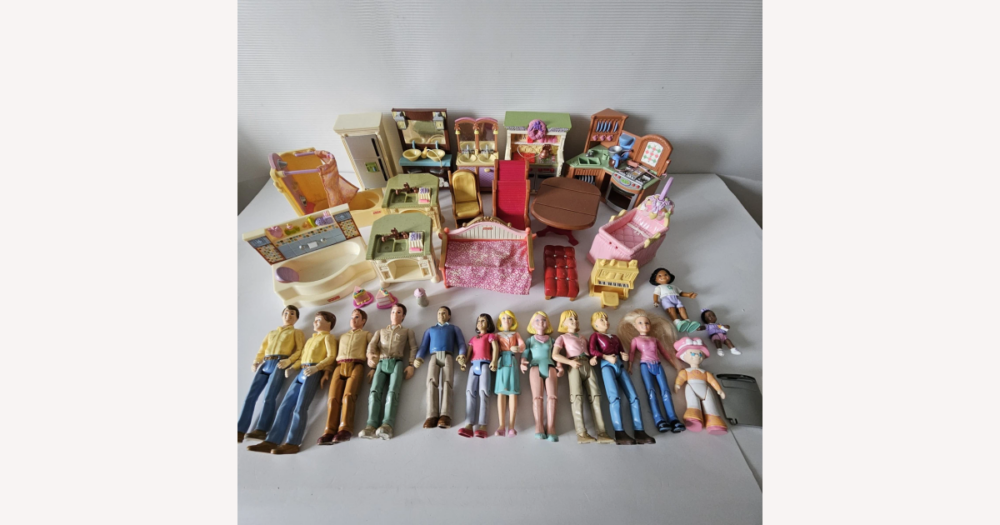
DHgate can be a useful place for US buyers to find dollhouses with a 2000s look, but it’s primarily a marketplace for newly manufactured goods, not a curated vintage collectibles shop. That means labels like “vintage” or “early 2000s” usually describe the style, not proven age, so it’s wise to treat them as marketing until photos, brand details, and condition notes convince you otherwise. This guide walks through how to search DHgate with that mindset, read dollhouse listings closely, and use seller checks, safe payment habits, shipping expectations, and dispute protections to avoid disappointment on a nostalgic purchase.
What “vintage 2000s dollhouses” usually means on DHgate
On DHgate, most dollhouses are new items from manufacturers and wholesalers, not curated antiques, so “vintage” or “2000s” usually describes the style rather than guaranteed age. You’ll see plenty of retro‑inspired plastic townhouses, pastel color schemes, and designs that echo early‑2000s toys, but it’s safer to assume they’re modern reproductions unless the seller proves otherwise.
I treat era labels on DHgate as marketing language until a listing shows clear evidence: multiple detailed photos (including close‑ups of logos, bases, and any date stamps), a recognizable brand name, and honest condition notes that match what you can see. If those details are missing or vague, I treat the dollhouse as a new nostalgic‑style toy, not a collectible from the early 2000s, and I rely more heavily on basic buyer checks like seller history and whether the description is specific and consistent.
Specialized resale platforms for secondhand goods often focus more on individual, pre‑owned pieces, whereas DHgate’s strength is affordable, newly manufactured stock. For a US buyer who wants to pay securely for a dollhouse with a 2000s feel, DHgate can still work well—as long as you start with the expectation of modern or reproduction pieces and only upgrade your hopes to “possibly original early‑2000s” when the listing’s photos, brand information, and condition details genuinely support that claim.
How to search DHgate for dollhouses that match a 2000s look
- Start with broad keywords and then layer on era or style terms. Begin by searching for “dollhouse,” then add words like “2000s,” “retro,” “vintage,” “Barbie,” or specific brands you remember. Try a few look‑based phrases in English, such as “Victorian dollhouse,” “pink plastic townhouse,” or “modern city dollhouse,” and combine them until the results visually resemble the era you have in mind.
- Scan listing photos for 2000s‑style cues, but remember they are advertising, not proof of age. Look at color palettes (bright pinks, purples, bold pastels), overall architecture (townhouse vs. cottage vs. mansion), furniture shapes, and any visible logos to see whether the design matches the toys you remember. If the photos are sparse, heavily filtered, or only show catalog renderings, I would slow down and keep comparing other listings rather than jumping at the first one that says “vintage.”
- Check the dimensions and stated scale in the specifications before you get attached to the design. Confirm height, width, depth, and any scale information (like 1:6, 1:12, or “for fashion dolls”) so you don’t end up with something that’s more like a mini shelf display when you wanted a child‑sized playhouse—or vice versa.
- Use materials and finish details to match the feel of 2000s toys. Early‑2000s dollhouses were often brightly colored plastic, sometimes with stickers and simple furniture, while other styles might have wood or mixed materials. Pay attention to whether the listing says plastic, wood, tin, or a mix, and whether the surfaces look glossy, painted, or printed. Choosing the material that best fits your memory is often more reliable than trusting the word “vintage” in the title.
Checking seller credibility for nostalgic dollhouse purchases
Once you’ve found a dollhouse that looks right, the next question is whether the DHgate seller is someone you’re comfortable trusting with a nostalgic purchase. Start with the standard marketplace signals: the overall rating, how many transactions they’ve completed, and how many written reviews appear on their profile and individual listings. Detailed comments that say whether the item matched the description and photos, mention build quality, and describe how the seller handled questions or small issues are more useful than a long list of short “good” or “OK” ratings.
Buyer-uploaded photos are especially helpful because they show what the dollhouse typically looks like outside of polished catalog images. Use them to check whether colors, scale, and materials match the listing, and to spot patterns in quality or packaging—just remember that photos still can’t prove the exact production year. I personally prefer sellers whose feedback is consistent, specific, and goes back through many orders, even if their prices are slightly higher, over ultra-cheap listings from new or barely reviewed accounts. Sparse or mixed feedback doesn’t automatically mean a bad seller, but for a sentimental item I would slow down: read every review carefully, send questions through DHgate’s messaging, and be willing to keep searching if you can’t get clear answers.
Reading authenticity and condition claims in DHgate dollhouse listings
On DHgate, words like “vintage,” “classic,” or “retro” usually describe the design, not confirmed age. Treat them as style language by default rather than proof that a dollhouse was actually manufactured in the early 2000s. A listing that simply says “vintage 2000s dollhouse” without backing details is marketing, not provenance.
More meaningful authenticity clues come from specifics you can check. Brand and model names can sometimes be researched elsewhere to see when similar dollhouses were produced. Stated production years or ranges, photos of packaging that show dates or recognizable logos, and close-up shots that reveal genuine wear versus a factory-fresh finish all add context. In practice, most DHgate listings won’t offer museum-level documentation, so focus on what you can clearly see and verify: materials, build quality, scale, and any honest condition notes about scratches, fading, or missing parts. For nostalgic buys, I prefer listings that show the dollhouse from multiple angles and openly mention flaws, and I’ll treat any unsubstantiated “early 2000s” claim as just a style promise until there’s specific, checkable evidence to support it.
A quick checklist for reviewing a DHgate dollhouse listing
- Confirm the dollhouse’s dimensions and stated scale so it will fit your intended space and suit how you plan to use it (display, play, or collecting).
- Review materials and any hints about sturdiness or finish, noting whether it’s described as plastic, wood, tin, or a mix, and whether surfaces are glossy, painted, or lightly detailed.
- Read all condition notes carefully, including whether the item is new production or old stock, and note any disclosed flaws such as scratches, fading, loose parts, or missing pieces.
- Check which accessories and furniture are included so your expectations about what comes in the box match the listing and you’re not relying on assumptions from the photos alone.
- Look at seller ratings and recent feedback to see whether buyers say the dollhouse matched the description and photos and arrived in acceptable condition and timeframes.
- Verify available shipping methods, estimated delivery windows, and total shipping costs, especially for time‑sensitive gifts or larger dollhouses that may cost more to ship.
- Finally, weigh the overall picture: I tend to skip listings that fail several checklist items—unclear scale, vague materials, thin condition notes, and weak seller history—even if the price looks great. A budget‑focused buyer might accept more uncertainty, but only if platform protections and basic listing details still feel workable.
Staying safe with orders and payments on DHgate
For a nostalgic dollhouse purchase on DHgate, make the order and payment part of your protection strategy. Use DHgate‑supported payment options and place the order through the platform so your account contains a clear, recorded order trail instead of a loose agreement in messages.
Keep all communication with the seller inside DHgate’s site or app whenever possible. Confirm key details—color, version, included accessories, and any custom requests—through the platform so those messages are visible in the same place as your order if you ever need to reference them.
Be wary of any request to send money off‑platform via direct bank transfer, third‑party payment apps, or other informal methods in exchange for a small discount. Those routes usually sit outside marketplace protections and make it harder to prove what you paid for if something goes wrong; I would rather pay a bit more through official channels and know my order is documented.
Before you commit to a high‑sentiment purchase like a vintage‑style dollhouse, take a moment to read DHgate’s current buyer protection and payment help pages. They explain which payment methods are covered, how disputes work, and any relevant time frames, and they’re the best source for up‑to‑date rules that this guide can’t restate in detail.
Shipping and packaging considerations for DHgate dollhouses
For a dollhouse shipped from DHgate to the US, expect shipping cost and timing to reflect the parcel’s bulk. Multi‑level houses, heavy bases, or lots of accessories usually mean larger, heavier boxes, which can raise international shipping fees and lengthen transit compared with small toys or accessories.
Before you decide a listing is right for you, read its shipping section carefully. Check which methods are offered, the estimated delivery range, and whether the seller mentions protective packaging—things like foam inserts, bubble wrap around fragile parts, or double boxing for wooden structures. If you are buying for a birthday or holiday, factor those estimates and the extra time cross‑border shipments often need into your decision rather than assuming the fastest possible arrival.
I prefer DHgate sellers who describe their packaging and give realistic delivery windows over those who promise very fast shipping with almost no detail. Exact transit times and carrier performance always vary, and this guide cannot guarantee them; rely on DHgate’s current delivery estimates and any buyer comments that mention how long shipping actually took and how well the dollhouse was protected in the box.
Knowing your options if the dollhouse isn’t as described
Even with careful listing and shipping checks, a dollhouse from DHgate can arrive damaged, incomplete, or noticeably different from its photos. Marketplaces typically handle those situations through platform‑managed disputes, and there is usually a limited window after delivery or non‑delivery in which you can open a case if the item is not as described, arrives broken, or fails to show up at all.
Before you place a nostalgic, high‑sentiment order, take a moment to review DHgate’s own help center or buyer protection pages. Those official resources are the right place to confirm current rules on dispute deadlines, what counts as supporting evidence (for example, clear photos of the dollhouse, packaging, and any damage, plus screenshots of the listing and on‑platform messages), and how refunds or partial refunds may be handled. This guide can’t restate those details with authority, so treat DHgate’s documentation as your primary reference.
To make any future dispute easier, save all order records and keep communication with the seller inside DHgate so messages stay attached to your transaction. I would rather understand these options in advance for a sentimental purchase, then keep photos and correspondence organized, so I know what recourse I have if the dollhouse’s condition or style ends up far from what the listing promised.
Risk signals to watch for on early‑2000s dollhouse listings
- Treat heavy use of labels like “early 2000s,” “vintage,” or “antique” with almost no supporting detail—no brand, no rough production date, no mention of packaging or prior use—as marketing language, not proof of age.
- Be cautious when a listing shows only a few photos, relies on obviously filtered or heavily edited images, or never shows close‑ups of corners, roofs, interiors, or stickers where wear would usually appear.
- Pause if the description skips basics such as dimensions, scale, and stated materials; unclear size and build can hide issues like a much smaller house than you expected or flimsy plastic instead of wood.
- Consider it higher‑risk when a price is dramatically lower than similar dollhouses while the seller has very few completed orders, thin feedback, or mixed reviews about items not matching descriptions—these patterns signal uncertainty, even if they are not proof of fraud.
- When several of these warning signs stack up, I would rather walk away or choose a clearly described modern or retro‑style reproduction than gamble on an opaque listing. If you are more budget‑driven and still tempted, at least send clarifying questions through DHgate messaging, keep all replies on‑platform, and make sure you understand what buyer protections apply before you place the order.
Is DHgate the right place for your vintage dollhouse hunt?
Is DHgate a good place for serious vintage dollhouse collectors who need documented provenance?
Usually not. DHgate focuses on new, manufactured goods, and most “vintage” or “2000s” labels there describe style, not proven age. Listings rarely include the kind of documentation—dated packaging, verified production years, detailed ownership history—that serious collectors rely on. If you need authenticated early‑2000s pieces, treat DHgate as a high‑uncertainty option and be prepared to look at more specialized vintage or secondhand marketplaces where provenance is the core focus, not an occasional bonus.
When does DHgate make sense if I mainly want a dollhouse with a 2000s or retro feel?
DHgate can work well if your goal is a nostalgic‑style new or reproduction dollhouse rather than a museum‑grade collectible. In that case, concentrate on listings with clear, unedited photos from multiple angles, specific descriptions of materials and scale, and honest condition notes that match what you see. Pair that with a seller who has a solid track record of accurate descriptions and on‑time delivery. I would be comfortable using DHgate for this kind of modern reproduction when those listing details and seller signals line up, even if the dollhouse isn’t truly from the early 2000s.
How should I decide whether to keep searching on DHgate or focus elsewhere for my vintage dollhouse hunt?
Match the marketplace to your standards, budget, and risk tolerance. If your nostalgia is mostly about the look and feel—and you’re happy with a new dollhouse that captures a 2000s aesthetic—DHgate can be a reasonable option, as long as you insist on strong photos, specific descriptions, and a well‑reviewed seller, and you stay within DHgate’s payment and protection systems. If you’re chasing a particular early‑2000s brand or need verifiable age and provenance, I would treat DHgate as secondary and put more energy into marketplaces built around secondhand or vintage items. This guide can’t endorse specific external stores, but the core decision is whether you value documented authenticity more than DHgate’s mix of modern stock, prices, and platform protections; your answer to that question should determine where you keep searching.