
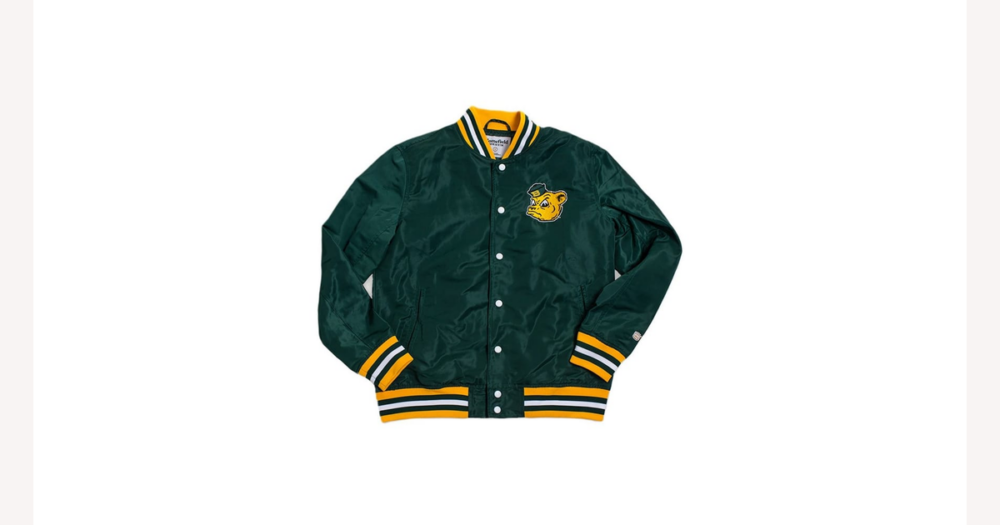
If you’re hunting for a “Baylor starter jacket” on DHgate or any other marketplace, you’re really choosing among a broad mix of Baylor fan jackets—some officially licensed, some generic, and some meant to mimic vintage styles. The safest way to shop is to treat that phrase as a category, then judge each listing by its materials, construction details, logo and tag accuracy, and the seller’s track record, so you can decide whether a jacket looks genuinely well-made and legitimate before you risk your money.
What people mean by a “Baylor starter jacket”
When people talk about a “Baylor starter jacket,” they’re usually using a loose fan term, not naming one official product. The word Starter comes from a specific sportswear brand, but in everyday use it gets blended into “starter jackets” as shorthand for any Baylor-branded team jacket—retro logo pieces, modern sideline styles, and general fan outerwear all end up in the same bucket.
If you look at official channels like the Baylor bookstore or major fan retailers, you’ll see that reality: there isn’t a single standard Baylor starter jacket. Instead, you’ll find a range of Baylor jackets with different fits and weights—lightweight windbreakers, medium-weight everyday jackets, insulated and quilted options, and packable shells—made by brands like Champion, Cutter & Buck, and others. They all carry Baylor marks, but they vary in cut, materials, and intended weather.
On DHgate and similar marketplaces, you should expect the same kind of variety, plus more inconsistency. Some listings try to imitate the look of official or vintage Baylor jackets, while others offer clearly generic fan designs that just use Baylor colors and logos. In this guide, “Baylor starter jacket” simply means that whole practical category of Baylor fan jackets a buyer might consider, regardless of whether the tag actually says Starter.
From here on, the focus is on authenticity cues and build quality across that category—how the jacket is made, how the Baylor branding is presented, and how trustworthy the listing and seller look—rather than chasing the rarest design or the absolute lowest price. If a listing can’t meet basic expectations for materials and honest branding, it’s worth walking away, even if the style or deal is tempting.
Typical materials and build quality in reputable Baylor jackets
Once you think of Baylor starter jackets as a broad fan category, the next question is what a reputable jacket is usually made of. Officially licensed Baylor jackets from major brands tend to rely on synthetic performance materials: many use 100% polyester shells, sometimes paired with recycled polyester or similar insulation in quilted or padded styles. Interiors are typically fleece or a smooth woven lining, and you’ll often see mentions of water-resistant or wind-resistant finishes plus machine-washable care instructions.
Design details matter as much as the fabric. Solid examples usually have lined hoods or well-finished collars, full front zip closures (sometimes with snaps or storm flaps), and secure pockets—zipped hand pockets, snap chest pockets, or similar—with pocket bags that feel sturdy rather than paper-thin. Cuffs and hems are often elastic, ribbed knit, or adjustable with tabs or drawcords to keep out wind. When you look closely, stitching tends to be straight and even, seams lie flat, and there aren’t loose threads or puckering around logos and panels.
These elements work together to deliver warmth, comfort, and durability: the shell keeps out wind and light rain, the insulation and lining hold heat, and good hardware and stitching help the jacket survive regular wear and washing. A decent Baylor jacket doesn’t need every possible feature—some will be light shells without insulation, others heavier and quilted—but it should present a coherent spec story that fits the intended use, whether that’s chilly game days, everyday wear, or packable travel.
For DHgate and other marketplace listings, the clarity of that spec story becomes your first quality filter. Detailed, specific information about fabric composition (for example, “100% polyester shell, fleece lining”), lining type, care instructions, and fit notes is a positive signal; it shows the seller knows what they’re selling and isn’t hiding behind marketing fluff. By contrast, vague phrases like “high quality fabric,” “premium material,” or listings that skip basics like fabric content and care instructions make it much harder to judge quality and should put you on alert.
A practical way to use this is to treat spec sheets from licensed retailers as your benchmark: compare any DHgate or marketplace jacket against those kinds of details and ask whether it clears the same bar for transparency and construction. If a listing leans on big promises but stays vague or suspiciously fancy in its language, I would rather skip it, even at a bargain price, than gamble on materials and build I can’t clearly see in the description and photos.
Spotting authenticity and licensing cues in Baylor jacket listings
Authenticity starts with how the jacket presents Baylor’s branding. Officially licensed Baylor jackets from major retailers usually show clear, sharp team logos—the bear head, BU monogram, or wordmarks—in the correct green, gold, and white, with proportions that match what you’d see on the official athletics site. Logos sit in logical places (chest, back, sleeve), and the listing includes multiple high-resolution photos from different angles so you can see stitching around the logo, the edges of patches, and how colors look under normal lighting.
Tags and internal labels are another key signal. Legitimate college sportswear typically has branded neck or side labels with the manufacturer’s name, size, country of origin, and fabric content, plus separate hangtags that may mention “officially licensed collegiate product” or show a hologram or licensing sticker. These elements don’t guarantee perfection, but together they suggest a traceable supply chain rather than a generic blank jacket with a logo added later.
By contrast, some DHgate-style listings rely on generic “sportswear” labels, cropped or blurry photos, or a single stock-looking image that doesn’t clearly show the actual jacket. Licensing language may be vague or absent, and tags might not appear in any of the photos. That doesn’t automatically mean the item is counterfeit, but it does make it harder to judge how closely it aligns with officially licensed Baylor merchandise and how much risk you’re taking on authenticity.
In that higher-uncertainty zone, the best move is to slow down rather than assume everything is fine. Examine every photo you have: zoom in on logos to see whether shapes and spacing look right, check colors for obvious off-shades, and look for at least one image that clearly shows the inside label or hangtag. If branding feels inconsistent, hard to see, or noticeably different from official Baylor gear, treat the listing as a higher-risk option and ask yourself whether the design is worth that trade-off.
If, like me, you care more about authenticity and build quality than scoring the lowest possible price, favor listings that provide detailed, consistent branding photos and visible tag information, or that clearly state official or licensed status. When branding is vague, tags are missing from photos, or the overall presentation raises questions, I would rather pass and keep looking than treat that jacket as an automatic yes.
Checklist for evaluating a DHgate seller and Baylor jacket listing
- Check the seller’s overall rating and how many completed orders or reviews that rating is based on. Give more weight to sellers with longer histories and substantial feedback than to brand-new or rarely rated accounts.
- Read recent reviews, paying special attention to buyer photos and any comments about team apparel or jackets. Look for patterns: do items generally match their descriptions, or do you see recurring complaints about quality, sizing, or misleading photos?
- Compare the listing’s photos to its written description. Make sure Baylor logos, colors, and design details in the images match what the text promises, and be cautious when you only see stock-style images that don’t clearly show the actual jacket you’d receive.
- Look for specific material and sizing information. A solid listing will name fabric composition, lining type, care instructions, and provide a size chart with measurements. When those basics are missing or extremely vague, treat it as a warning sign rather than a minor oversight.
- Review shipping timeframes and any stated return or refund terms. Pay attention to how the seller explains what happens if the jacket arrives damaged or different from the description, and avoid listings that are vague or contradictory about these conditions.
- Confirm that DHgate’s buyer protections—such as dispute options when an item is not as described—apply to the kind of order you’re considering. Plan to follow the current platform rules if something goes wrong, and don’t assume an automatic refund without meeting those requirements.
- When you weigh all of this, prioritize sellers who combine solid ratings, detailed reviews, clear specs, and realistic shipping even if their jackets cost more or take longer to arrive. I would choose that higher-clarity option over the absolute cheapest listing from an untested seller with little information.
Comparing Baylor jacket options across marketplaces
To compare Baylor jacket listings across marketplaces, start by grouping them into broad weight and warmth categories. Lightweight windbreakers or shell jackets work best for mild or windy days and stadium use when temperatures aren’t too low. Medium‑weight options with some insulation or a fleece lining suit cooler evenings and shoulder seasons. Heavier or more heavily insulated jackets are better for genuinely cold climates or long outdoor stretches where you need sustained warmth, even if they feel bulkier.
Use the listing’s material and insulation details to decide which category a jacket really belongs in. Shell fabric (for example, polyester vs cotton blends), mentions of wind or water resistance, the type of lining (mesh, smooth woven, fleece), and any description of fill or padding all hint at how the jacket will perform. For game days, a wind‑resistant shell with light insulation may be enough; for everyday winter wear or travel, you’ll usually want more substantial insulation and a lining that feels comfortable over regular clothes.
Fit and sizing matter just as much as warmth. Read whether the jacket is described as unisex, men’s, women’s, or big‑and‑tall, and match that to your own preferences for roominess and length. Check the size chart measurements—chest, sleeve, body length—against your own measurements rather than assuming your usual letter size will translate cleanly across sellers. This is especially important on DHgate and with cross‑border sellers, where sizing conventions can vary and returns may be slower or more limited.
When you weigh all of this, treat the “best place” as the listing that lines up with your climate, intended use, fit, and authenticity and quality priorities, not simply the one with the lowest price or flashiest design. It’s often worth choosing a jacket whose materials, insulation, sizing and Baylor branding look consistent and trustworthy, even if that means passing on a cheaper or more dramatic option that doesn’t match those needs as well.
Red flags in Baylor jacket listings on DHgate and similar sites
- Blurry, heavily filtered, or obviously stock photos that don’t clearly show Baylor logos, stitching, or fabric texture. If you can’t see the actual jacket details, it’s harder to judge what you’re buying and easier for defects or differences from the real item to stay hidden.
- Logos that look off in color, font, or proportions compared with official Baylor marks. Unusual shades of green or gold, distorted BU monograms, or oddly placed wordmarks can signal sloppy reproduction and should prompt closer comparison with known official designs.
- Descriptions that skip basic information about material composition, lining type, or care instructions and rely instead on vague phrases like “premium fabric” or “high‑quality jacket.” Without concrete fabric and care details, you can’t reliably assess comfort, breathability, or durability.
- Size charts that seem generic, appear copied from unrelated products, or conflict with the written fit description (for example, calling a jacket “relaxed” while the measurements are very narrow). These inconsistencies raise the risk of poor fit, especially when combined with cross‑border shipping and limited return flexibility.
- Prices that are dramatically lower than what you’d expect for officially branded Baylor jackets, particularly when the seller is new, has few reviews, or mixed feedback. A very low price can be a signal that corners were cut on materials, construction, or accurate branding, so treat it as a risk indicator rather than an automatic win.
- Reviews that mention items arriving different from the photos or description—such as missing tags, off‑color logos, or noticeably thinner materials than expected. These patterns are strong signs that the listing may not reliably match what you see on the page.
- Consider these red flags together rather than in isolation. One minor concern might be acceptable if everything else looks solid, but multiple issues—unclear photos, vague specs, mismatched sizing, and shaky reviews—significantly increase risk and can justify walking away from that Baylor jacket listing altogether.
What you can and can’t verify from a Baylor jacket listing
From a Baylor jacket listing, you can reliably check anything that’s clearly stated or shown. That includes the listed material composition (for example, 100% polyester shell, fleece lining), visible logo style and placement in the photos, approximate color under normal lighting, and whether tags and labels are present and readable in images. You can also compare the size chart measurements to your own body or a jacket you already own to estimate fit, paying attention to chest width, sleeve length, and jacket length rather than just S/M/L labels.
Warmth and water resistance sit in a middle zone: you can make an educated guess, but not a firm prediction. A lightly lined polyester shell will usually feel like a windbreaker, while a quilted or padded jacket with thicker insulation should be warmer. Descriptions mentioning water-resistant or waterproof finishes suggest some weather protection, but they don’t prove how the jacket will perform in your specific climate, how long the coating will last, or how it handles heavy rain versus light drizzle.
Some of the most important qualities—comfort on your body, how the fabric feels against your skin, and long-term durability after repeated washing and regular wear—are experience-based and can’t be fully known from listing copy or a few photos, especially on a marketplace like DHgate. A jacket might look smooth and substantial in pictures but turn out scratchy, stiff, or prone to pilling; seams and zippers might hold up well, or they might start failing after a season of use. Those outcomes only become clear once you’ve actually received and worn the jacket for a while.
Buyer photos and detailed reviews can narrow the uncertainty a bit. Real-world images that show how the Baylor logo, colors, and fabric look on actual buyers, plus comments about fit and feel, are useful clues—but they’re still samples, not guarantees. Treat them as supporting evidence rather than proof, and be ready to walk away from any listing where too many key details—materials, sizing, branding, or tag information—remain vague, missing, or inconsistent.
A realistic shopping strategy accepts that some uncertainty is unavoidable while insisting that core facts be verifiable. Use the specs, photos, and size charts to confirm what you reasonably can, recognize that comfort, exact warmth, and long-term durability will always involve some risk, and err on the side of skipping a Baylor jacket listing if the seller can’t substantiate the basics in the listing itself.
Common questions about Baylor jackets and DHgate
Do I need to insist on officially licensed Baylor jackets, or can generic alternatives be okay?
Officially licensed Baylor jackets generally offer clearer, more reliable branding—accurate Baylor colors and logos, proper tags, and more transparent specs. Generic or unlicensed jackets can be acceptable if you’re comfortable with more uncertainty and you’ve checked that the listing still shows clear fabric composition, decent construction details, and logos that don’t look wildly off. If authenticity and long-term value matter most to you, favor licensed or license‑style listings; if you mainly care about the look and price, a generic option can be a reasonable trade‑off as long as you go in knowing it may not match official standards.
What should I do if the Baylor jacket I receive is noticeably different from the listing?
First, document the differences clearly: take photos of the jacket, focusing on any issues with logos, colors, tags, fabric, or fit compared with the listing’s photos and description. Then contact the seller through DHgate’s messaging system, explain what’s wrong, and attach those images so you’re specific about how the item is not as described. If the seller doesn’t resolve it, follow DHgate’s current dispute and refund procedures—open a dispute within the required timeframe, submit your evidence, and clearly state whether you’re seeking a refund, return, or other resolution. Keep all communication on‑platform so you have a record if DHgate needs to review the case.
How should I weigh price against authenticity and quality when choosing a Baylor jacket on DHgate?
Lower prices are tempting, but they often come with more risk: thinner or rougher materials, less precise Baylor logos, vague specs, and weaker seller histories. My bias is to pay more for jackets where the materials, branding, and seller record look trustworthy even if that means skipping the absolute cheapest listing. Decide how much uncertainty you’re willing to accept in exchange for savings: if you’re okay with a jacket that might be more about the look than strict authenticity, you can consider lower‑priced options; if you want reliable quality and branding, treat clear specs, strong photos, and proven sellers as worth a premium.
Is it worth considering non‑DHgate options if authenticity is my top priority?
If official status and verified authenticity are your main goals, it’s reasonable to look beyond DHgate. Official university bookstores, conference stores, and major licensed sports retailers typically provide clearer licensing statements, consistent Baylor branding, and detailed specs, which reduce the uncertainty you face with marketplace listings. You don’t need to choose a specific store from this guide, but using those kinds of outlets as reference points for how logos, tags, and materials should look can help you decide whether a DHgate listing meets your standards or whether a more traditional retailer is a better fit for your priorities.
What’s the safest overall approach to Baylor jacket listings on DHgate and similar marketplaces?
Treat every listing as something you have to verify: check authenticity cues in logos and tags, read the material and sizing details closely, review seller history and buyer feedback, and be realistic about what you can’t know until the jacket arrives. Favor listings that combine clear specs, good photos, and solid seller records, be ready to walk away from options with multiple red flags, and keep DHgate’s dispute and refund rules in mind in case a jacket arrives different from its description. That mix of careful checks and realistic expectations is your best protection when shopping for Baylor jackets on DHgate or any similar marketplace.