
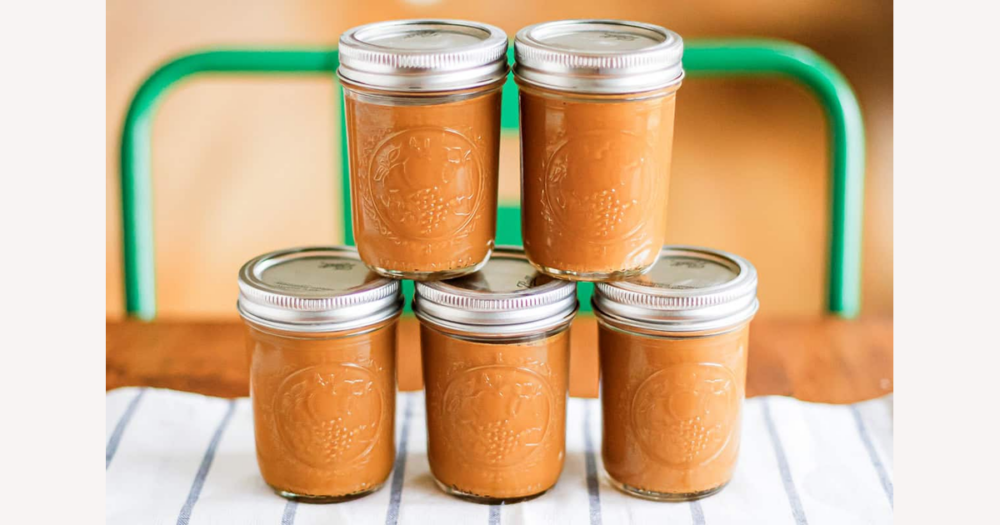
When you’re buying caramel sauce on DHgate, there is no single “most reliable place” that automatically makes the purchase safe. DHgate hosts many independent sellers, and reliability comes from how you evaluate each one: their ratings and order history, how clearly they describe the sauce and its packaging, whether shipping looks realistic for a food item, and whether you keep payment and communication inside DHgate’s system so buyer protection can work if something goes wrong. This guide turns that into a practical checklist you can use to decide which caramel sauce offers on DHgate feel trustworthy enough for you to try.
Why there’s no single “most reliable place” to buy caramel sauce online
There isn’t a single universally “most reliable place” to buy caramel sauce online, and DHgate isn’t one store that guarantees every jar equally. DHgate is a marketplace where many independent sellers list caramel sauce and related products, so your real protection comes from how carefully you choose among those sellers and listings, not from a platform-wide promise that everything is safe or high quality by default.
For an edible product like caramel sauce, reliability means checking who you’re buying from, what exactly they’re selling, and how the order will be handled. On DHgate that translates into a trust checklist: looking at seller history and ratings, reading buyer feedback, checking the product description for ingredients, packaging and shelf-life details, judging whether shipping and packaging seem adequate for a food item, and making sure you pay through DHgate’s own checkout and keep communication on the platform so buyer protection can apply if something goes wrong.
The rest of this guide stays with DHgate and walks through those checks in more detail: first how to read seller ratings and reviews for caramel sauce, then what a trustworthy listing should tell you about the product itself, followed by shipping and packaging risks, safer payment and communication habits, what to do if an order goes wrong, and finally a simple checklist and FAQ you can use for your next caramel sauce purchase on DHgate.
How to read DHgate seller ratings and reviews for caramel sauce
Once you stop looking for a single “best place” and start judging individual DHgate sellers, the first clues are their basic metrics. A more reliable caramel sauce seller will usually have a high overall rating, a solid number of completed orders, and a history of being active on the platform rather than appearing very recently. Response rate and response time show how quickly they answer buyer questions, while on-time delivery indicators give a rough sense of how often they ship when they say they will.
For caramel sauce or any food item, buyer feedback is just as important as the numbers. Scan the reviews for comments about packaging quality (sturdy boxes, bubble wrap, sealed bottles), whether seals were intact, and any mentions of damage or leakage in transit. Look for notes on freshness and expiry dates—did the product arrive within a reasonable window before expiry, and did the taste match the description? Reviews that mention vague labeling, missing expiry information, or confusing branding are a warning sign for an edible product.
Patterns matter more than one isolated complaint. A single review mentioning slow shipping or minor damage might reflect a one-off problem, but repeated comments about broken bottles, sticky packages, or “not like the listing photos” suggest a real risk. Likewise, several buyers mentioning that expiry dates were very close, that labels were not in a language they could read, or that taste and texture felt off compared with the description should push you to reconsider that seller for caramel sauce.
There’s also a tradeoff between evidence and risk when you compare different sellers. A well-rated seller with many transactions and a detailed listing—clear photos, ingredients, volume or weight, packaging type, storage advice, and shelf-life—usually costs a bit more but gives you far more to go on. By contrast, a newer or low-detail seller with few reviews and sparse information might offer a lower price, but you have much less proof that their caramel sauce will arrive in good condition or match the description.
Personally, I would choose established, transparent sellers for caramel sauce almost every time, because food safety and clear packaging matter more to me than saving a few dollars. I’d only consider a newer seller if I was consciously treating it as a small, low-stakes experiment—ordering a single bottle, expecting longer shipping, and accepting that the outcome is less predictable. New sellers aren’t automatically bad, but on DHgate you should decide deliberately whether a tempting low price is worth the thinner trail of evidence before you place that order.
What a trustworthy caramel sauce listing should tell you
- Clear product identity: a precise product name that makes sense for caramel sauce, stating whether it is a ready-to-use sauce, a thicker topping, or a concentrate, plus any flavor variants (for example, salted, vanilla) so you know what you are actually ordering.
- Quantity and format: how many jars, bottles, or pouches you receive per order and the net weight or volume of each (such as 250 ml per bottle or 300 g per jar), so you can compare value and avoid accidentally buying a sample-size portion.
- Ingredients list: a reasonably detailed ingredient list that reflects a typical caramel sauce (for example, sugar, dairy, flavorings) and mentions any major allergens like milk, soy, nuts, or gluten sources, so you can judge whether it fits your dietary needs.
- Allergen and warning notes: basic allergen warnings or caution notes in the description or images, especially if the sauce contains milk, cream, butter, nuts, or is made in a facility that handles common allergens.
- Packaging type and material: whether the caramel sauce comes in a glass jar, plastic bottle, pouch, or another container, and whether that container is factory-sealed or has a safety seal under the lid or cap to reduce tampering risks.
- Protection and bundling: how the seller says items are packed for shipping—such as individual wrapping, bubble wrap, inner boxes, or outer cartons—so you can judge how likely jars or bottles are to survive a long trip without breaking or leaking.
- Storage instructions: basic guidance such as “store in a cool, dry place,” “refrigerate after opening,” or similar language that shows the seller understands the product is food and needs appropriate handling.
- Shelf-life information: a stated best-before or expiry timeframe (for example, a date in year-month-day format) or a clear note that the product is intended to be shelf-stable until that date, so you are not guessing how long it will remain usable once it arrives.
- Labeling details: references to nutritional information, serving suggestions, or label language (even if the label itself is in another language), so you know the product has at least some formal packaging rather than arriving in an unmarked container.
Shipping, packaging, and transit risks for caramel sauce
- Breakage and leakage: jars or bottles can crack and pouches can burst if caramel sauce is not well padded or boxed. Prefer DHgate listings that mention secure packaging—such as bubble wrap, inner boxes, or double-bagging—and check buyer photos for intact bottles, clean labels, and dry outer cartons.
- Unclear labels and dates: if the product label is in a language you cannot read or photos are too blurry to show expiry or storage instructions, you may not know how fresh the caramel sauce is or how to store it safely. Look for listings that show labels clearly, mention how expiry information is presented, or explain storage in the description, and consider messaging the seller if the date format or instructions are ambiguous.
- Long, untracked transit: very long delivery windows and untracked shipping mean you have little visibility into where your caramel sauce sits or how it is stored. For a food item, especially one traveling across long distances, it is usually safer to choose a tracked option with a reasonable estimated delivery time instead of the absolute cheapest, slowest method.
- Temperature extremes: caramel sauce is often described as shelf-stable, but prolonged exposure to high heat or very low temperatures during shipping can still affect its texture, flavor, or packaging integrity. In hot seasons or very cold climates, favor listings that mention protective packaging and consider paying for faster, more controlled shipping rather than leaving the product in transit for weeks.
- Inconsistent handling between sellers: different DHgate sellers pack and ship caramel sauce in different ways, so you cannot assume everyone uses sturdy boxes or insulation. Focus on what you can observe—packaging details in the description, buyer photos, and reviews that mention how the product arrived—and avoid listings that say nothing about how bottles or jars are protected.
- Balancing cost and safety: while the cheapest shipping option is tempting, I personally avoid the very slowest, untracked choices for caramel sauce. Paying a bit more for tracked, reasonably fast delivery, especially in warm weather, feels like a fair trade to reduce the chance of leaks, heat damage, or an order that disappears in transit.
Staying safe with DHgate payments and on-platform communication
Once you’re comfortable with a seller’s listing and shipping for caramel sauce, the next protection comes from how you actually place the order. On DHgate, that means adding items to your cart and paying through the official checkout flow, not sending money directly by bank transfer, external payment apps, or any channel a seller suggests outside the site. Staying inside DHgate’s payment system keeps your transaction tied to the platform’s records and buyer tools.
Using DHgate’s own payment steps and keeping all conversation in the built‑in message system gives you a clear trail: order details, timestamps, and written evidence of what was promised. That trail is often what support teams rely on if you need help later, especially for an edible product where packaging, expiry, and condition really matter. If all the important discussion happens inside DHgate, it’s much easier to show what you asked and how the seller responded.
Treat any request to move off‑platform as a serious warning. If a seller asks you to pay through a separate app, send card or bank information in chat, or “solve problems privately” outside DHgate’s systems, that undercuts the safeguards the marketplace can offer. I would personally walk away from a caramel sauce order as soon as a seller pushes for off‑platform payment or wants you to cancel the order and pay them directly instead.
Keep every practical question inside the DHgate message thread before you pay: ask how jars or bottles are packed, how expiry dates are shown, whether the sauce is sealed, and what shipping method they plan to use. If something later goes wrong, those messages show that you raised packaging, date, or shipping concerns in advance, which can strengthen your position when you explain the issue and ask for support.
What to do if your caramel sauce order goes wrong
Even with careful seller and listing checks, a caramel sauce order can still arrive damaged, expired, or not as described, or fail to arrive at all. Marketplaces usually give buyers only a limited window after the expected or actual delivery date to open a dispute, so treat problems as urgent. As soon as you notice an issue, check the order page for timing rules and act before the protection period runs out.
Document problems immediately and thoroughly. Take clear photos or video of broken jars or bottles, leaking packages, labels that show expired dates, or contents that obviously don’t match the listing description or photos. Save screenshots of the listing, order confirmation, and any key messages, so you can show exactly what you thought you were buying and what actually arrived.
Start by messaging the seller through DHgate to describe the issue calmly and specifically—what went wrong, what evidence you have, and what you’re asking for, whether that’s a replacement, partial refund, or full refund. If you can’t reach an agreement or the seller is uncooperative, move to DHgate’s formal dispute tools and submit your photos, order details, and message history there so the case is handled within the platform.
Whether a refund or return is approved depends on DHgate’s current policies and the exact facts of your case, so check the Help or policy pages around the time you buy rather than assuming a fixed outcome. I always plan for the possibility that something could go wrong: I keep all records in one place, stay within the dispute timeframe, and avoid ordering more caramel sauce than I can afford to lose on a first test order from a new or uncertain seller.
Step-by-step checklist for buying caramel sauce on DHgate
- Search for caramel sauce on DHgate and immediately skip listings with almost no description, blurry or reused-looking photos, or titles that don’t clearly match caramel sauce.
- Shortlist a few listings that look coherent and then compare seller metrics—overall rating, number of completed orders, and recent feedback—preferring established, consistently well-reviewed sellers for a food product.
- Open each shortlisted listing and confirm essentials: ingredients, net weight or volume, flavor, packaging type (jar, bottle, pouch), storage and shelf-life details, and any basic labeling or allergen information, backed by clear photos.
- Review the available shipping options and estimated delivery windows, considering distance, season, and whether tracking is included, and avoid the very slowest or least-documented method if you’re cautious about caramel sauce sitting in transit.
- Before ordering, message the seller through DHgate with any critical questions about expiry dates, packaging protection, or allergens, and keep every message inside DHgate chat so there’s a clear record.
- At checkout, confirm you’re paying only through DHgate’s official payment flow, check the buyer protection and dispute deadlines shown on the order page, and proceed only if those timeframes feel acceptable to you.
- If something about the seller, listing, or shipping still feels uncertain, start with a single small test order instead of a bulk purchase, and only consider ordering multiple bottles or cases if the first shipment arrives on time and in good condition.
FAQ: Edge cases when buying caramel sauce on DHgate
Is it sensible to buy caramel sauce or other food items on DHgate at all?
It can be sensible for some buyers if you treat DHgate as a marketplace where you must actively check trust signals, not as a guaranteed food shop. For caramel sauce, that means applying the full checklist: choose established, well‑reviewed sellers, insist on clear ingredients, packaging, and expiry information, judge shipping and temperature risks, and keep payment and communication on DHgate. Even then, there is some residual uncertainty, and it’s entirely reasonable to decide that marketplace food isn’t right for you and stick to sources you find more predictable.
What should I think if a caramel sauce listing is much cheaper than similar options?
A big price gap can have harmless explanations—promotions, smaller size, simpler packaging—but it can also signal weaker evidence about quality, packaging, or shelf‑life. Treat unusually low prices as a prompt to slow down: compare sizes carefully, reread the description for missing details, examine seller history and recent feedback, and look for buyer photos. If those trust signals are thin or mixed, consider a very small test order you can afford to lose rather than committing to a larger quantity on price alone.
What should I do before ordering multiple bottles or a bulk quantity of caramel sauce on DHgate?
Before buying several bottles or a bulk case, start with a single small order from the exact same seller and product. Use that first shipment to confirm how the caramel sauce is packed, whether seals and expiry dates look reasonable, and whether the taste and texture match the listing. If that test order arrives late, damaged, or unclear, don’t scale up. I only move to bulk orders for food after a successful small test and a fresh check of expiry dates, storage instructions, and shipping options for the larger purchase.