
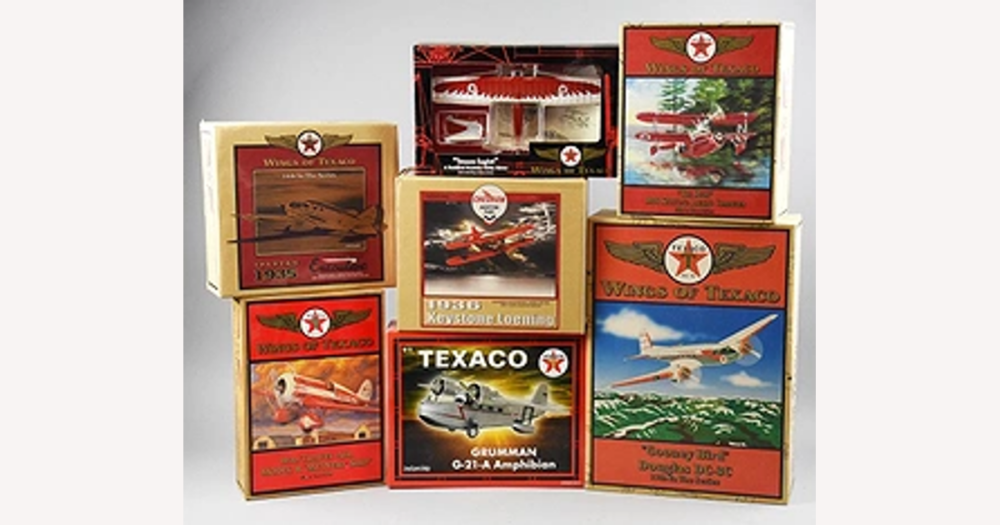
If you search DHgate for Texaco model airplanes, you will see everything from simple Texaco-themed toys to collectible-style diecast replicas, and the word “vintage” won’t always mean the same thing. This guide explains how Wings of Texaco and similar branded models fit into the category, which concrete specs and materials to look for, and how to use clear descriptions, photos, and seller history to decide whether a Texaco-themed plane really belongs in your collection.
What collectors mean by “vintage” Texaco model airplanes
On DHgate and other marketplaces, “vintage Texaco model airplanes” usually refers to Texaco-branded replicas of aircraft linked to the company, not a single official product category or guaranteed investment piece. Most of these are display-style models rather than toys for rough play, often inspired by historic planes that carried Texaco markings and finished in the brand’s logos and color schemes.
A well-known example is the Wings of Texaco series: diecast aircraft produced by companies such as Ertl in numbered runs, typically packaged in themed boxes that echo period advertising or specific historical aircraft. Collectors tend to treat these as display collectibles—you set them on a shelf, sometimes keep the packaging, and judge them by details like paint, markings, and condition—rather than as high-value assets that are expected to appreciate in price.
In online listings, the word “vintage” is flexible: sometimes it means an older production run or a design that imitates a retro look, and sometimes it is used loosely as marketing language. On DHgate, the practical way to approach Texaco-themed airplane models is to focus on clear, checkable information—what series or style the plane copies, what materials it uses, how big it is, and how the seller describes its condition—rather than trusting broad labels like “vintage,” “rare,” or “limited.” DHgate’s role here is as a place where you can research and compare Texaco-themed models and seller descriptions, not a guaranteed source of specific Wings of Texaco releases, so it is worth treating precise, accurate descriptions as more important than any nostalgic wording in the title.
Key specifications and materials to look for
Texaco-style collectible airplane models are often built with a diecast metal body for the fuselage and wings, combined with plastic or resin parts for finer details such as propellers, wing struts, windows, landing gear, or the display stand. A mostly metal body usually feels solid and helps the plane sit firmly on a shelf, while lighter plastic or resin details can be more fragile or feel less substantial if they are very thin. When a listing on DHgate or elsewhere simply says “metal plane” without specifying which parts are diecast and which are plastic, it is harder to judge how durable or premium the model will feel.
Scale, dimensions, and weight matter just as much as materials. Labels such as 1:48 or 1:64 indicate how large the model is compared with the real aircraft, but many sellers instead give approximate length and wingspan in inches or centimeters. These numbers tell you how much space the plane will take on a shelf, how visible the Texaco logos and details will be from a normal viewing distance, and whether the weight matches a solid diecast construction or a lighter, hollow design. Clear measurements and a realistic weight range are strong signs that the seller understands the product and that you can picture how the model will look and feel in your display.
- Confirm the main materials: is the body described as diecast metal, with plastic or resin only on smaller details, or is the entire model listed vaguely as a “metal plane” without specifics?
- Check for scale or explicit measurements and, ideally, an approximate weight so you can judge the model’s size, shelf presence, and how substantial it is likely to feel.
- Look for any functional features to be clearly stated—such as a coin bank slot and removable stopper, spinning propellers, or an included display stand—rather than left for you to guess from photos.
- Review Texaco branding details in the description and photos: logos, color scheme, tail numbers, and any text naming a specific aircraft or era, and be cautious if the listing only calls it “Texaco-style” without showing actual markings.
- Treat generic wording like “vintage metal model airplane” or “retro plane toy” as a signal to message the seller for precise specs on materials, size, and features before you decide whether the model fits your collection.
How condition, packaging, and series details shape collectibility
For Texaco-style airplane models, condition is one of the biggest drivers of how collectible a piece feels. Sellers often use shorthand such as “mint in box,” “near mint,” or “display wear,” but those words are only useful when you can see what they mean in real photos. Mint in box usually implies that both the model and its packaging look essentially untouched: sharp paint, clean decals, no shelf dust, and a box without crushed corners or writing. Near mint often means a very clean model with only tiny signs of age, such as light rubbing on edges or faint discoloration. Played-with or display wear suggests visible use: chips along leading edges, scratches on the fuselage, dulled chrome, or faded printing. On DHgate or any marketplace, I would treat these labels as starting points and rely on clear, close-up photos and specific notes about chips, scratches, or fading before believing a strong condition claim.
Original packaging matters a lot for Wings of Texaco-style models and similar branded series. A complete set might include a Texaco-branded box, internal cardboard or foam inserts that hold the plane, and sometimes paperwork such as a certificate, leaflet, or series description. When all of that is present and in good shape, many collectors see the piece as closer to a display collectible; when the model is loose with no box or damaged packaging, it can still look great on a shelf but is often treated as less complete. If packaging is important to you, check whether the listing shows the actual box and inserts instead of relying on a generic stock photo.
Series information is another major clue to what you are looking at. Wings of Texaco releases, for example, are usually identified by a series name, the aircraft type and year, and sometimes a statement such as “1st in the Wings of Texaco series” printed on the box or paperwork. Some models also show a series or edition number on a base, plate, or panel. Details like the aircraft name, production year of the replica, and any series numbering help you confirm that a plane matches a known Texaco replica run rather than being a random Texaco-themed toy. Because different collectors disagree about what counts as truly “vintage,” I would treat the word itself as a descriptive claim that must be backed by this kind of series and condition detail, not as a guarantee of rarity or investment potential.
- Ask the seller to state the exact series name, such as Wings of Texaco or another branded run, and to name the aircraft model and year depicted so you can identify the release properly.
- Request details about any series or edition number printed on the box, base, or model, which you can use to match the item to known Texaco-style replica runs if you want to research further.
- Confirm whether the original box, inserts, and any paperwork are included, and ask for photos of them if packaging and collectibility matter to you.
- Request close-up photos of paint, decals, and edges—especially wing tips, leading edges, tail surfaces, and corners of the fuselage—where chips, scratches, and rubbing usually show first.
- Treat the word “vintage” in a listing as a descriptive label that still needs support from production date, series information, and specific condition details, rather than as proof that the model is rare or high-value on its own.
A practical research checklist for DHgate buyers
- Confirm branding and series first. Check whether the listing clearly shows Texaco logos and colors, names a specific aircraft type, and identifies any Wings of Texaco or similar series, or whether it only uses vague terms like “Texaco-style” or “vintage plane” without specifics.
- Review materials and specs. Look for explicit mentions of diecast metal versus plastic, any functional details such as a coin bank feature or removable stopper, the scale or at least basic length and wingspan measurements, and an approximate weight; if these are missing, send the seller a message to ask.
- Assess condition using both words and images. Compare the stated condition (mint, near mint, used, display wear) to close-up photos of the model, and ask for extra photos of typical high-wear areas if you see gaps or only distant shots.
- Check packaging details. Confirm whether the original Texaco-branded box, inserts, and paperwork come with the model, and examine photos of them if gift presentation or long-term collectibility is important to you.
- Evaluate seller reliability on DHgate by looking at their ratings, the number of completed orders, the tone of feedback comments, and how promptly and clearly they respond to your questions about the model.
- Confirm logistics and protections. Review shipping options, estimated delivery times, and whether tracking is offered, and read DHgate’s general information about buyer protection, payment handling, and dispute resolution so you understand how the platform expects mismatches between description and delivered item to be handled.
- Favor listings where each of these points is covered with clear information and responsive communication; if several checklist items remain vague or unanswered, consider pausing your purchase or choosing a more transparent offer instead.
Collectible Wings of Texaco vs. generic Texaco-themed toys
Once you’ve walked through the research checklist, it helps to decide whether you’re looking for a display-grade collectible or a simpler Texaco-themed toy. Collectible Wings of Texaco-style models are usually heavier diecast pieces with finer surface detail, sharper paint and decals, and aircraft that reference Texaco’s historic branding. Their boxes tend to be clearly branded, often treated as part of the presentation, and may call out series numbers, edition themes, or coin bank features that signal the model was designed from the start as a collector item.
Generic Texaco-branded airplane toys, by contrast, tend to use more plastic and lighter metal, with simpler shapes and sometimes sticker-based logos rather than carefully printed decals. Packaging often looks more like general toy branding, with less emphasis on a named series or edition and fewer references to specific aircraft history. These differences usually map to price expectations: collector-style series often sit at higher price points because of detailing, packaging, and collector demand, while generic toys are typically cheaper.
Actual prices, though, are never fixed. Condition, rarity, the seller, and the marketplace all change what a given model costs, so treat price as one more detail to judge alongside materials, photos, and packaging rather than as proof of quality by itself. Decide first whether you want a display-focused collectible or a casual themed plane for decor, then read listing descriptions, photos, and prices through that lens. I would happily choose a less rare or lower-value model if its category and condition are described clearly and the price feels reasonable for what it is; I would hesitate even on a striking Wings of Texaco design if the series information, photos, or claims about being “vintage” seem vague or inconsistent.
Pitfalls in “vintage” and collectible claims
- Treat listings that lean heavily on words like “vintage,” “rare,” “antique,” or “limited edition” but never mention a series name, production year, or specific aircraft as unresolved marketing, not evidence of collectibility.
- Be cautious when photos are sparse, low-resolution, heavily filtered, or only show distant angles; without close-ups of edges, decals, and typical wear areas, condition claims are hard to trust.
- Watch for inconsistent or confusing references to Wings of Texaco, Texaco ownership, or aircraft history. Mixed-up series names or vague mentions of “Texaco plane” without details deserve clarification before you consider buying.
- Treat nostalgic copy and “investment piece” language as subjective pitches. Trust should rest on verifiable facts: stated materials, measurable dimensions, visible condition in clear photos, and any series or edition markings that you can cross-check against other references if you care about collectibility.
- Respond to red flags by asking follow-up questions, requesting more photos, and comparing what the seller says with the earlier checklist. If answers stay vague, contradictory, or evasive, be comfortable walking away; a simpler, transparently described plane at a fair price is, in my view, a safer choice than an appealing design wrapped in unclear claims about being vintage or rare.
What you can verify before ordering—and what remains a risk
Before you commit to a Texaco-style model airplane on DHgate, focus first on details you can usually verify from the listing itself. Clear, multiple photos—front, side, top, and bottom, plus close-ups of logos, decals, edges, and any coin-slot areas—help you judge overall finish and obvious wear. Stated measurements (length, wingspan, height) and approximate weight tell you how big and substantial the model will be on a shelf. Materials descriptions should distinguish diecast metal parts from plastic or resin details, so you can decide whether the build matches your expectations for a collectible. Visible Texaco branding and any series labels on the box or base (for example, a named collection or edition theme) are important for understanding whether the piece is a themed replica or part of a more formal collectible run. Seller profile information—ratings, total number of transactions, and written feedback—rounds out this picture and helps you see how reliably that seller has handled orders in the past.
If anything in the listing feels unclear, use DHgate’s messaging tools to ask direct questions before you pay. You can request close-up photos of specific areas, ask the seller to confirm the exact materials used, or clarify which aircraft, series, or production year the model is meant to represent. It also makes sense to ask about any chips, scratches, fading, or box damage that may not be visible in the existing photos. Keep these conversations inside DHgate’s system so there is a record of what the seller told you; if you later need to refer back to their answers, those messages become part of the evidence about how the item was described.
Even with careful pre-order checks, some aspects stay uncertain until the model is in your hands. Very small paint flaws, slight warping or alignment issues in wings or landing gear, and the way the plane feels in hand—heft, balance, and how refined the surface really looks—are hard to judge from photos alone. This kind of minor variation is normal risk for any online purchase, especially for items that may have been stored or displayed for some time.
DHgate helps manage more serious mismatches by processing payments through its platform rather than having you pay the seller directly, and by offering dispute and refund mechanisms when an item differs significantly from its description. If a Texaco model arrives as a completely different aircraft than advertised, shows major undisclosed damage, or turns out to be made from very different materials than the listing claimed, those systems are there to handle complaints and, where appropriate, partial or full refunds. The exact outcome depends on the situation and DHgate’s policies at the time, so it’s better to treat these protections as a safety net that reduces risk, not as a guarantee that every problem will be solved exactly the way you’d prefer.
A cautious buyer combines thorough verification with acceptance of some residual uncertainty. Check photos, measurements, materials, branding, and seller history carefully, use messaging to pin down any ambiguous points, and weigh what you still cannot know in advance—fine paint quality, small defects, and overall feel—against how important this particular model is to your Texaco collection and how trustworthy the seller appears. In my view, a clearly documented listing from a well-rated seller makes those remaining risks much easier to accept, while a vague description or shaky track record makes even small unknowns feel like too much of a gamble.
Quick answers to common DHgate questions about Texaco models
Does DHgate specialize in original Wings of Texaco series model airplanes?
No. DHgate is a broad marketplace that hosts many independent sellers, not an official Wings of Texaco retailer or archive. You may see Texaco-branded or Texaco-themed models, and some listings might mention specific series, but availability and authenticity depend entirely on each seller. Use the same research checklist as for any Texaco-style plane—check branding and series details, materials, size, condition photos, packaging, and seller ratings—rather than assuming DHgate guarantees particular Wings of Texaco releases or stock.
How should I interpret “vintage” in DHgate search results or listing titles for Texaco airplane models?
On DHgate, “vintage” is a flexible, seller-applied label, not a standardized category. It can mean retro styling, an older production run, or simply be used to attract attention. Treat it as a starting point for closer inspection, then rely on specifics: series naming, any stated production year, clear condition descriptions, detailed photos, and honest materials information. In my view, a transparent, well-documented listing with these concrete details deserves more trust than an offer that leans mainly on words like “vintage” or “rare” without solid evidence to back them up.