
You can find white conch shells on DHgate by running targeted searches, then aggressively filtering and vetting listings before you buy more than a small sample. The platform lets you narrow results with broad filters, read detailed product descriptions, and see seller ratings and customer reviews, all of which you should use to separate bulk decorative shells from anything meant for serious collection. For many US buyers, DHgate can make sense for affordable decorative shells or small boutique decor, but you’ll need your own checks for shell type, finish, and ethical sourcing, and collectors are usually better off with specialist shell suppliers.
What buyers usually mean by “white conch shells”
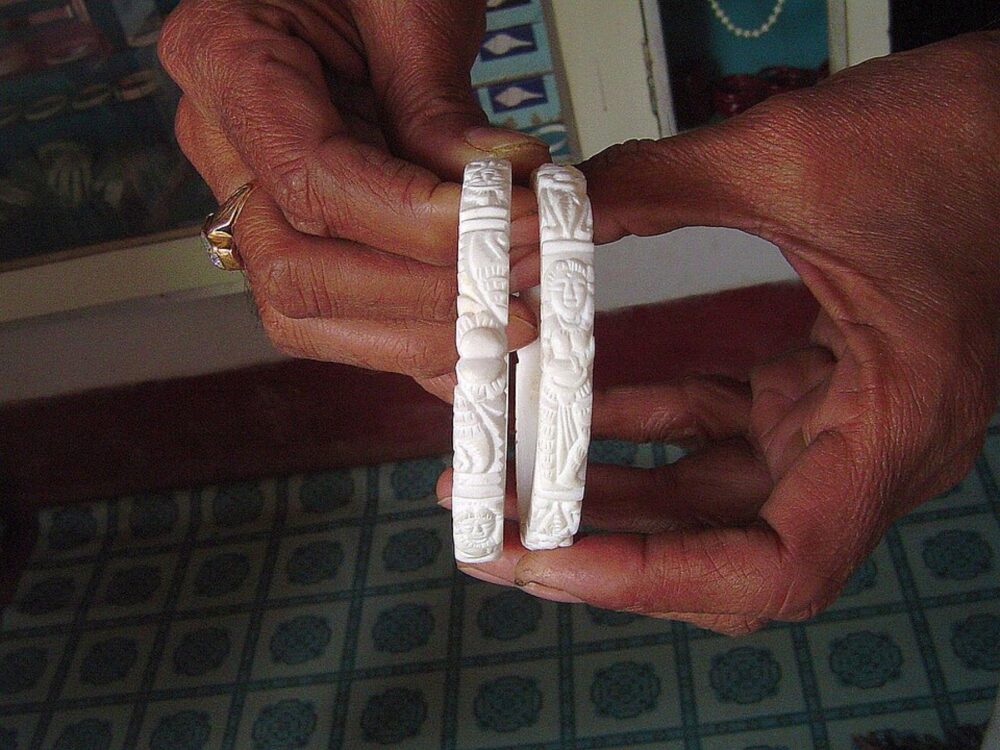
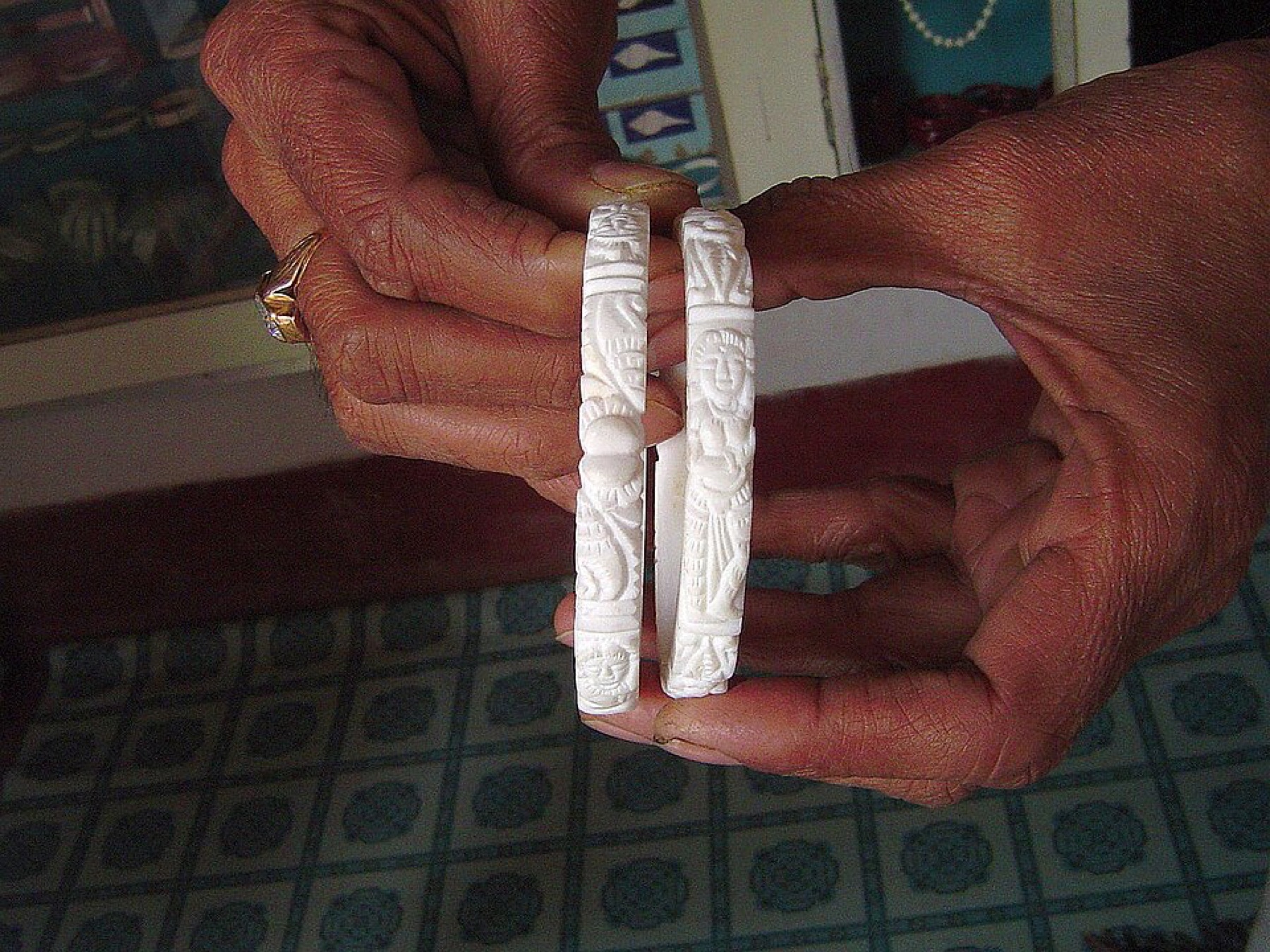
Most DHgate listings that reference white conch shells target decor and craft buyers, not marine-biologist-grade specimens. You’ll typically see natural spiral shells or carved pieces that are described as conch and finished in polished white, matte white, or off-white.
Marine conch shells and freshwater shells can look similar in photos. In general, marine conch tends to be denser and often shows more irregular spiral growth than smoother freshwater shells, but that’s guidance, not a lab test. If the origin matters to you (for example, resale as “marine conch”), treat any DHgate description as a starting claim, not proof.
Common use cases where DHgate is a better fit:
- Bulk decorative shells in bowls, vases, or coastal wall art.
- Craft or jewelry components, especially small pieces and beads.
- Low- to mid-range spiritual or ritual decor where exact species and provenance are flexible.
Use cases where DHgate is usually lower fit:
- Museum-style collecting with strict species and locality data.
- Buyers who need documented, traceable, ethically harvested shells (for example, certified non-endangered, non-trawled sources).
How to search DHgate for white conch shells and read listings critically
Use DHgate’s search bar and filters deliberately. The goal isn’t just “find shells,” but “find listings where you can realistically judge size, type, and finish before you risk money.”
- Start with specific search terms
Begin with phrases like:
- “white conch shell”
- “white conch shells bulk”
- “white conch shell decor” or “home decoration shell”
- “conch shell beads” or “shell jewelry” if you want processed pieces
DHgate’s own guidance on sourcing suggests combining your product term with use cases and materials, then narrowing using filters that match your criteria, such as broad category or style (Sourcing Products on DHgate).
- Use filters to strip out noise
Once you have results, use the platform’s filtering tools to narrow the field. You can typically filter by large categories (for example, home decor vs. jewelry), general price bands, and sometimes other attributes. For shells, your aim is to get rid of:
- Listings that are clearly plastic or resin, if you only want natural.
- Generic beach packs that don’t specify conch at all.
DHgate’s editorial blog highlights that filters and categories are there to help you refine searches and get closer to what you need, so use them aggressively rather than scrolling through hundreds of mixed items (How to Find Quality Products at Wholesale Prices).
- Interrogate the product description, not just the title
Many shell listings use attention-grabbing titles (“natural conch shells”) even when the fine print reveals key limits. In the description, look for:
- Material: Does it say natural shell, imitation, resin, or plastic? If it doesn’t say, assume it could be synthetic.
- Size detail: Are shell dimensions in inches/cm, or only described vaguely (“small,” “medium,” “big”)? Craft and decor buyers should insist on numeric ranges.
- Quantity and mix: Is it a pack of assorted shells, or explicitly conch only? Decorative multipacks often blend species.
- Finish: Words like “polished,” “dyed,” “painted,” or “bleached” tell you it may not be a raw white shell.
DHgate’s own tips emphasize reading descriptions carefully for size, color, and material because many buyer frustrations come from assumptions rather than misprints (How to Find Quality Products at Wholesale Prices).
- Scrutinize images for type, density, and finish
Zoom in on photos whenever possible:
- Does the spiral shape and thickness look like known conch, or more like thin decorative shells?
- Is the white color uniform (suggesting paint or bleaching) or slightly varied (more likely natural)?
- If you see a photo of a broken edge, does it show a dense, chalky interior or thin plastic-like walls?
You can’t authenticate marine vs. freshwater from photos alone, but these details help you decide whether the listing fits your use case and whether it’s worth a sample order.
DHgate shows seller ratings and customer reviews tied to listings, with editorial guidance encouraging buyers to read comments closely to assess reliability and product quality (Navigating DHgate’s Website). For white conch shells, focus on:
- Photos posted by buyers: Do the shells they received look like the listing’s photos?
- Comments on material: Are reviewers calling products “real shell,” “plastic,” or “mixed”?
- Variability: Do some buyers complain about getting different sizes or types than advertised?
Use this to eliminate weak listings. Treat positive reviews as helpful but not conclusive proof that a shell is marine conch or ethically sourced.
Quick listing-check table for DHgate shell searches
| Listing detail | Strong decorative match | Weak / risky signal |
|---|---|---|
| Material wording | “Natural shell,” “conch shell,” plus clear mention of shell use | “Shell style,” “sea decor” with no material at all |
| Size info | Dimensions in cm/inches, per shell or per piece | Only “small/large” or no dimensions |
| Quantity description | Exact piece count and type (e.g., “20 pcs conch shells”) | “Assorted sea shells” with no breakdown |
| Finish description | Honest terms like “polished white,” “dyed” | Only “pure white” with no mention of polish, paint, or bleach |
| Buyer photos/reviews | Multiple clear photos that match the listing images | Few or no photos; complaints about “plastic” or “fake shells” |
Assessing seller reliability, sampling, and when to choose other channels
Once you have a shortlist of listings, you still need to decide whether each seller is worth testing—and how far to trust them.
Read seller history and ask shell-specific questions
DHgate’s editorial guides recommend evaluating suppliers by checking ratings, reviews, and transaction history, then asking direct questions before buying (Sourcing Products on DHgate). For white conch shells, message the seller and ask:
- Are the shells natural or synthetic?
- Are they marine conch, mixed shells, or a generic decor blend?
- Are the shells polished or treated (bleached, painted, coated)?
- Can they confirm a typical size range per shell, not just an average?
You’re not trying to conduct a legal examination—just documenting claims so you can compare them against the sample that arrives.
Start with small sample orders before committing
DHgate blog content aimed at wholesale buyers explicitly advises placing smaller sample orders first, then scaling once you’re satisfied (Wholesale Confidence). Apply that logic even if you’re just a small ecommerce shop:
- Order the minimum practical quantity from one or two sellers whose listings look strongest.
- On arrival, compare shells against the listing photos, descriptions, and the answers the seller gave you.
- Check density, spiral shape, and finish. Do broken edges look like real shell, and does the white color align with what was promised?
If what you receive doesn’t match the listing, treat it as a learning cost and move on rather than doubling down.
When DHgate is useful vs. when to look elsewhere
For US buyers, DHgate fits best in scenarios like:
- You need affordable decorative shells for home decor, event styling, or craft kits, and exact species/provenance are flexible.
- You run a small boutique or Etsy shop and want to test a few suppliers and styles with low up-front risk before committing to a signature shell line.
It becomes a weaker option when:
- You are a serious shell collector who needs labeled species, region, and collection data. Specialist shell dealers, marine-ethics shops, and auction houses are more aligned with that level of documentation.
- Your brand promises verified ethical sourcing (no endangered species, traceable harvest methods). For that, you’ll need suppliers who provide certifications or third-party documentation, which typical DHgate shell listings do not advertise.
For additional DHgate platform context, use What DHgate is and how the marketplace works.
If you decide DHgate is an acceptable route, tighten your process by pairing this shell-specific workflow with broader marketplace checks, like those described in Find trusted sellers on DHgate and the DHgate order-readiness checklist. If you find that even your best DHgate samples don’t meet your standards for origin, consistency, or ethics, treat that as a clear signal to shift your shell sourcing to dedicated marine or artisan channels.