
If you want vintage-style lined paper for journaling, letters, or a small stationery shop, DHgate can be useful for bulk, retro-inspired sets—but not for true antique paper. The basic process is: define the paper you actually need (size, weight, ruling, format), search DHgate with targeted keywords like “vintage lined paper” or “vintage stationery,” use filters to narrow results, then scrutinize specs, photos, and seller history before ordering samples or a small test batch.
Most of the quality decision happens before you click “Buy”. You’ll need to read listings carefully for paper weight (gsm), finish, and ruling style, and treat “vintage” as a design cue, not a guarantee of age.
What counts as vintage lined paper—and who usually buys it
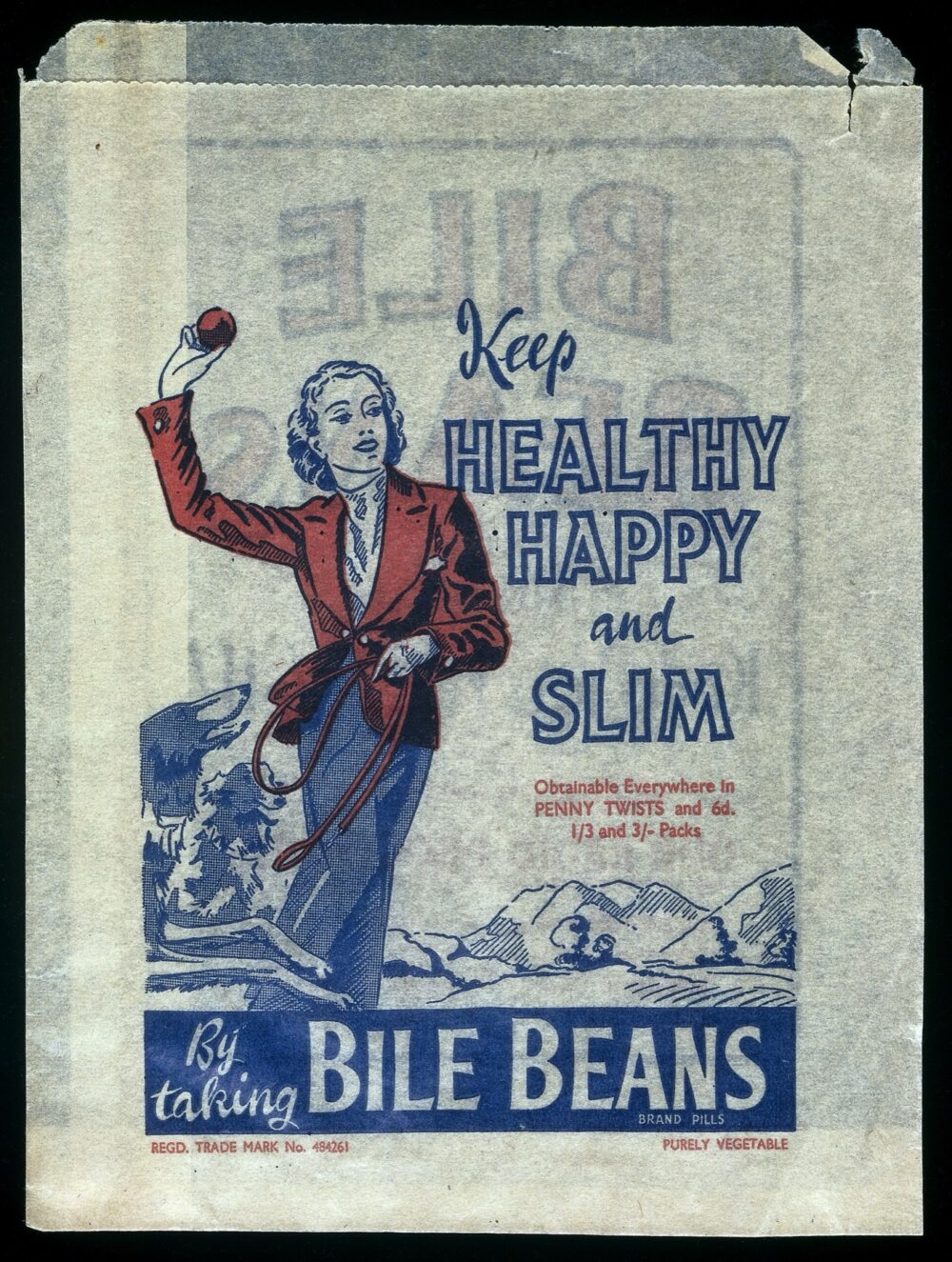
On marketplaces like DHgate, “vintage lined paper” almost always means vintage-style stationery: modern paper printed or styled to look old. Think faux parchment, retro letter pads, kraft paper journals with old maps on the cover, or scrapbooking packs with aged edges. True antiques or historically significant paper are outside DHgate’s usual scope.
Typical formats you’ll see:
- Notebooks and journals with cream or yellowed pages, decorative borders, or retro covers.
- Loose sheet sets for letters, junk journals, and scrapbooking.
- Themed collections (travel, floral, retro ads) mixing lined and unlined sheets.
DHgate’s own guides for notebooks and decorative books highlight vintage-leaning stationery themes, which is a good signal that the platform does carry retro-style paper sets for everyday use and gift or resale scenarios.
Who this route tends to suit:
- Hobbyists and writers who want a stash of aesthetically pleasing paper and don’t need brand-name provenance.
- Small ecommerce sellers bundling vintage-style paper into journaling kits, pen-pal sets, or craft boxes, where consistent look and feel matters more than exact origin.
If you’re sourcing for collectors who care about true age or archival properties, DHgate’s mass-produced stationery is unlikely to be the right channel.
Key details that separate usable vintage-style paper from disappointment
Because you can’t feel the paper through a screen, you have to read DHgate listings like a spec sheet. DHgate’s own shopping guidance stresses paying attention to product specifications, images, prices, and seller ratings. For paper, those specs translate into a few concrete checks.
Micro-checklist for evaluating a listing
Paper weight (gsm) If the listing mentions gsm, it’s a good sign the seller understands materials. Around 80-100 gsm is typical office weight; heavier paper (100-120 gsm+) will feel more substantial and handle fountain pens better. If gsm is missing, assume it might be thin and ask the seller.
Finish and color Look for words like “smooth,” “matte,” “coated,” “kraft,” “cream,” or “coffee-dyed.” A glossy, heavily coated finish may smudge certain inks. Vintage-style usually leans warm-toned; make sure photos show the actual hue, not just a heavily filtered mockup.
Ruling style and spacing Zoom in on photos to see whether the lines are narrow or wide, dark or faded, simple or decorative. Busy borders or strong printed motifs can make everyday writing harder, which matters if you’re reselling to writers, not scrapbookers.
Size and format Check the listed dimensions and convert mentally into something familiar (A5 is close to half-letter). For collections, confirm how many sheets or pages you’re getting and whether they’re loose, glued into a pad, or sewn into a notebook.
Binding quality (for journals) Even if the focus is the paper, binding affects usability. Read closely for “stitched,” “glued,” “spiral,” or “ring.” If the description says “notebook” but photos look like a loose pack, be cautious.
Here’s a quick table to translate these details into practical choices:
| Spec area | Good signs in a DHgate listing | Risk signals to question |
|---|---|---|
| Paper weight | States gsm (e.g., 100 gsm) and use case (writing, art) | No gsm, just “high quality” buzzwords |
| Finish & color | Clear photo of surface, words like smooth / matte | Over-filtered images, no color description |
| Ruling & layout | Close-up of lines, spacing described | Only cover art shown; writing area not visible |
| Size & quantity | Exact dimensions and sheet/page count listed | “Large” or “many sheets” with no numbers |
| Binding / format | Binding type named and photographed | Listing title says journal, body says loose paper |
Treat “vintage” as a style label that can be stretched. Many sellers apply it to anything brown or aged-looking, so your job is to verify the paper will actually behave the way you need.
Step-by-step: using DHgate to search and vet vintage lined paper collections
DHgate itself recommends defining your requirements, searching with relevant keywords, evaluating suppliers based on ratings and reviews, and ordering samples before large orders. Here’s how to adapt that specifically to vintage-style paper.
1. Define your paper requirements like a spec sheet
Before you open DHgate, write down:
- Target size (e.g., A5 journal, letter-size loose sheets).
- Minimum acceptable gsm and finish (e.g., 100 gsm, smooth, non-glossy).
- Use case (fountain pen writing, gel pens, scrapbooking).
- Format (bound notebook vs loose sheets vs mixed scrap pack).
- Rough quantity per design (for resale bundles, consistency matters).
This lets you quickly discard charming but impractical designs.
2. Use DHgate’s search bar with paper-focused keywords
Go to the DHgate homepage and start with:
- “vintage lined paper”
- “vintage stationery lined”
- “retro notebook lined pages”
- “vintage scrapbooking paper” if you’re flexible on ruling
DHgate blog guidance suggests using filters and categories; after you search, narrow by obvious levers like stationery categories or price sorting to avoid unrelated products.
3. Trim down results using filters and visual triage
Scanning the first page of results:
- Ignore listings where the main images only show covers or decorative elements but no actual page view.
- Favor products that show close-ups of the lines and paper texture.
- Use DHgate’s filtering options to remove extreme pricing outliers or irrelevant categories.
You’re not just looking for the prettiest design—you’re looking for listings that communicate enough detail to make a decision.
4. Read product descriptions like a contract
DHgate’s editorial shopping guide emphasizes reading descriptions carefully for size, color, and material. For each candidate listing:
- Confirm material (paper type; anything unusual like “kraft” or “parchment” should match your use case).
- Check dimensions and page/sheet count for the collection.
- Look for mention of gsm; if absent and quality is important, use DHgate’s messaging tools to ask.
If the description contradicts the photos—say, the title says “lined” but every photo shows blank pages—that’s a red flag.
5. Judge the seller using concrete signals
Across DHgate’s blogs, the recurring advice is to check seller ratings, reviews, and transaction history. In practice:
- Prefer sellers with visible ratings and multiple reviews on stationery items, not just general merchandise.
- Read reviews for comments on paper thickness, print clarity, and color accuracy.
- If you plan to resell, ask the seller about batch consistency (same shades, same ruling) and whether designs change often.
For a deeper dive into seller evaluation patterns, you can cross-reference guidance like Find trusted sellers on DHgate.
6. Start with samples or small, varied orders
DHgate’s sourcing articles repeatedly recommend ordering samples before committing to bulk. For vintage-style paper:
- Order one or two sets from different sellers that look promising.
- Test them with the pens and uses you care about (bleed-through, feathering, smoothness).
- If you’re a small ecommerce business, use these test packs to photograph your own product images and gauge customer reaction before scaling.
For larger orders, it’s worth doing a broader readiness check using a resource like the DHgate order-readiness checklist, especially if the paper will be a core product.
7. Know when DHgate is the wrong tool
DHgate works best when you’re comfortable with modern, mass-produced vintage-style designs and you want attractive pricing on bulk or repeat orders. It’s less suitable when:
In those cases, specialized stationery suppliers or domestic wholesalers may be lower-risk, even if the per-unit cost is higher.
For additional DHgate platform context, use What DHgate is and how the marketplace works.
If your needs are more general—personal journaling, pen-pal letters, starter inventory for a themed stationery box—DHgate’s mix of vintage-inspired lined paper and retro notebooks can be a reasonable option, as long as you’re disciplined about specs, photos, and testing before you scale.