
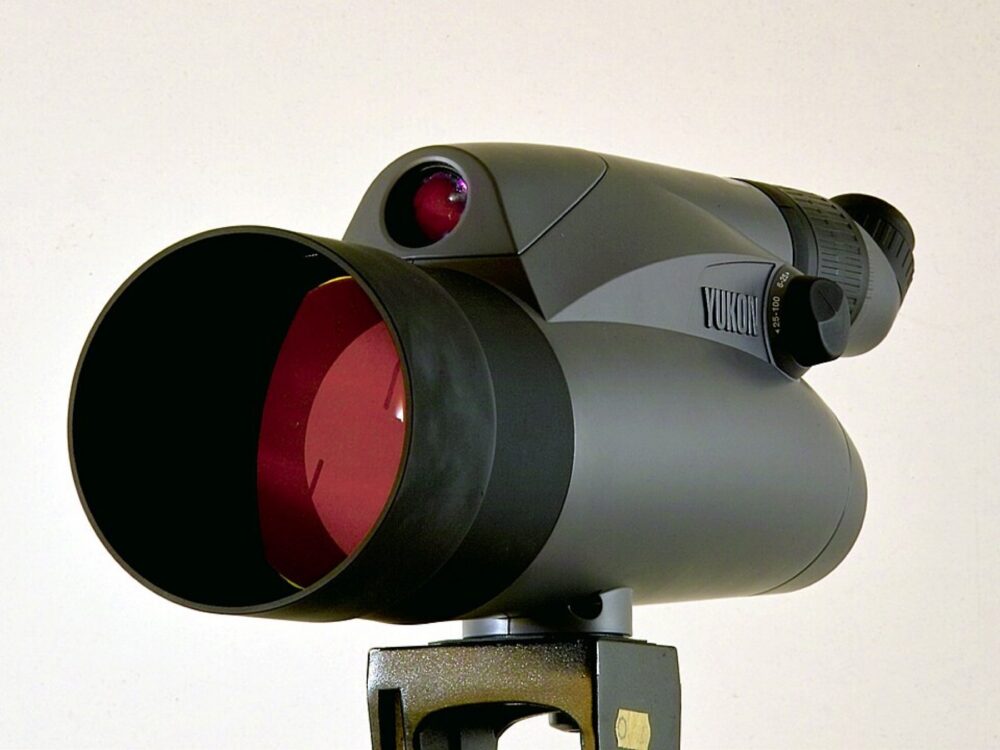
True antique spotting scopes are rarely sold through DHgate, which is structured around new, factory-made goods. What you can realistically find there are vintage-style spotting scopes, replicas, and decorative pieces marketed as “retro” or “antique.” If you treat most DHgate listings as new items styled to look old unless proven otherwise, you can still use the platform effectively—especially for decor or low-cost resale—while turning to specialist marketplaces for genuinely old optics.
What Counts as a Vintage or Antique Spotting Scope Today
A spotting scope is a compact telescope optimized for viewing at medium distances—think birding, target shooting, or coastal views. Collectors use “vintage” loosely for mid‑20th‑century scopes (old Tasco, Bausch & Lomb, Japanese-made Kmart Focal, etc.), and “antique” for much older 19th‑ to early‑20th‑century instruments.
Specialist sites show the kind of pieces collectors call antique. For example, one European dealer lists a decorative four‑section spotting scope manufactured in the 19th century, with brass and classic styling, noted explicitly as not working but sold as an optical antique decor piece.Decorative four‑section telescope example This is typical of the dual market: some buyers want usable vintage optics; others only want the look.
US buyers and small ecommerce sellers usually fall into three camps:
- Usable vintage optics – for shooting ranges, birding, or as functional retro gear.
- Decor-only antiques – brass or leather scopes to complement nautical or study decor.
- Vintage-style replicas – new scopes that look old, easier to source in quantity and with consistent condition.
DHgate is far more aligned with the third group than the first two.
Why DHgate Mostly Shows Vintage‑Style, Not True Antique Scopes
DHgate describes itself as a marketplace connecting buyers with many sellers at competitive prices, often directly from manufacturers.DHgate marketplace context That structure works well for mass‑produced goods: modern optics, tripods, and décor items made in batches, not one‑off antiques.
Etsy’s antique/vintage spotting‑scope pages indirectly highlight this split: Etsy sellers emphasize that truly old scopes are individual finds, while cross‑border sites such as DHgate mainly surface new, mass‑produced pieces. If you search for “antique spotting scope” on Etsy, you’ll see one-of-a-kind optical antiques and WWI/WWII field scopes, whereas DHgate tends to show reproduction brass telescopes, retro-styled spotting scopes, and generic optical gear.Etsy antique spotting scopes overview
So on DHgate, expect:
- Modern spotting scopes – straight and angled types, often tactical or birding designs.
- Brass or faux‑leather “nautical” scopes – marketed as antique decor; usually new reproductions.
- Vintage-style finishes – distressed paint, aged‑look brass, retro knobs.
You should not assume that a DHgate listing tagged “vintage” or “antique” is:
- A verified 19th‑ or early‑20th‑century piece.
- Tied to a collectible brand with traceable serials.
- Unique rather than factory-replicated.
DHgate’s own blog warns that, like any global marketplace, scams and misrepresentation are possible and buyers need to stay alert.Scam‑awareness guidance Treat every “antique” claim as marketing language until you have concrete evidence.
Visualizing the Product Category
To anchor what you’re likely to see on DHgate, picture a modern spotting scope used for birding:
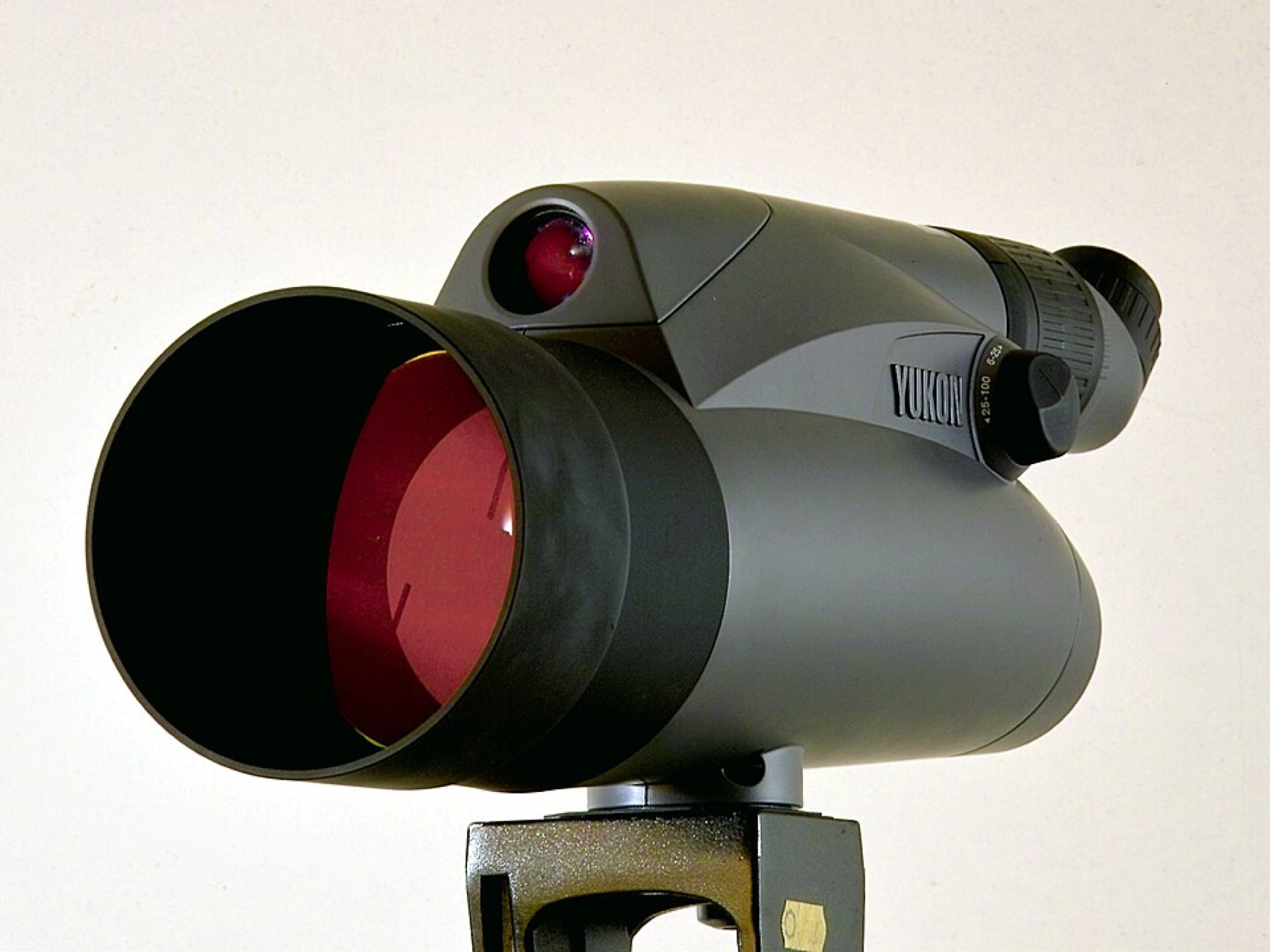
Most DHgate listings will be current designs like this, sometimes restyled with brass tubes or vintage-look eyepieces. Genuinely old optics will be the exception.
How to Judge Listings: Vintage, Antique, or Just Vintage‑Style?
Before you dive into DHgate search mechanics, it helps to separate three listing types:
| Listing style on DHgate | Typical reality | Good use case for buyers/resellers |
|---|---|---|
| “Vintage” spotting scope, modern body | New optic with retro branding/finish | Functional scopes with a themed look |
| Brass/leather “antique” telescope | New decor, may not be optically precise | Home decor, props, inexpensive gift items |
| Claims of WWI/WWII or 19th‑c origin | Often unverified; may be replica or fantasy | Only suitable if you can independently verify |
If you need true vintage or antique stock—for example, a shop that specializes in historical optics—DHgate is usually not the right primary source. Platforms that explicitly trade in older items, like Etsy’s vintage optics section or regional auction houses that list scopes such as a vintage Kmart Focal made in Japan,auction example are better starting points.
Step‑by‑Step: Searching, Filtering, and Vetting Spotting Scope Listings on DHgate
If you’re comfortable sourcing vintage‑style spotting scopes or decor from DHgate, here’s a practical workflow.
1. Turn your idea into concrete search terms
Start with DHgate’s search bar and try combinations like:
- “spotting scope vintage” – surfaces modern optics with retro styling.
- “antique brass telescope” or “nautical telescope vintage” – pulls more decor pieces.
- “retro spotting scope”, “classic spotting scope” – sometimes better than the word “antique” for honest styling.
Avoid relying solely on “antique”; it casts a wide, often misleading net.
2. Use filters to narrow down realistic options
DHgate’s own ecommerce guide recommends using filters (category, price, features) to zero in on products that match your criteria.DHgate sourcing tips
For spotting scopes, that means:
- Category – restrict to binoculars/optics when you want usable scopes; switch to home decor for display-only pieces.
- Price range – set a ceiling if you’re buying decor in bulk; extremely low prices can signal flimsy replicas.
- Features – when available, filter by magnification or waterproofing if you care about performance.
If you consistently only see novelty brass telescopes and no optics with real specs, that’s your sign DHgate isn’t surfacing what a functional‑vintage buyer needs.
3. Read the listing like a collector, not a casual shopper
DHgate blog advice on navigating listings stresses checking specs, images, prices, and seller ratings.Navigating listings guidance For spotting scopes, go deeper:
- Look for hard details – magnification (e.g., 20-60x), objective lens size (e.g., 60-80mm), weight, and materials. Genuine optics have complete spec sheets.
- Check photos carefully – is the scope clearly new with modern plastics and coatings, or does it show real age, patina, and wear? Perfectly identical units in multiple photos usually mean new manufacture.
- Ignore vague origin stories – phrases like “used in war” or “old army telescope” without a date, maker’s mark, or serial number are marketing copy, not proof.
If the description reads more like home decor (“great for your office bookshelf”) than equipment (“fog‑proof, nitrogen‑filled”), treat it as decor only.
4. Evaluate seller ratings and buyer reviews with a spotting‑scope lens
A DHgate blog piece on spotting quality products recommends focusing on prior buyer reviews, seller ratings, and the number of ratings, and messaging the seller to clarify what you’re buying.Quality‑checking tips
Applied to spotting scopes:
- Seller rating – favor sellers with many transactions and a rating closer to 5 stars. A single antique-looking scope from a brand‑new seller is higher risk.
- Review content – filter for reviews mentioning optics: sharpness, focusing, alignment, build quality. If every review mentions “nice decoration” and none mention viewing performance, assume it’s decor.
- Number of reviews – if there are fewer than ~10 reviews, you’re in near‑sample territory. For ecommerce sourcing, treat that as a reason to order a test unit first.
US small sellers should especially avoid committing to bulk orders of a “vintage” scope that has no detailed feedback.
5. Message the seller with targeted questions
DHgate’s blog encourages messaging sellers to clarify products.Quality‑checking tips Don’t ask “Is this antique?”—you’ll almost always get “yes.” Instead, ask:
- “Is this new manufacture? What year was it made?”
- “Do you have photos of the actual item, not catalog images?”
- “Is it intended as home decor or as a functional spotting scope for shooting/birding?”
- “Are there any maker’s marks or serial numbers on the scope?”
For decor-focused sourcing, ask about finishes and packaging instead: “Will each unit look identical? Is the brass lacquered or intentionally aged?” That helps you judge whether the “vintage” look will be consistent across your inventory.
6. Order samples before any serious quantity
DHgate’s ecommerce guide suggests ordering samples to test product quality before committing to larger orders.DHgate sourcing tips
For spotting scopes, a sample lets you:
- Check optical performance: brightness, edge sharpness, focusing range.
- Inspect build quality: joints, tripod mount, eyecup durability.
- See the finish in person: does the “antique” brass look convincing or cheap?
If your business is decor‑oriented, test how the scope presents on a shelf and whether the styling meets your brand’s vintage aesthetic.
7. Know when to stop searching DHgate and move elsewhere
If your DHgate searches mostly produce:
- New tactical scopes with no vintage styling, or
- Brass “antique” telescopes with no usable optics specs,
and you specifically need genuinely old spotting scopes, that’s your cue to shift channels.
Specialized platforms and auctions—like the antique optical dealer mentioned earlier or vintage‑focused marketplaces that list named pieces such as Bausch & Lomb and Tasco scopes—are better aligned with true vintage sourcing. DHgate, by contrast, is best treated as a discovery tool for vintage‑style optics and decor where you can leverage mass production, consistent supply, and lower unit costs.
If you’re new to DHgate overall, it’s worth pairing this workflow with a broader overview of how the marketplace works and how to identify safer sellers using buyer‑side checks:
- What DHgate is and how the marketplace works
- Find trusted sellers on DHgate
- Review the DHgate order-readiness checklist
Used together, these resources let you treat DHgate as a practical source for vintage‑style spotting scopes and decor, while keeping truly antique optics on more specialized platforms where age and provenance are the main selling points.