
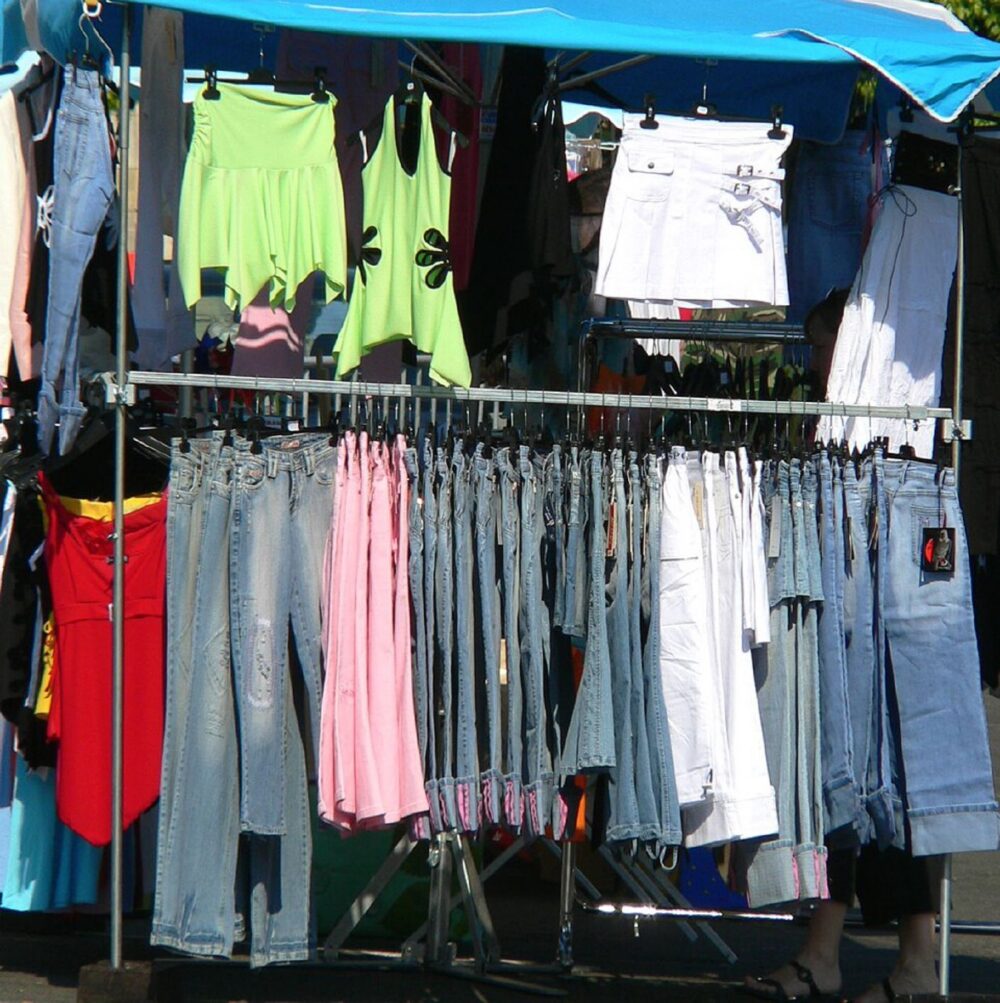
DHgate is useful if you want new jeans that look vintage or damaged—washed, ripped, patched, or stacked—but it’s not a true secondhand vintage or rework-denim market. Most DHgate-linked listings described as “vintage,” “retro wash,” or “distressed” are factory-made denim, like Italian-style retro destroyed jeans or “stacked destroyed straight denims” marketed as vintage hip-hop trousers on sites that mirror DHgate’s catalog.Source If you’re sourcing Y2K-style cargo jeans or distressed streetwear for personal wear or resale, DHgate can work well. If you need actual used Levi’s or rework-grade bulk denim, you’ll need specialist vintage wholesalers instead.
What “Vintage and Damaged” Jeans Really Mean on DHgate
On DHgate, “vintage,” “retro,” and “distressed” mostly describe styling, not age. External aggregators that mirror DHgate inventory show jeans with phrases like “retro wash,” “destroyed ripped,” “patchwork vintage designer,” and “Y2K vintage distressed baggy denim pants,” but the items themselves are marketed as new manufactured clothing.Source
You’ll see patterns like:
- Vintage-wash skinny or slim jeans with heavy whiskering and fading.
- Ripped or destroyed biker jeans with moto panels.
- Baggy or flared Y2K cargo jeans with stacked hems, multiple pockets, and distressing.
True vintage or secondhand denim—1980s Levi’s, 1990s workwear, deadstock, or rework-grade jeans with real wear—belongs to a different market. DHgateWiki’s guide to vintage clothing wholesale platforms separates DHgate-style new production from specialist suppliers that sell mixed-brand used jeans and bulk rework-grade denim by weight or lot. DHgate is on the new-manufacturing side of that line.
For you as a buyer or small reseller, that distinction matters:
- If you care mainly about the look (90s wash, Y2K fit, big rips), DHgate’s offerings are directly relevant.
- If your brand promise is “real vintage,” or you need jeans that show authentic age and labels, DHgate is a design reference and new-stock source, not your vintage supply chain.
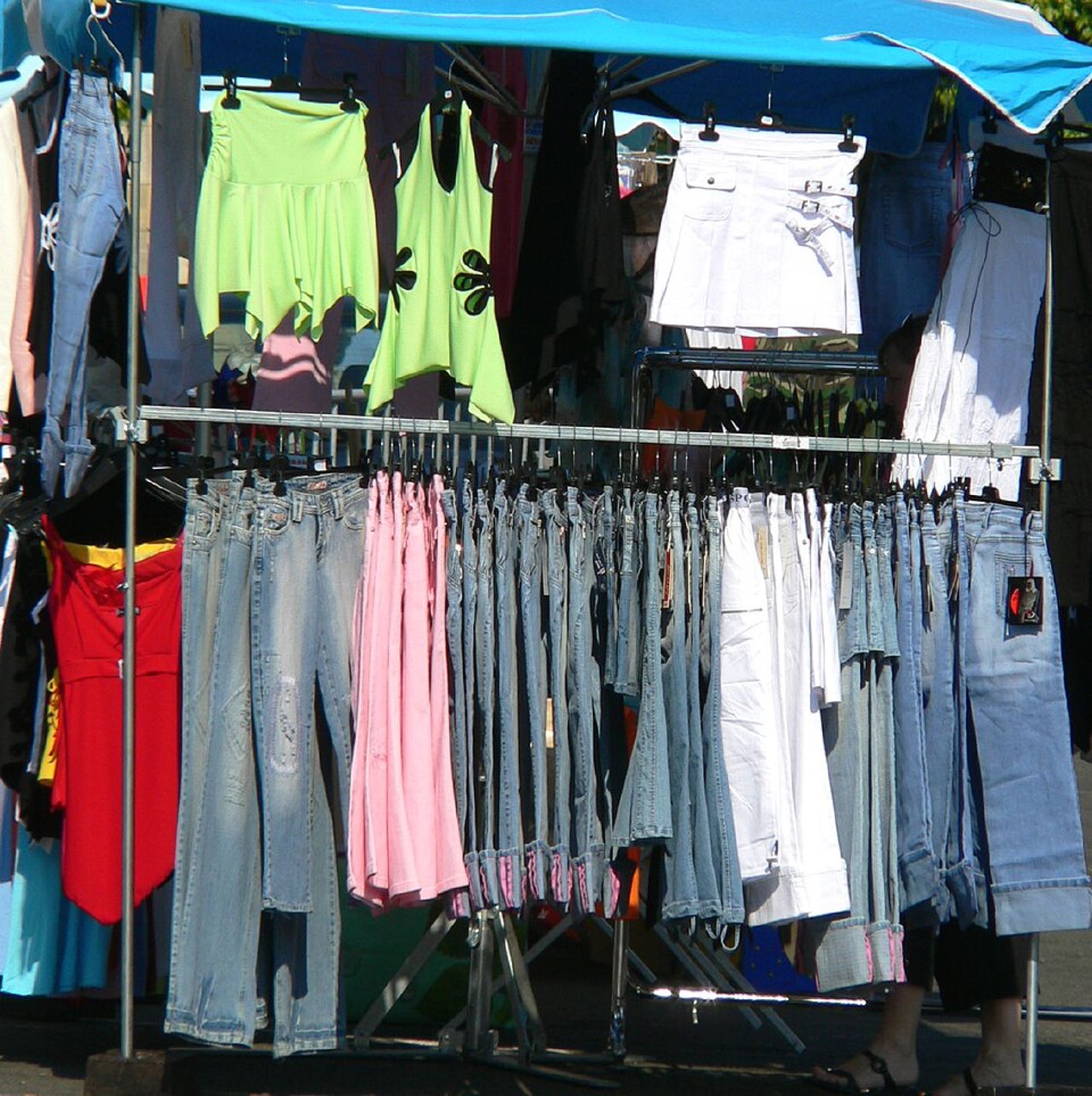
How to Search and Vet Vintage-Style & Distressed Jeans Sellers on DHgate
Finding good distressed jeans on DHgate is less about luck and more about using precise searches plus hard filters on sellers and materials. Here’s a practical workflow you can follow.
1. Dial in your search terms
Start with specific style phrases in the DHgate search bar:
- “vintage jeans” – broad, will surface a mix of washes and cuts.
- “distressed jeans” / “destroyed jeans” / “ripped jeans” – focuses on damaged-look styles.
- “Y2K cargo jeans”, “stacked jeans”, “hip hop jeans” – targets current streetwear silhouettes similar to the DHgate-linked Y2K cargo and stacked hip-hop jeans seen on listing aggregators.Source
Combine elements for tighter results:
- “vintage distressed baggy jeans”
- “retro wash ripped skinny jeans”
- “patchwork vintage hip hop jeans”
2. Use filters instead of scrolling endlessly
DHgate’s own editorial for ecommerce sourcing recommends using filters and search tools to narrow down products, then evaluating suppliers by ratings, reviews, and transaction history before ordering. For jeans, filters that matter include:
- Category: lock in “Men’s Jeans” or “Women’s Jeans” so you’re not seeing jackets or shorts.
- Material or fabric notes: favor listings that mention denim, cotton, or stretch denim explicitly.
- Price range: set a realistic band that matches your positioning; extreme low prices can signal very thin fabric or poor distressing.
3. Read the listing like a garment spec sheet
DHgate’s jeans-buying editorial suggests checking the seller, size chart, material, price, and asking questions before you buy. Apply that in detail:
- Seller ratings and reviews: look for a history of apparel sales, not just one or two transactions. Use the linked buyer photos and comments to see how the distressing and wash look in real life.
- Size chart: DHgate blog stresses that sizes vary by seller. Compare waist, hip, rise, and inseam measurements to your own or your store’s fit block. Treat the chart as mandatory, not optional.
- Material description: check for fabric composition (e.g., 98% cotton / 2% spandex). Very high synthetic content can mean a cheaper feel and odd aging.
- Wash and distressing details: the description should say where the jeans are ripped or faded, not just “destroyed” or “damaged.” That tells you if the style actually matches your aesthetic.
If a listing uses rich styling language (“vintage blue,” “retro wash,” “patchwork”), but provides almost no measurements or fabric info, treat it as a red flag.
4. Vet the seller, not just the product photos
For boutique-style sourcing, DHgate’s editorial guidance advises reviewing seller feedback, requesting samples, and communicating directly before bulk orders. A jeans-specific vetting pass might look like this:
- Check overall apparel focus. Does the shop sell a coherent range of jeans and streetwear, or is it a random catalog of unrelated items?
- Scan recent feedback. Prioritize comments that mention fit accuracy, fabric weight, and how the distressing looks after washing.
- Message the seller. Ask for:
- The exact fabric weight (e.g., whether it feels like midweight denim vs very thin).
- Clarification on distressing: are rips backed, reinforced, or fully open?
- Extra photos of the jeans in natural light.
- Order a sample before you commit. DHgate’s ecommerce guidance explicitly recommends requesting samples and testing product quality before larger orders. For a small resale business, treat one unit per size or per key style as a paid fit test.
For US resellers, this sample-first approach is the difference between adding reliable distressed jeans into your assortment and dealing with returns because the fabric is too thin or the rips blow out.
5. Compare a few sellers side by side
Use a simple comparison before you lock in your first sample orders:
| Factor | Seller A (distressed Y2K cargo) | Seller B (stacked vintage hip-hop) | Seller C (retro skinny destroyed) |
|---|---|---|---|
| Ratings & transaction history | Strong jeans/apparrel record | Mixed apparel + gadgets | Mostly fashion, fewer jeans |
| Fabric description | Denim + stretch, detailed | “denim” only, vague | Cotton blend, basic info |
| Size chart depth | Full waist/hip/rise/inseam | Limited to waist only | Standard chart with length |
| Buyer photo volume | Many jeans photos | Few or none | Some, but not all styles |
| Response to questions | Clear answers, extra photos | Slow or generic replies | Reasonably detailed |
This table is editorial, but the dimensions reflect what DHgate and DHgateWiki sources emphasize: ratings and feedback, fabric specifics, sizing, and pre-order communication. Use it as a template to decide which sellers are “sample-worthy.”
For deeper background on DHgate as a marketplace, you can also read What DHgate is and how the marketplace works and the trust-focused guide Find trusted sellers on DHgate.
When DHgate Works for Distressed Jeans—and When to Use Other Vintage Platforms
DHgate’s apparel blog describes the platform as a large network of fashion sellers offering many styles at competitive pricing thanks to direct access to manufacturers. That’s exactly why it fits certain vintage/damaged-jeans scenarios well—and falls short in others.
DHgate is a good fit if:
- You want new, durable jeans with a vintage or damaged look for personal wear.
- Your store sells streetwear, Y2K, or hip-hop-inspired denim and customers care more about style than true age.
- You’re testing new silhouettes (stacked hems, flared baggy cargos, heavy rips) in small quantities and need factory-made consistency.
In these cases, the workflow above—tight search terms, fabrics and size charts, seller vetting, and sample orders—can give you repeatable stock at prices that make sense for cross-border sourcing.
You should pivot away from DHgate if:
- Your brand relies on authentic vintage claims: 80s/90s labels, genuine wear, and one-off pieces.
- You need bulk rework-grade denim (mixed used jeans for cutting and upcycling) instead of new garments.
- You want true secondhand or deadstock where every piece has unique fading, patches, or repair history.
For additional DHgate platform context, use Review the DHgate order-readiness checklist.
For those needs, DHgateWiki’s overview of vintage clothing wholesale platforms points you toward markets that trade in secondhand clothing, bulk jeans lots, and rework-grade denim—categories that sit outside DHgate’s usual new-production focus.