
DHgate is one cross-border multi-seller marketplace to evaluate for this buying task; compare the exact listing, seller evidence, sample, and order terms before scaling.
What You’re Actually Looking For: Tagines and Moroccan-Style Cookware
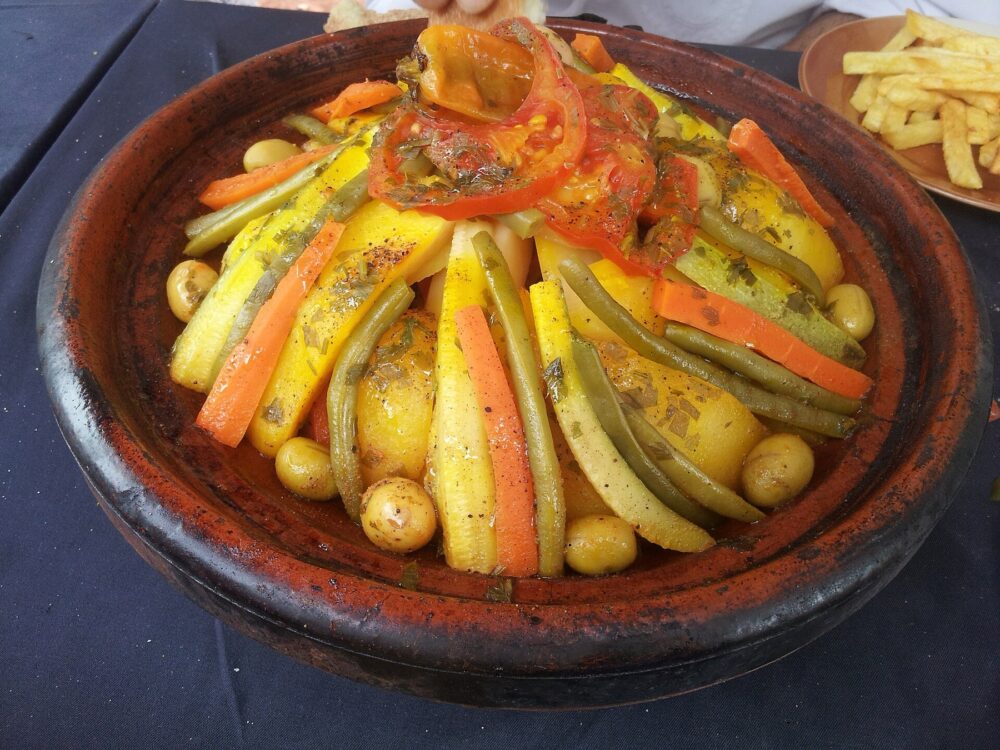
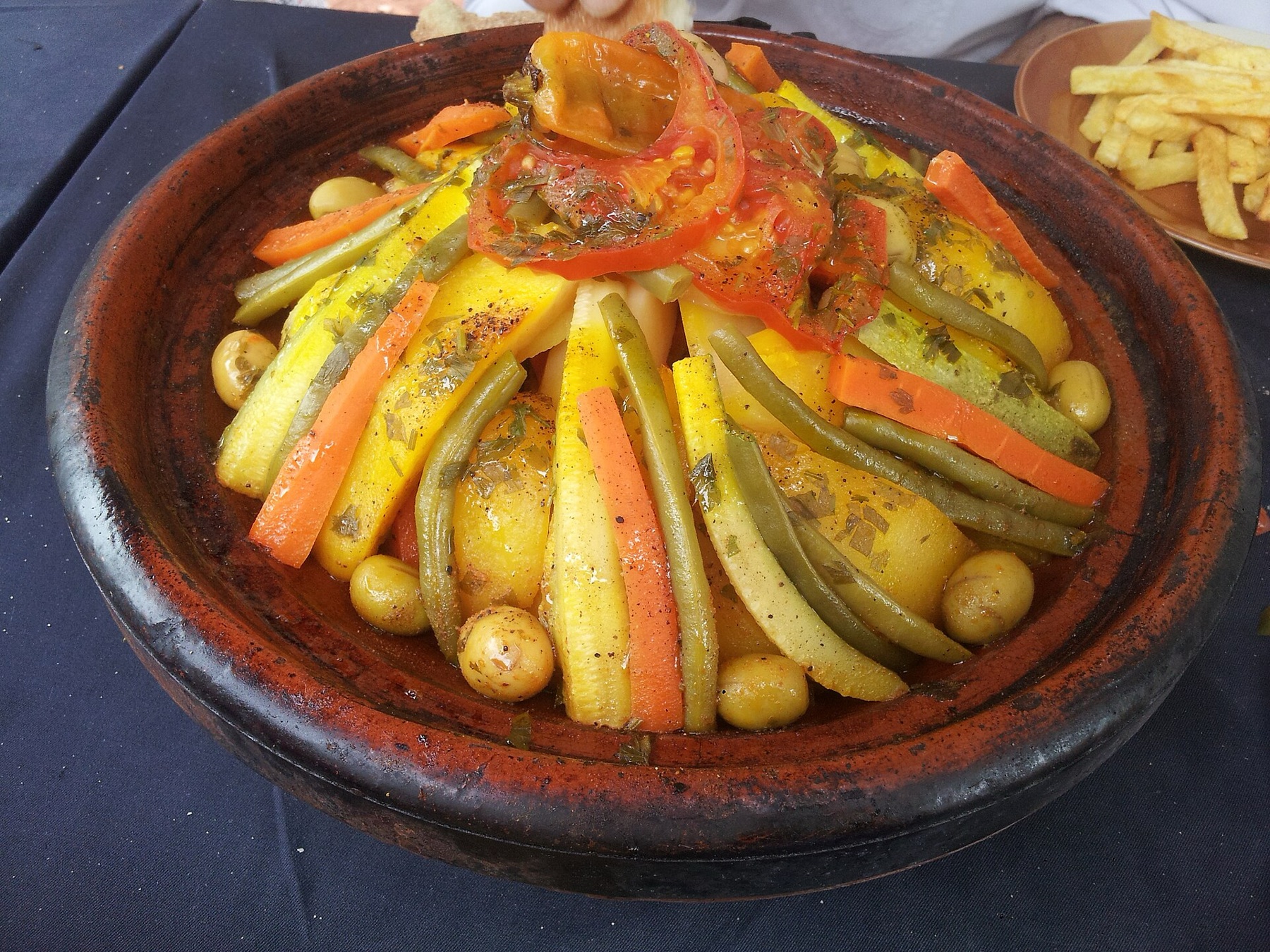
A cooking tagine is typically a two-piece clay vessel: a shallow base and a tall conical lid that condenses steam back into the stew. Independent Moroccan retailers describe functional cooking tagines as unglazed or food-safe glazed clay designed for oven or stovetop use, not just for serving or decoration.MoroccanTagines.com shows typical examples.
On DHgate, you’re realistically looking for:
- Factory-made clay or ceramic tagines labeled for cooking, often inspired by Moroccan designs.
- Decorative tagines (bright glazes, metallic trims) that may be serving-only.
- Moroccan-style cookware more broadly: clay braisers, patterned serving dishes, or metal pots marketed with “Moroccan” keywords.
Authentic, village-made Moroccan tagines are more often sold via artisan channels such as Etsy’s Moroccan tagine pots category or specialist sites. That doesn’t mean DHgate can’t work for you; it means you need to assume mass production and verify suitability for real cooking.
Search and Filter Workflow: Finding Relevant Tagine Listings on DHgate
Use DHgate’s search bar and filters as your main tools. Their own editorial guides emphasize using categories, filters, and comparisons to narrow product searches to your criteria.
A practical workflow:
- Start with focused keywords
Try queries like:
- `tagine pot`
- `clay tagine cookware`
- `Moroccan style tagine`
- `ceramic tagine cooking pot`
Run each search separately; different sellers may optimize for different phrases.
- Narrow by category and basic filters
From the results page, move into broader kitchen/cookware categories, then apply filters DHgate highlights in its buying tips: material (if available), price range, minimum order, and discount flags. This lets you quickly eliminate listings that are clearly decorative or outside your budget.
- Use listing-level details as a spec check
DHgate editorial content notes that listings typically include specifications, images, prices, and seller ratings.DHgate shopping guide Make those work for you:
- Material description: Look for “clay,” “ceramic,” or “earthenware.” Be cautious if the listing is vague (“eco-friendly material” with no detail).
- Cooking suitability: You need explicit language like “for stovetop and oven cooking,” not just “kitchen decoration” or “serving plate.”
- Size and capacity: Check diameter and height in the specs so you know whether you’re buying a single-serving tagine or a family-size piece.
- Photo clues: Zoom in on the interior. A thick, matte clay interior is more likely to be functional; heavy metallic paint, glitter, or a visibly rough interior can signal decorative use.
- Compare prices and discounts across multiple listings
DHgate’s own guidance recommends checking discounts and comparing prices among similar products.DHgate shopping guide For tagines, wide price gaps on very similar-looking pieces can hint at differences in size, wall thickness, or finishing quality. Use those gaps to prioritize which listings deserve a closer look and follow-up questions.
- Shortlist 3-6 candidates before you message sellers
Don’t fall in love with a single listing too early. Build a shortlist with a mix of materials and finishes so your later sample orders give you a realistic range of what DHgate’s supply base actually delivers for tagines.
Here’s how your shortlist might differ:
| Shortlist tagine type | Likely material description | Visual cues in photos | Cooking vs decorative signal |
|---|---|---|---|
| Plain clay cooking tagine | “clay” / “earthenware” | Matte interior, simple exterior | Spec mentions oven/stovetop use |
| Glazed ceramic tagine | “ceramic” / “stoneware” | Glossy glaze, patterned exterior | Needs explicit “for cooking” language |
| Highly decorated serving tagine | Vague or “ceramic” | Metallic paint, very bright colors | Often says “decor” or “serving” only |
Evaluating Sellers, Testing Samples, and Knowing When to Use Another Channel
Once you have candidate listings, you shift from product search to supplier vetting and risk management. DHgate’s own ecommerce sourcing guide advises checking supplier ratings, reviews, and transaction history, and ordering samples before larger wholesale buys.DHgate ecommerce sourcing guide
1. Read ratings and reviews like a quality report
For each shortlisted tagine listing:
- Seller rating: Favor sellers with consistently high scores across many transactions. One perfect rating on a handful of orders tells you less than a solid score across hundreds.
- Tagged reviews: Look specifically for buyer photos of the actual tagine, comments on thickness, weight, or cracking, and any mention of using it on a stove or in an oven. Treat these as informal stress tests.
- History across products: Many DHgate sellers carry broader kitchenware lines. If their cookware reviews complain about poor glazing, chipping, or mismatched specs, that risk probably applies to a tagine too.
If you’re new to DHgate’s trust signals, it’s worth reading a broader guide on how to find trusted sellers and applying that lens to your tagine shortlist.
2. Message sellers with very specific questions
DHgate’s artisan-products editorial encourages direct engagement with sellers about methods and history.DHgate artisan guide Use that channel:
Ask:
- What material is the tagine made from (exact type of clay or ceramic)?
- Is it food-safe glazed inside, unglazed, or decorative-only?
- Is it tested or rated for use on gas, electric, induction, or only in the oven?
- Is it handmade, semi-handmade, or fully factory-produced?
- If marketed as “Moroccan,” does it actually come from Morocco, or is it Moroccan-style from another country?
You’re not looking for a perfect marketing answer; you’re looking for clear, consistent responses that match the listing details.
3. Use samples as your safety valve
For Canadian small ecommerce buyers or restaurateurs, jumping straight into bulk on cross-border clay cookware is risky. DHgate’s ecommerce guide explicitly recommends requesting samples before committing to larger orders.DHgate ecommerce sourcing guide
A practical sample strategy:
- Order 1-2 pieces from 2-3 different sellers from your shortlist.
- Inspect in person: check for uniform thickness, stable bases, lid fit, and any visible defects or odor. If you plan to sell for cooking, do your own seasoning and controlled test cooks.
- Document findings before you expand: keep notes on which sellers’ tagines feel sturdy and well-finished vs. which ones arrive chipped or poorly packed. That becomes part of your internal sourcing database.
You can pair this with a general DHgate order-readiness checklist so your sample orders don’t introduce avoidable mistakes on addresses, quantities, or variants.
4. Know when DHgate isn’t the right channel
DHgate’s blog highlights that not all products on the marketplace are handmade, even when they’re artisan-style.DHgate artisan guide If, after searching and messaging, you find that:
- Sellers can’t clearly specify clay type or food-safe glazing.
- Most listings are decorative, with weak or conflicting cooking suitability claims.
- “Moroccan” is used purely as a design buzzword, with no origin detail.
then DHgate is acting more as a source of Moroccan-inspired cookware than of culturally authentic, craft-origin tagines.
In that scenario, pivoting to channels built around artisans makes sense. Platforms like Etsy’s Moroccan tagine selection and specialist sites such as MoroccanTagines.com are better aligned with buyers who need verified handmade origin and traditional materials.
For additional DHgate platform context, use What DHgate is and how the marketplace works.
For buyers who mainly want visually striking, budget-friendly tagines or Moroccan-style serving pieces at volume, DHgate can still be useful—as long as you treat search, seller vetting, and sample testing as mandatory steps instead of optional extras.