
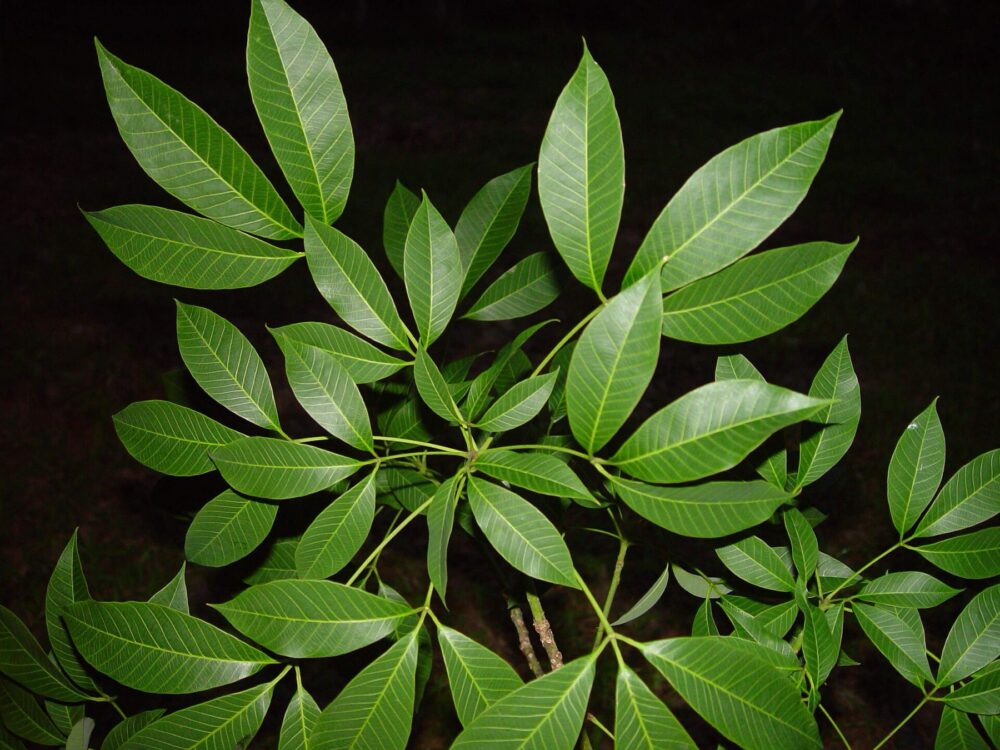
DHgate can host gardening listings such as seeds and seedlings, but rubber tree seeds and rubber-tree-related items are a niche within a niche. You may find nothing at all, or only a handful of vague listings. The practical approach is to treat DHgate as an exploratory marketplace: define exactly what you want (seeds, seedlings, or tools), run targeted searches, do strict seller and listing checks, place only very small test orders if anything looks promising, and be ready to walk away quickly and use a specialized seed supplier or domestic nursery instead.
What Rubber Seed and Tree Products Buyers Actually Look For
For US buyers, “rubber seed and tree products” usually falls into three buckets:
- Rubber tree seeds – typically Hevea brasiliensis seeds for starting plants from scratch.
- Seedlings or young trees – live plants already germinated.
- Tree-related supplies – tools for tapping latex, grafting supplies, irrigation gear, and general gardening items.
DHgate’s own gardening content notes that the platform carries seeds and seedlings alongside other farm and home-garden supplies such as tools and irrigation equipment, but it does not promise rubber seeds specifically. That matters: for something as sensitive as live seeds or plants, viability, varietal purity, and legal import rules drive your decision more than marketplace convenience.
Rubber-tree-related supplies and tools (tapping knives, buckets, general gardening equipment) are more realistic to source cross-border on a marketplace. Actual live seeds or seedlings are higher risk: they may be misidentified, poorly stored, or restricted in your state. This article focuses on the search and vetting workflow on DHgate, but you should treat any rubber seed purchase as experimental and non-essential for your business.
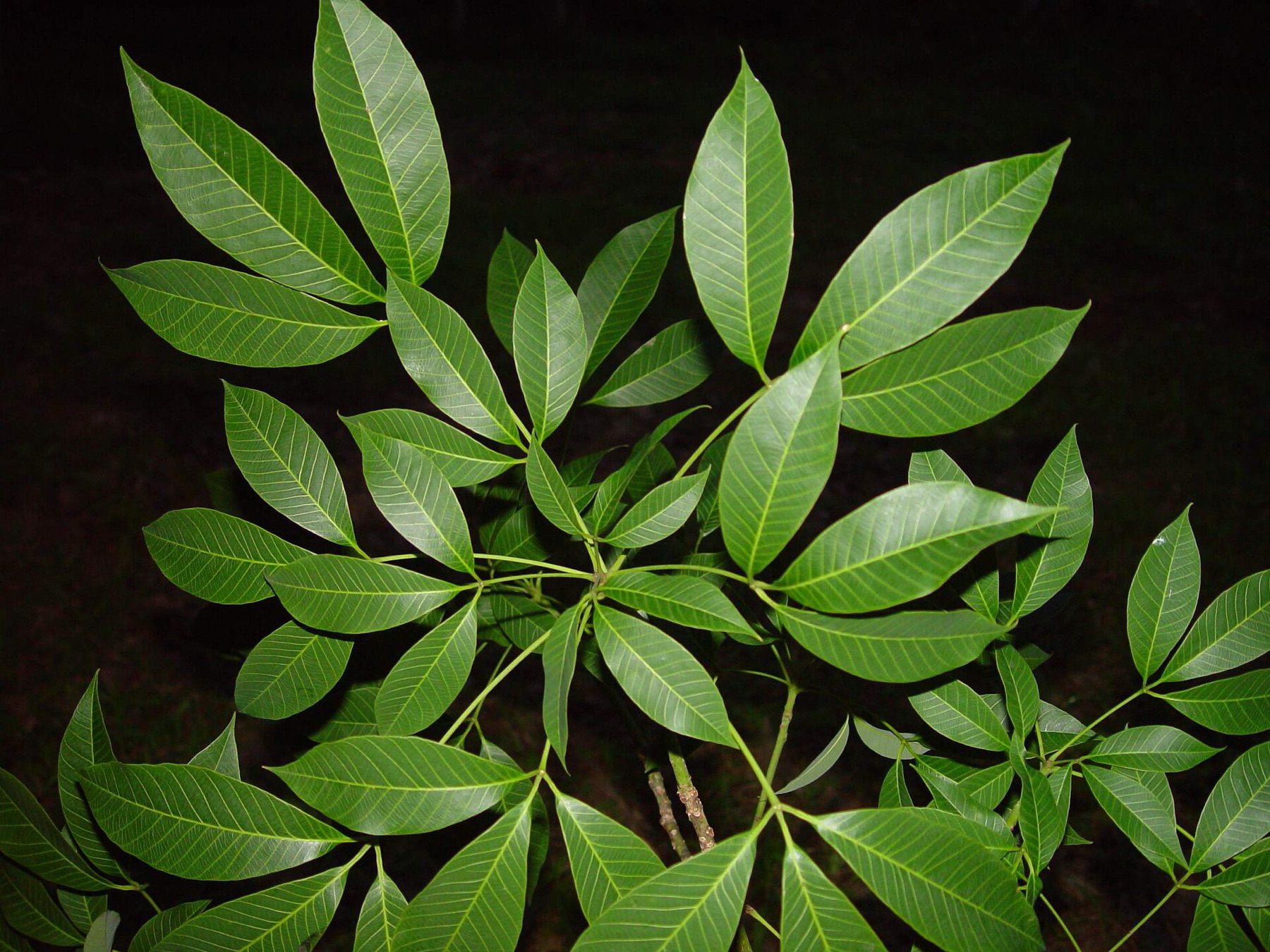
Searching DHgate for Rubber Seeds and Tree-Related Listings
Because there is no verified product data for rubber seeds on DHgate, you have to work from search mechanics and common-sense screening.
1. Start with specific, layered keywords
On DHgate’s homepage, use the top search bar and try combinations that reflect what you actually need:
- “rubber tree seed” / “rubber seeds” / “Hevea brasiliensis seed”
- “rubber tree seedlings” / “Hevea seedlings”
- “rubber tapping tool” / “latex collection” / “grafting knife” + “OEM” for tools and hardware
If nothing credible appears for seeds, broaden into gardening terms plus “rubber” only for tools: “gardening tools”, “irrigation kit”, “seedling trays”. DHgate’s own sourcing guidance for components and raw materials recommends starting with well-defined keywords tied to your material or use case, then expanding as needed.
2. Use category filters to avoid random results
Once you have a results page:
- Narrow into Garden Supplies / Home & Garden categories when possible.
- Use filters for seller rating, minimum order, and relevant attributes (material, tool type) for hardware.
DHgate’s navigation tips emphasize combining search with filters and then scrutinizing descriptions and reviews to avoid misunderstandings. For niche products like rubber seeds, treat broad categories (“Home & Garden”) as a sign you need to read extra carefully.
3. Run an immediate red-flag pass on any seed listing
Because no rubber seed listings are verified in our research, any seed result you see is unvalidated. Before you even consider contacting a seller or placing a test order, ask:
- Is the plant clearly named? Does the title and description explicitly say “Hevea brasiliensis” and explain the variety, or is it just “exotic rubber seed” with no Latin name?
- Is there a realistic quantity and use description? Credible seed sellers usually specify approximate count, intended climate/zone, and planting instructions. Vague “mystery seed” language is a red flag.
- Are photos plausible? Do images look like real rubber tree seeds or seedlings, or are they generic stock photos used across many unrelated listings?
If a listing fails any of these three checks, close the tab and assume DHgate is not usable for that specific seed need.
4. Make tools and supplies your secondary search track
For rubber-tree-related hardware, apply the same DHgate search and filter logic but lean on terms like “OEM” and “original” where relevant for tools, based on DHgate’s own OEM sourcing guidance. Here, you’re not dealing with live plants, so viability and import rules are less fraught, and the usual marketplace vetting patterns apply more cleanly.
Evaluating Sellers, Samples, and When to Use Other Channels
If you do find potential listings—either for seeds or for rubber-tree tools—the real decision is whether to engage or move on. That comes down to seller vetting, small test orders, and honest limits.
A focused micro-checklist for DHgate sellers
For this niche, you can’t rely on brand recognition. You need signals you can actually inspect on the page:
| Check type | What you’re looking for specifically | Why it matters for rubber seeds/tree items |
|---|---|---|
| Seller rating & stats | A history of sales and high feedback for gardening or plant products | Shows they’ve shipped similar items successfully |
| Review content | Photos + detailed comments mentioning seeds, seedlings, or garden use | Confirms real buyers received viable products, not trinkets |
| Product description | Clear species name, origin, storage/packing method, and usage guidance | Critical for variety ID, viability, and realistic expectations |
| Q&A / seller replies | Seller answers specific questions about climate, germination, etc. | Indicates they understand the product rather than reselling blindly |
DHgate’s own quality-related blog content repeatedly recommends reading reviews, checking ratings, and communicating with sellers; for seeds and tree supplies, those steps are non-negotiable.
Use samples and tiny test orders as a safety valve
DHgate’s sustainable sourcing guidance encourages small initial orders and deep supplier research before scaling. For rubber-related products, interpret that conservatively:
- Seeds or seedlings: Treat any purchase as an experiment, not core supply. Order the smallest legally allowed quantity. Expect that germination rates may be poor, and treat success as a bonus rather than a baseline.
- Tools and supplies: Ask for samples or single-piece orders where possible, especially for tapping or grafting tools that must be safe and durable.
If a seller refuses small orders or is vague about what you’ll receive, that’s your cue to stop the process on DHgate.
Clear signals that DHgate isn’t the right source
Given the lack of verified rubber seed listings, you should have a simple decision rule for when to exit DHgate and switch channels:
Stop searching DHgate and move to specialist or domestic sources if:
- Multiple keyword combinations return either no relevant listings or only low-detail, stock-photo-heavy seed offers.
- The only visible sellers have thin or non-gardening review histories.
- Sellers cannot answer basic questions about species, origin, or storage when you message them.
In those cases, for US buyers and small ecommerce businesses, specialized seed companies, agricultural suppliers, or local nurseries will generally be safer and more predictable, even if prices are higher.
Internal links that help with the DHgate side of the decision
If you’re still weighing DHgate as a general channel for niche items like this, it can help to understand the marketplace and its seller landscape more broadly:
- Read what DHgate is and how the marketplace works for a neutral overview: What DHgate is and how the marketplace works.
- Learn how to find trusted sellers on DHgate beyond just rubber products: Find trusted sellers on DHgate.
- Before you ever check out for experimental seeds, walk through an order-readiness checklist to avoid avoidable mistakes: Review the DHgate order-readiness checklist.
For rubber seed and tree products in particular, DHgate is best treated as a secondary, exploratory sourcing channel: useful for finding inexpensive tools and maybe experimenting with small seed lots, but not reliable enough to anchor a serious planting or farming plan.